Fine Motor Skills Worksheets for 3-Year-Olds - Page 11
245 filtered results
-
From - To
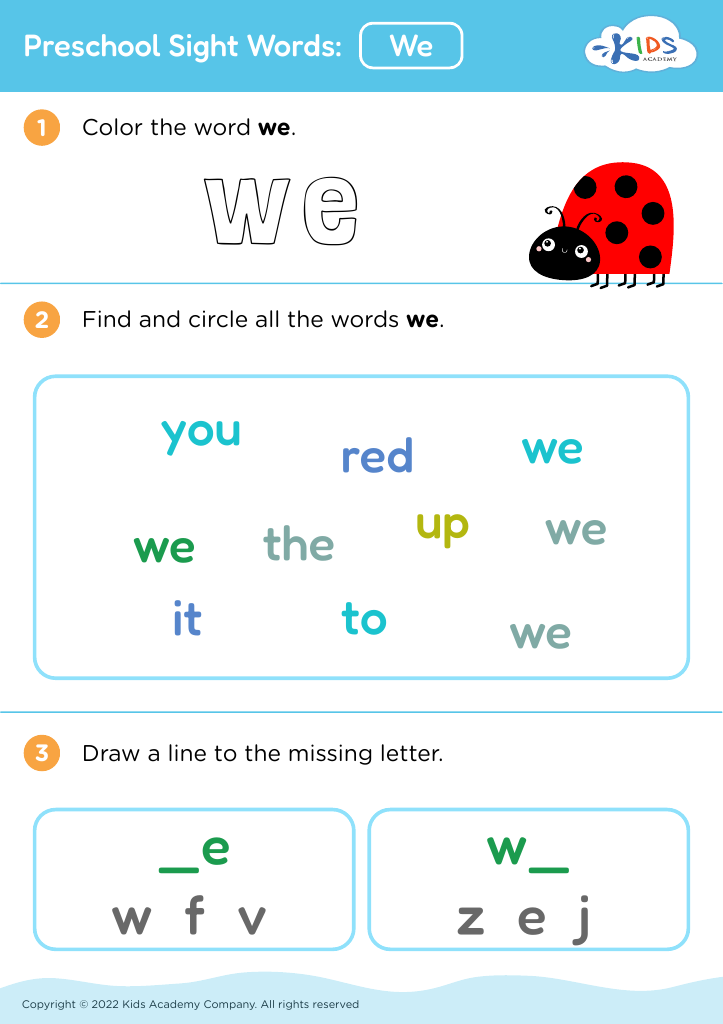
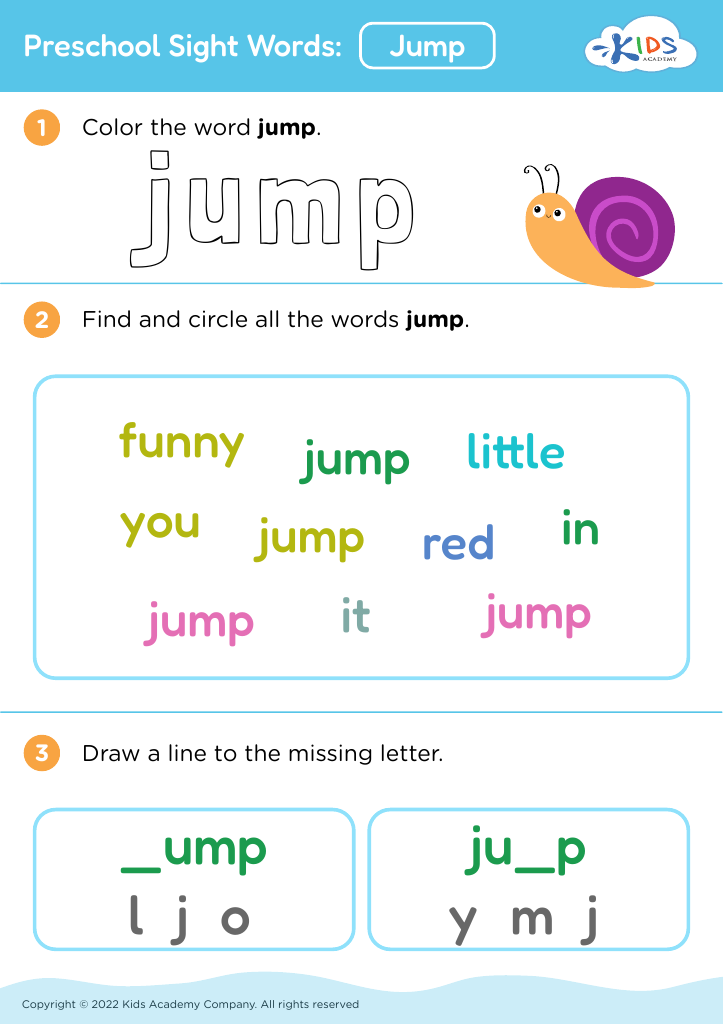
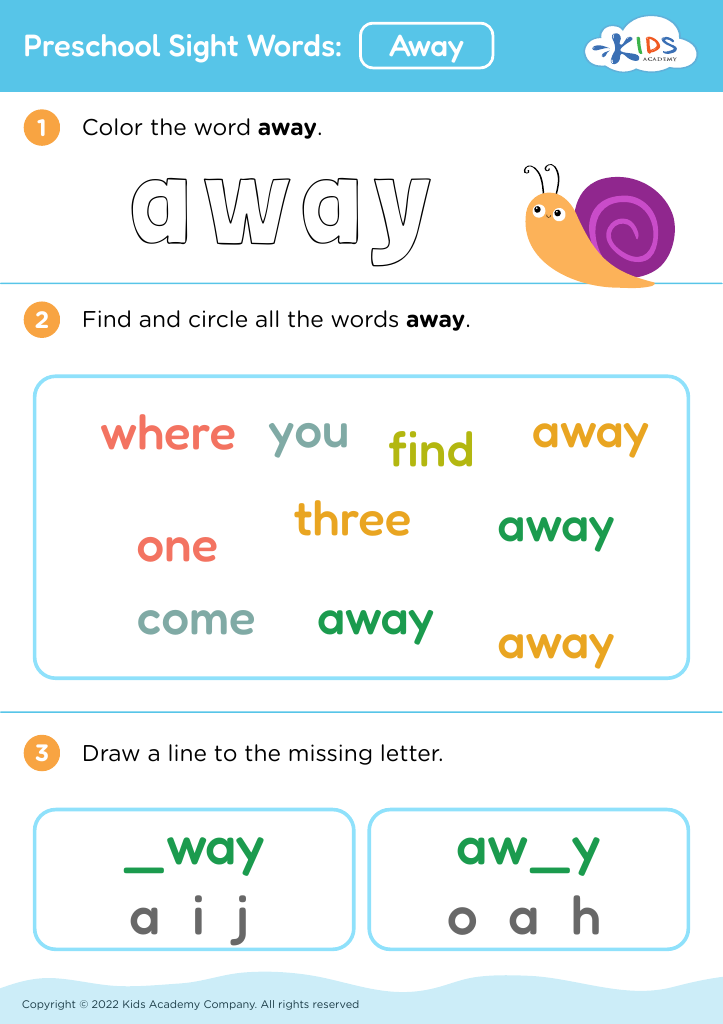
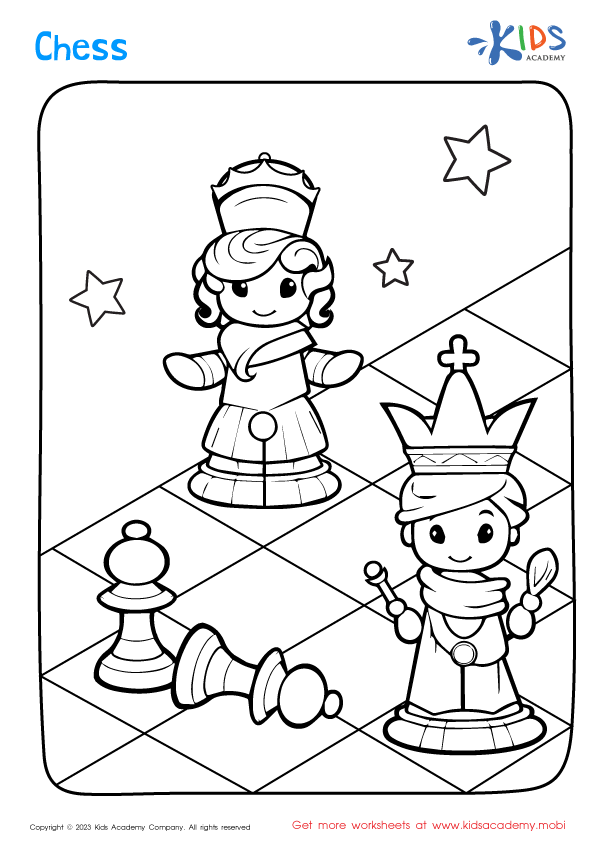





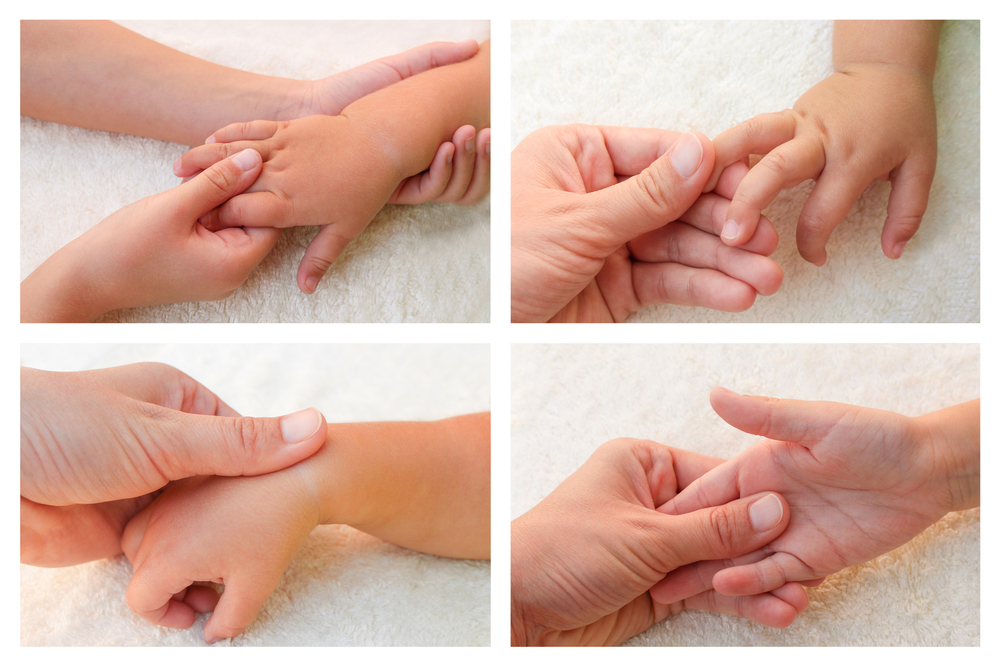


Fine motor skills are crucial for the overall development of 3-year-olds, and parents and teachers should prioritize fostering these abilities. These skills involve the coordination of small muscles, particularly in the hands and fingers, which are essential for performing everyday tasks like buttoning clothes, eating with utensils, drawing, and writing. For young children, these activities are not only practical but also foundational for future academic success and self-care capabilities.
Development of fine motor skills contributes significantly to neurological development because it enhances hand-eye coordination. As children engage in tasks such as threading beads, manipulating playdough, or using crayons, they build neural pathways that aid cognitive development and problem-solving skills. Additionally, refining these skills boosts children's confidence and fosters independence, allowing them to explore their capabilities and take pride in their accomplishments.
For teachers, focusing on fine motor skills can lead to improved classroom performance in activities requiring precision, such as using scissors or holding a pencil correctly. For parents, supporting these skills at home reduces frustration and increases a child's readiness for school. Thus, both teachers and parents play a pivotal role in encouraging fine motor skill development, laying a strong foundation for lifelong learning and independence.








