Hand-eye Coordination Worksheets for 3-Year-Olds - Page 3
71 filtered results
-
From - To
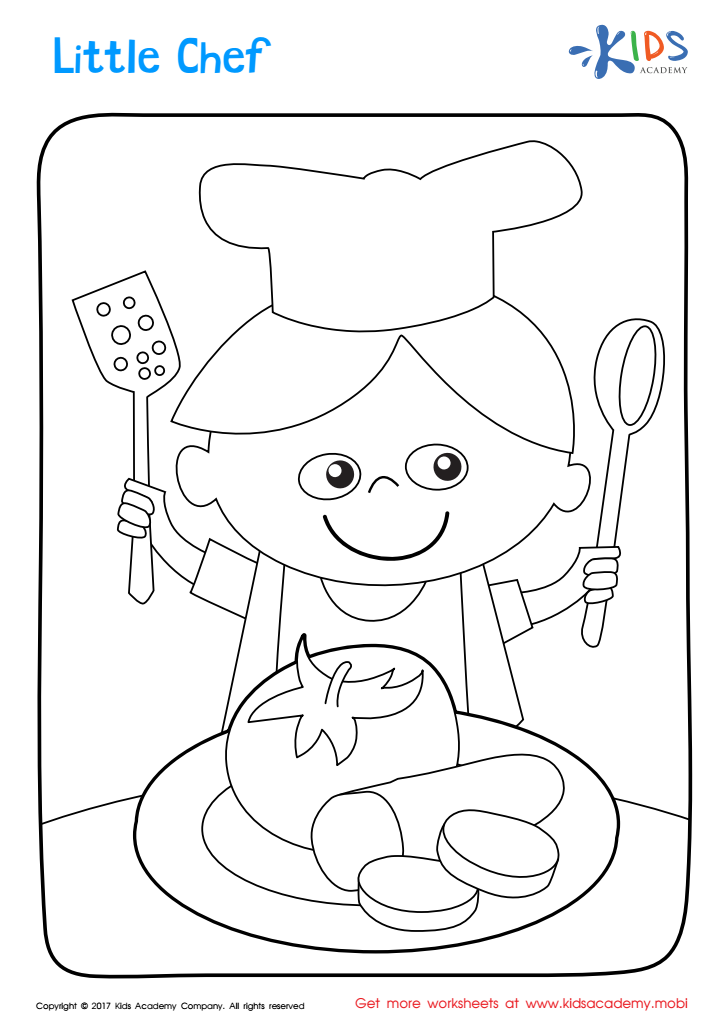
Little Chef Coloring Page
 Assign to My Students
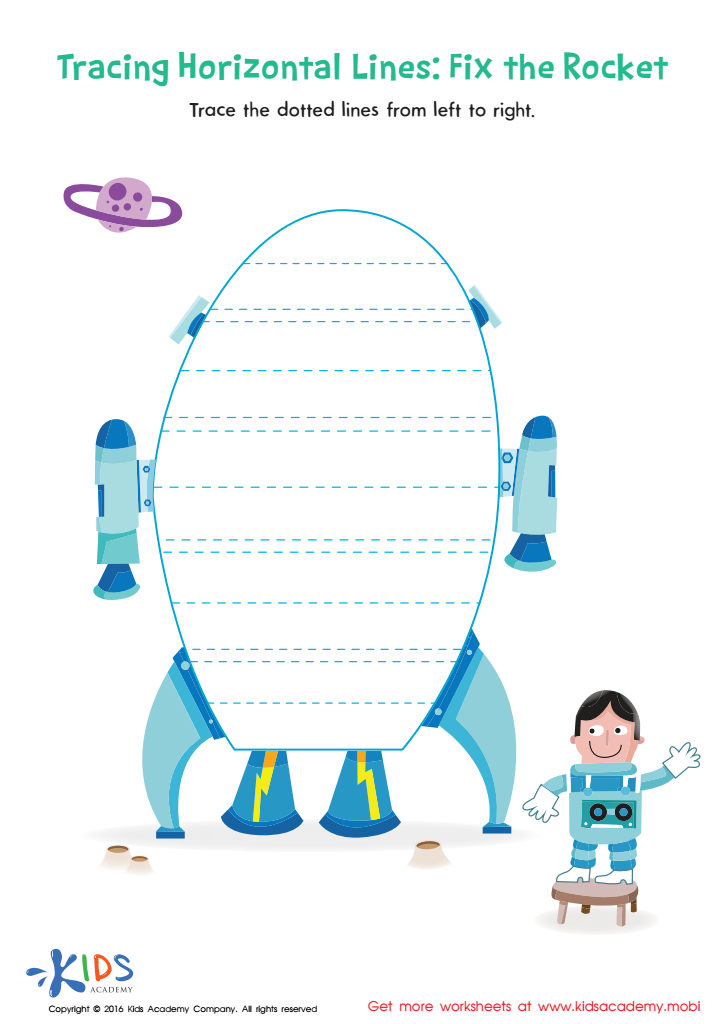
Tracing Horizontal Lines Worksheet
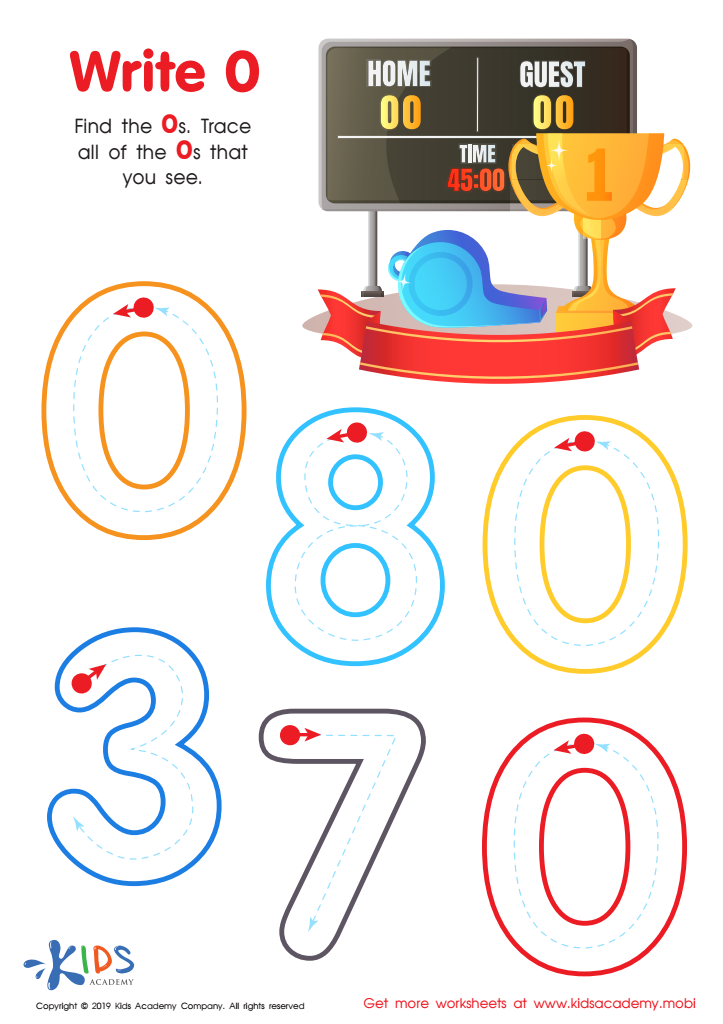
Write 0 Worksheet
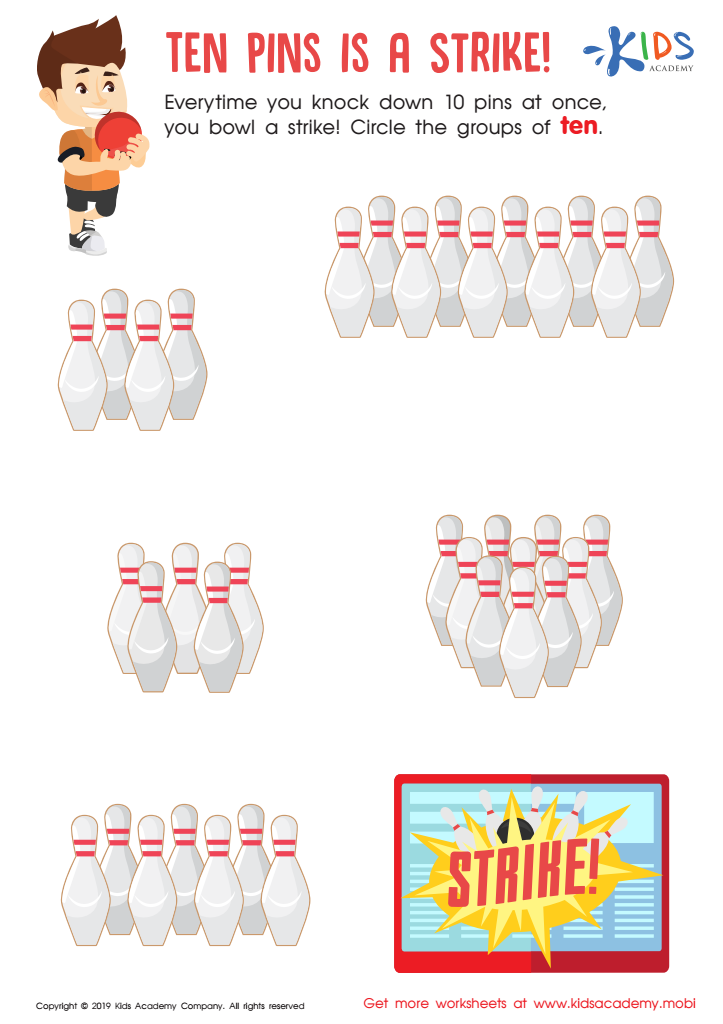
Ten Pins is a Strike Worksheet
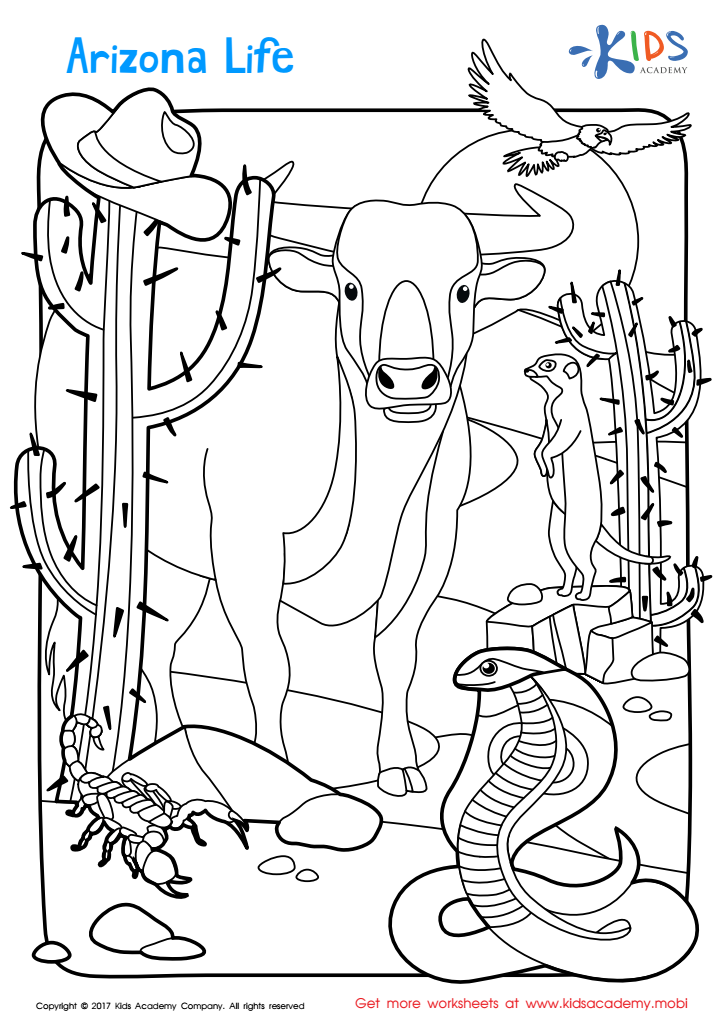
Arizona Coloring Page Worksheet
Assign to My Students
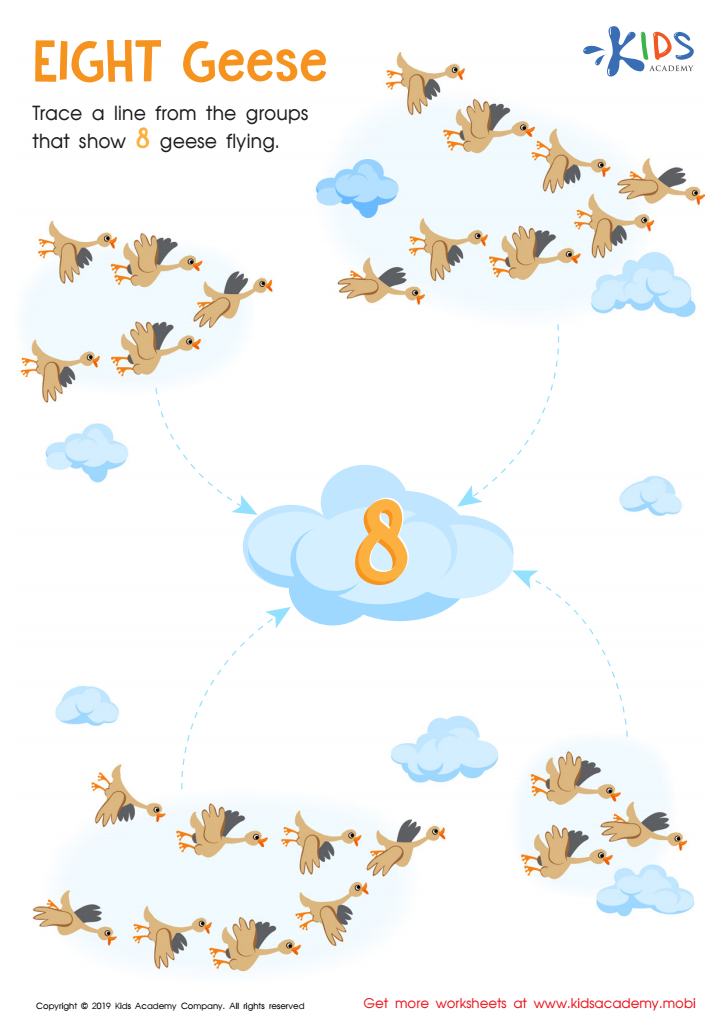
Eight Geese Worksheet
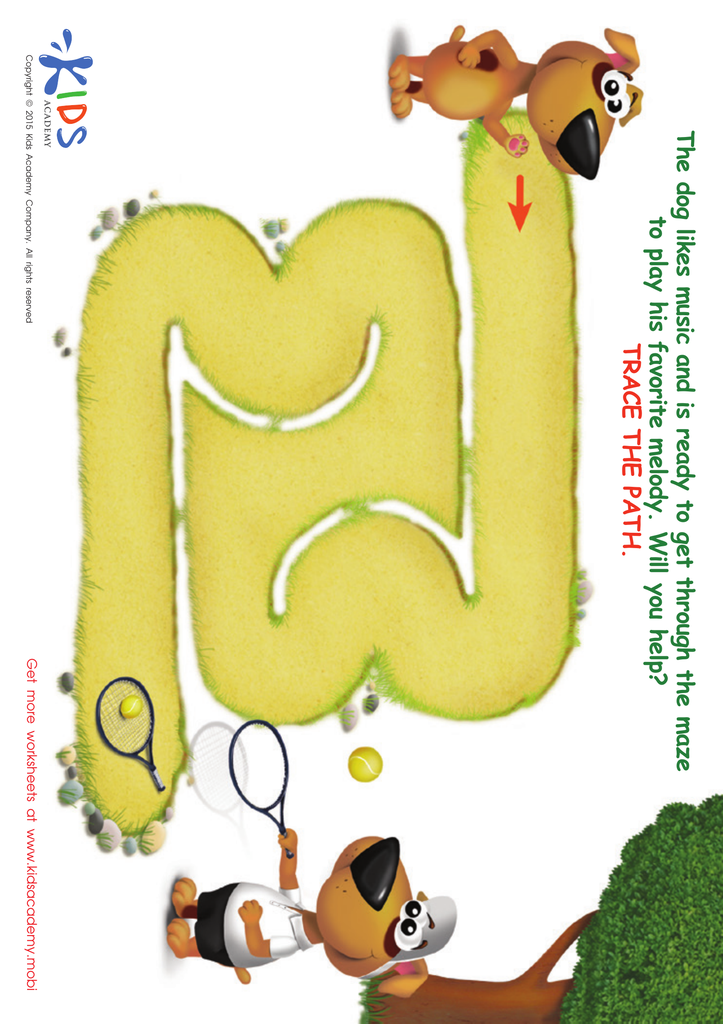
Tennis Player Maze Worksheet
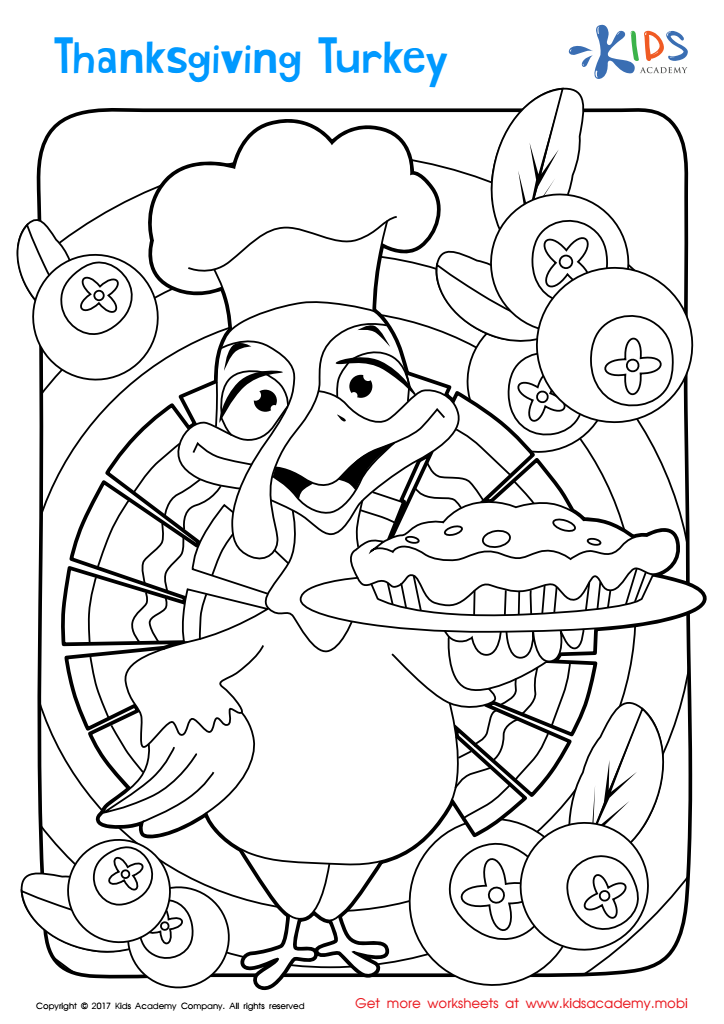
Turkey Thanksgiving Day Worksheet
Assign to My Students
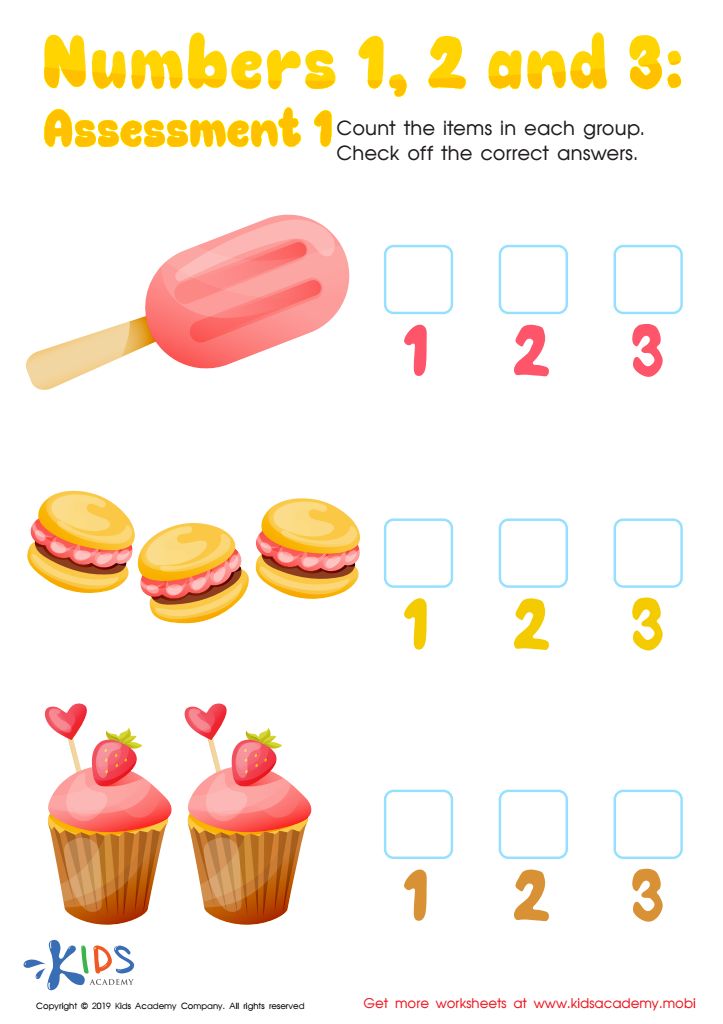
Numbers 1, 2 and 3: Assessment 1 Worksheet
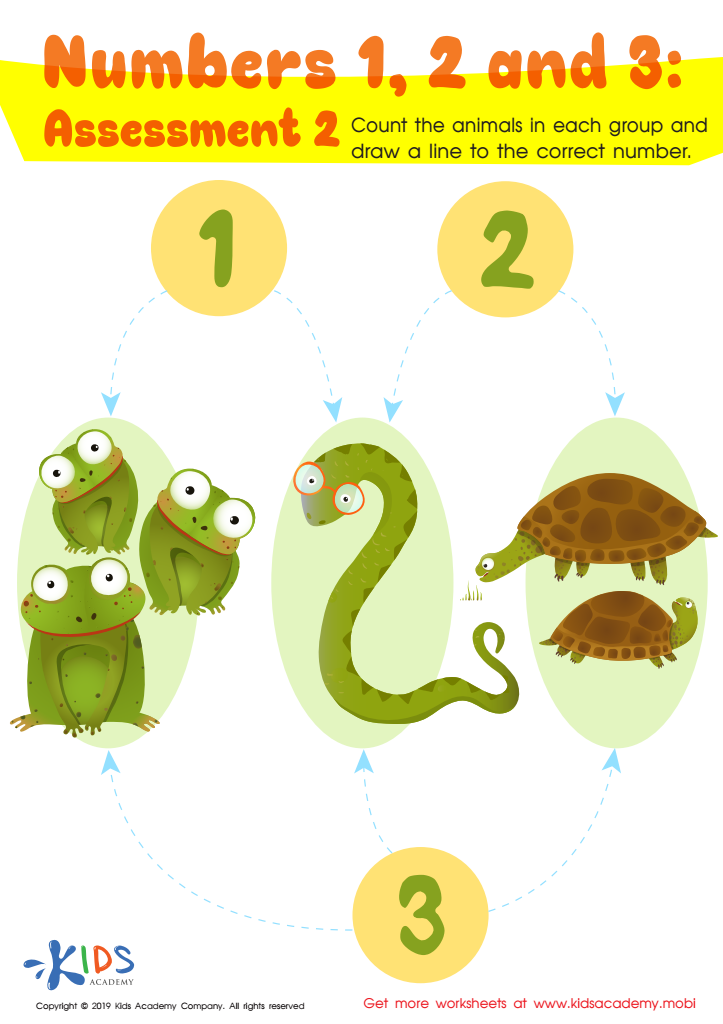
Numbers 1, 2 and 3: Assessment 2 Worksheet
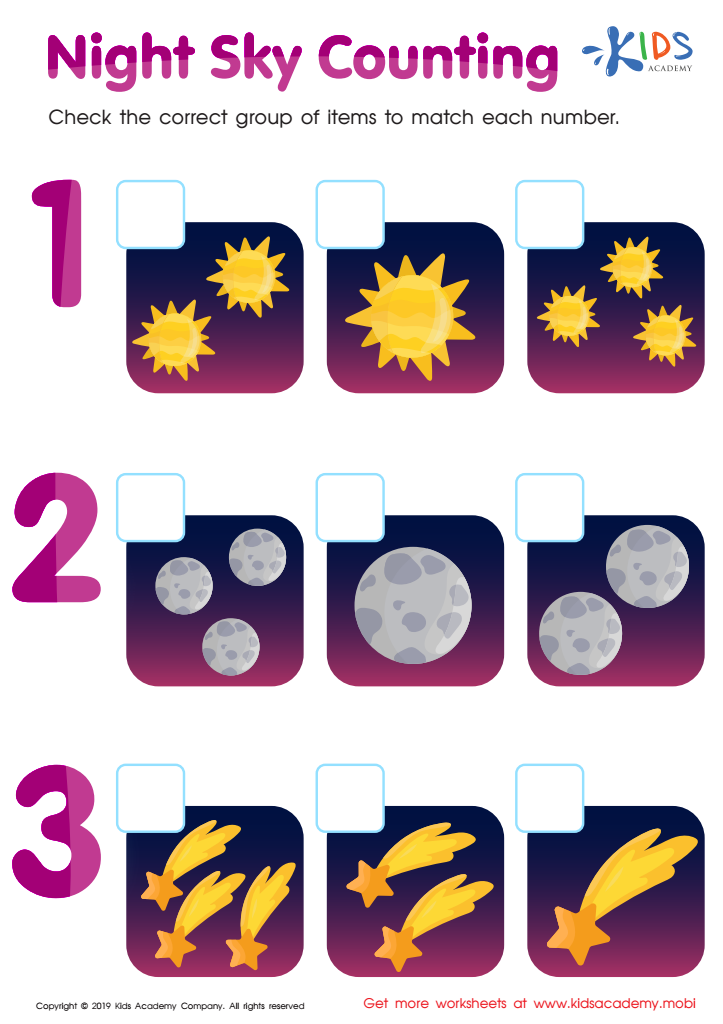
Night Sky Counting Worksheet
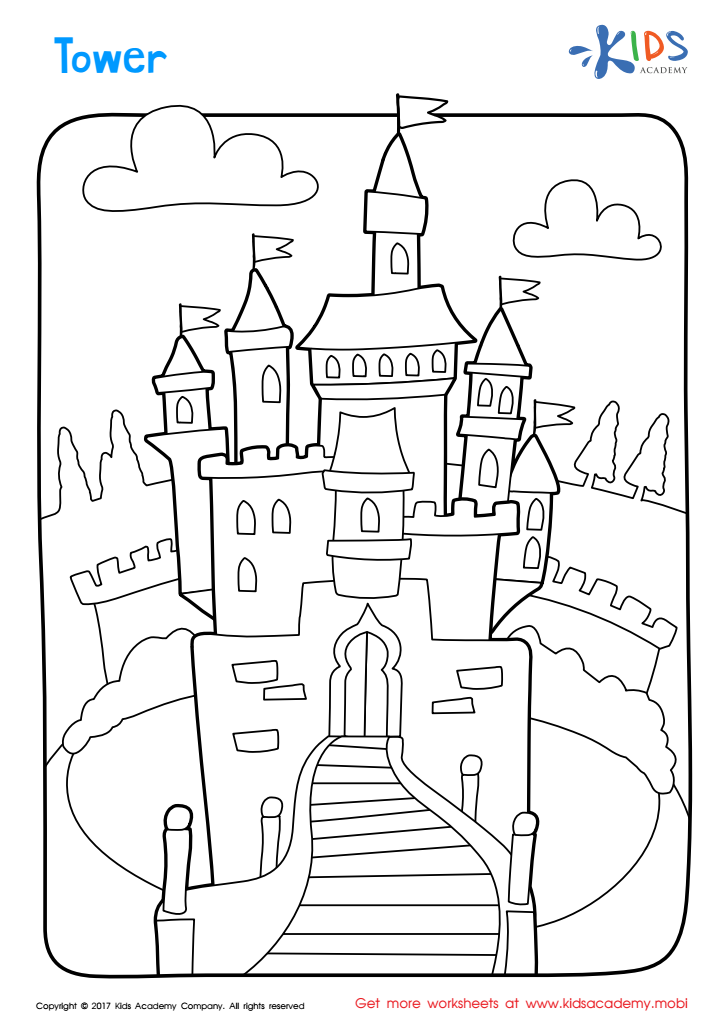
Tower Coloring Page
Assign to My Students

Long and Short E Worksheet
Assign to My Students
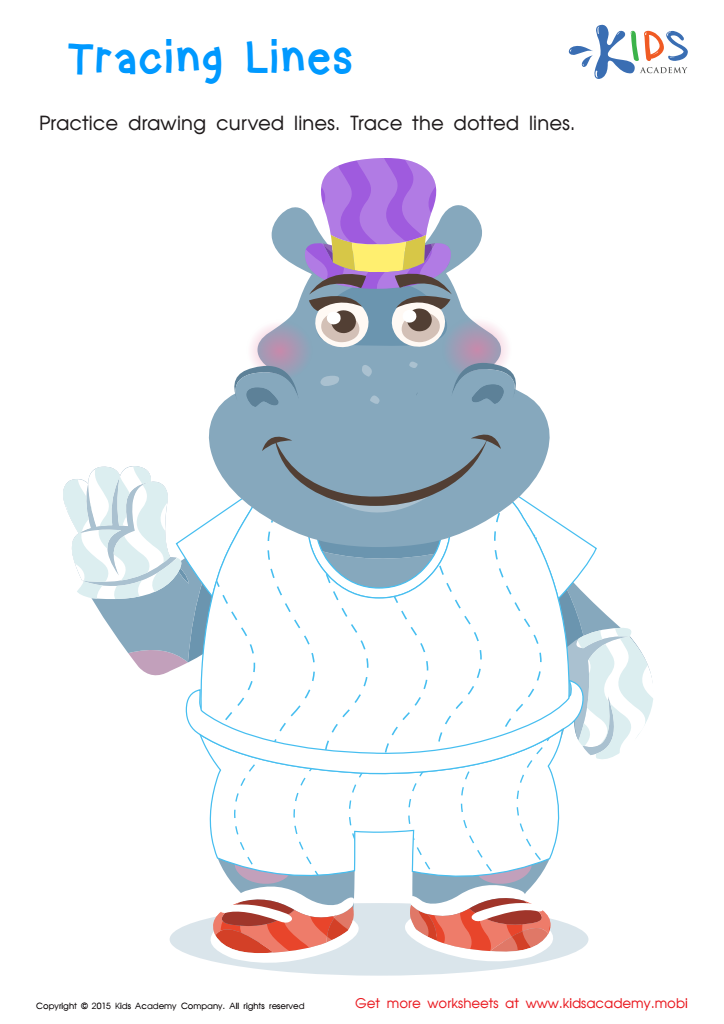
Tracing Lines Worksheet

Letter D Tracing Page


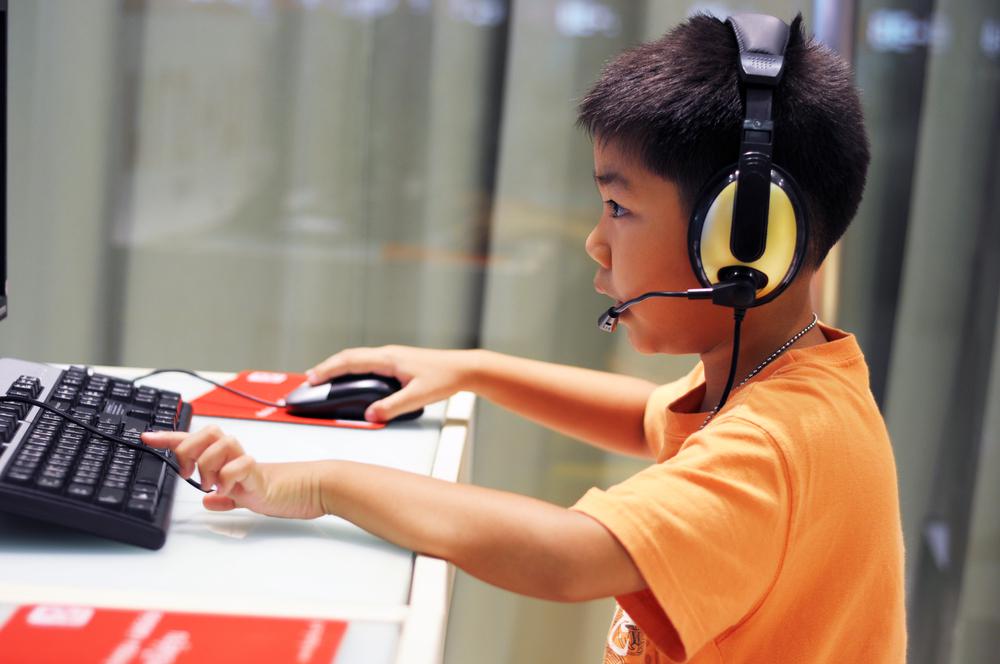


Hand-eye coordination, which is the ability to use our eyes to direct the movements of our hands, plays a crucial role in a child's early development. For 3-year-olds, developing strong hand-eye coordination is foundational for executing everyday tasks and building essential skills.
From pouring juice into a cup without spilling to stacking blocks or beginning to write, good hand-eye coordination helps children perform such tasks more effectively and confidently. This coordination also impacts fine motor skills, crucial for manipulating objects, holding utensils, and fastening clothes, which fosters independence and self-esteem.
In addition, activities that improve hand-eye coordination, such as puzzles, coloring, and simple throw-and-catch games, contribute to cognitive advancement. These tasks encourage problem-solving, spatial awareness, and even pre-mathematical skills, as the child learns to discern distances, shapes, sizes, and spatial relations.
Furthermore, well-developed hand-eye coordination can enhance a child’s play experiences and social interactions. Participating successfully in games and sports can help build social connections, foster teamwork, and contribute to physical fitness.
Overall, parents and teachers should prioritize activities that support hand-eye coordination as it aids in holistic childhood development, encompassing physical, cognitive, and socio-emotional growth.








