Identifying objects Worksheets for 3-Year-Olds
5 filtered results
-
From - To
Welcome to our "Identifying Objects Worksheets for 3-Year-Olds" page! Here, you'll find a variety of engaging and educational worksheets designed for preschoolers. These interactive resources help young learners develop essential skills in recognizing and identifying everyday objects. Our worksheets feature vibrant images and straightforward instructions to make learning fun and effective. Children will enjoy activities that encourage observation, critical thinking, and vocabulary building. Perfect for parents and educators, these printable worksheets support early childhood development through play-based learning. Start exploring our collection today to boost your child's object recognition skills while fostering a love for learning!
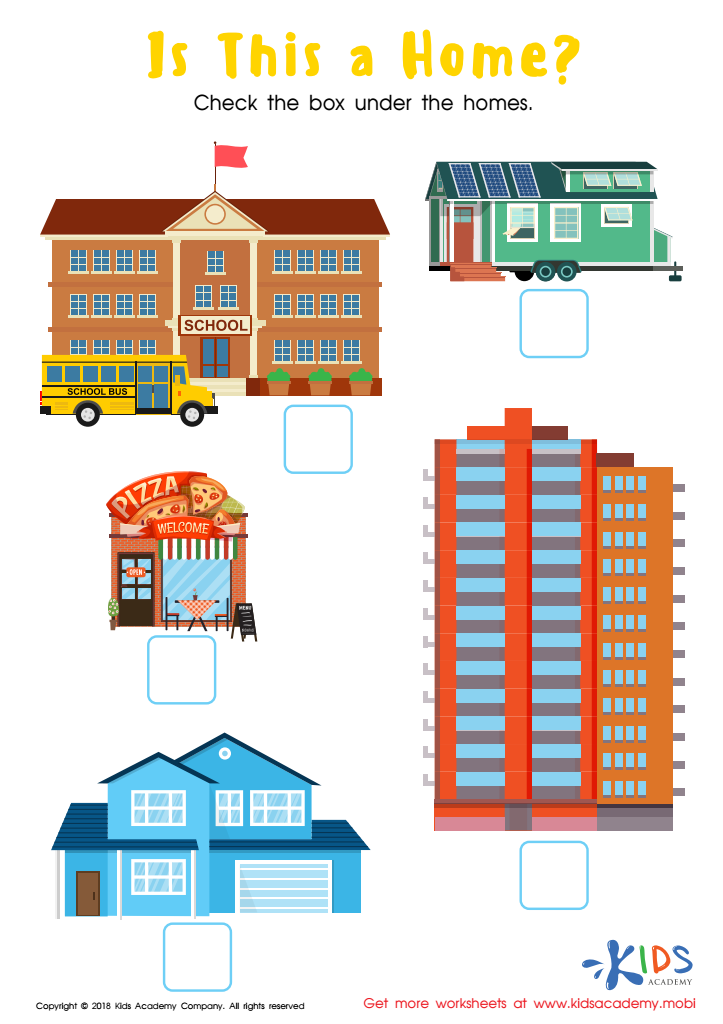
Is this a Home? Worksheet
 Assign to My Students
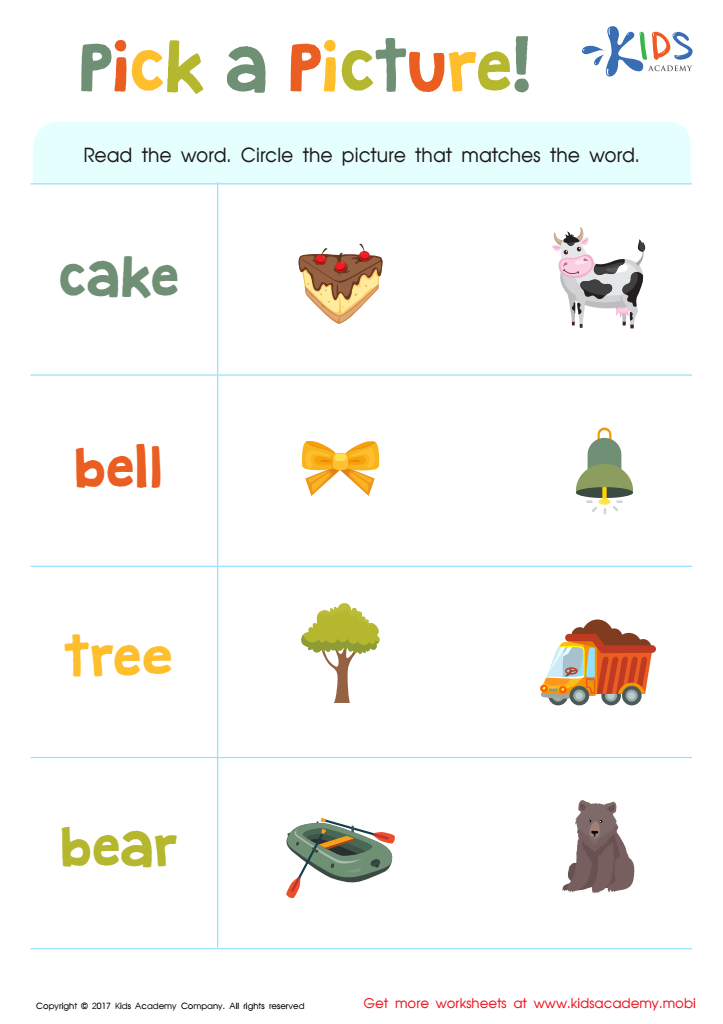
Pick a Picture Word Recognition Worksheet
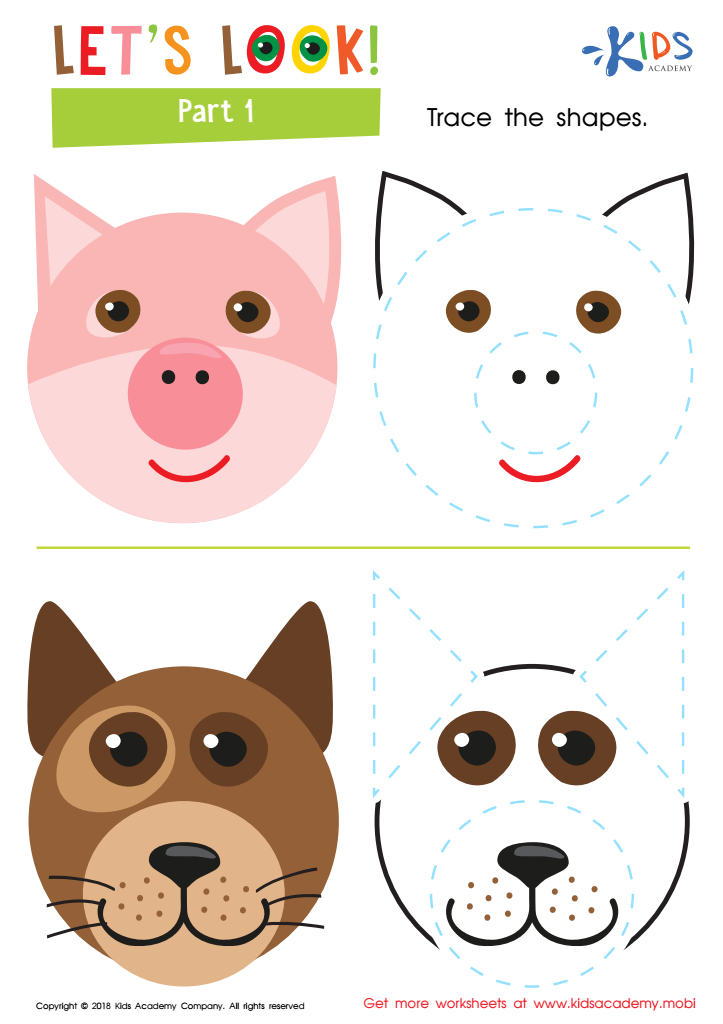
Let's Look! Part 1 Worksheet
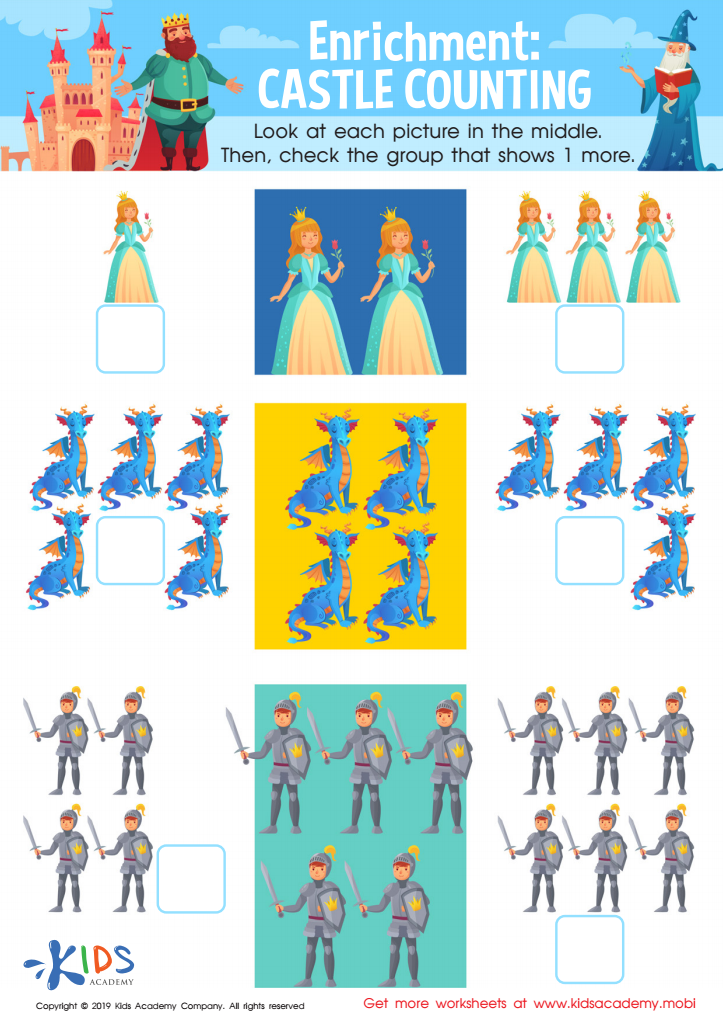
Enrichment: Castle Counting Worksheet
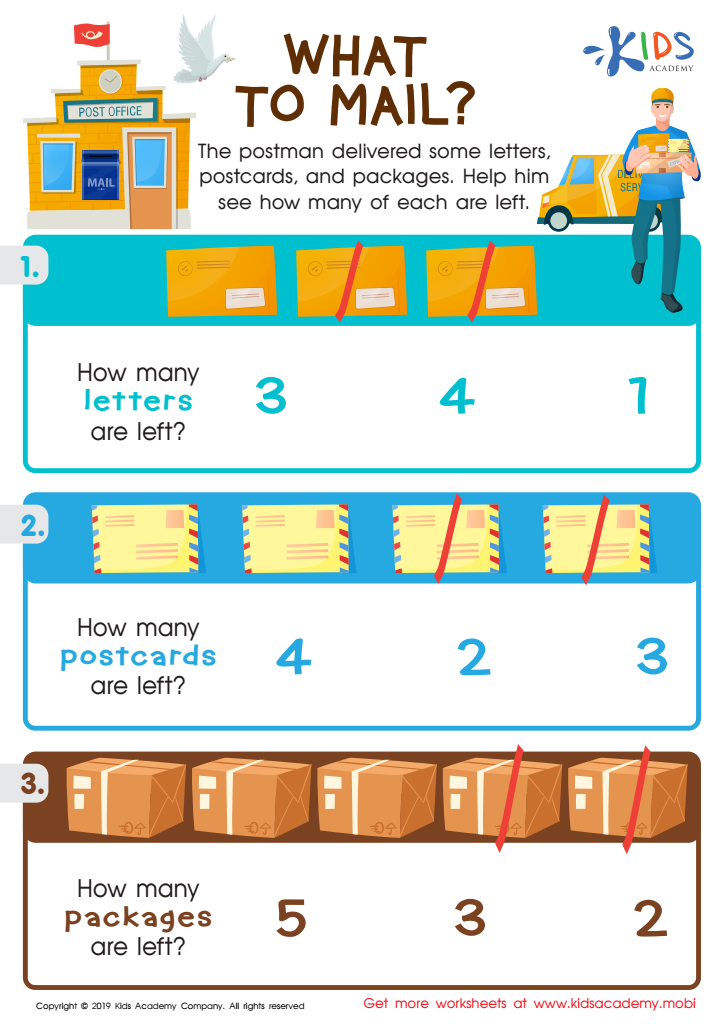
What to Mail? Worksheet


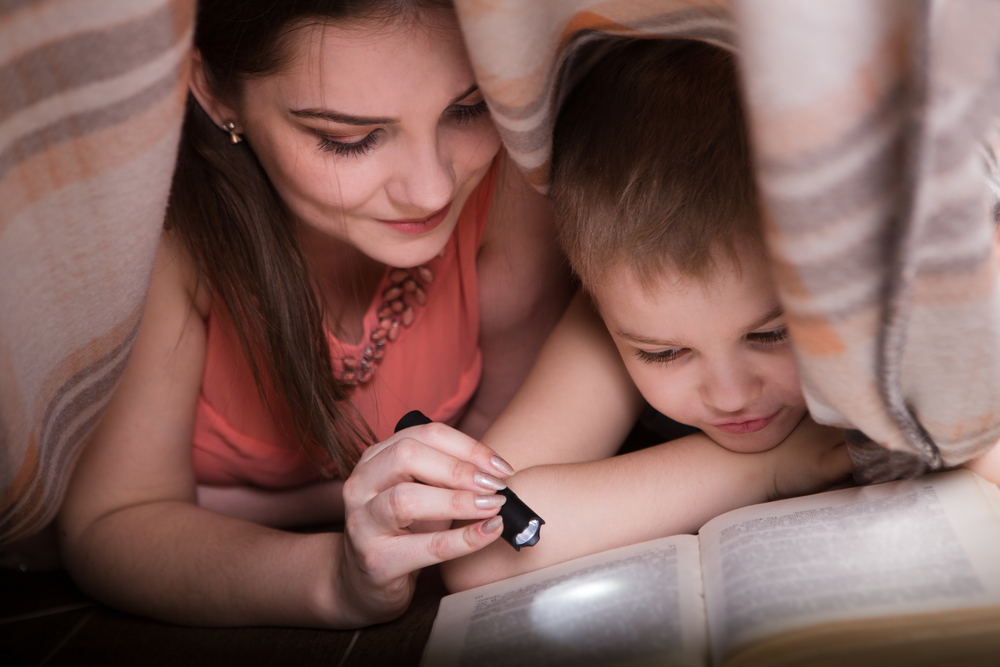
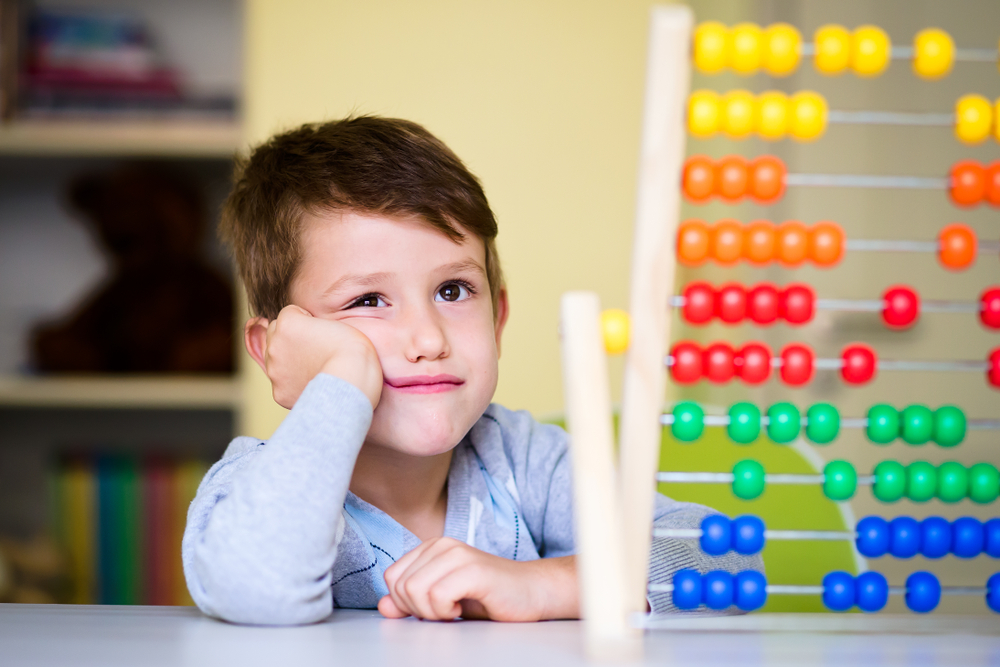
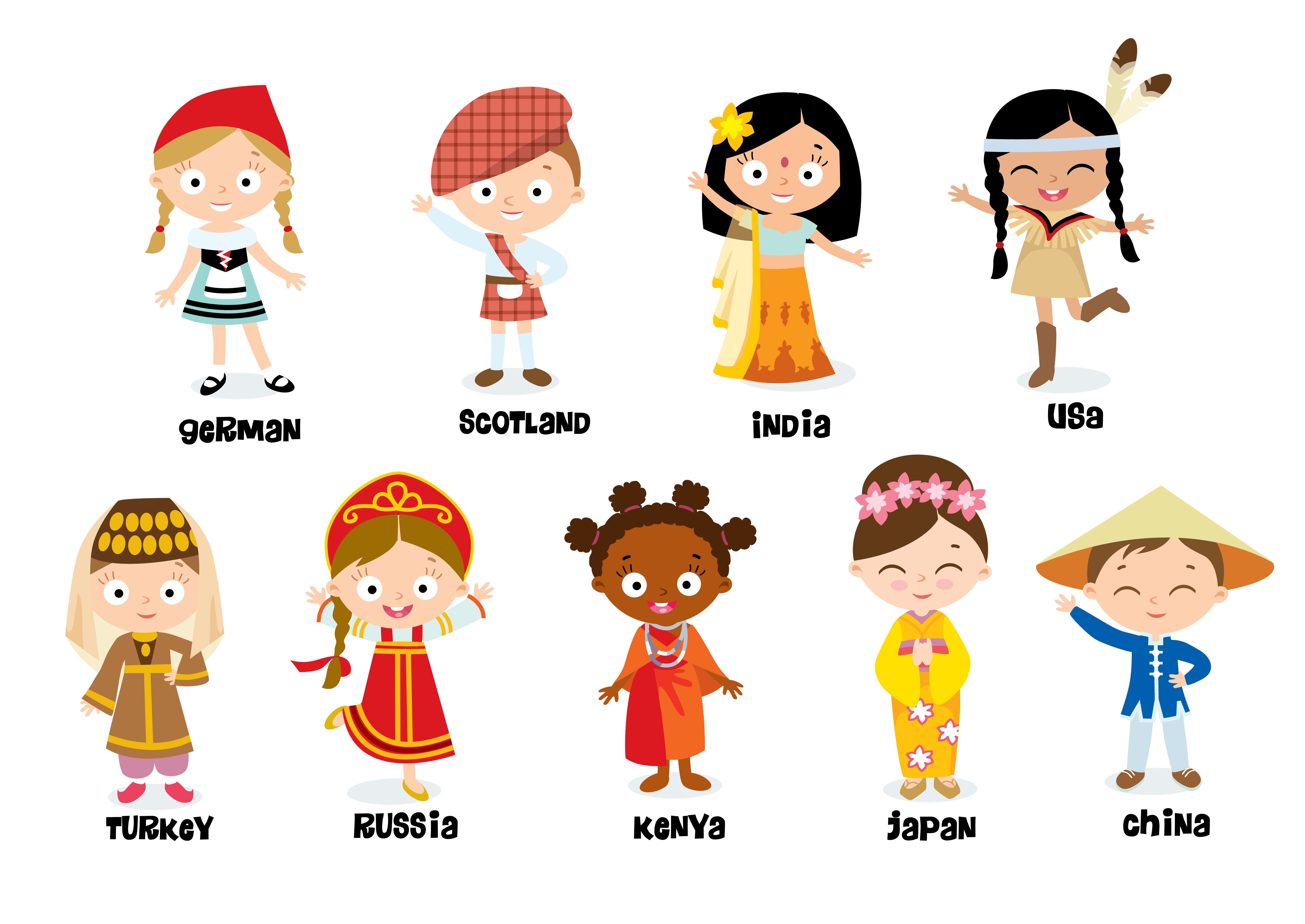



Identifying objects is a crucial developmental milestone for 3-year-olds, serving as a foundation for numerous cognitive and language skills. For parents and teachers, fostering this ability is essential for several reasons. First, it enhances vocabulary; as children learn to identify objects, they simultaneously learn the words associated with them, enriching their language development. This linguistic boost can significantly impact communication skills, allowing children to express their thoughts and needs more effectively.
Second, object identification nurtures critical thinking and categorization skills. When children learn to recognize and name different objects, they begin to understand the relationships between them, helping them develop foundational reasoning skills. This distinguishes making learned inferences, problem-solving, and understanding their surroundings.
Finally, identifying objects fosters confidence and independence. As children successfully name and categorize items, they gain a sense of achievement, promoting self-esteem and encouraging further exploration.
In sum, prioritizing object identification not only supports language growth and cognitive skills but also empowers children to interact more confidently with their environment. Investing time in this area lays the groundwork for continued success in school and social interactions, making it a vital focus for both parents and educators.








