Letter-sound correlation Worksheets for 3-Year-Olds
5 filtered results
-
From - To
Discover our engaging Letter-Sound Correlation Worksheets designed specifically for 3-year-olds! These interactive resources aid in developing early literacy skills by helping young learners connect letters with their corresponding sounds. Each worksheet is colorful and playful, making learning fun and enjoyable. With a variety of activities tailored for preschoolers, children will enhance their phonemic awareness while building a strong foundation for reading. Perfect for parents and educators, these worksheets promote cognitive development and ensure kids are well-prepared for future academic success. Download now to boost your child's early learning journey with our engaging and effective activities!
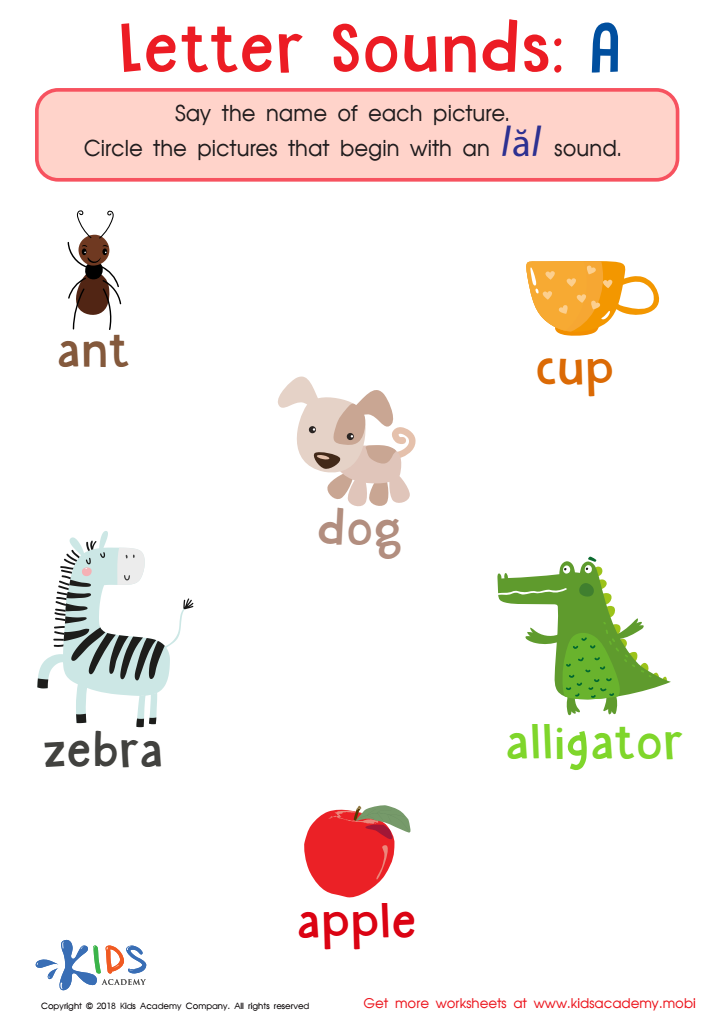
Letter A Sounds Worksheet
 Assign to My Students
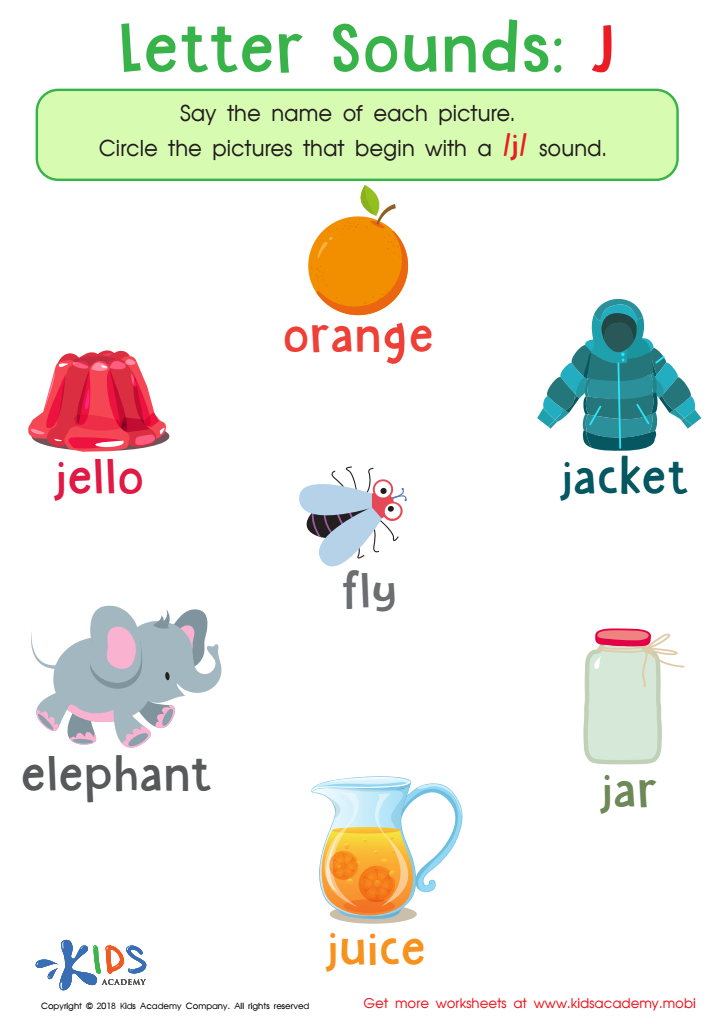
Letter Sounds: J Printable Worksheet
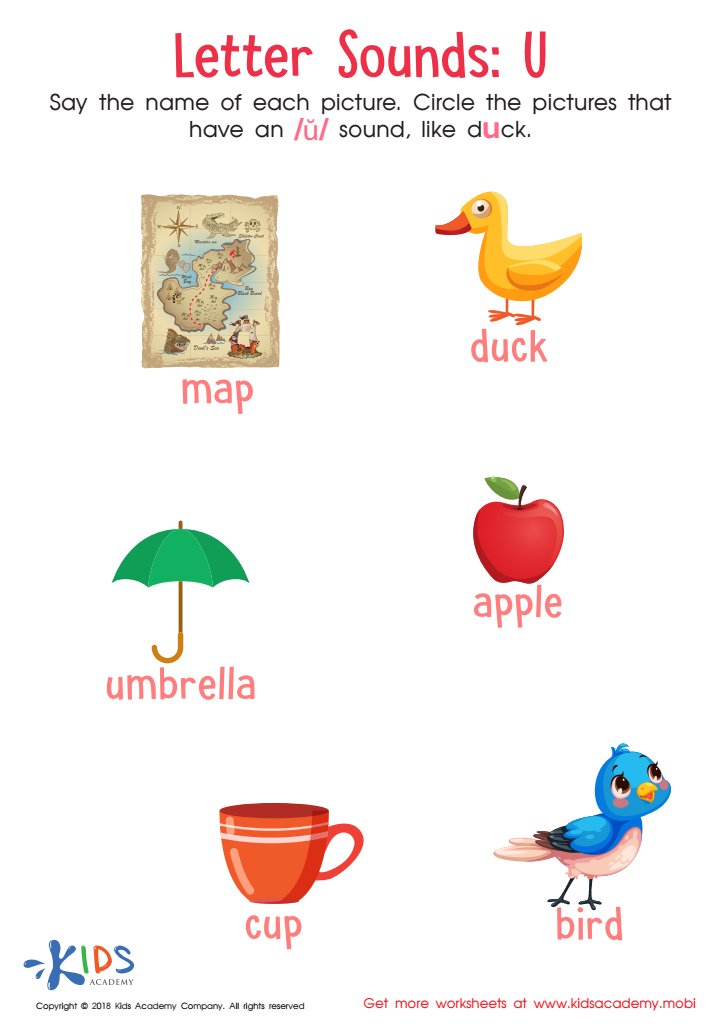
Letter U Sounds Worksheet
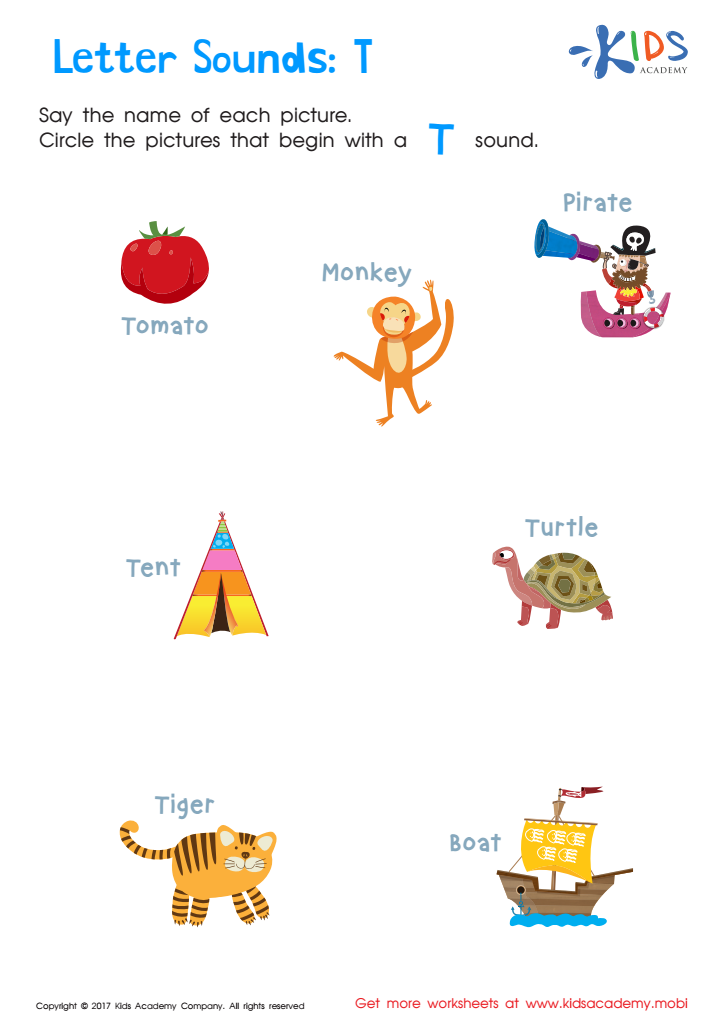
Letter T Sounds Worksheet
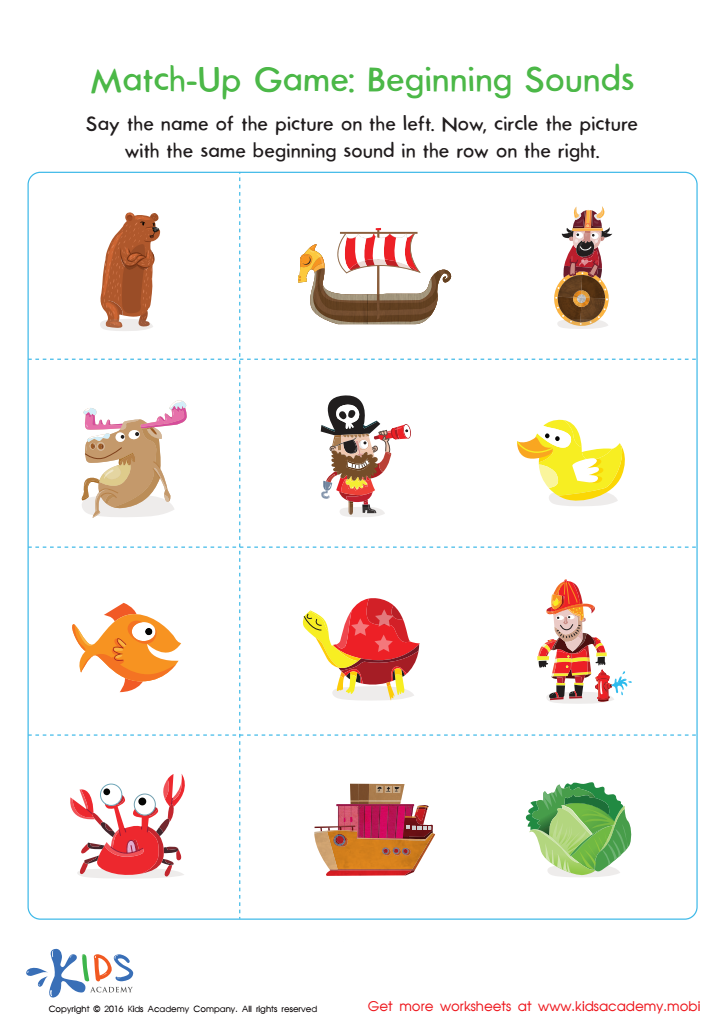
Match–Up Game: Beginning Sounds Worksheet








Understanding letter-sound correlation, or phonemic awareness, is crucial for 3-year-olds as it lays the foundation for their literacy development. At this age, children are naturally curious and eager to explore language, making it a prime time to introduce them to the sounds that correspond with letters. This foundational skill helps children decode words, facilitating their reading and writing skills as they progress through early education.
For parents and teachers, fostering a strong understanding of letter-sound relationships can significantly boost a child’s confidence and interest in reading. Engaging activities such as singing alphabet songs, playing rhyming games, and reading aloud can make learning enjoyable while reinforcing these critical skills.
Moreover, studies show that early exposure to phonemic awareness correlates with later academic success. When children can identify the sounds associated with letters, they are more likely to develop a love for reading and a solid grasp of written language. By prioritizing letter-sound correlation, parents and teachers contribute not only to children’s immediate literacy capabilities but also to their long-term educational journeys, instilling a love of learning that can last a lifetime.








