
Letter Tracing Practice Worksheets for 3-Year-Olds
7 filtered results
Difficulty Level
Grade
Age
-
From - To
Subject
Activity
Standards
Welcome to our engaging Letter Tracing Practice Worksheets designed specifically for 3-year-olds! These worksheets provide a fun and interactive way for young learners to develop essential pre-writing skills and letter recognition. Each worksheet features large, easy-to-trace letters paired with vibrant illustrations to keep your child engaged. As they trace each letter, children enhance their motor skills and gain confidence in their writing abilities. Perfect for home or classroom use, our printable worksheets offer a simple yet effective approach to early literacy. Start your child's educational journey today with these delightful letter tracing activities!
Favorites
With answer key
Interactive
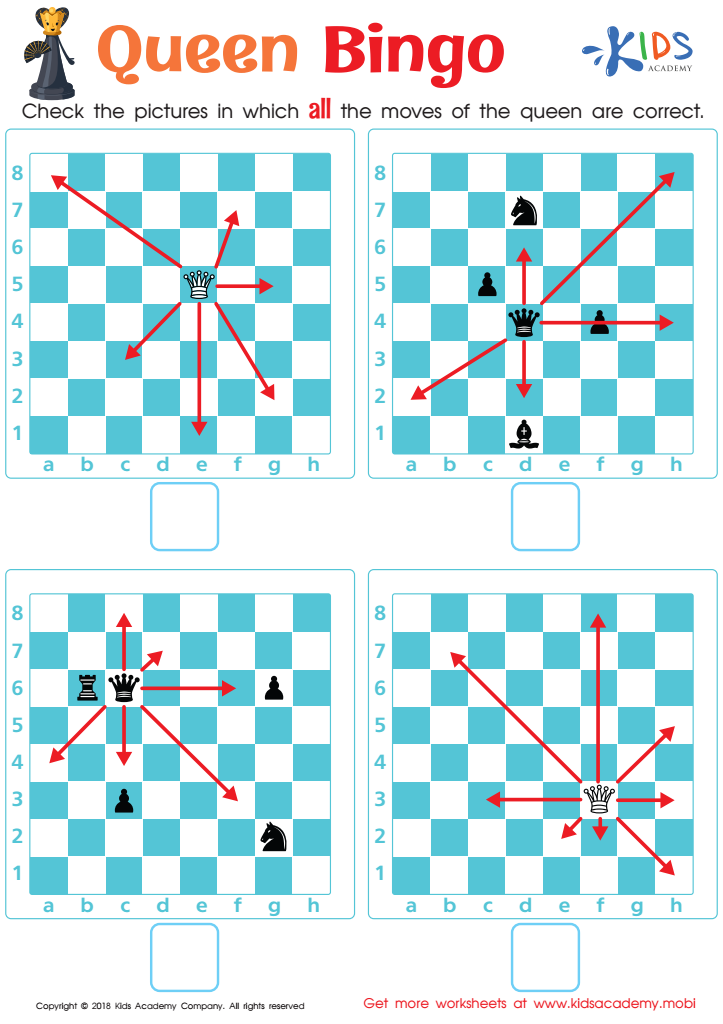
Queen Bingo Worksheet
Test your child's knowledge of chess rules and moves with this free worksheet! Kids look at four pictures and must decide if the queen moves are correct. This exercise helps hone your little one's chess skills!
Queen Bingo Worksheet
Worksheet
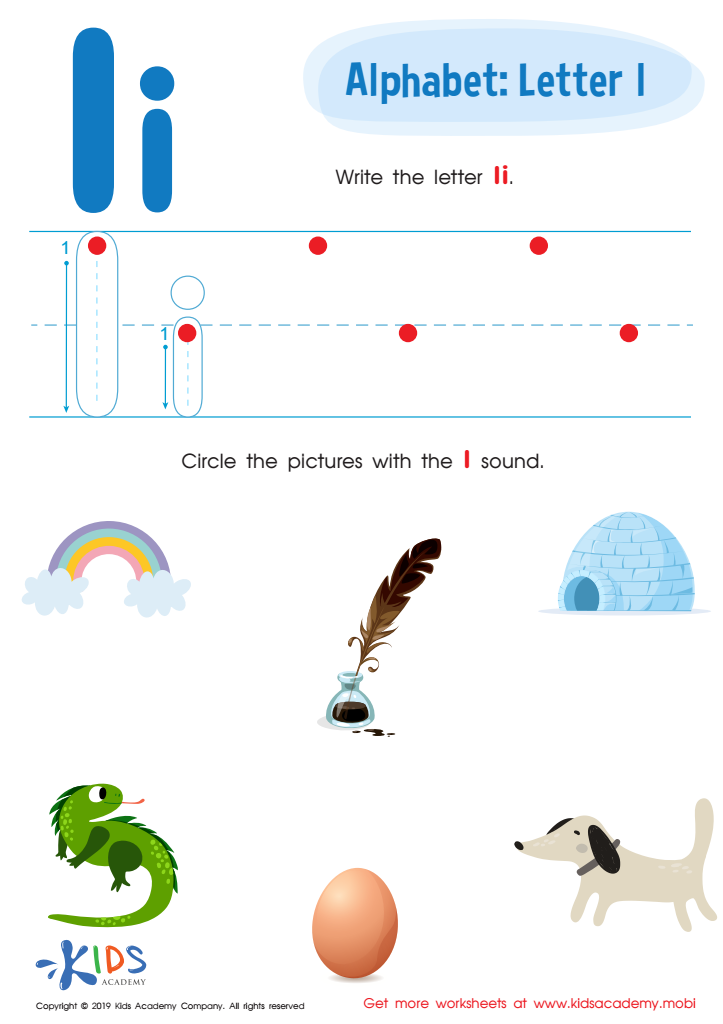
Letter I Tracing Worksheet
Kids can hone tracing, writing and identifying skills for the letter 'I' with this worksheet. Whether visual or reading/writing learners, every child can benefit from the tasks - tracing, writing and circling objects beginning with 'I'. This free sheet will soon get preschoolers confident with the 'I' letter!
Letter I Tracing Worksheet
Worksheet
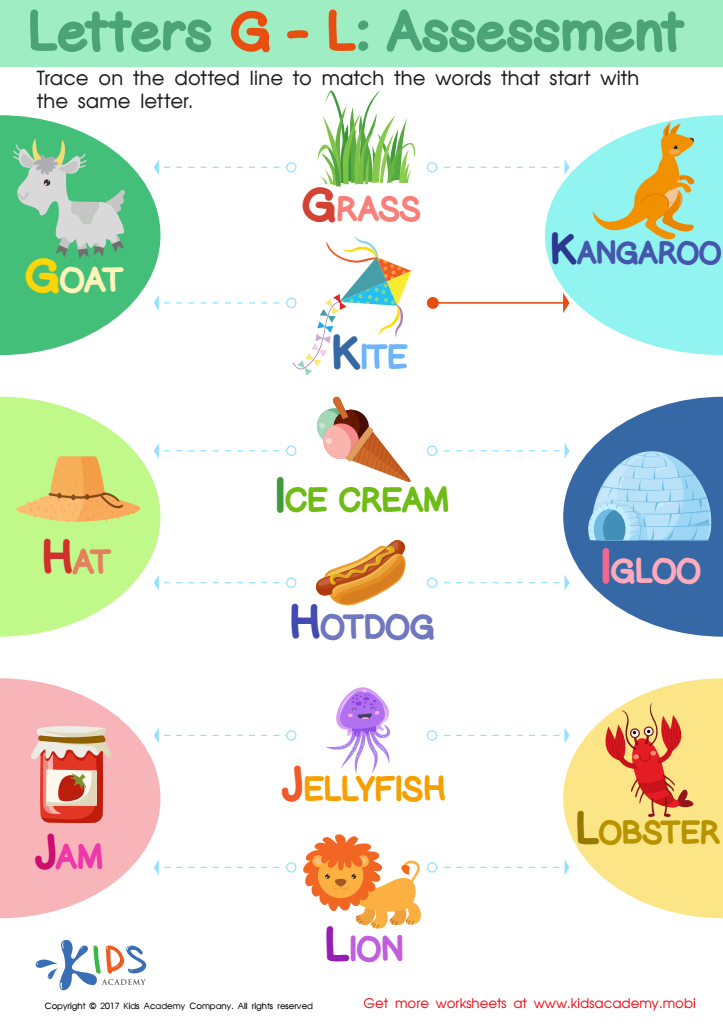
Letters G-L Worksheet
This fun worksheet helps preschoolers develop reading and phonics skills. It gets kids to match G-L words that start with the same letter, making it engaging and educational.
Letters G-L Worksheet
Worksheet
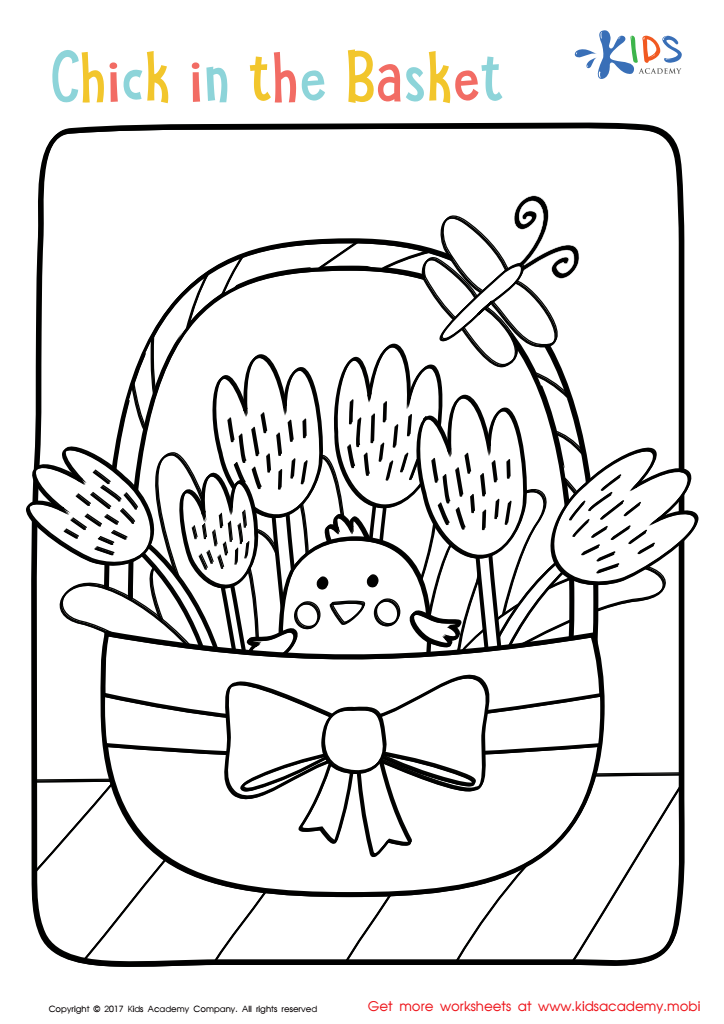
Easter: Chick in the Basket Worksheet
Kids love Easter morning when they wake up to a basket full of goodies! Let them get creative and learn something new with this Easter chick coloring page! It's perfect to use while they wait for the Easter bunny, and talk about the symbolism of chicks and baskets. They'll have fun learning and creating a wonderful image to decorate!
Download (PDF)
 Assign to My Students
Assign to My Students
Easter: Chick in the Basket Worksheet
Worksheet
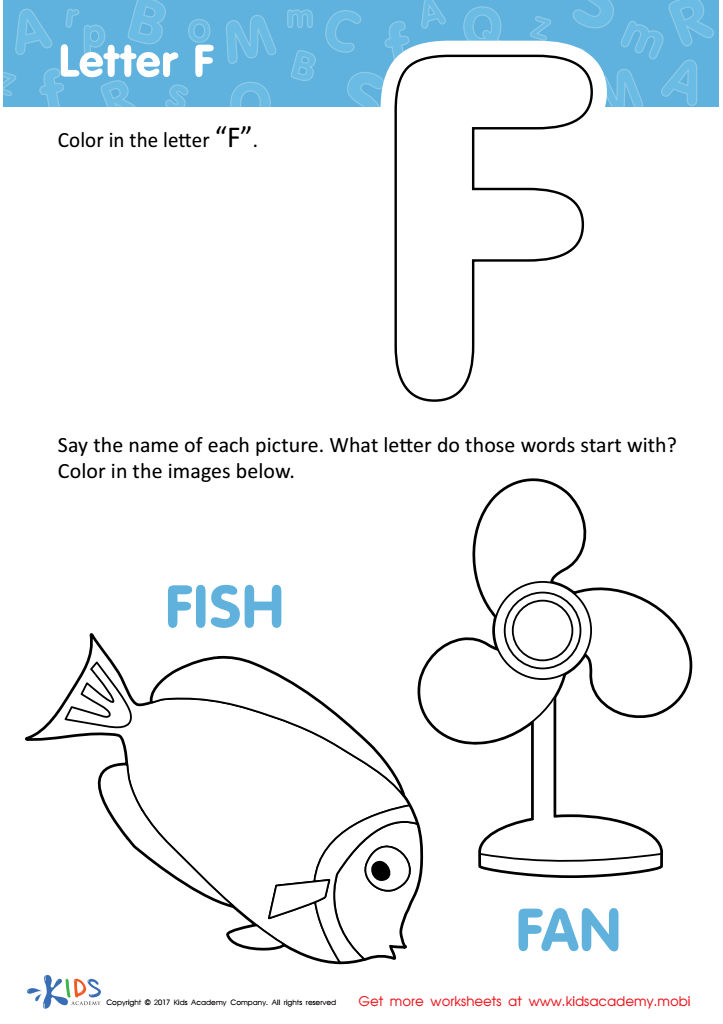
Letter F Coloring Sheet
Coloring pages help kids learn to recognize letters and sounds. Our "F" page has kids color a fish and a fan. It's a great way to introduce them to the letter "F" using words they already know.
Download (PDF)
Assign to My Students
Assign to My Students
Letter F Coloring Sheet
Worksheet
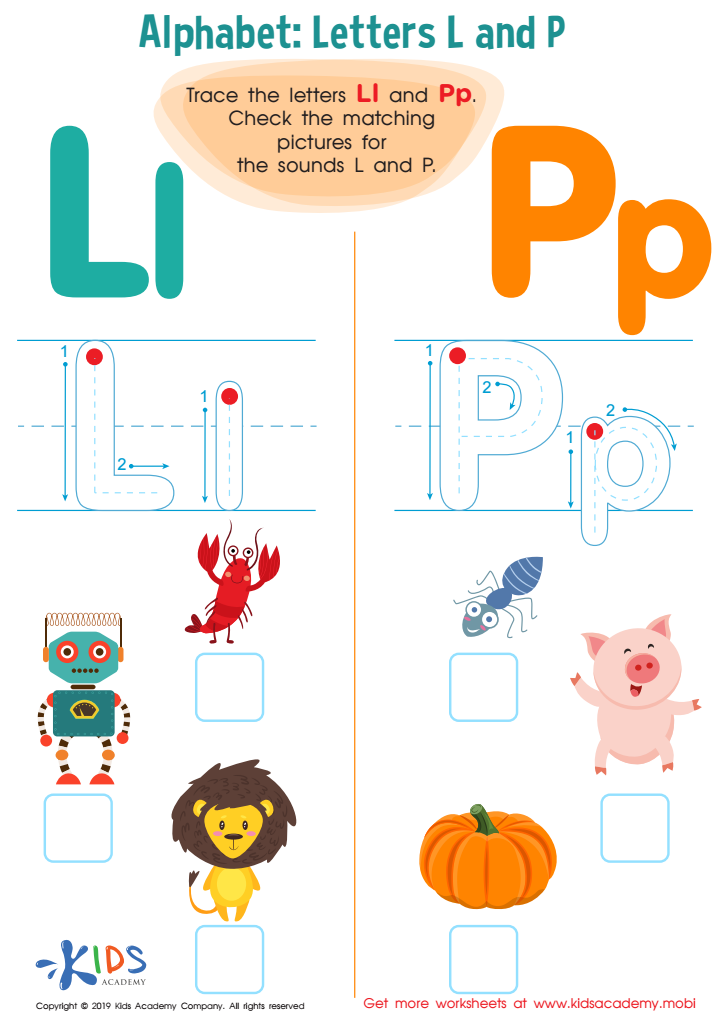
Letter L and P Tracing Worksheet
This traceable worksheet can motivate your students to learn and practice core skills. They'll trace the letters 'L' and 'P' and identify the pictures next to them. With this exercise, they'll unlock their learning abilities and excel in the subject!
Letter L and P Tracing Worksheet
Worksheet
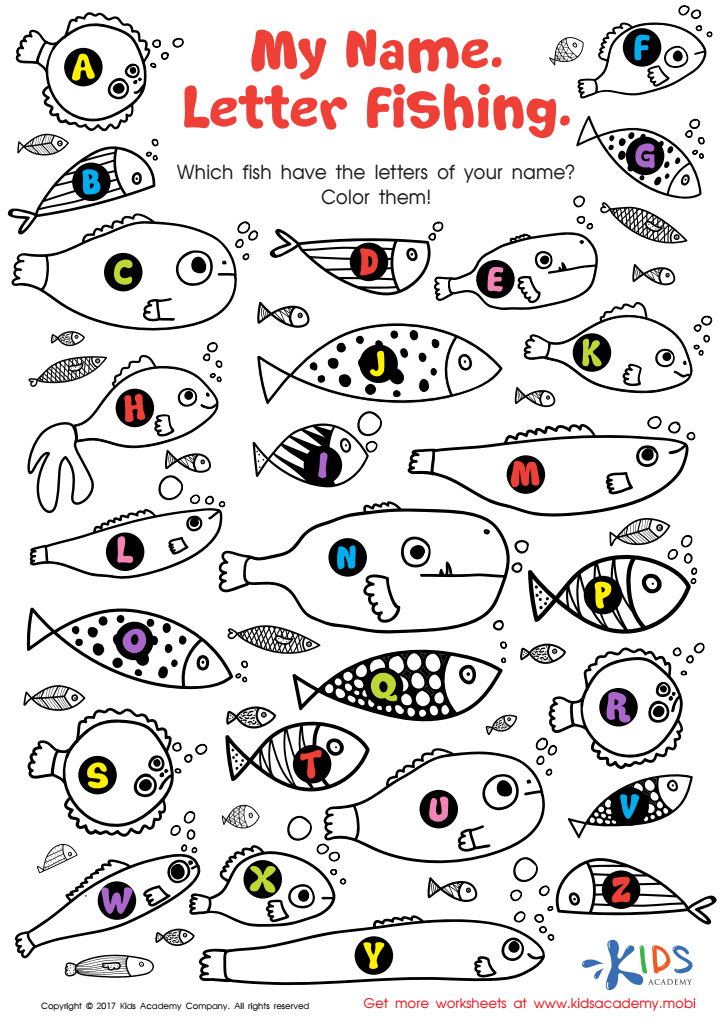
My Name: Letter Fishing Worksheet
Dive into the deep sea and search for fish with a letter on them. Can you find all the letters from your name? Color your favorite fish with crayons and be creative! On the other side, use the letters you found to write your name. Have fun coloring and finding the letters of your name! (80 words)
Download (PDF)
Assign to My Students
Assign to My Students
My Name: Letter Fishing Worksheet
Worksheet
Join Kids Academy for Free
Who is primarily going to use this learning content?







Letter tracing practice is essential for 3-year-olds as it lays a strong foundation for early literacy skills. At this age, children are developing fine motor skills, which are crucial for writing. Tracing letters helps strengthen the small muscles in their hands and fingers, promoting better control and coordination, necessary for future writing tasks.
Moreover, engaging in letter tracing allows young children to familiarize themselves with the alphabet's shapes and sounds. It connects visual recognition with tactile movement, enhancing memory retention. This multisensory approach to learning not only aids in letter recognition but also ignites early phonetic awareness, crucial for developing reading skills later on.
In addition, letter tracing activities can foster a child's concentration and patience, qualities beneficial for various aspects of learning. It also offers an opportunity for bonding time between parents/teachers and children, promoting a positive attitude toward learning.
Involving children in letter tracing through fun and engaging activities can make learning enjoyable and boost their self-confidence, essential for academic success. Therefore, prioritizing letter tracing practice is critical for parents and teachers invested in nurturing a child’s foundational literacy and motor skills.








