Logical reasoning skills Worksheets for 3-Year-Olds
3 filtered results
-
From - To
Boost your child's critical thinking with our "Logical Reasoning Skills Worksheets for 3-Year-Olds" from Kids Academy. Designed to nurture early cognitive development, these fun and engaging worksheets encourage toddlers to explore patterns, shapes, and sequences. Each activity is crafted to spark curiosity and improve problem-solving abilities. By incorporating play into learning, children develop essential skills that form the foundation for future academic success. Perfect for parents and educators, these printable resources provide an enjoyable way for 3-year-olds to enhance their logical reasoning at home or in the classroom. Start empowering your child's learning journey today!
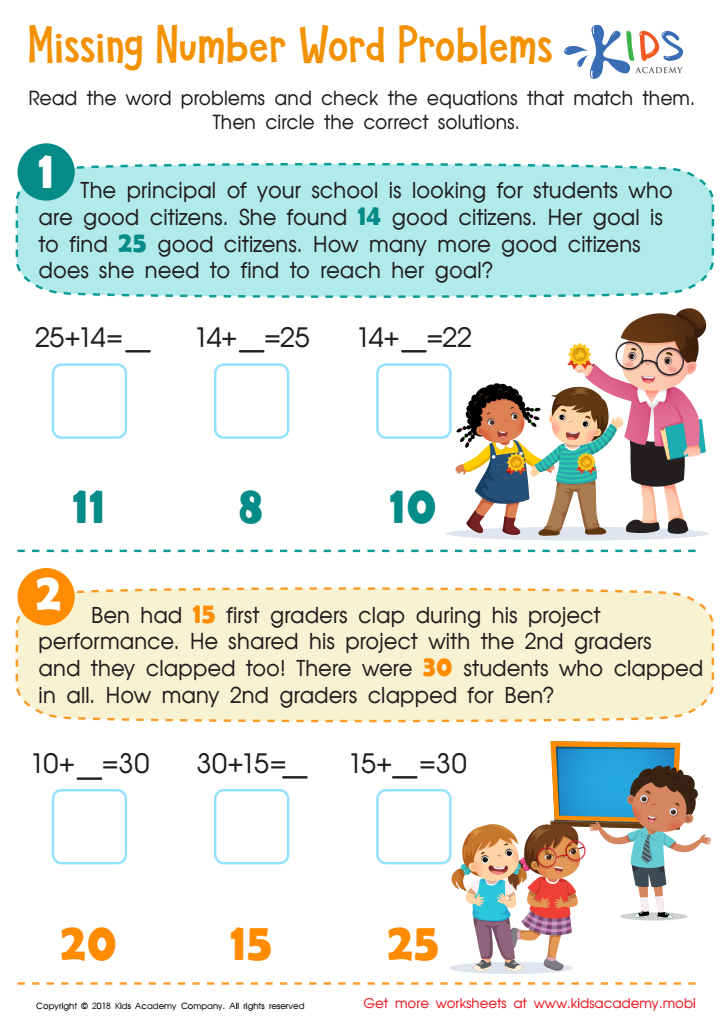
Missing Number Word Problems Worksheet
 Assign to My Students
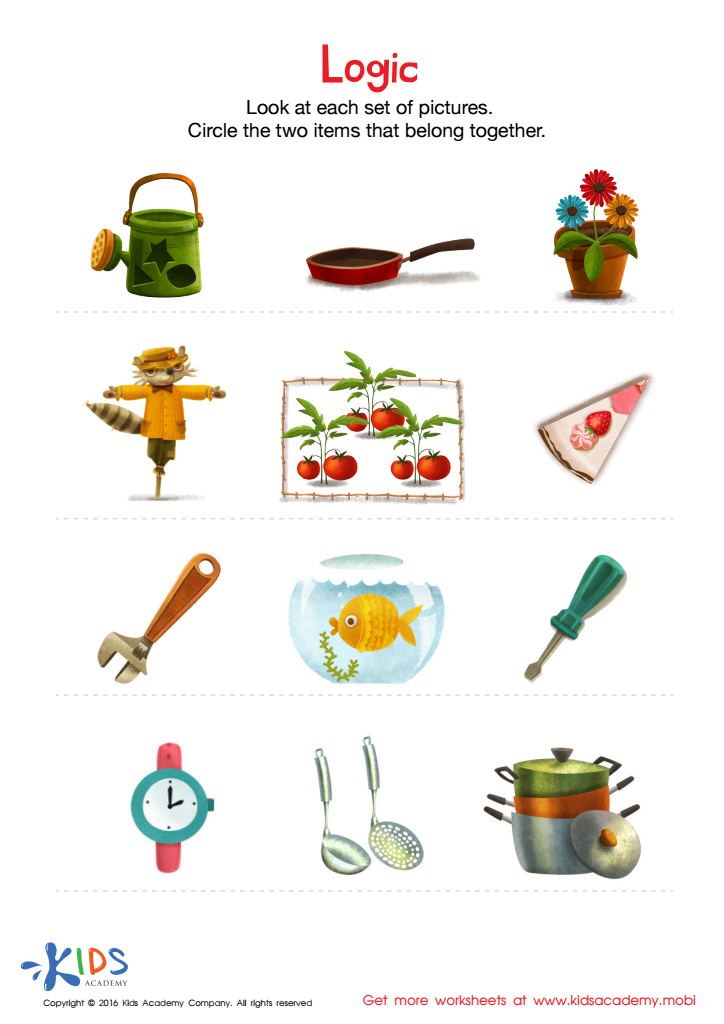
Logic Game Sorting Worksheet

Sudoku Worksheet








Logical reasoning skills in 3-year-olds are foundational to their cognitive development and future learning success, making them crucial for parents and teachers to nurture. At this age, children are constantly exploring their environments, and logical reasoning helps them to make sense of what they see, hear, and experience. By encouraging logical thought processes, we help them develop essential life skills that form the basis for problem-solving, decision-making, and independent thinking.
Logical reasoning enables young children to understand cause and effect, recognize patterns, and connect ideas. For instance, when a child sorts blocks by color or shapes, they practice categorizing and sequencing, activating parts of the brain related to mathematics and analytical thinking. These activities foster a curiosity-driven mindset and boost confidence in their cognitive abilities.
Furthermore, strengthening reasoning skills early on supports emotional regulation and social interactions. Kids learn to predict outcomes, understand others' perspectives, and communicate their thoughts clearly. Parents and teachers play a pivotal role in shaping these abilities by providing a stimulating environment, engaging in conversations, and offering varied, age-appropriate challenges.
Investment in logical reasoning at a young age results in better academic performance, enhanced creative thinking, and improved adaptability to complex life situations, laying the groundwork for lifelong learning and success.








