Phonics recognition Worksheets for 3-Year-Olds
5 filtered results
-
From - To
Unlock your child's potential with engaging Phonics Recognition Worksheets designed for 3-year-olds! Our worksheets focus on foundational literacy skills, helping young learners recognize letters, sounds, and patterns in a fun, interactive way. Each worksheet is tailored to spark curiosity and support early reading skills through colorful illustrations and age-appropriate activities. As children trace letters and match sounds to images, they build essential phonemic awareness that lays the groundwork for reading and writing. Perfect for home or preschool use, these worksheets will make learning phonics enjoyable and effective. Explore our resources today and watch your child thrive in their literacy journey!
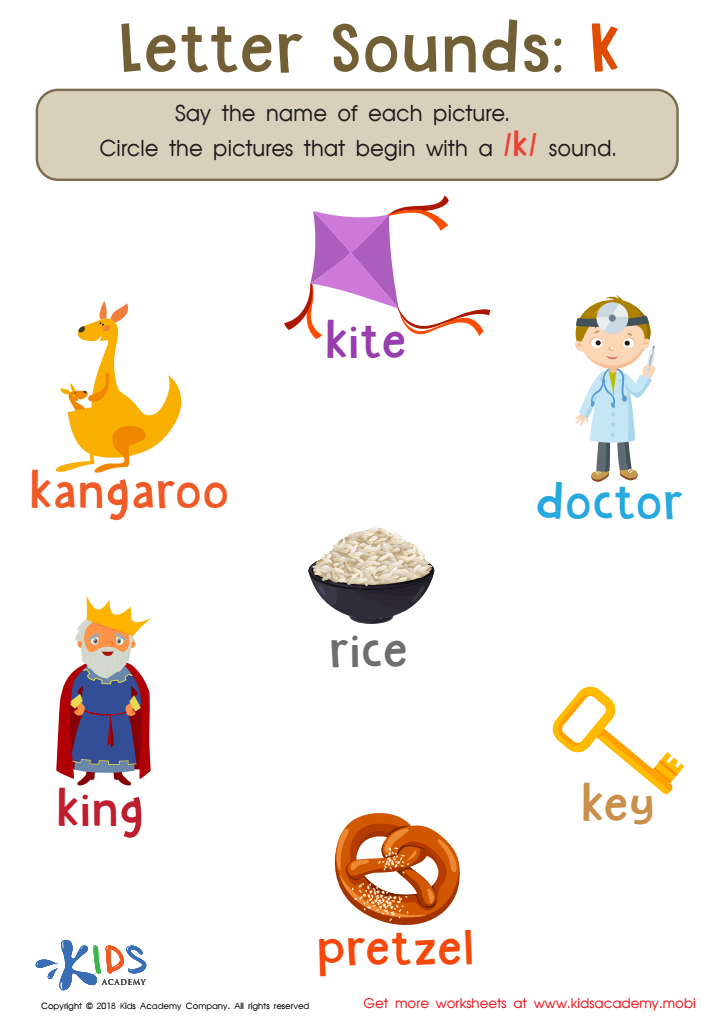
Letter K Sounds Worksheet
 Assign to My Students
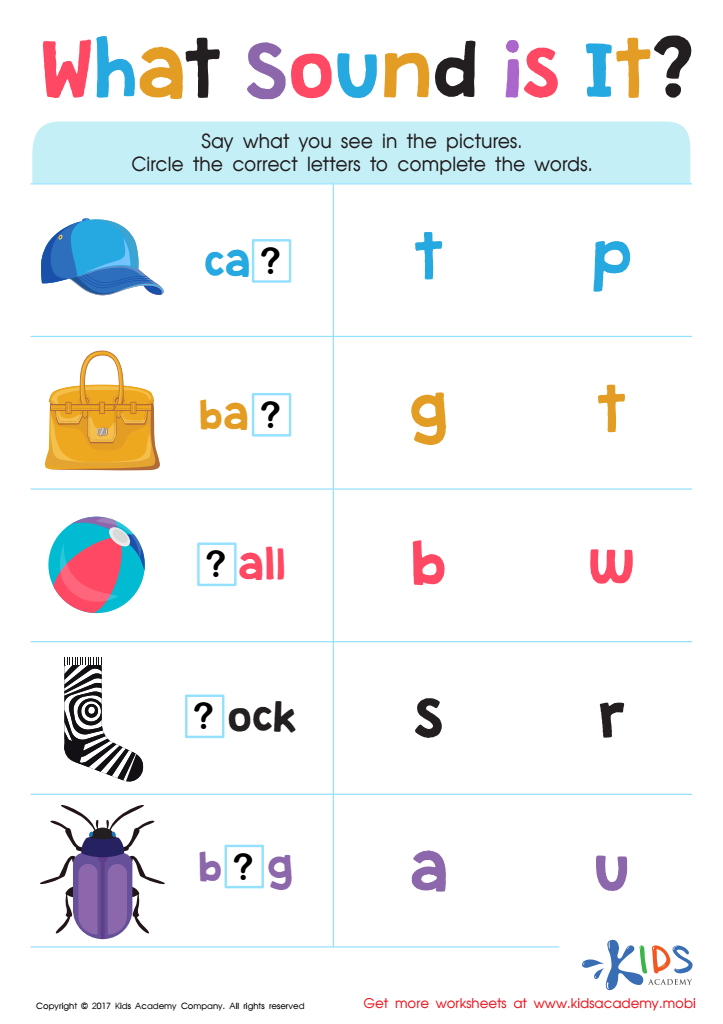
What Sound Is it? Worksheet
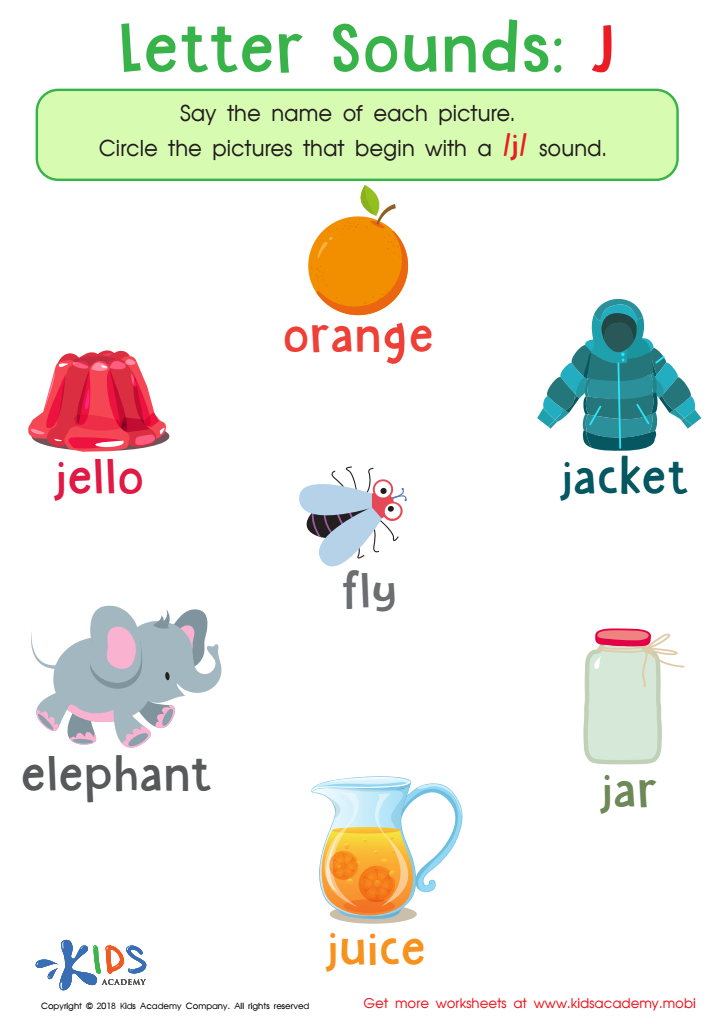
Letter Sounds: J Printable Worksheet
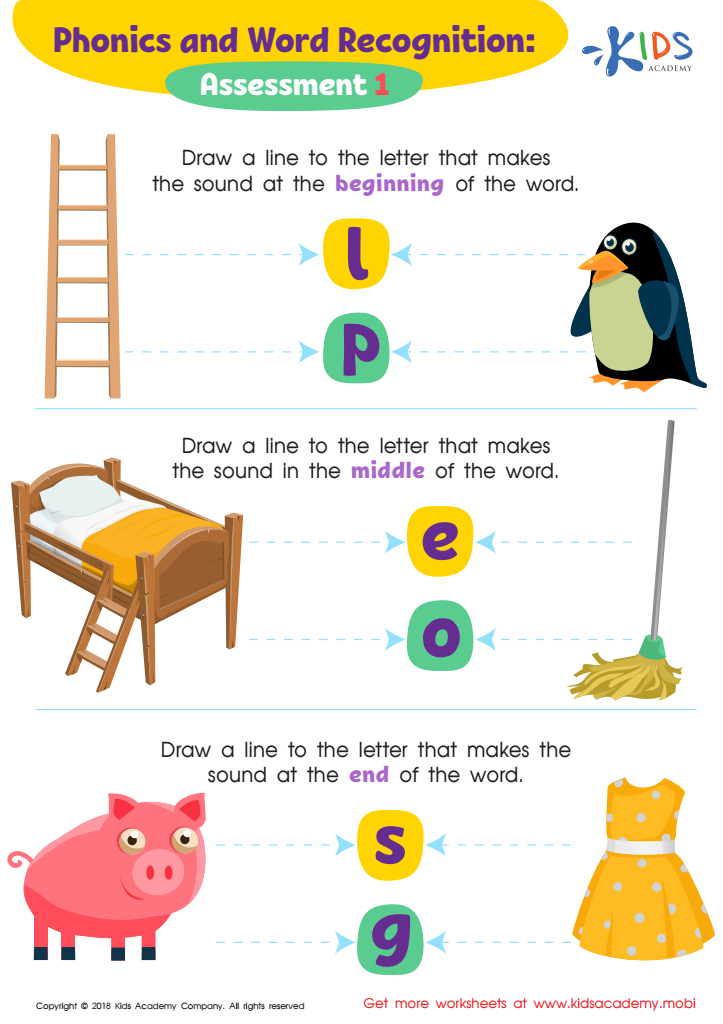
Phonics and Word Recognition: Assessment 1 ELA Worksheet
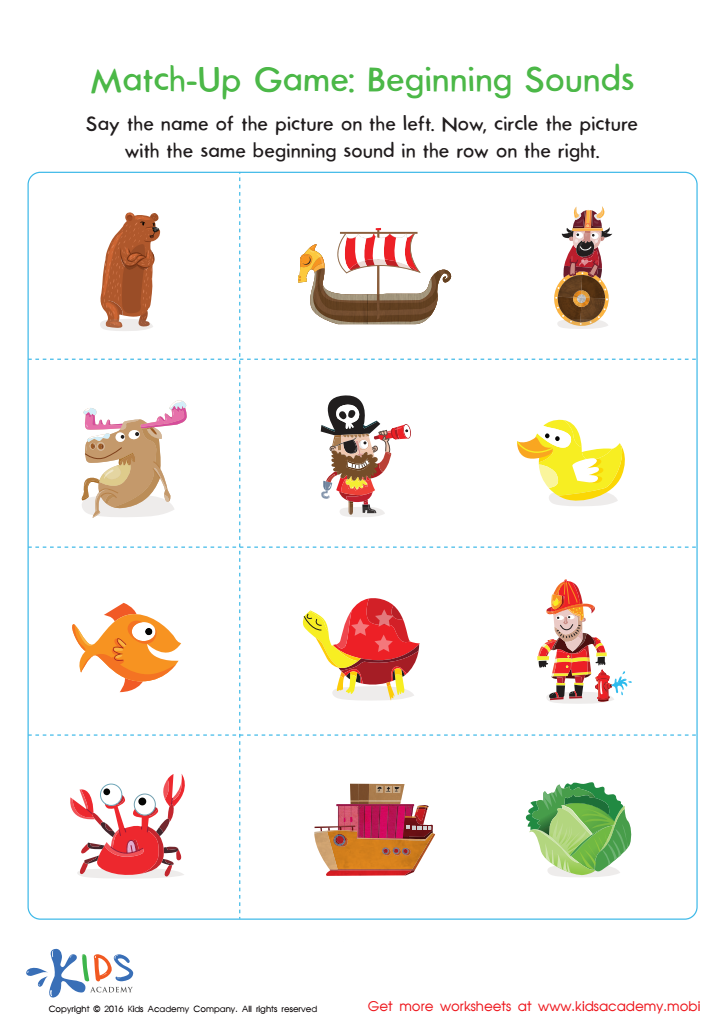
Match–Up Game: Beginning Sounds Worksheet





.jpg)
Phonics recognition is a crucial foundational skill for young children, especially as early as three years old. At this stage, children are developing their language skills and phonemic awareness, which are essential for later reading and writing abilities. By introducing phonics, parents and teachers can foster an understanding of the relationship between letters and their corresponding sounds, which is fundamental for decoding words.
Engaging children in phonics helps improve their listening and speaking skills, enabling them to articulate thoughts and ideas more effectively. It also promotes early literacy by encouraging them to explore books, enriching their vocabulary and comprehension. This recognition not only prepares children for formal reading instruction later, but it also boosts their confidence and social interactions as they begin to connect sounds with letters in a meaningful way.
Moreover, research shows that early intervention in phonics can significantly decrease the likelihood of reading difficulties in later grades, setting the stage for academic success. By caring about phonics recognition, parents and teachers play a vital role in cultivating a love for reading and laying the groundwork for lifelong learning. Overall, early exposure to phonics equips children with essential tools to thrive in their educational journeys.








