Story comprehension Worksheets for 3-Year-Olds
7 filtered results
-
From - To
Enhance your 3-year-old's storytelling skills with our engaging story comprehension worksheets! Designed specifically for young learners, these worksheets introduce fun narratives that spark imagination and foster a love for reading. Each activity helps develop essential skills such as listening attentively, recalling details, and sequencing events. Our colorful illustrations and interactive prompts encourage children to connect with stories while improving their vocabulary and critical thinking. Parents and educators alike will find these resources invaluable for boosting comprehension and promoting early literacy. Explore our collection and watch your child thrive in understanding stories through play-based learning!
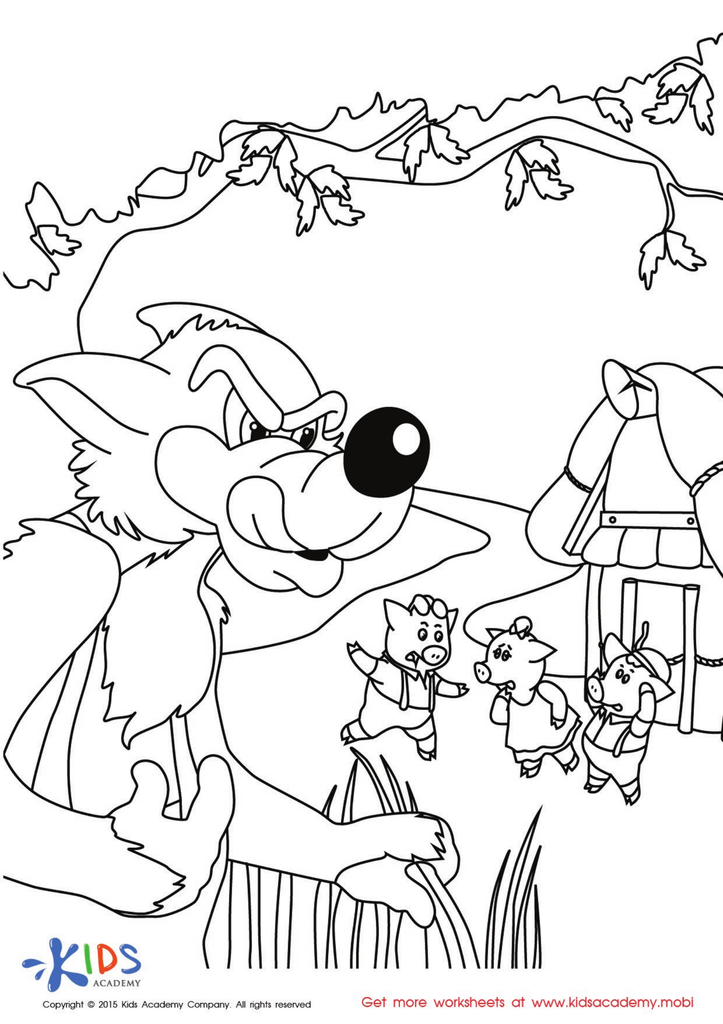
The Story of the Three Little Pigs Coloring Worksheet
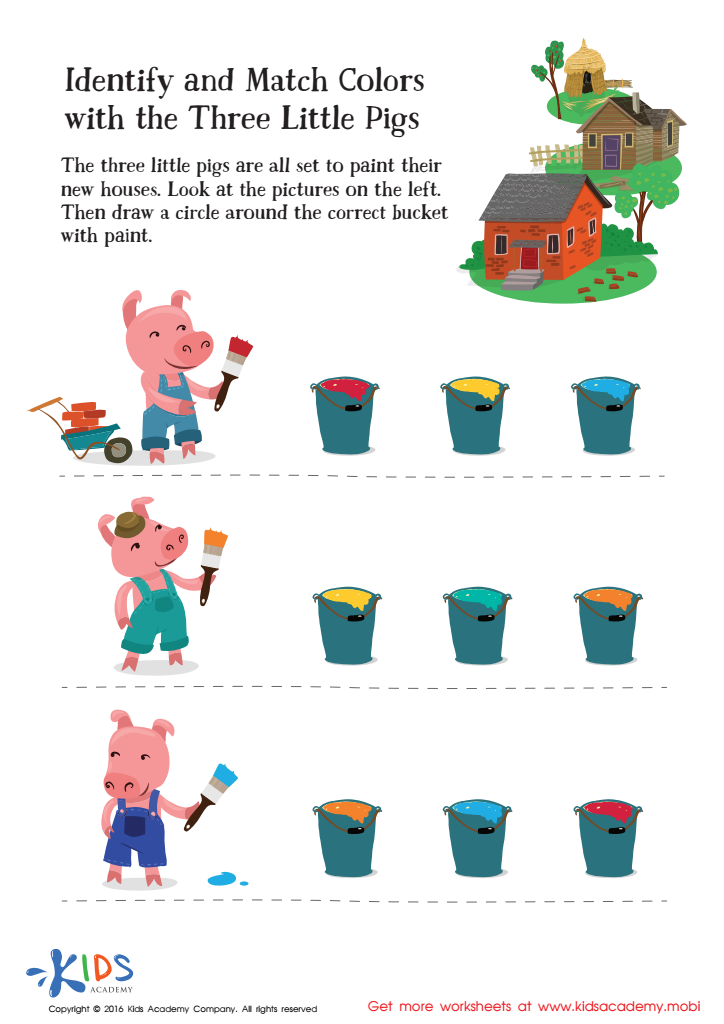
Fairy Tale Worksheet: Identify and Match Colors with Three Little Pigs
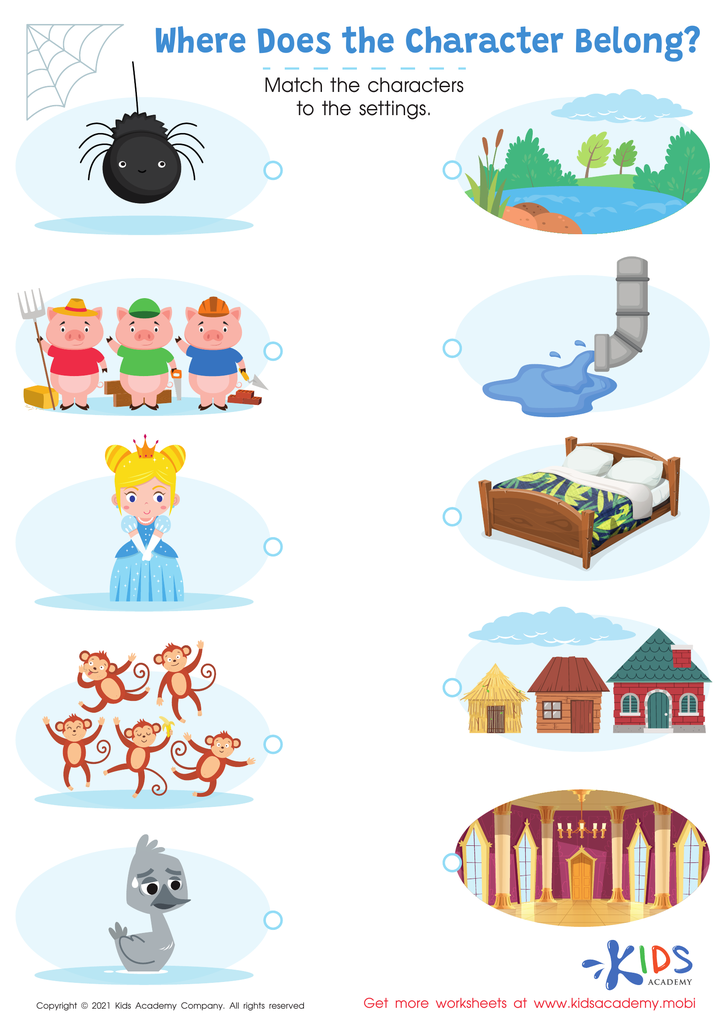
Where Does the Character Belong? Worksheet
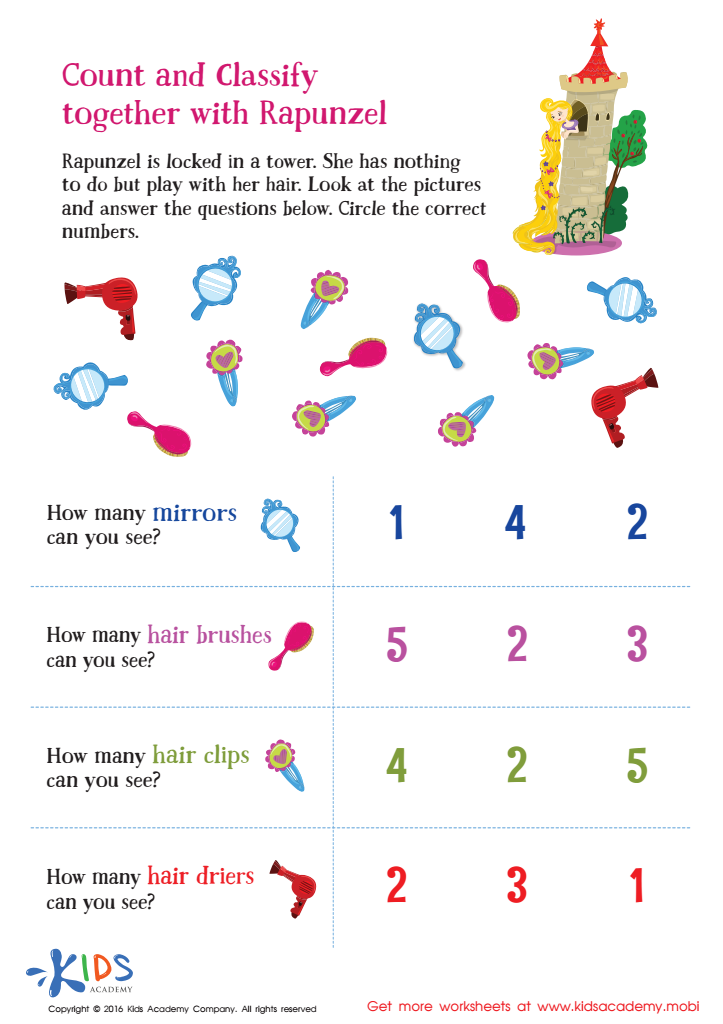
Fairy Tale Worksheet: Count and Classify with Rapunzel
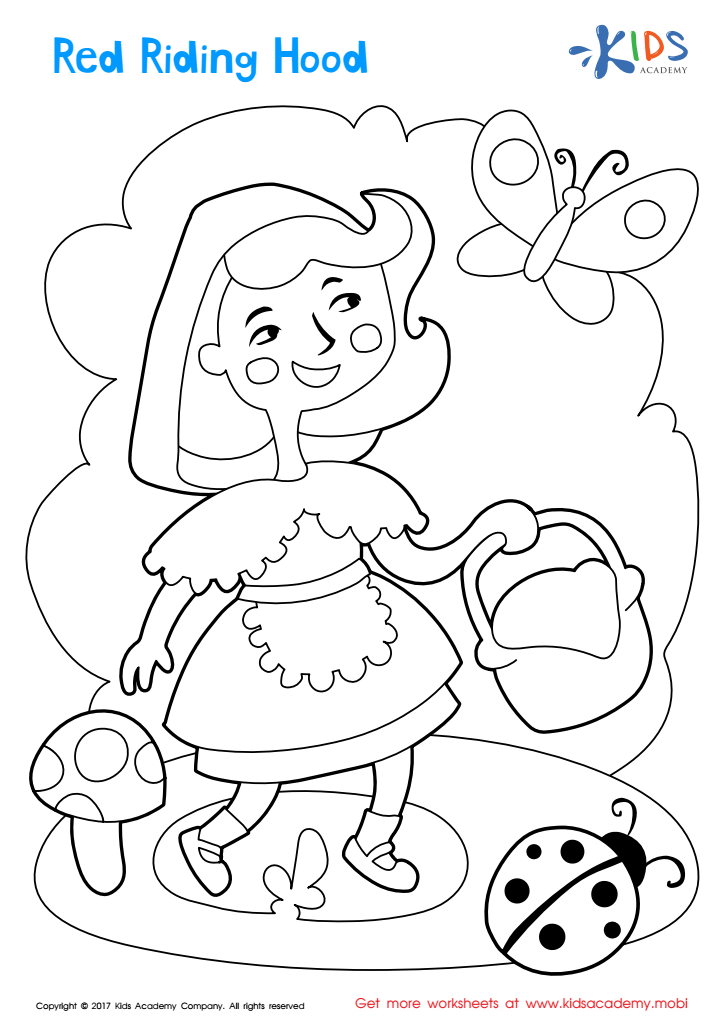
Red Riding Hood Coloring Page
 Assign to My Students
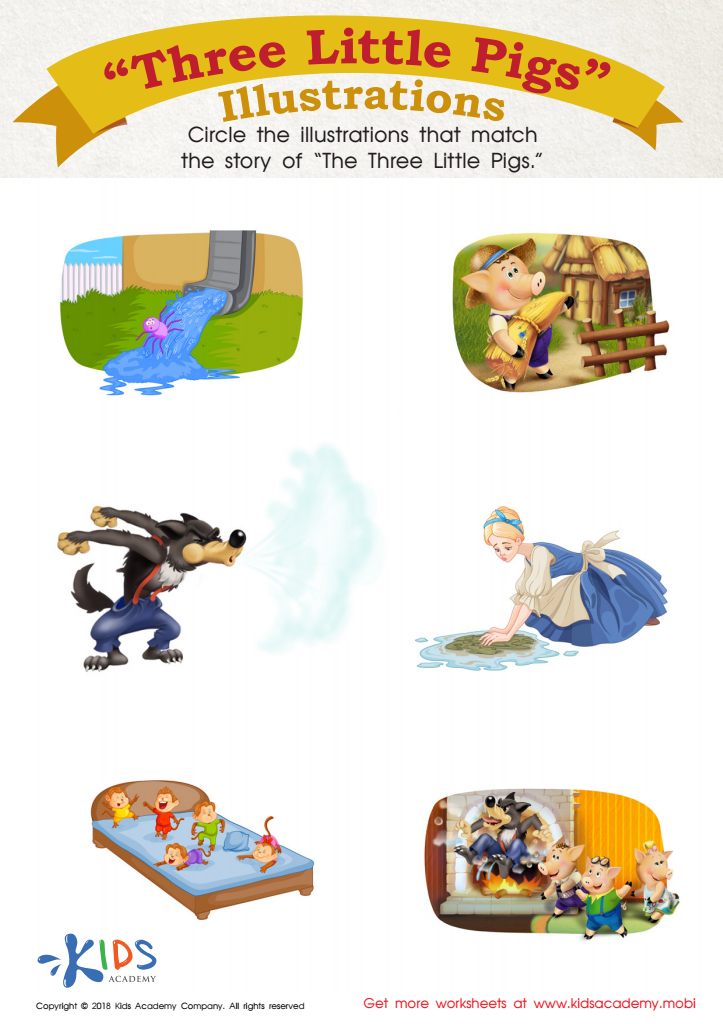
Three Little Pigs: Illustrations Worksheet
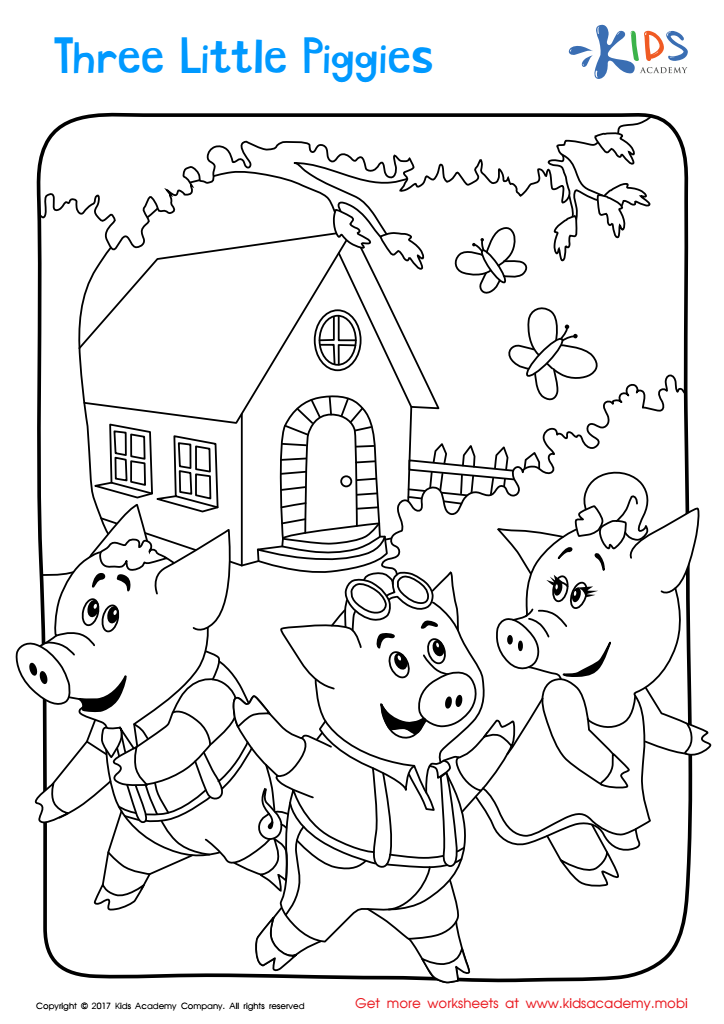
Three Little Piggies Printable Coloring Page
Assign to My Students







Story comprehension is vital for 3-year-olds as it lays the foundation for essential literacy and cognitive skills. During this critical developmental stage, children are like sponges, absorbing information and learning how to make sense of the world around them. When parents and teachers prioritize story comprehension, they foster a love for reading, which fuels a child's imagination and creativity.
Comprehension involves understanding the characters, plots, and settings, helping kids develop critical thinking skills as they learn to analyze and predict outcomes. Engaging with stories enhances vocabulary, as children encounter new words and phrases in context. This expanded lexicon supports language development, enabling children to express their thoughts and emotions more confidently.
Moreover, stories often contain social and moral lessons, guiding young children in understanding empathy, cooperation, and problem-solving. The act of discussing stories fosters communication skills as children learn to articulate their thoughts.
Ultimately, by caring about story comprehension, parents and teachers empower 3-year-olds to become curious, informed, and articulate individuals, setting them on a path for academic success and positive social interactions in the years to come. Neglecting this integral aspect of learning can hinder their potential and engagement with language and literature later in life.








