Understanding Sequences Worksheets for 3-Year-Olds
8 filtered results
-
From - To
Introduce your 3-year-old to the fascinating world of sequences with our thoughtfully crafted "Understanding Sequences Worksheets." Designed specifically for little learners, these engaging, printable worksheets foster early cognitive skills by guiding children through the concept of sequences using fun and interactive activities. Your child will enjoy identifying patterns, ordering objects, and completing simple sequences, all while enhancing their problem-solving abilities and logical thinking. Perfect for curious minds, our worksheets offer the ideal blend of education and entertainment, ensuring a solid foundation for future learning. Visit our page today and give your child a head start in understanding sequences!
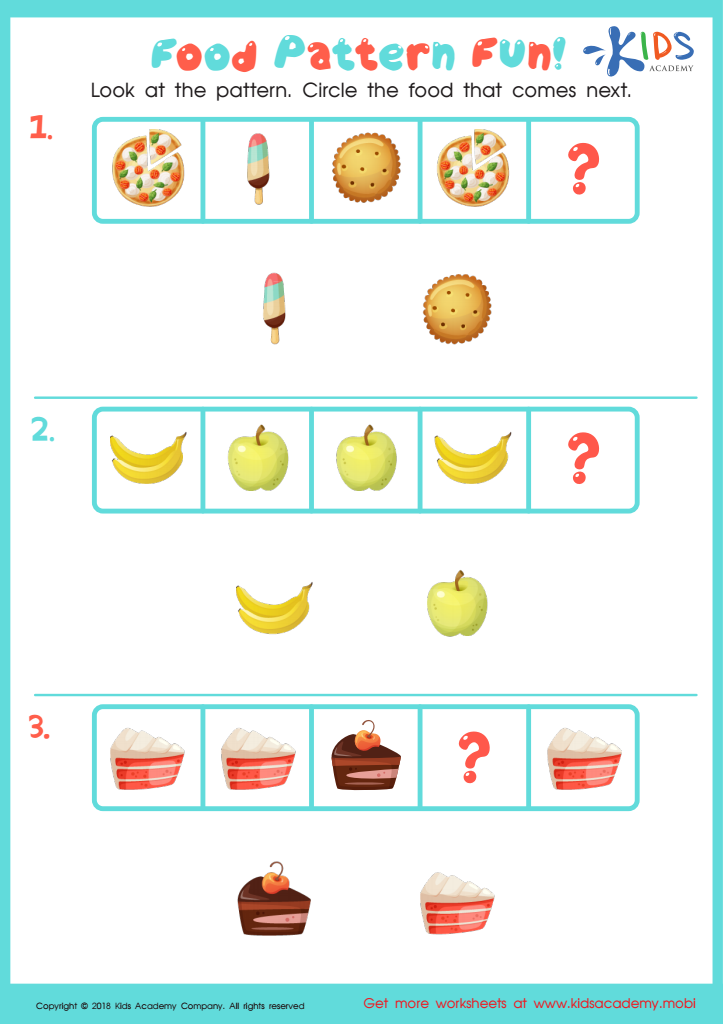
Food Pattern Fun Worksheet
 Assign to My Students
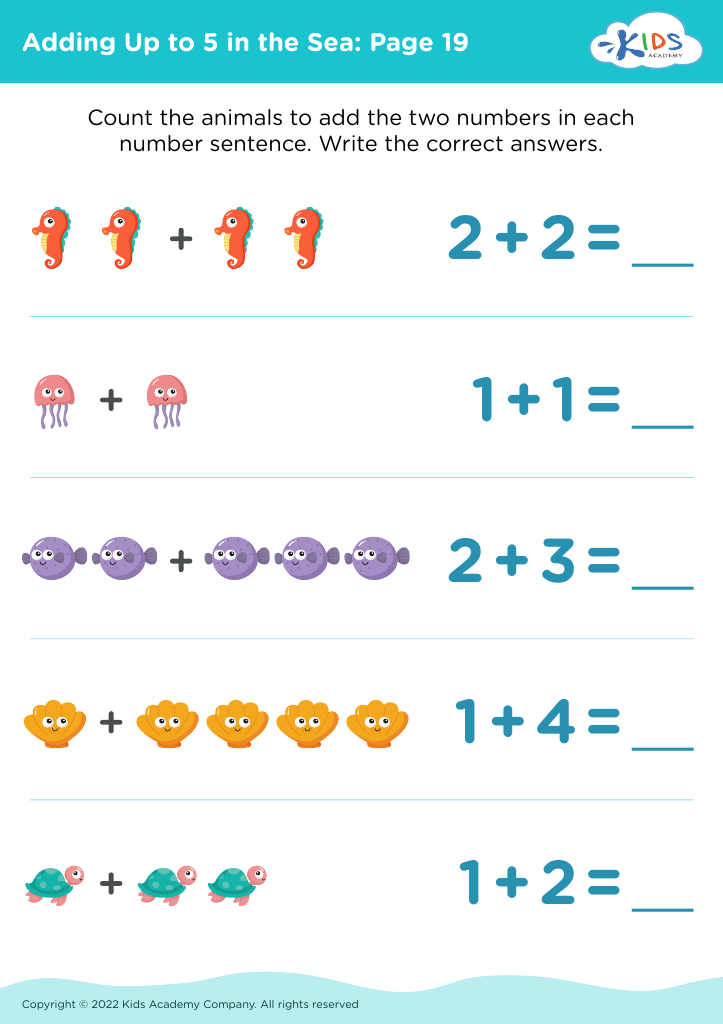
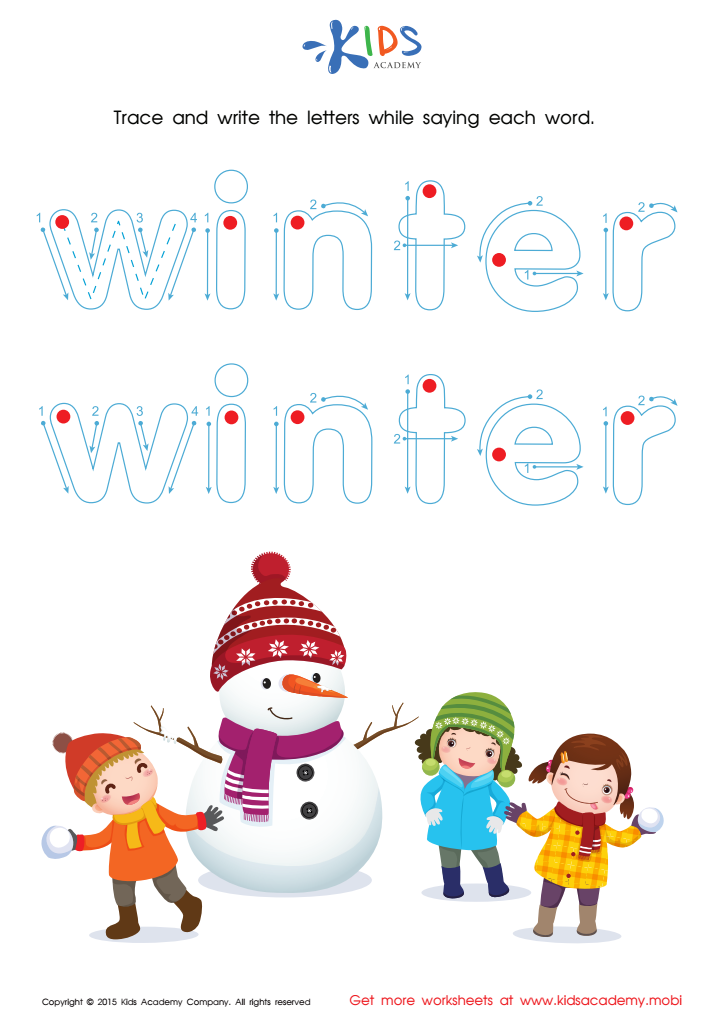
Snowman Tracing Winter Words Worksheet
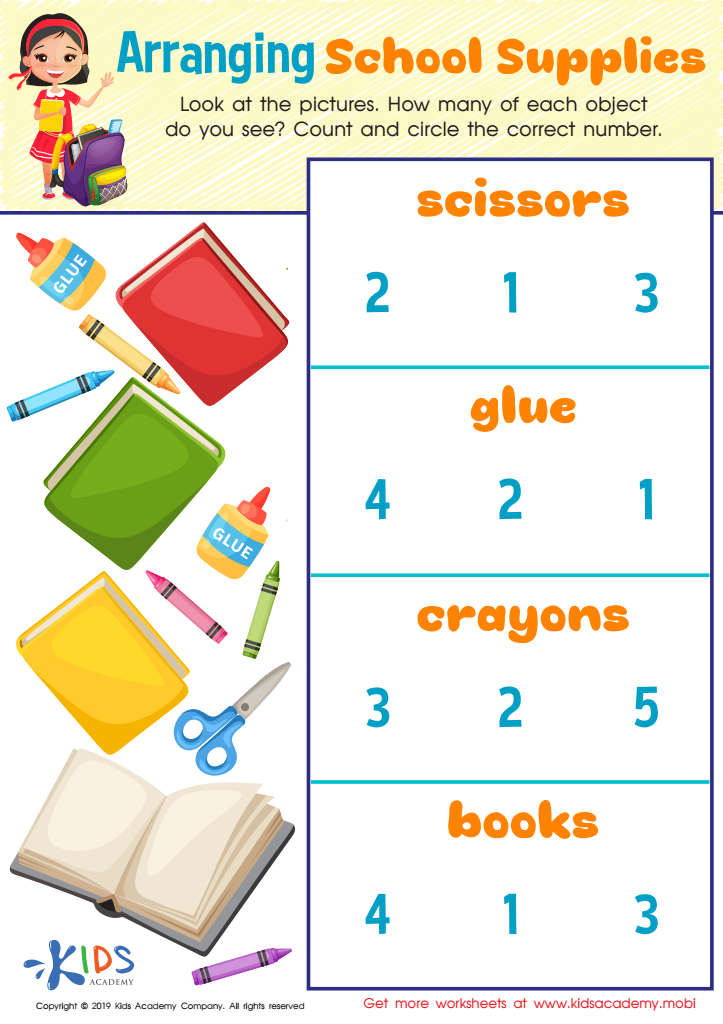
Arranging School Supplies Worksheet
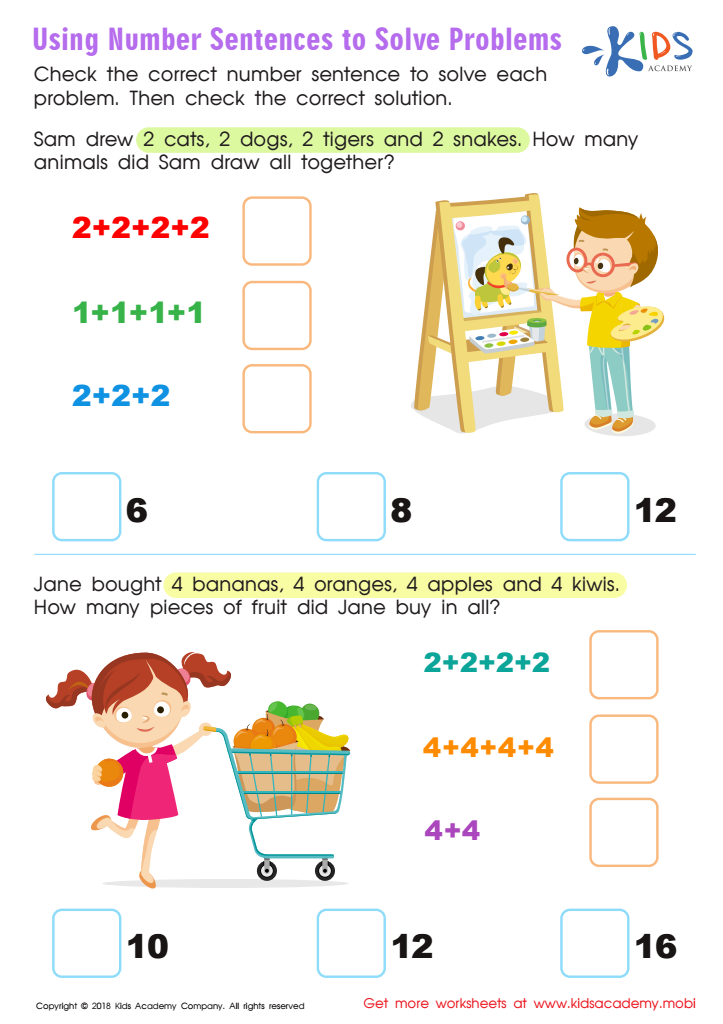
Using Number Sentences to Solve Problems Worksheet
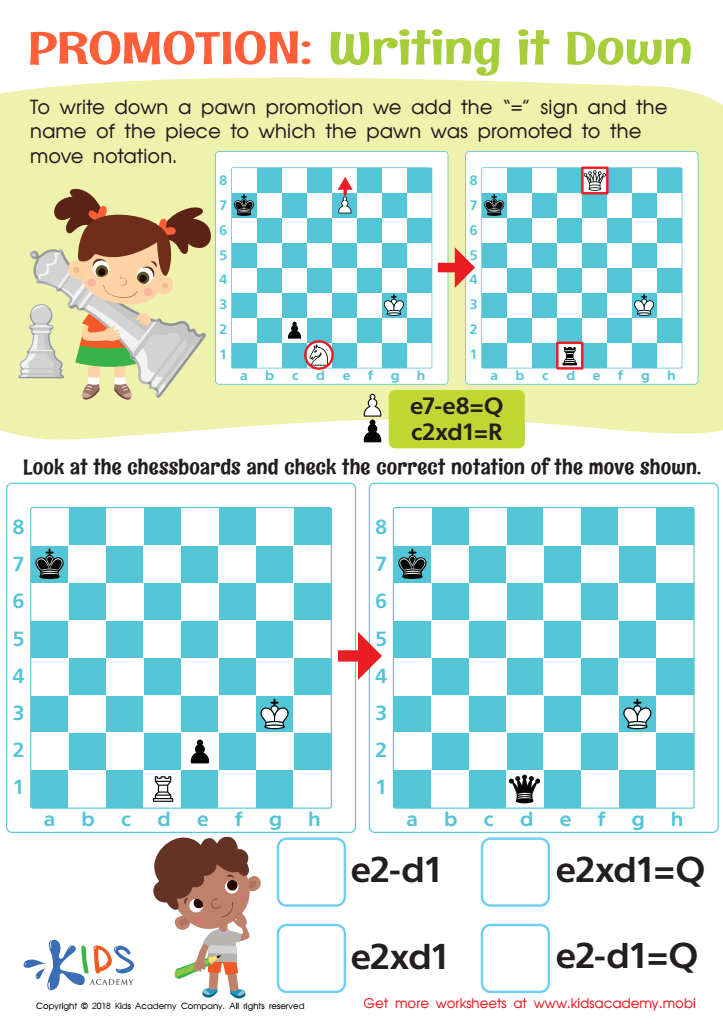
Writing it Down Worksheet
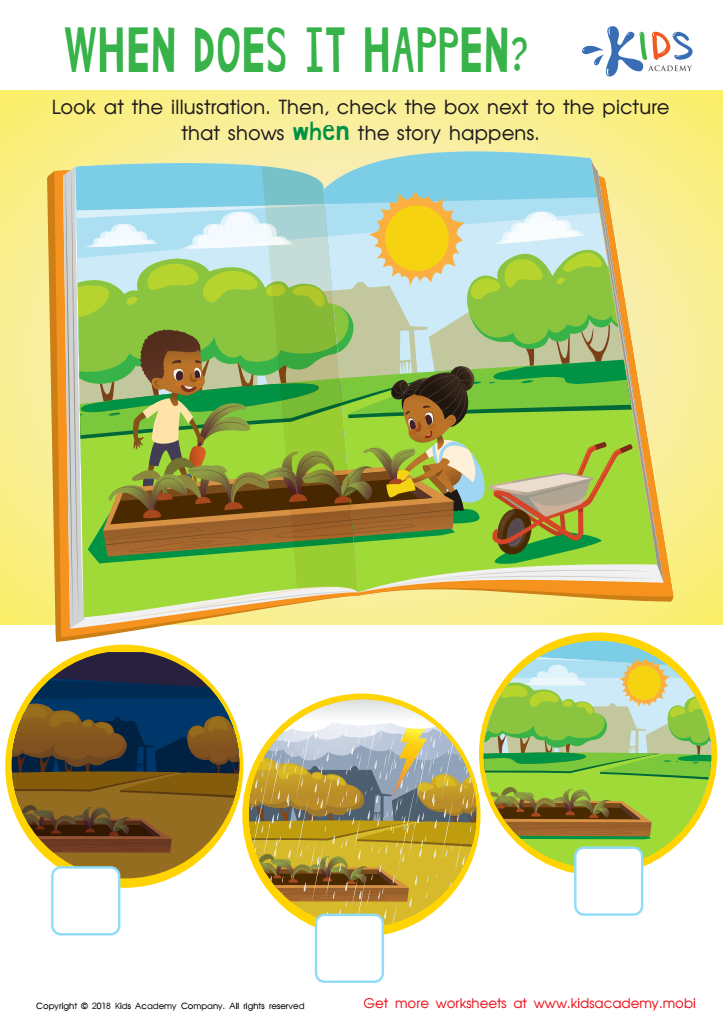
When Does It Happen? Worksheet
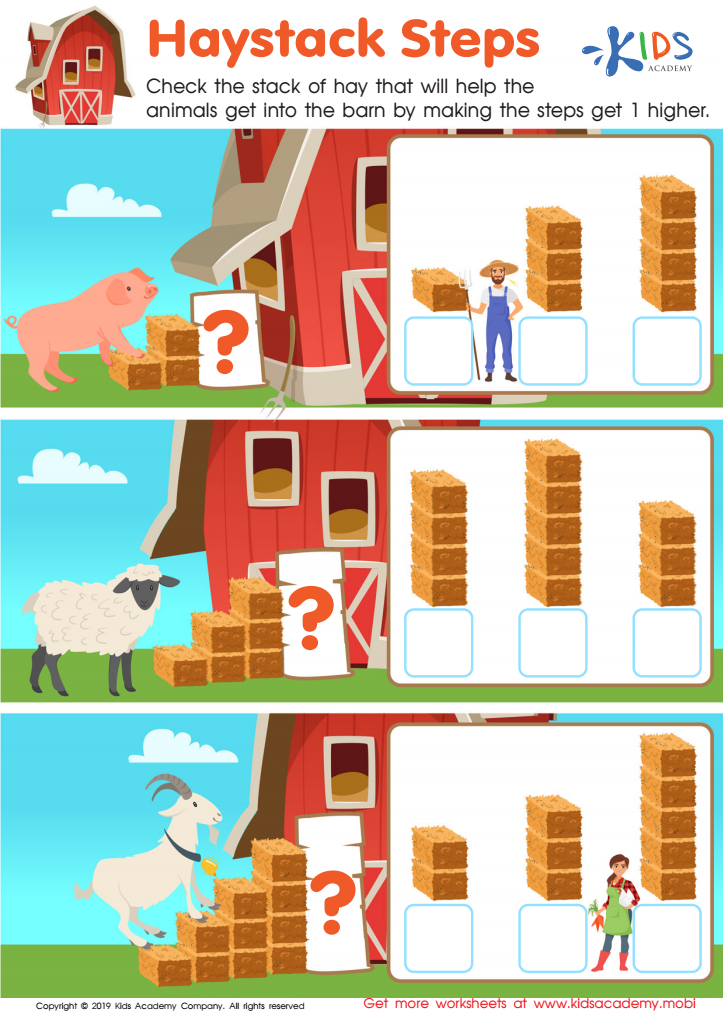
Haystack Steps Worksheet







.jpg)
Understanding sequences is crucial for 3-year-olds because it is a foundational skill that underpins many aspects of cognitive development. Sequences, or the ability to arrange objects, actions, or events in logical order, help children develop critical thinking, early math skills, and language acquisition.
Firstly, interpreting sequences in storylines fosters comprehension and memory. When parents read books with sequential narratives, children practice predicting what happens next and understanding cause and effect relationships, which enhances their listening and verbal skills.
Secondly, recognizing patterns and sequences sets the stage for mathematical reasoning. By engaging in activities such as sorting objects by size, color, or type, children begin to grasp basic concepts of order and pattern recognition. These skills are precursors to more complex mathematical operations like addition and subtraction.
Furthermore, sequences play a vital role in daily routines. Understanding the order of activities (e.g., first we brush teeth, then we read a book) provides children with a sense of predictability and structure, which is essential for emotional security and time management.
Lastly, early practice in sequencing improves problem-solving skills and attention to detail. Whether it's following a recipe together or building block towers in a specific order, these activities instill patience and strategic thinking.
In essence, parents and teachers should care about sequences because they are integral to a child's cognitive development, communication abilities, mathematical understanding, and emotional well-being.








