Understanding symmetry Worksheets for 3-Year-Olds
3 filtered results
-
From - To
Discover our engaging "Understanding Symmetry Worksheets for 3-Year-Olds," designed to introduce young learners to the concept of symmetry in a fun and interactive way. These worksheets feature colorful visuals and simple activities that help children identify symmetrical shapes and patterns, fostering critical thinking and visual recognition skills. Perfect for at-home learning or classroom use, our resources encourage creativity and exploration through engaging exercises. With easy-to-understand instructions and age-appropriate content, these worksheets make learning about symmetry enjoyable for little hands. Download now and watch your child develop foundational math skills while exploring the fascinating world of symmetrical designs!
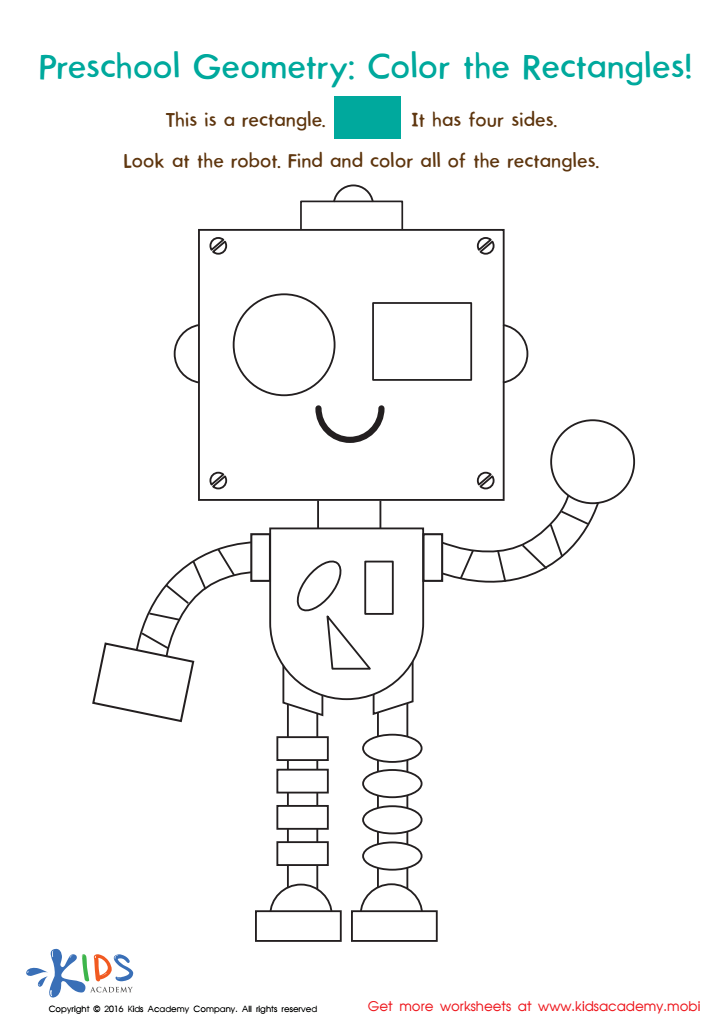
Geometry Worksheet
 Assign to My Students
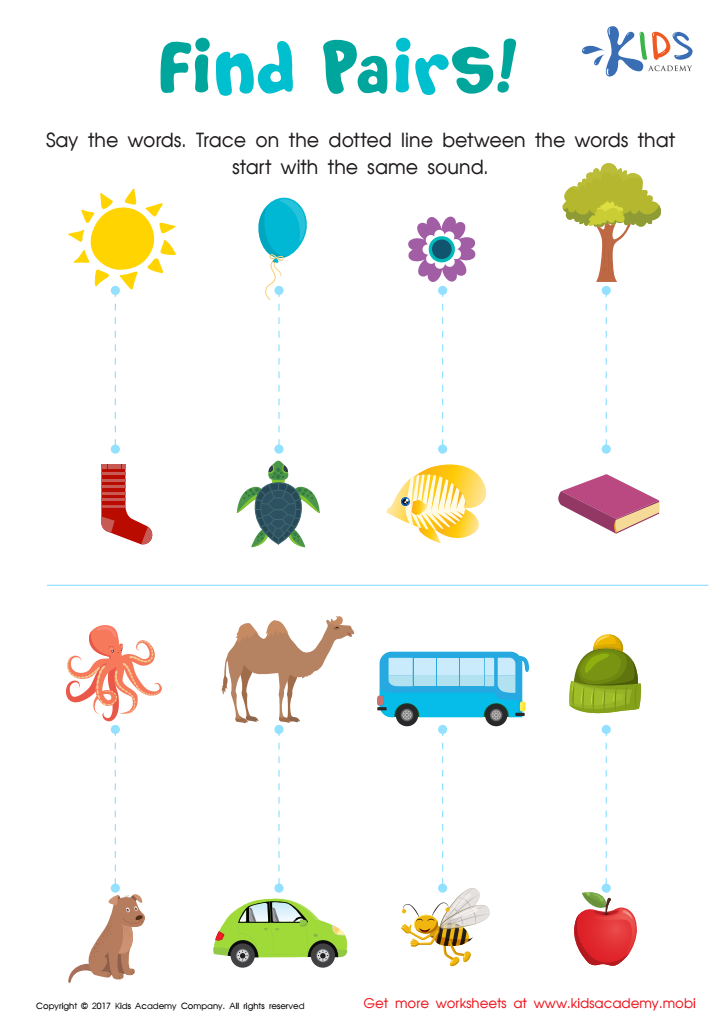
Beginning Sound: Find Pairs Worksheet
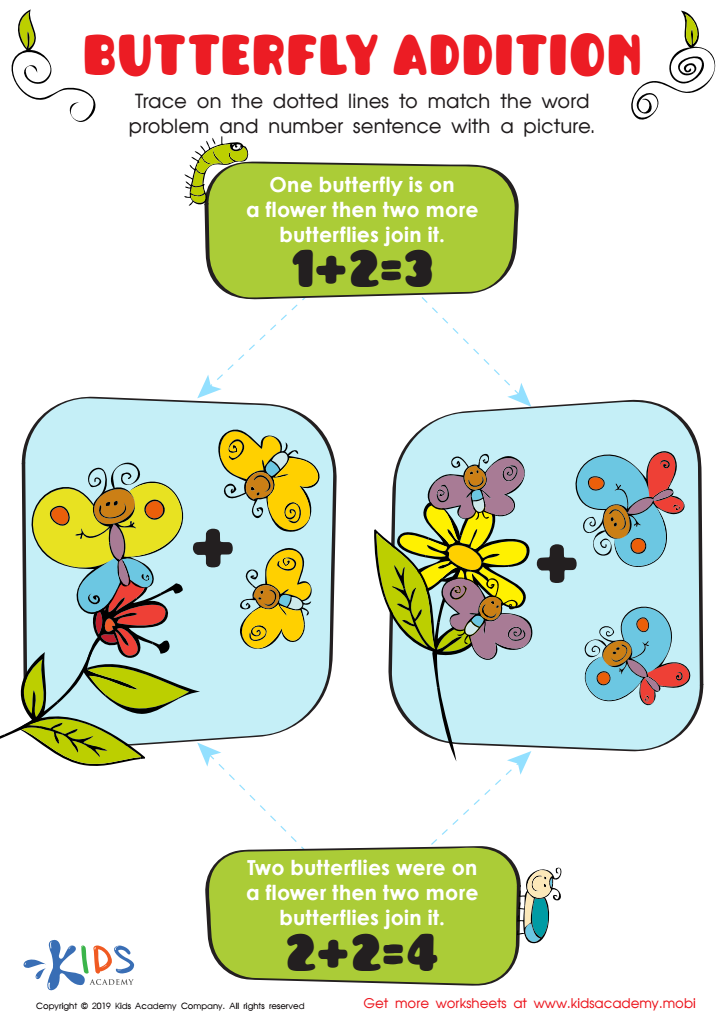
Butterfly Addition Worksheet




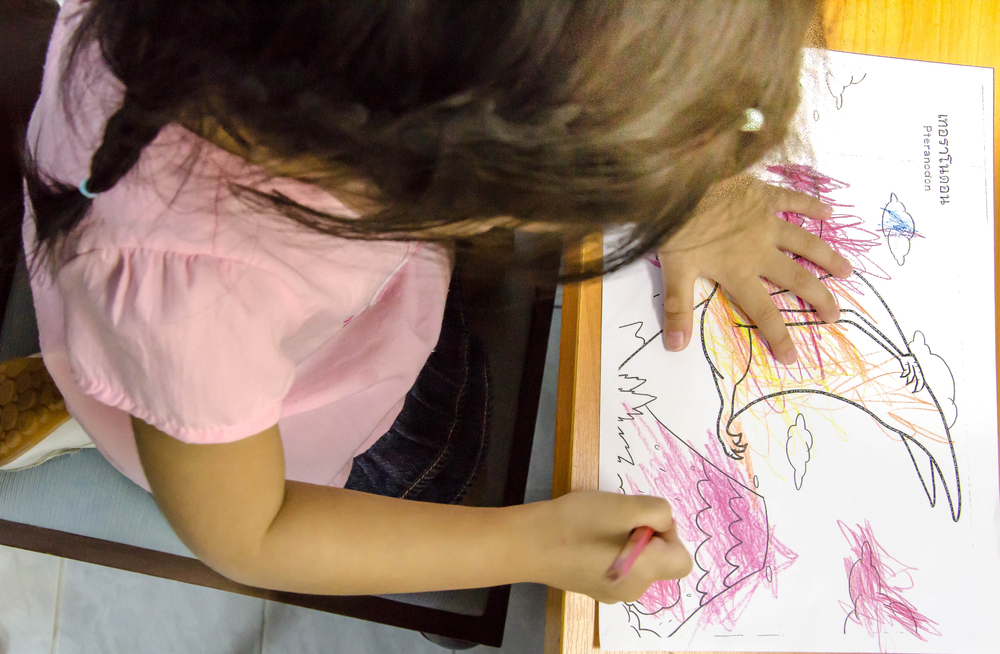


Understanding symmetry is crucial for 3-year-olds as it lays a foundation for essential cognitive and mathematical skills. At this age, children's brains are highly receptive to patterns, shapes, and relationships. By exploring symmetry, they develop observational skills and begin to recognize similarities and differences in their environment, aiding overall cognitive development.
Introducing symmetric concepts at a young age enhances spatial awareness and critical thinking. Engaging in activities like mirroring shapes, folding paper, or creating symmetrical drawings fosters creativity and imagination, boosting fine motor skills. Symmetry also adds to mathematical understanding, as children learn about shapes, balance, and organization – concepts integral to early math skills.
Moreover, appreciating symmetry connects children to the arts and nature, enriching their experience of the world around them. It encourages language development as children discuss and describe their observations. For parents and teachers, emphasizing symmetry can easily be intertwined with play and practical activities, ensuring learning feels natural and fun. Ultimately, fostering this understanding in 3-year-olds cultivates a foundation for lifelong learning, encouraging curiosity and adaptability as they encounter increasingly complex concepts in math, science, and the arts throughout their educational journey.








