Check out this FREE "Visual Learning" Trial Lesson for age 3!

Exactly the Same, or Not

Favorites
With answer key
Interactive
  • 3
  • Visual Learning
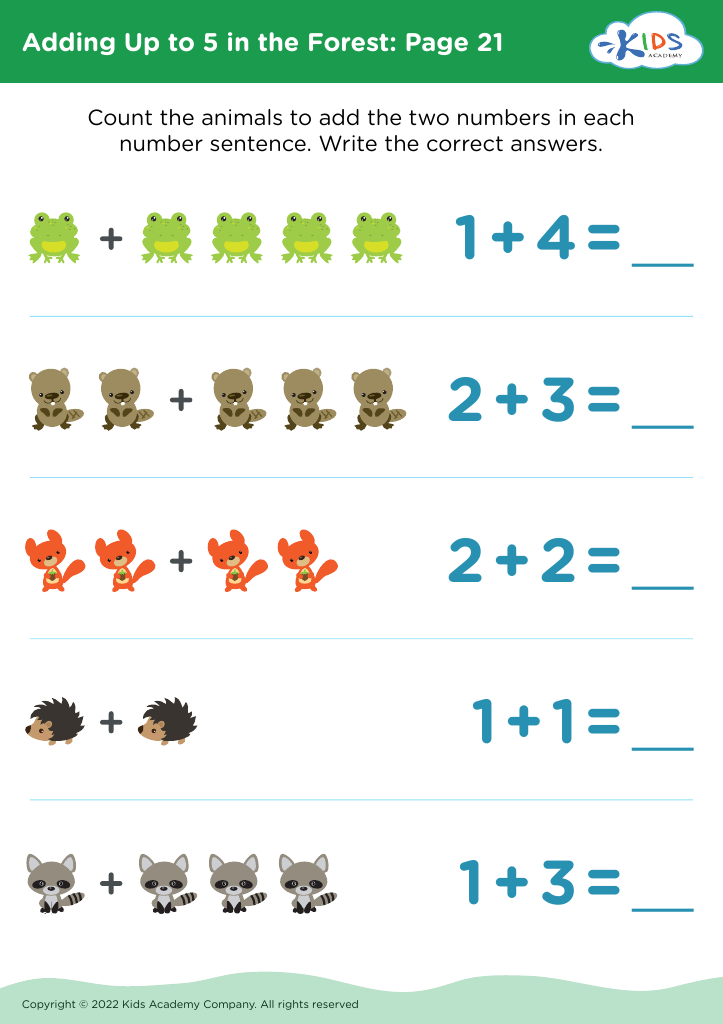
Adding Up to 5 in the Forest: Page 21
Worksheet
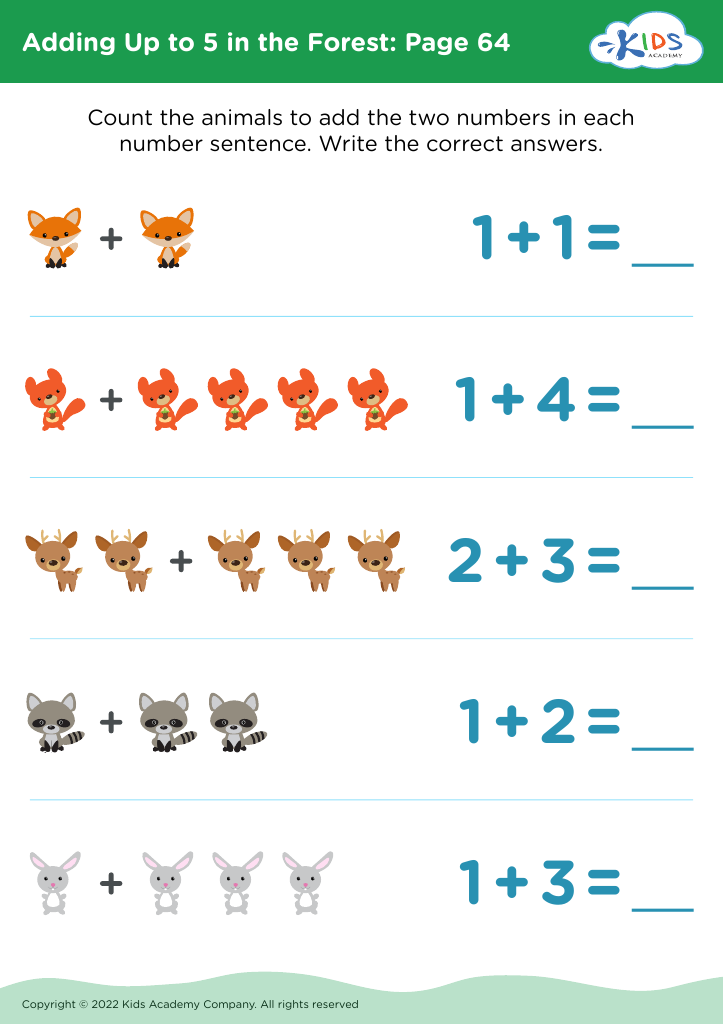
Adding Up to 5 in the Forest: Page 64
Worksheet
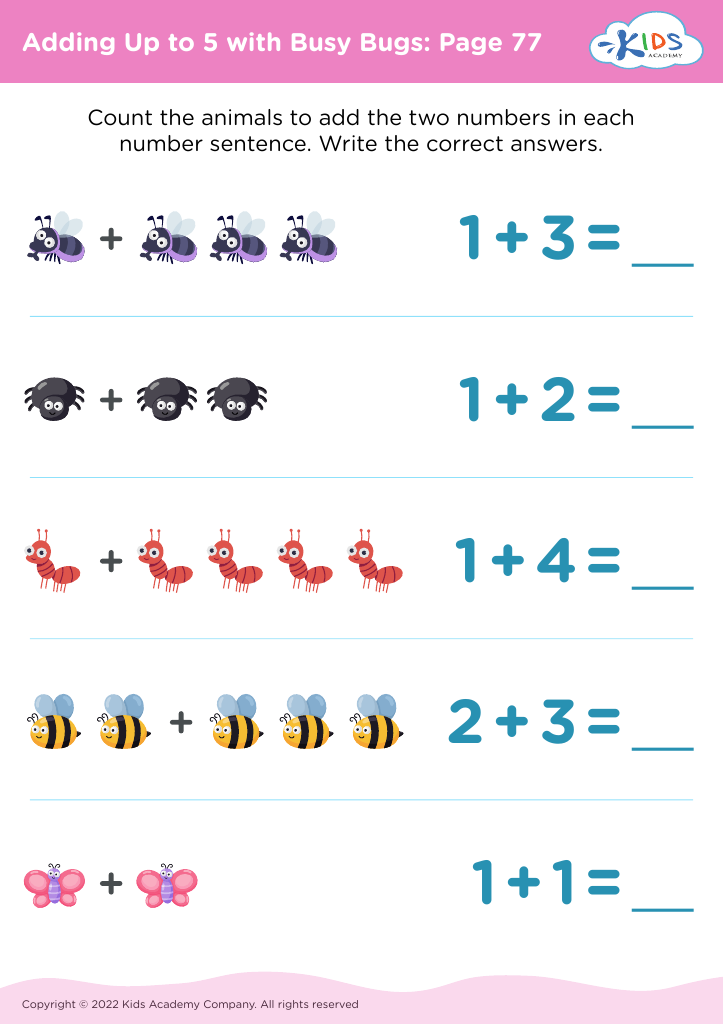
Adding Up to 5 with Busy Bugs: Page 77
Worksheet
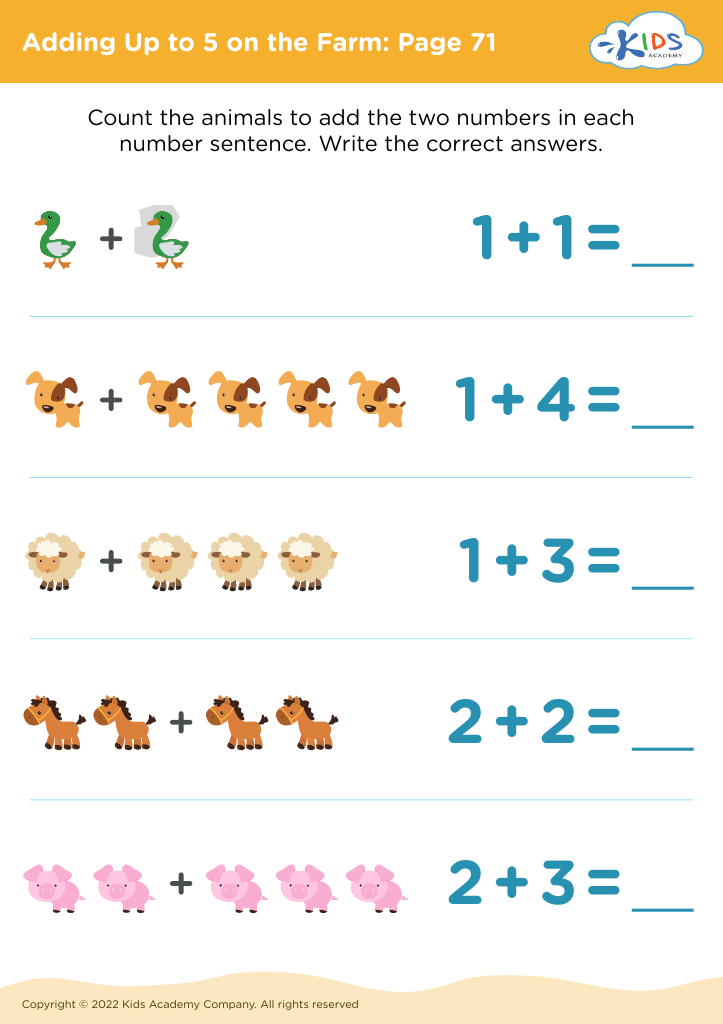
Adding Up to 5 on the Farm: Page 71
Worksheet
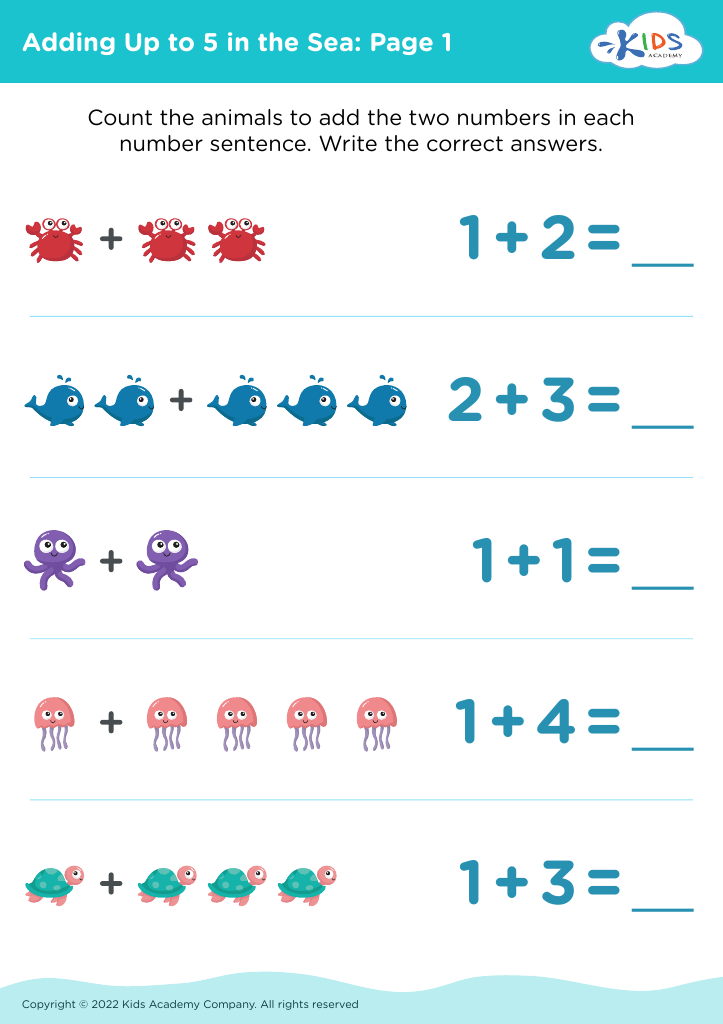
Adding Up to 5 in the Sea: Page 1

Adding Up to 5 in the Sea: Page 1

Adding Up to 5 in the Sea: Page 1
Worksheet
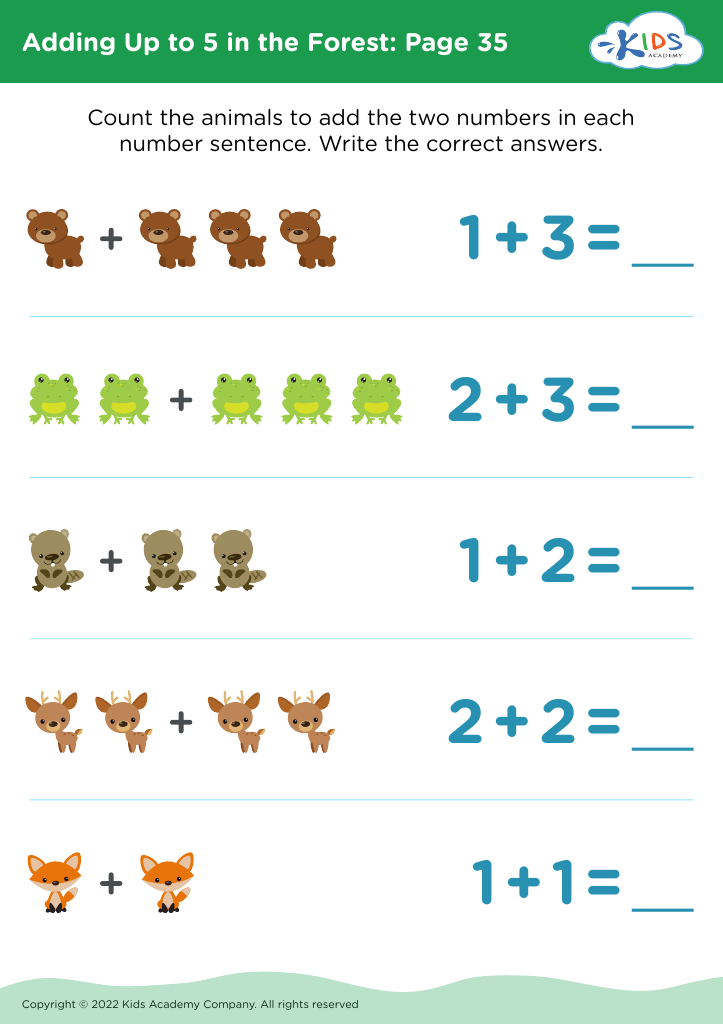
Adding Up to 5 in the Forest: Page 35
Worksheet
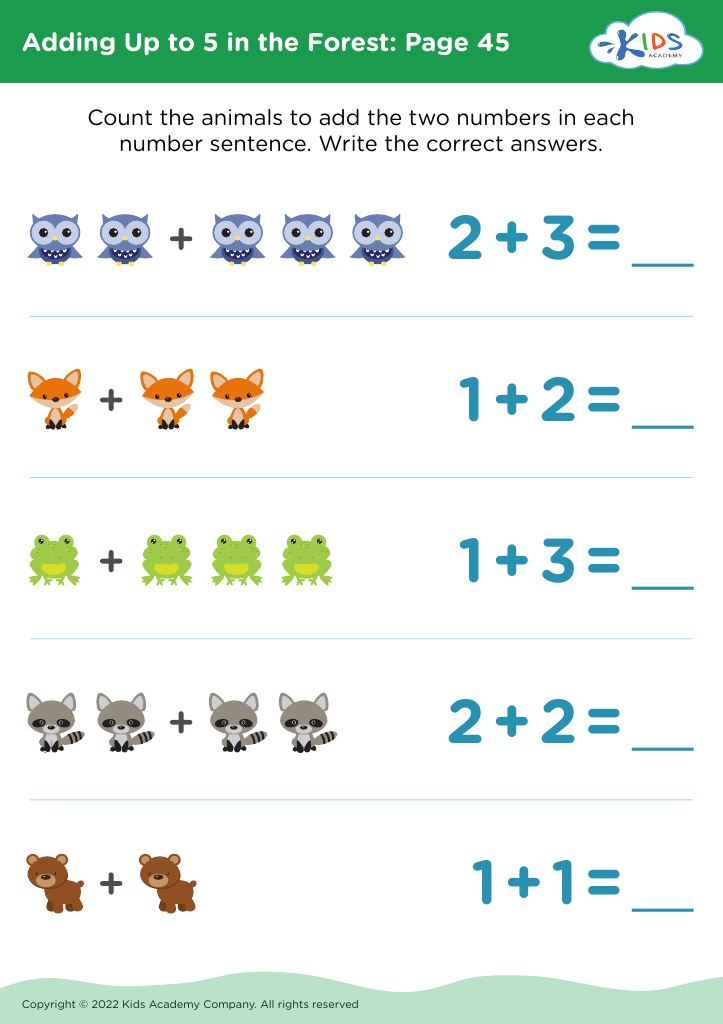
Adding Up to 5 in the Forest: Page 45
Worksheet
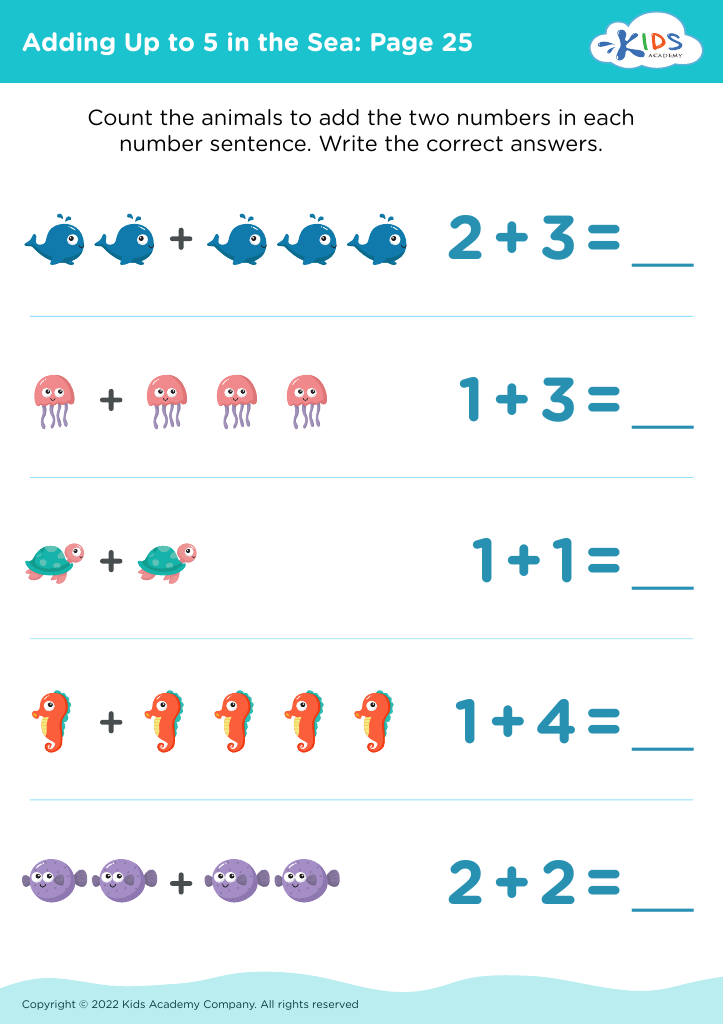
Adding Up to 5 in the Sea: Page 25
Worksheet
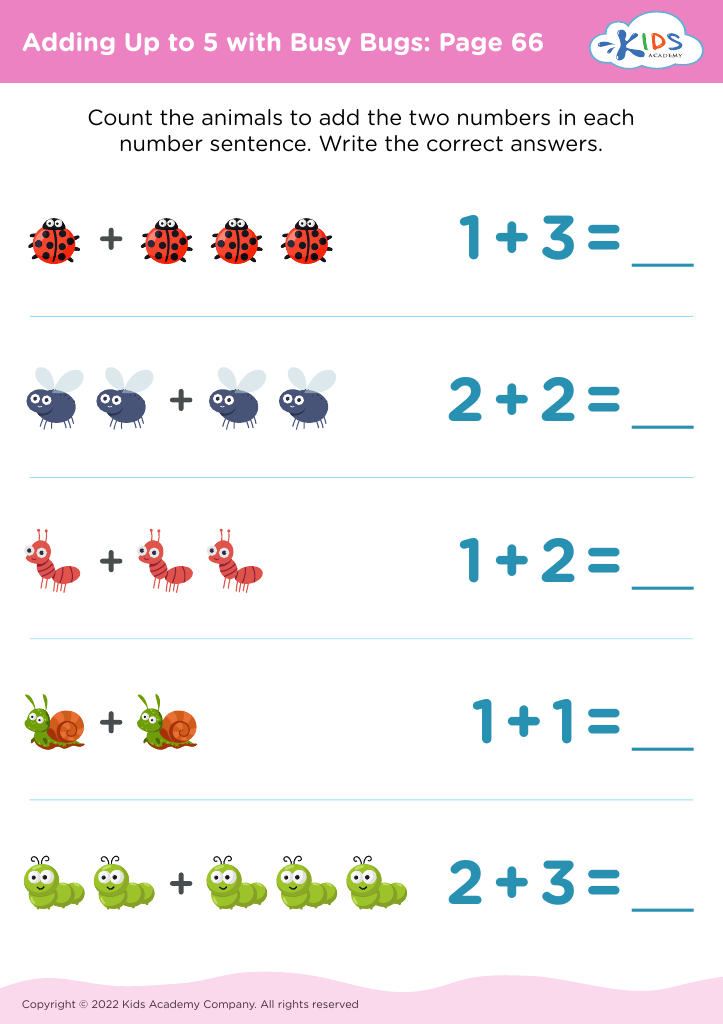
Adding Up to 5 with Busy Bugs: Page 66
Worksheet
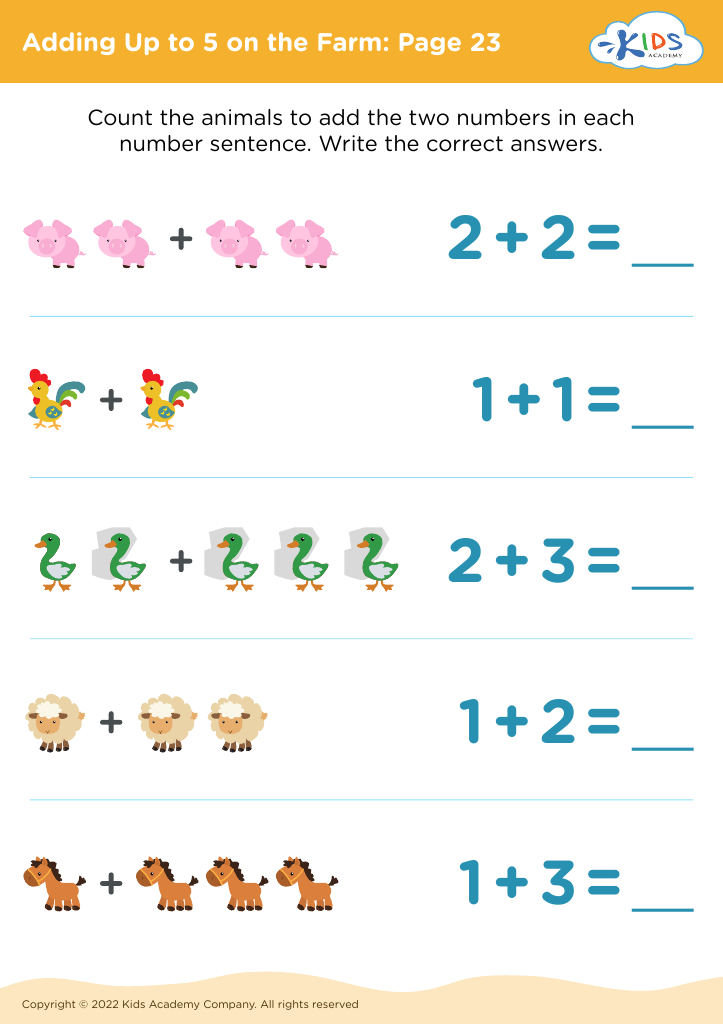
Adding Up to 5 on the Farm: Page 23
Worksheet
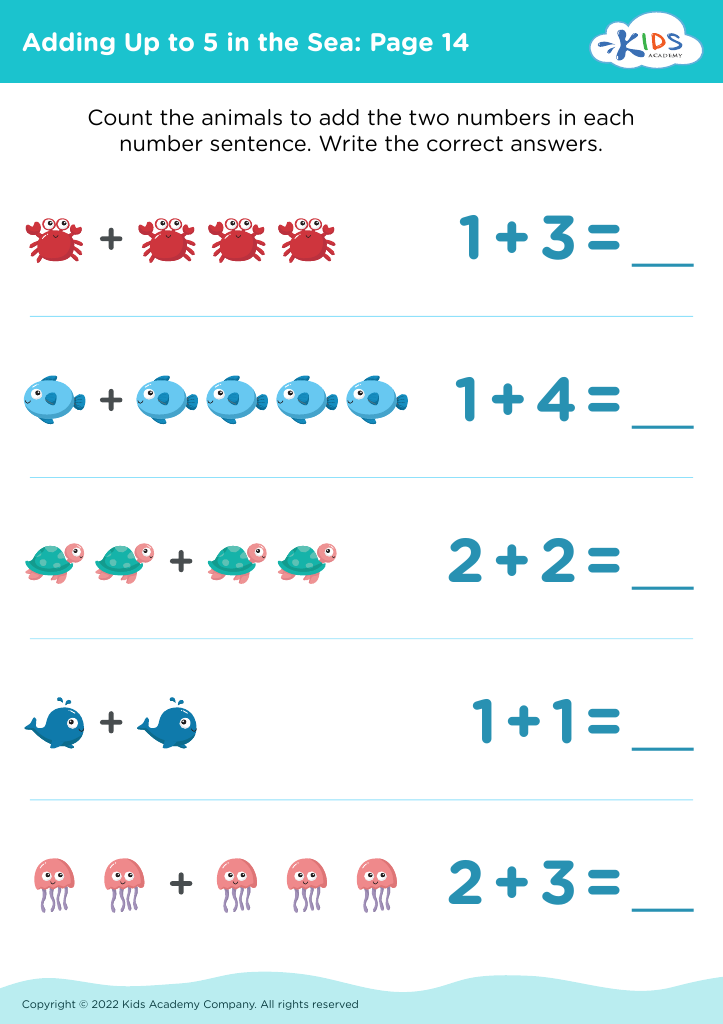
Adding Up to 5 in the Sea: Page 14
Worksheet
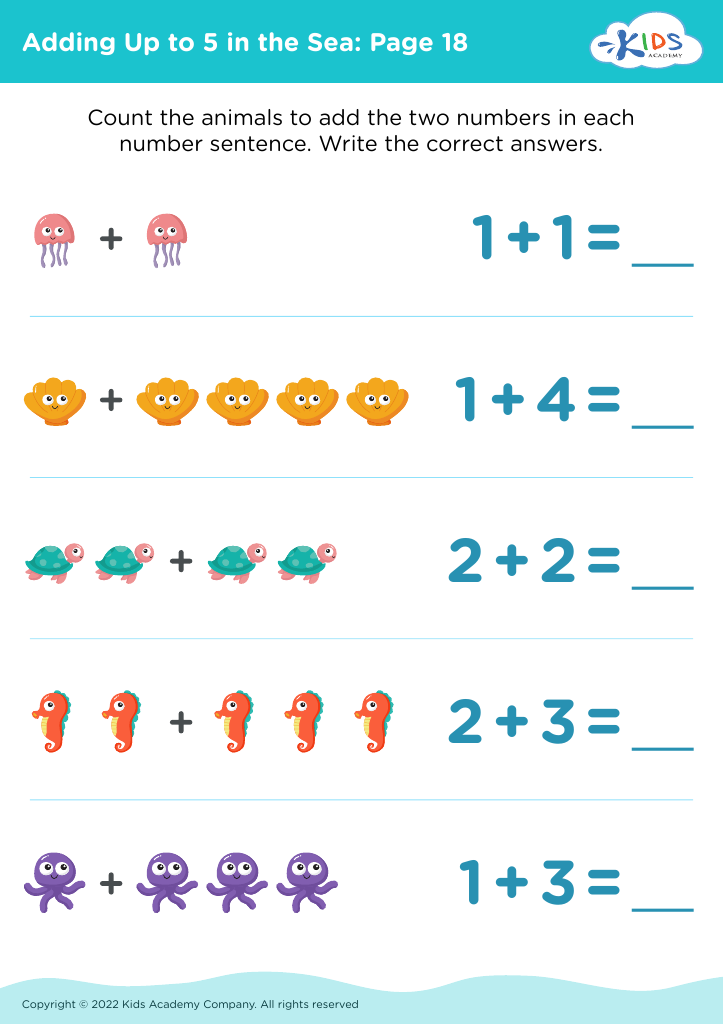
Adding Up to 5 in the Sea: Page 18
Worksheet
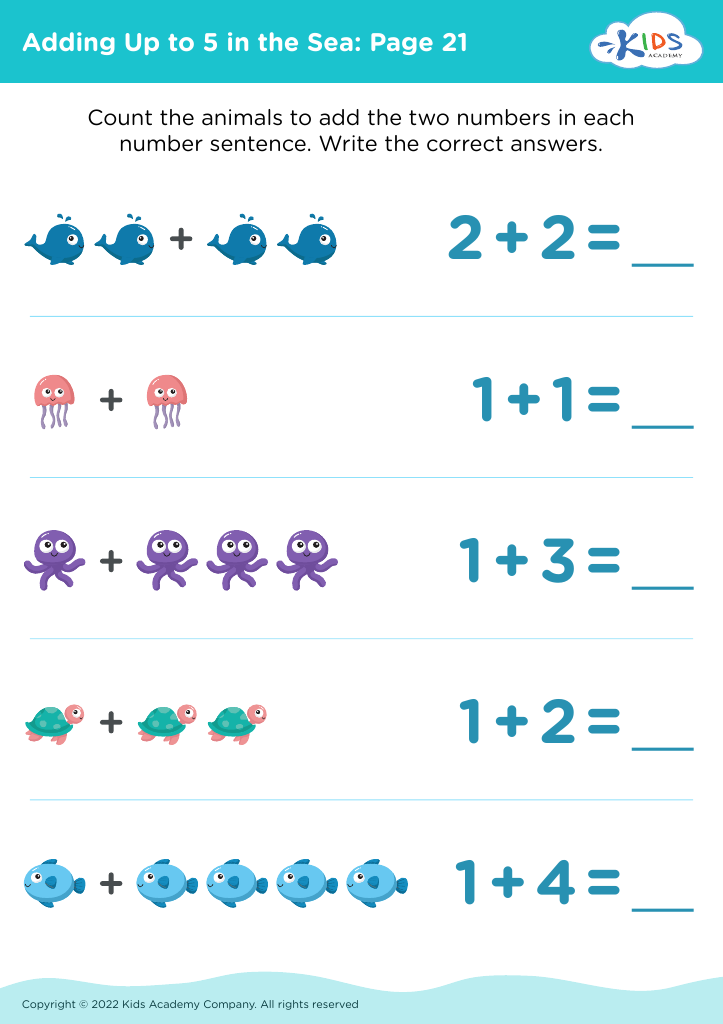
Adding Up to 5 in the Sea: Page 21
Worksheet
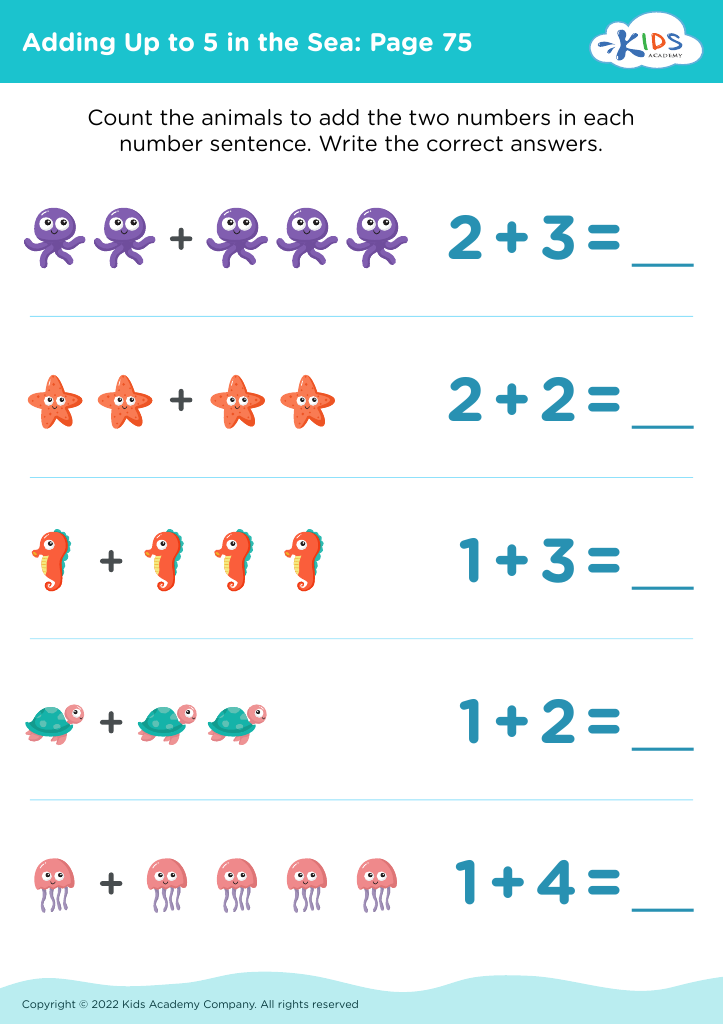
Adding Up to 5 in the Sea: Page 75
Worksheet
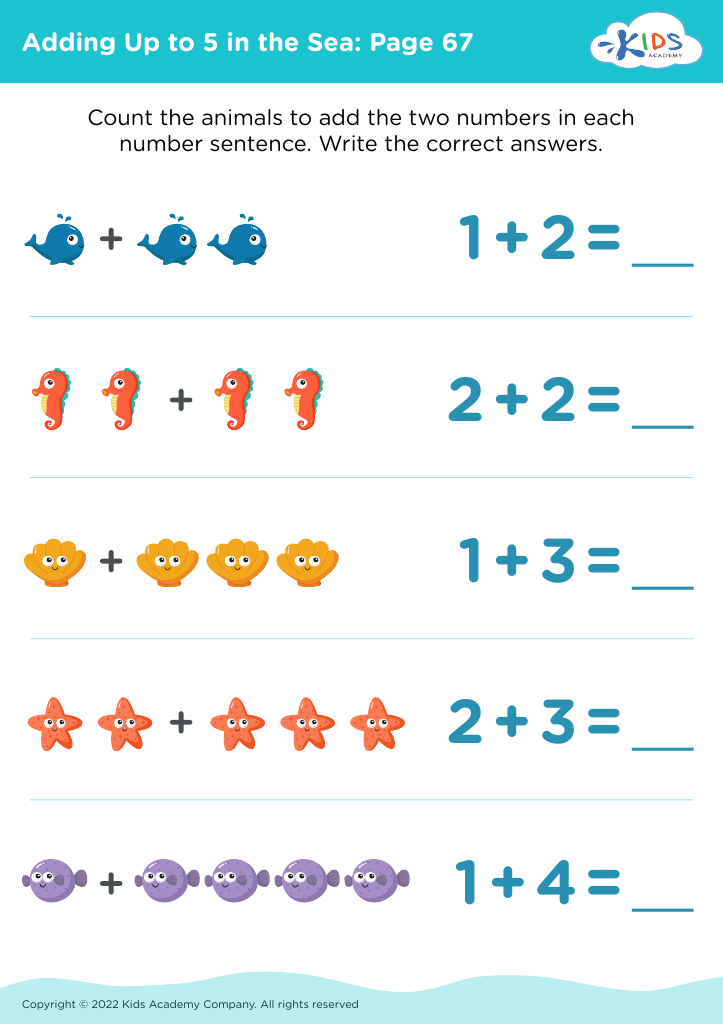
Adding Up to 5 in the Sea: Page 67
Worksheet
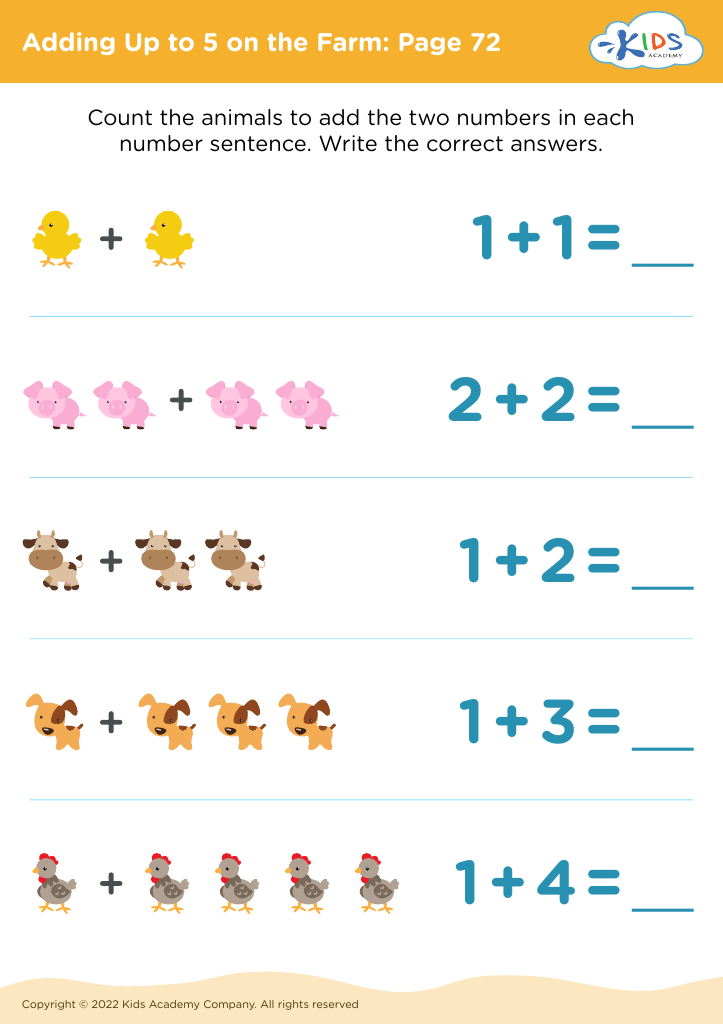
Adding Up to 5 on the Farm: Page 72
Worksheet
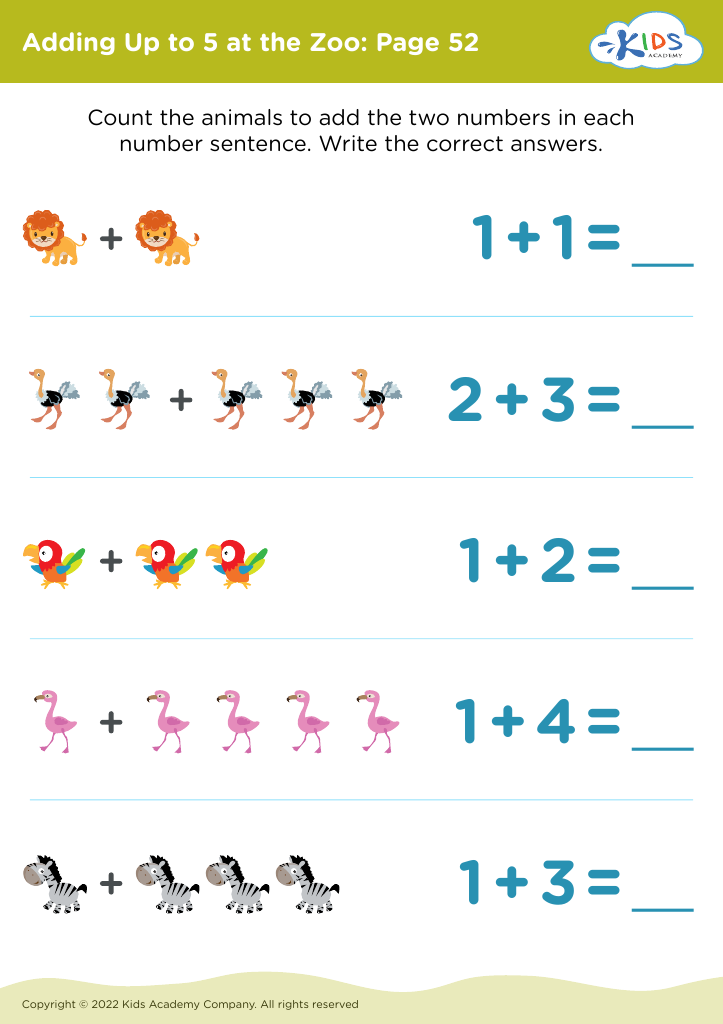
Adding Up to 5 at the Zoo: Page 52
Worksheet
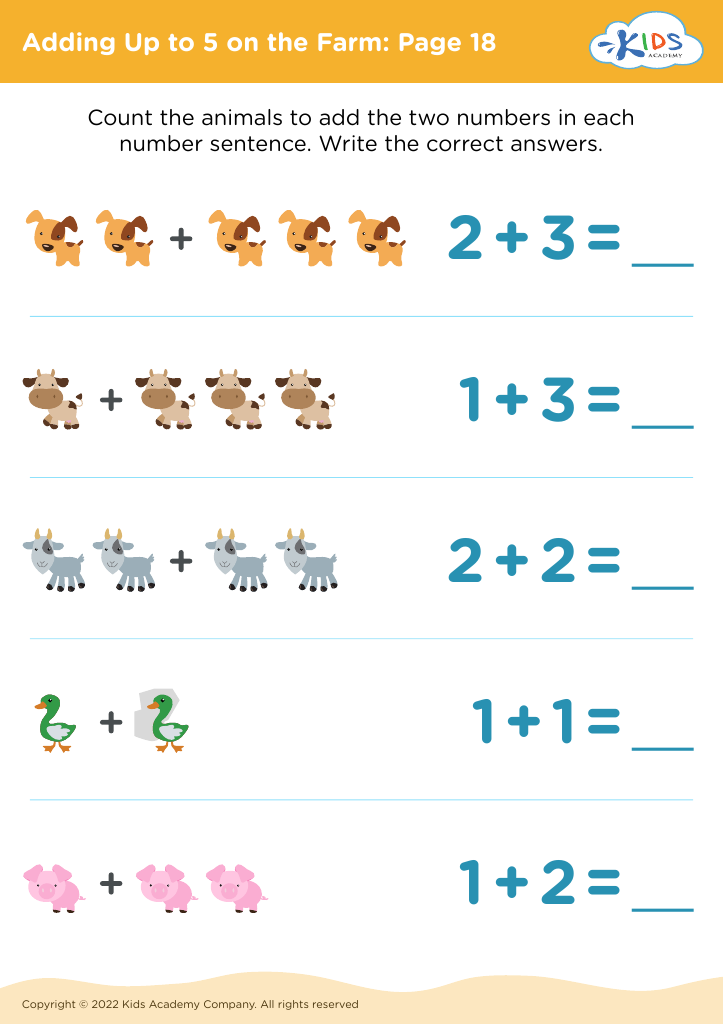
Adding Up to 5 on the Farm: Page 18
Worksheet
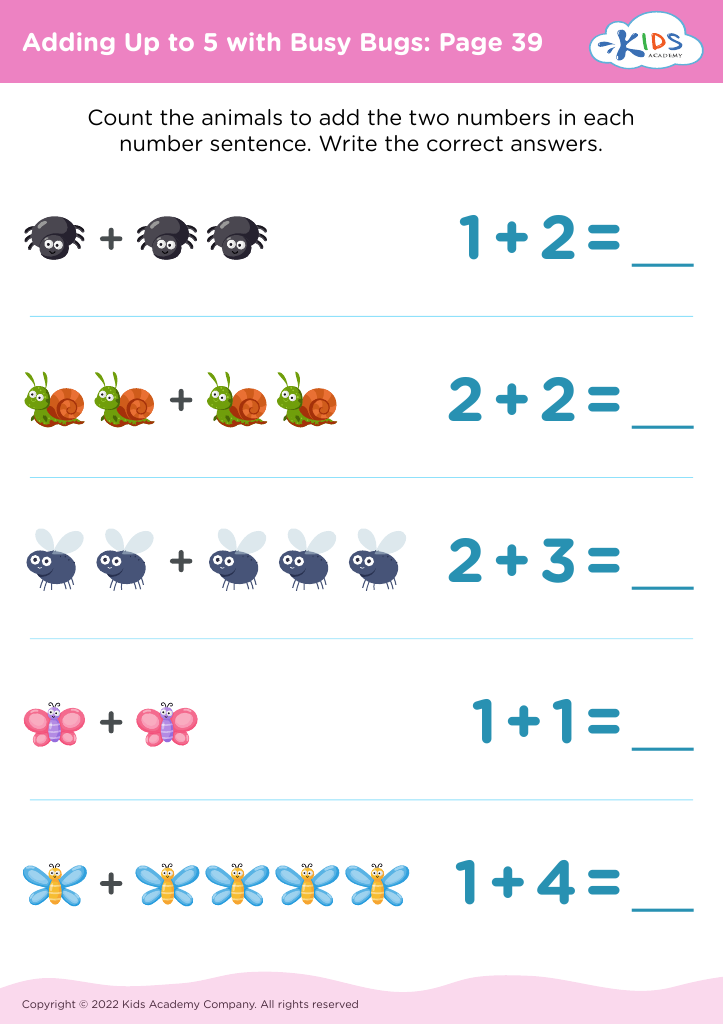
Adding Up to 5 with Busy Bugs: Page 39
Worksheet
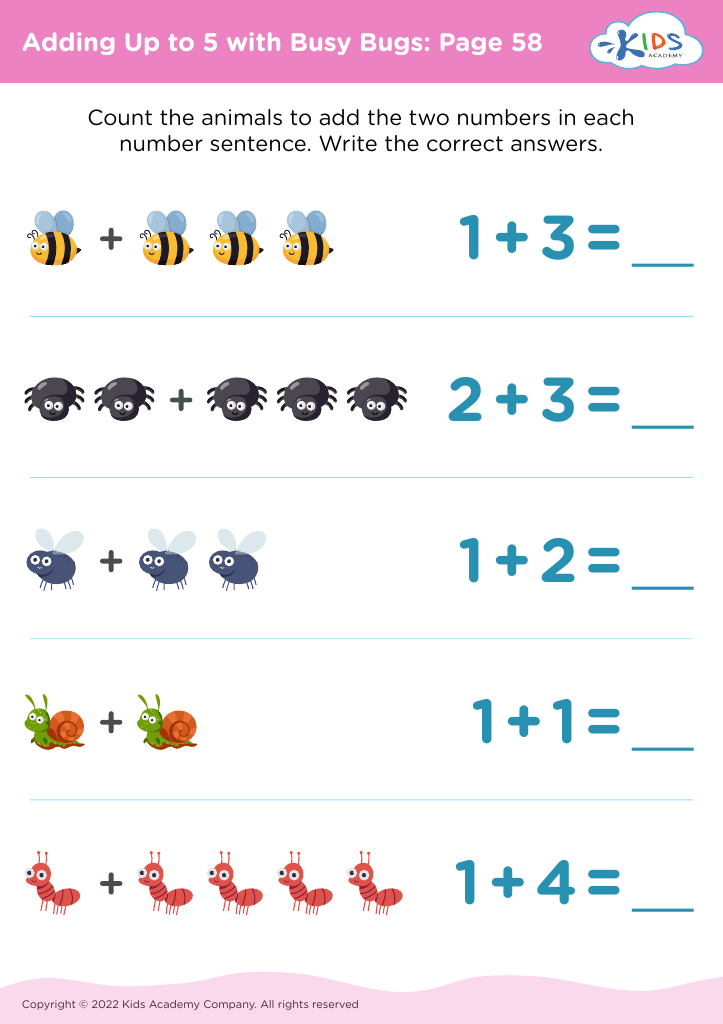
Adding Up to 5 with Busy Bugs: Page 58
Worksheet
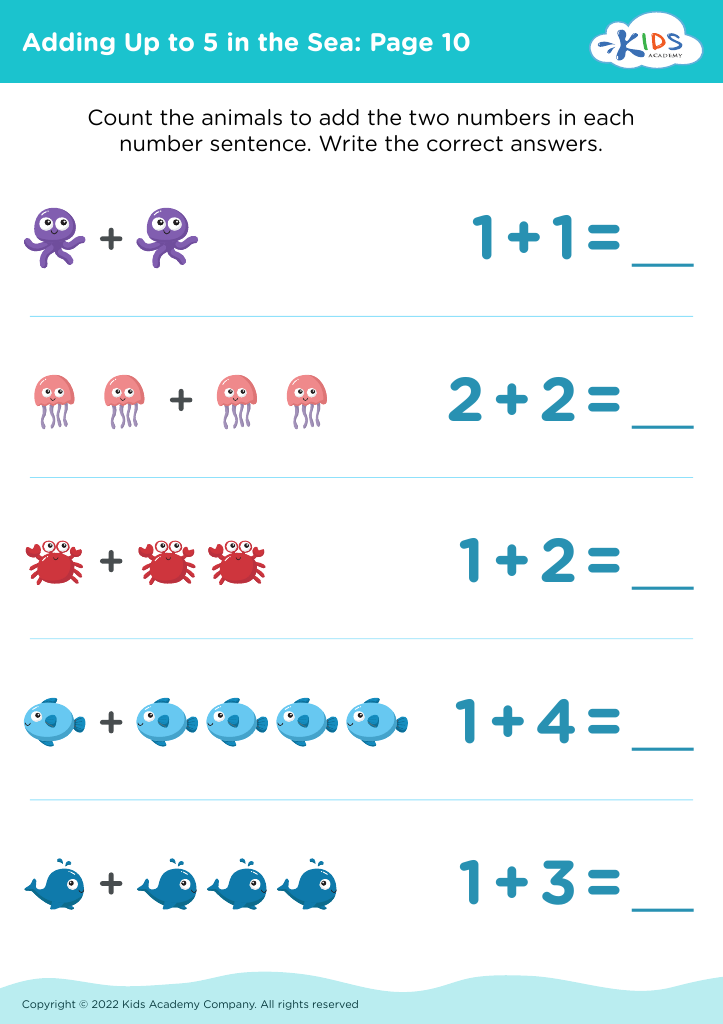
Adding Up to 5 in the Sea: Page 10
Worksheet
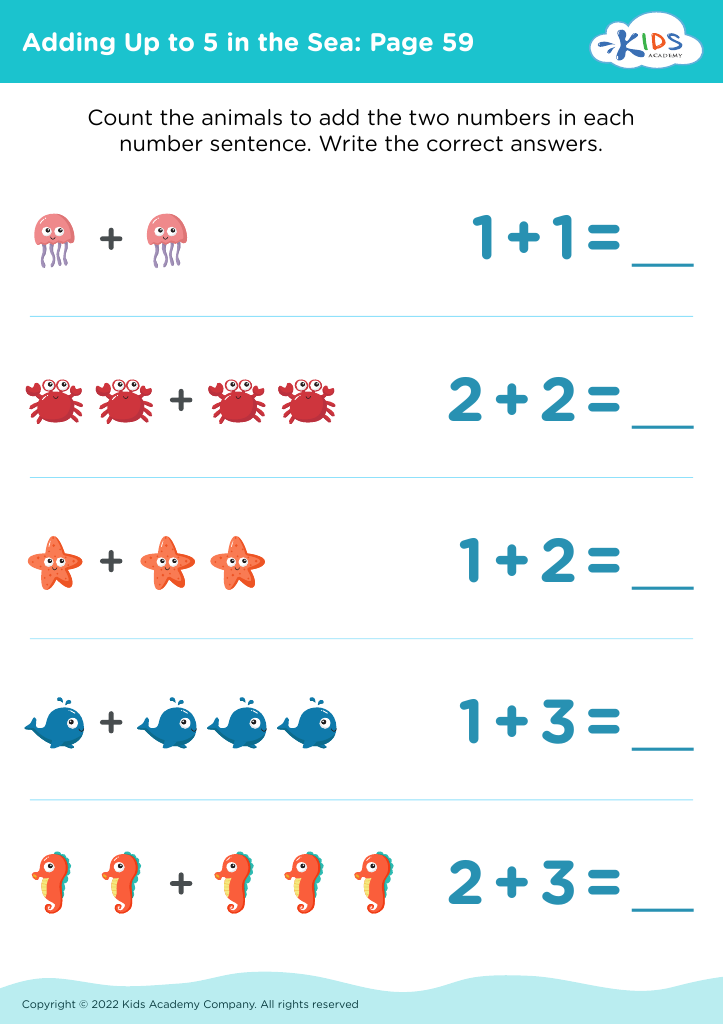
Adding Up to 5 in the Sea: Page 59
Worksheet
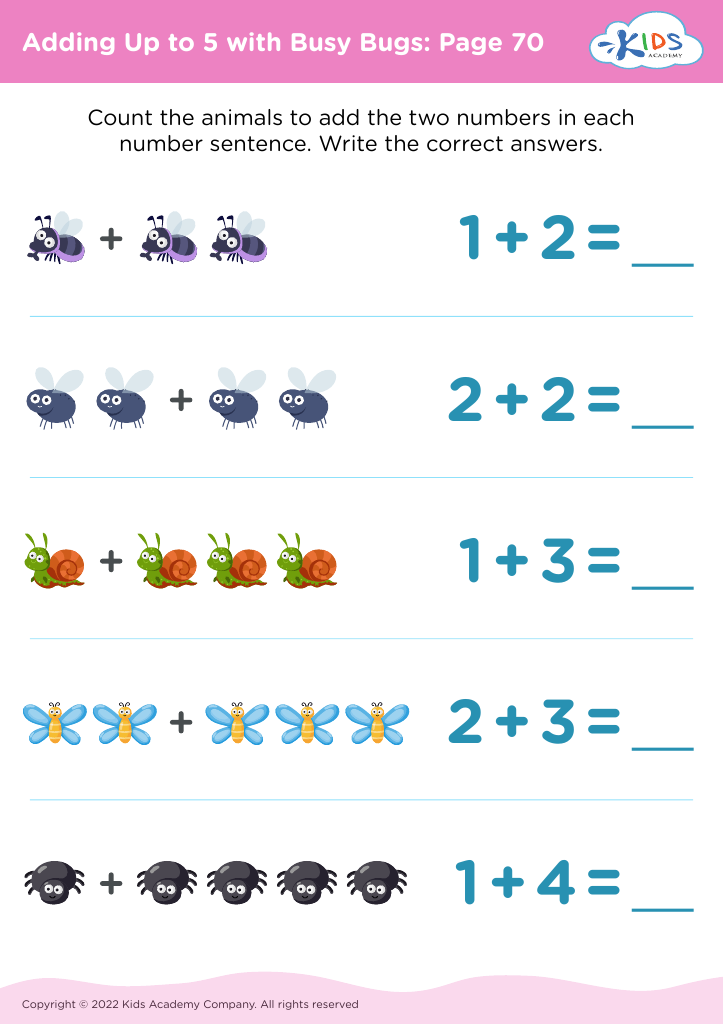
Adding Up to 5 with Busy Bugs: Page 70
Worksheet
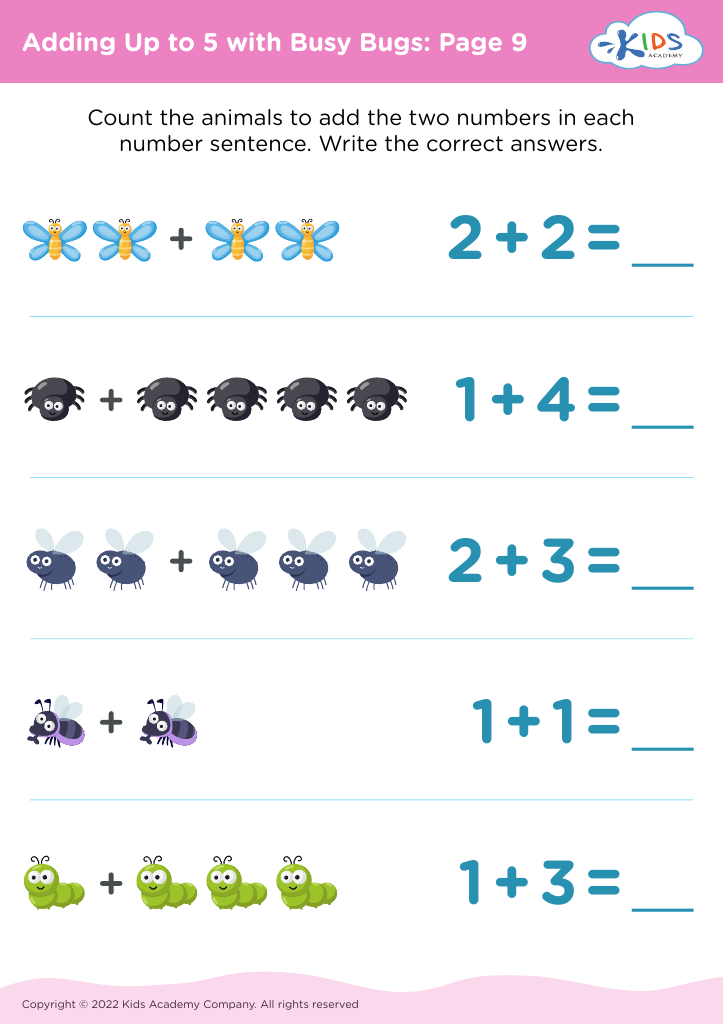
Adding Up to 5 with Busy Bugs: Page 9
Worksheet


Visual learning is essential for 3-year-olds as it aligns perfectly with their developmental stage. At this age, children are naturally curious and receptive to visual stimuli, making this learning style a powerful tool for engagement. Parents and teachers should prioritize visual learning because it enhances understanding and retention. Young children are often more adept at processing images than verbal information, which means that incorporating visuals—like pictures, diagrams, and colorful storybooks—can significantly aid their comprehension.

Moreover, visual learning supports the development of critical skills such as observation and interpretation. It helps children make connections between concepts, facilitating a deeper understanding of their environment. This multifaceted approach fosters creativity and imagination, allowing children to express themselves and explore ideas visually.

Furthermore, embracing visual learning fosters inclusivity for various learning styles. Some children may struggle with traditional verbal instruction; however, providing visual aids can empower them to grasp the same concepts. By nurturing visual learning, parents and teachers create a rich, supportive foundation for lifelong learning, encouraging inquisitiveness and fostering cognitive growth. Overall, prioritizing visual learning for 3-year-olds cultivates confident learners who are eager to explore and understand the world around them.