Visual recognition Worksheets for 3-Year-Olds
3 filtered results
-
From - To
Welcome to our engaging Visual Recognition Worksheets for 3-Year-Olds! Designed to foster early childhood learning, these worksheets introduce young learners to essential visual skills through fun and interactive activities. Each worksheet incorporates colorful imagery and delightful themes, aiming to enhance children’s ability to identify shapes, colors, and familiar objects in their environment. Fun exercises promote cognitive development while keeping little ones entertained. Parents and educators can easily print these resources to support learning at home or in the classroom. Empower your child’s visual recognition skills today with our thoughtfully crafted worksheets that make learning a joyous experience!
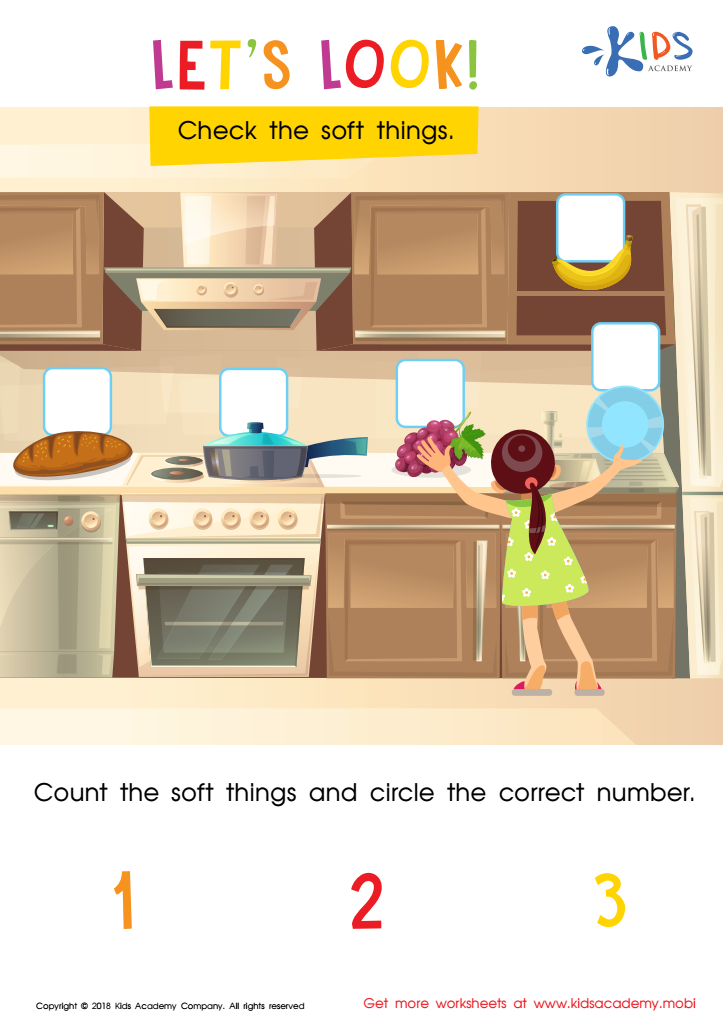
Let's Look! Assessment Worksheet
 Assign to My Students
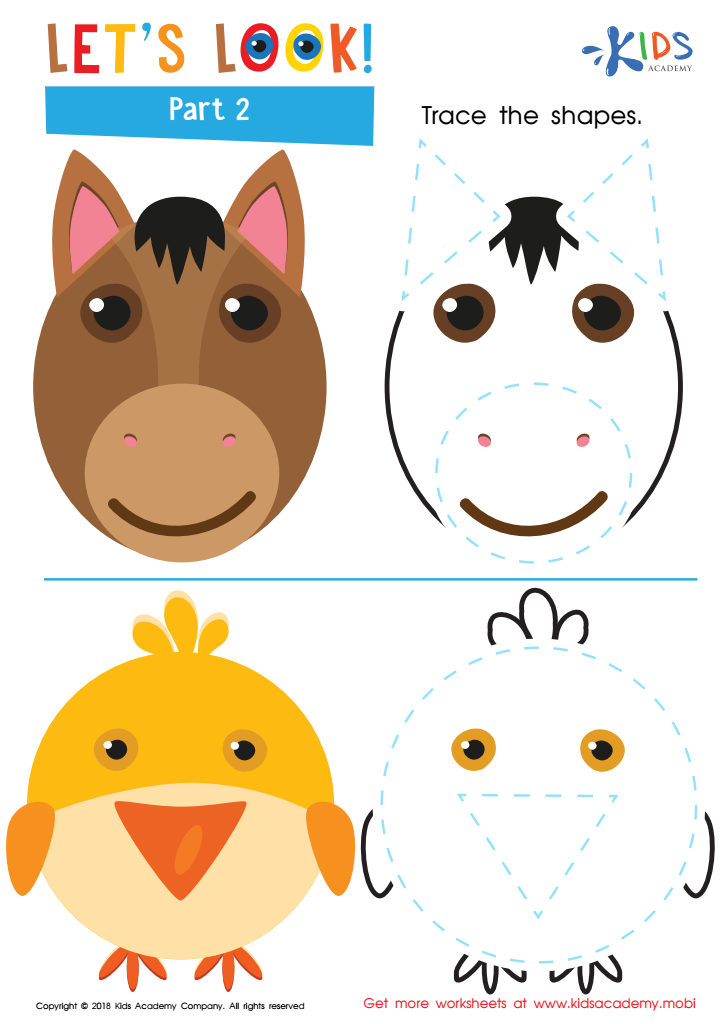
Let's Look! Part 2 Worksheet
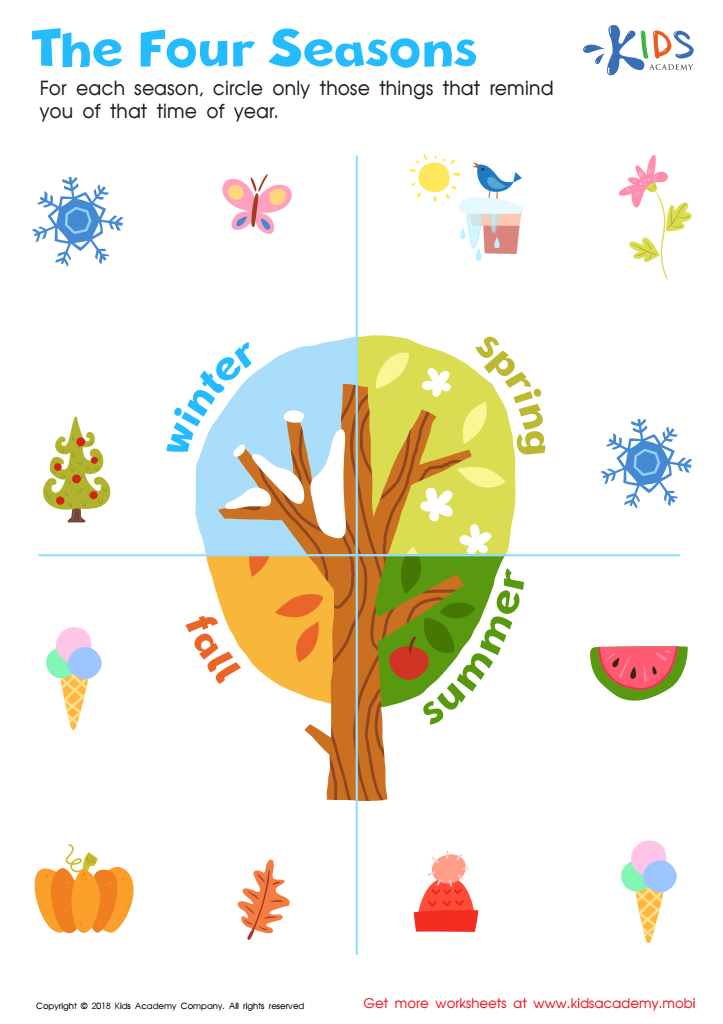
The Four Seasons Worksheet







Visual recognition is a critical skill for 3-year-olds, forming the foundation for learning and development in young children. At this age, children are naturally curious, often exploring their environment visually. They begin to identify shapes, colors, and familiar objects, which helps them make sense of the world around them. Parents and teachers should care about visual recognition because it is closely linked to cognitive, language, and motor skills development.
Encouraging visual recognition helps children improve their memory and attention span, making it easier for them to follow instructions and engage in activities. As they recognize visual cues, they build vocabulary associated with these elements, enhancing their language abilities. Additionally, strong visual recognition can aid in early literacy skills; identifying letters, words, and story elements becomes easier when children can visually associate them.
Moreover, developing these skills contributes to social-emotional growth. A child’s ability to recognize emotions in faces can lead to improved interactions with peers and adults. Consequently, parents and teachers should provide diverse visual stimuli through books, games, and educational materials, fostering an environment where visual recognition can thrive and provide pathways for future learning success. These early experiences play a vital role in laying a strong academic and social foundation.








