Filters

70 filtered results

Clear all filters
Favorites
With answer key
Interactive

70 filtered results

Difficulty Level

Grade


Check out this FREE Trial Lesson on Adding in the Forest for age 3!

Z

Favorites
With answer key
Interactive
  • 3
  • Number Recognition
  • Adding in the Forest
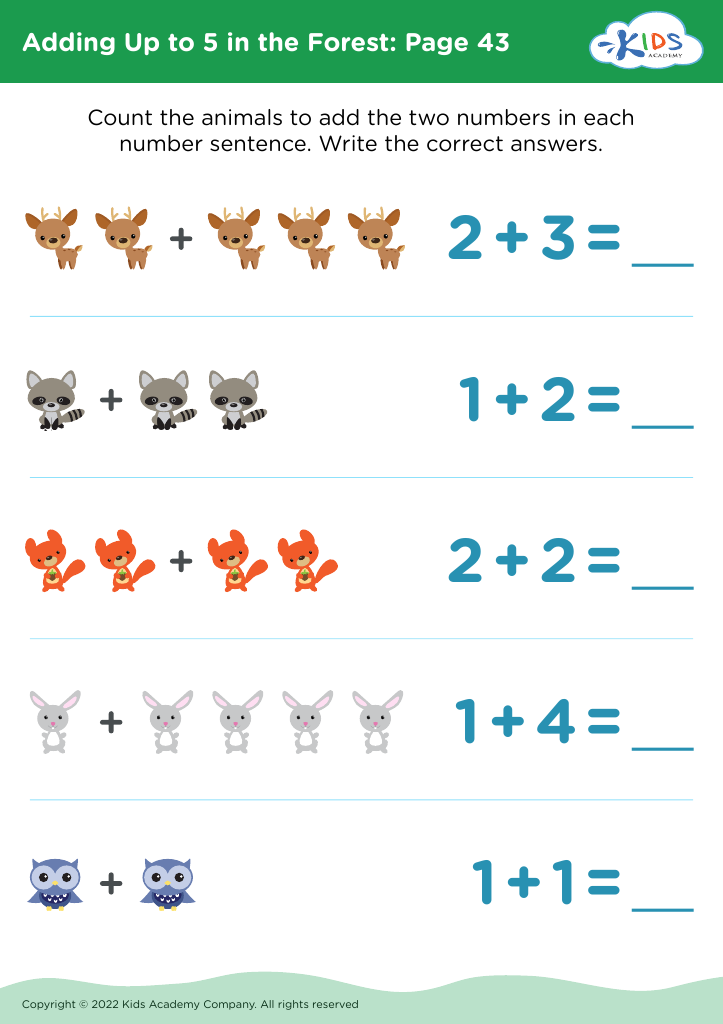
Adding Up to 5 in the Forest: Page 43
Worksheet
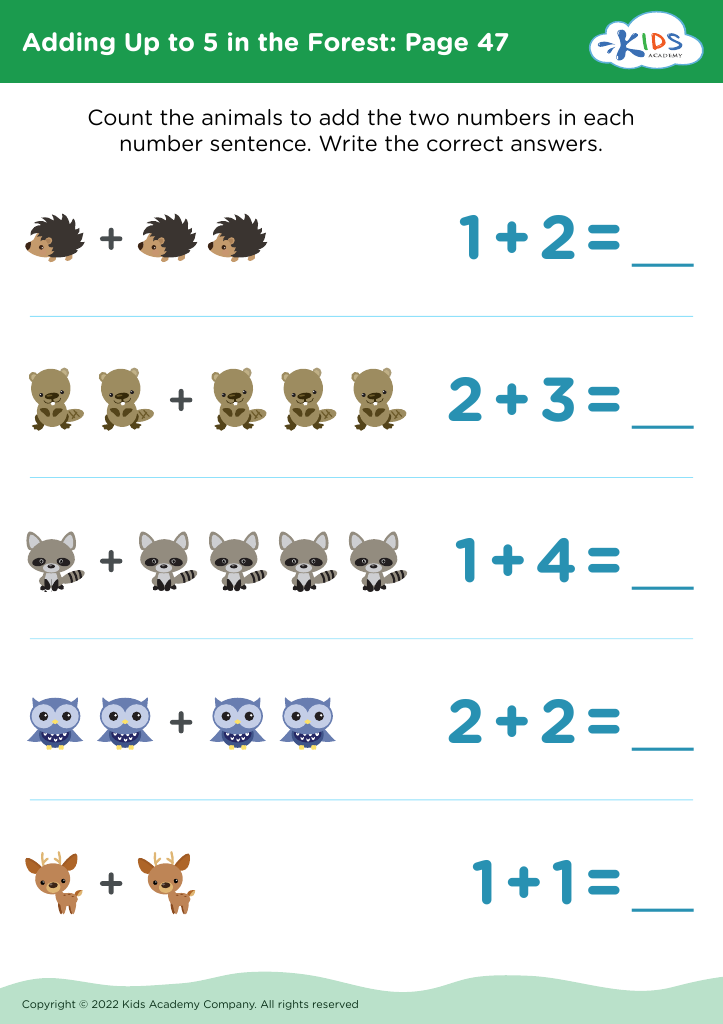
Adding Up to 5 in the Forest: Page 47
Worksheet
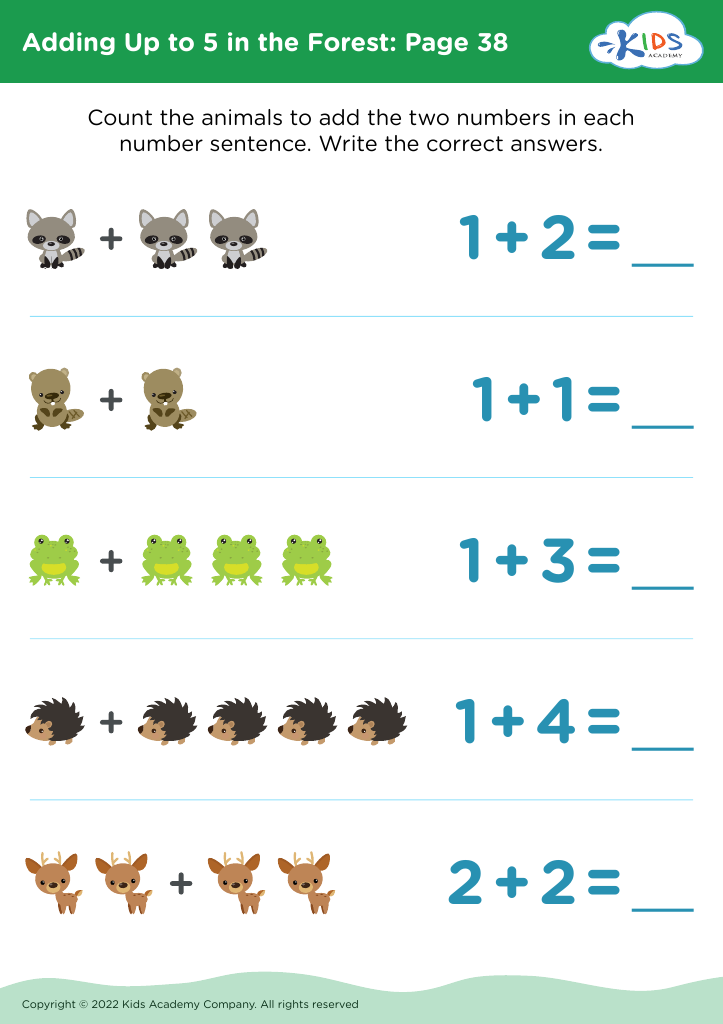
Adding Up to 5 in the Forest: Page 38
Worksheet
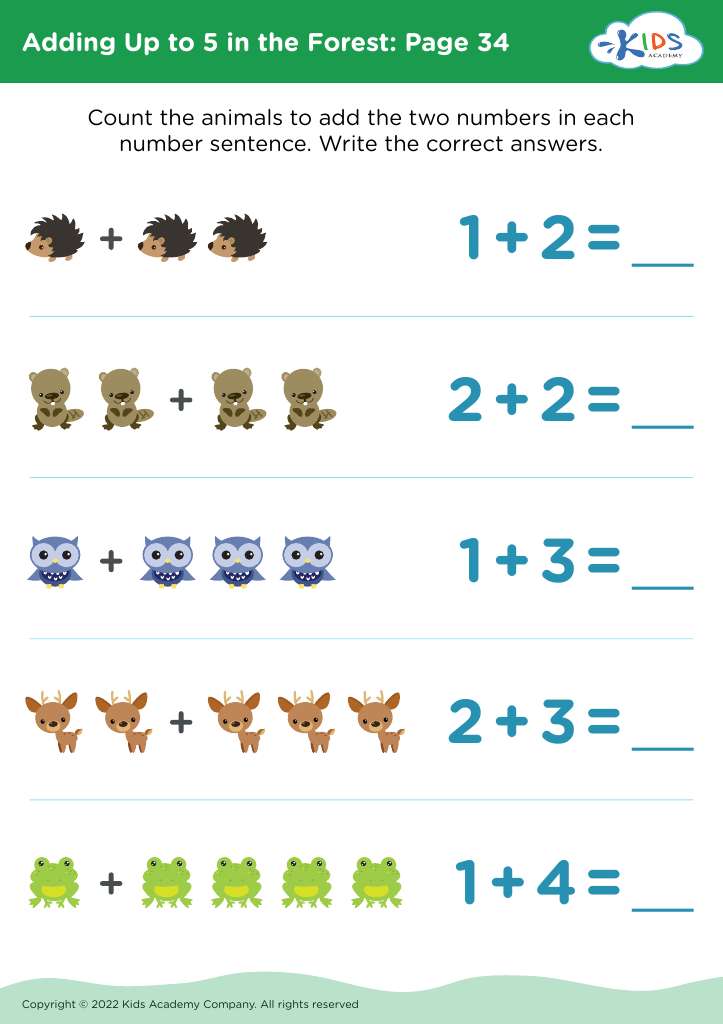
Adding Up to 5 in the Forest: Page 34
Worksheet
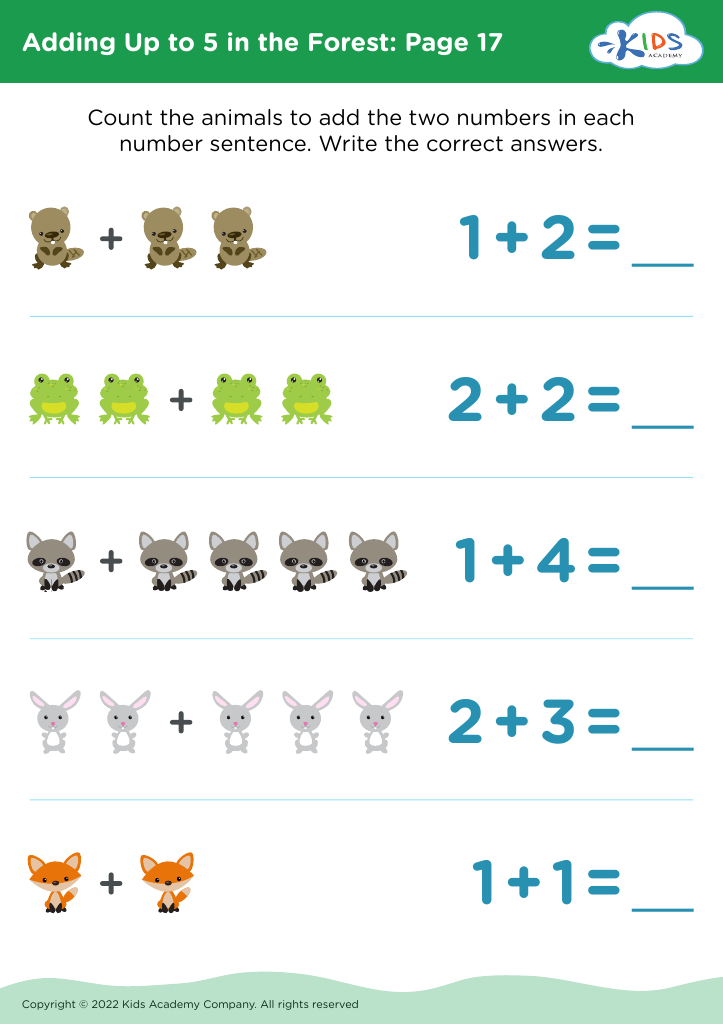
Adding Up to 5 in the Forest: Page 17
Worksheet
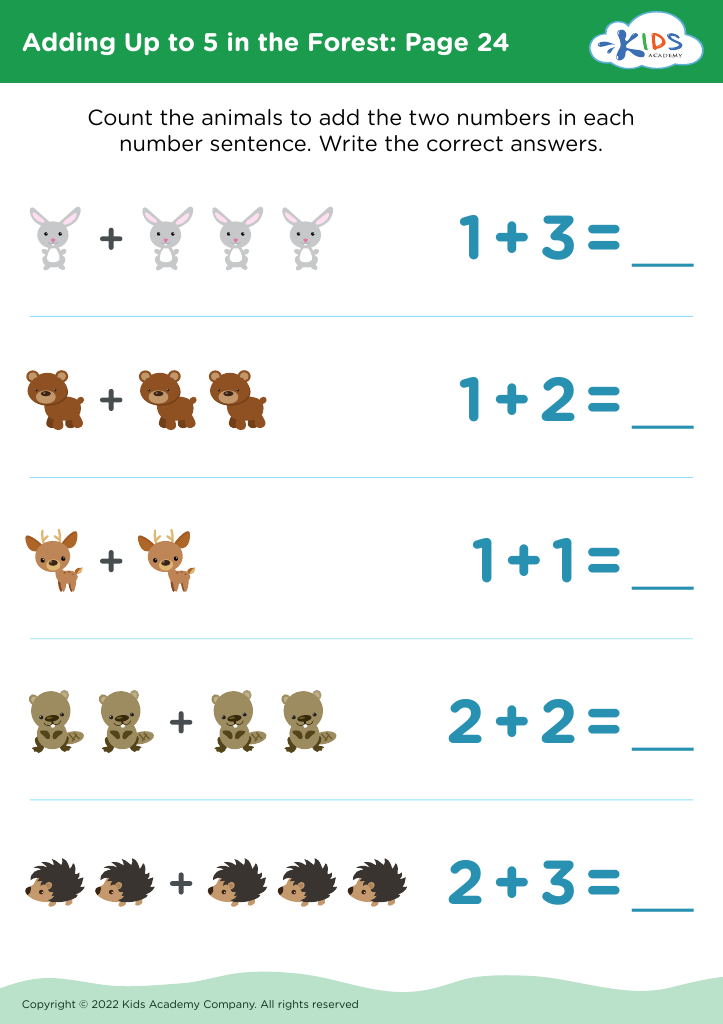
Adding Up to 5 in the Forest: Page 24
Worksheet
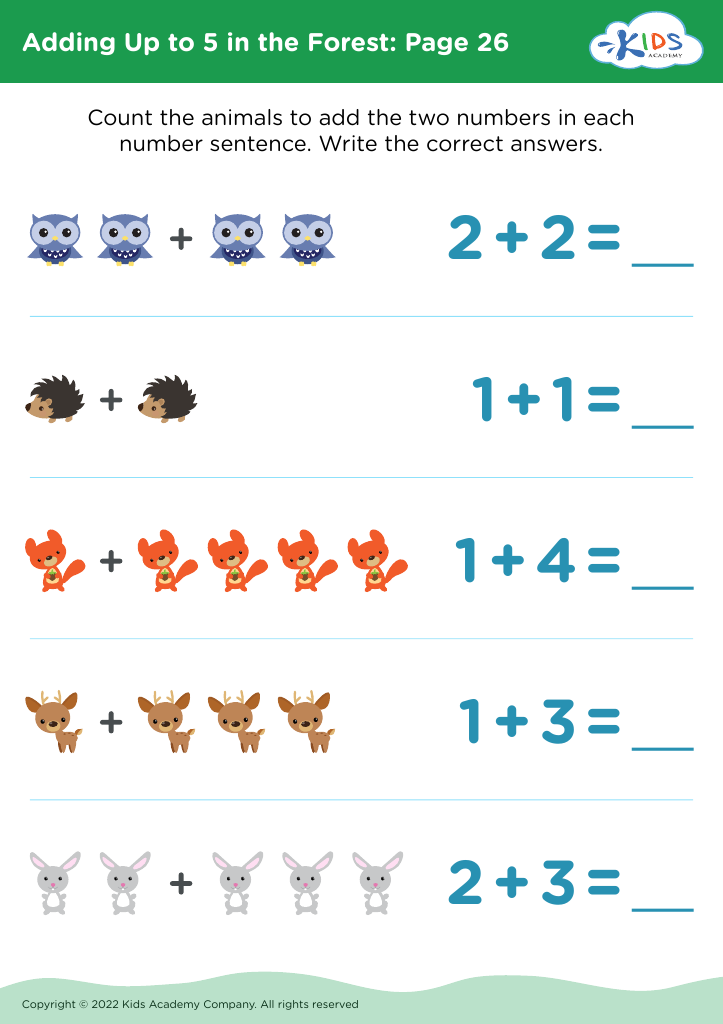
Adding Up to 5 in the Forest: Page 26
Worksheet
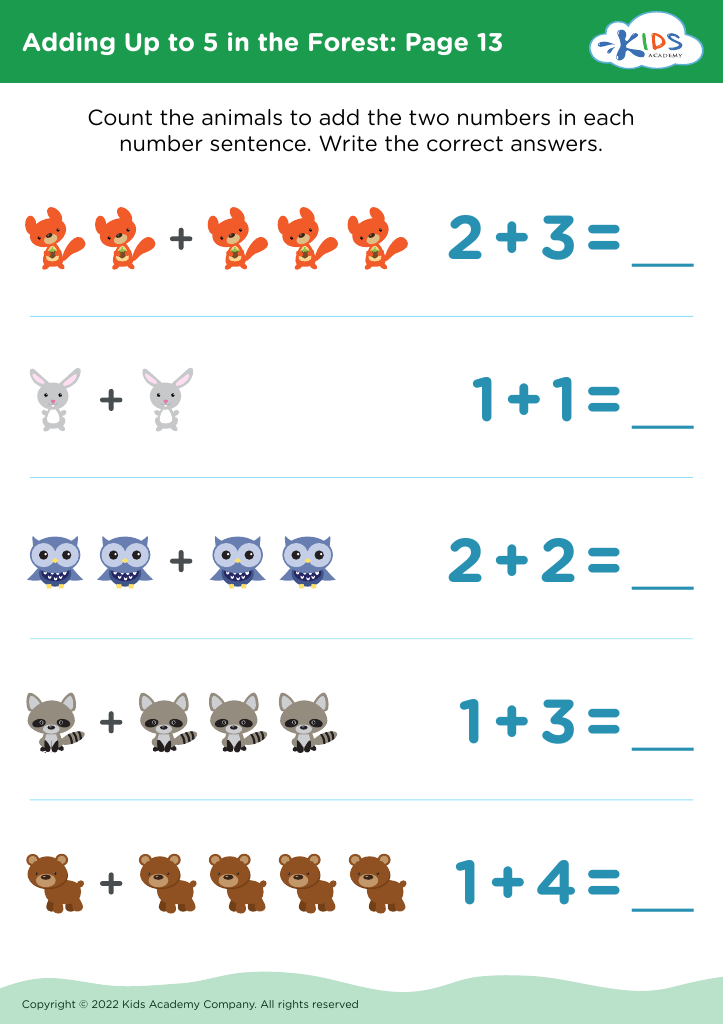
Adding Up to 5 in the Forest: Page 13
Worksheet
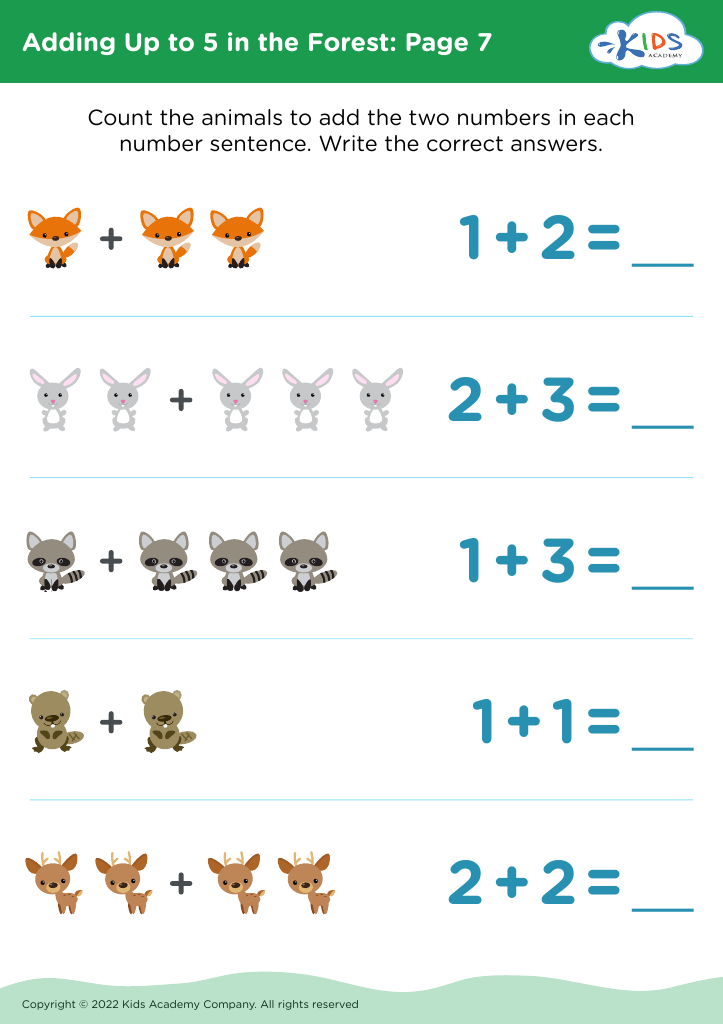
Adding Up to 5 in the Forest: Page 7
Worksheet
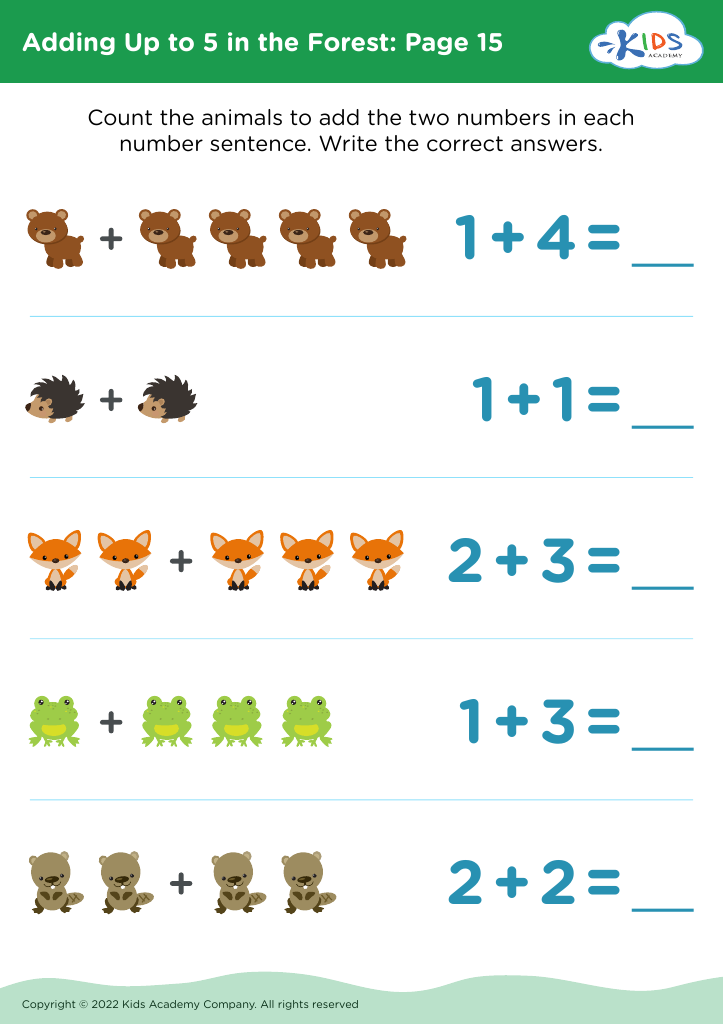
Adding Up to 5 in the Forest: Page 15
Worksheet
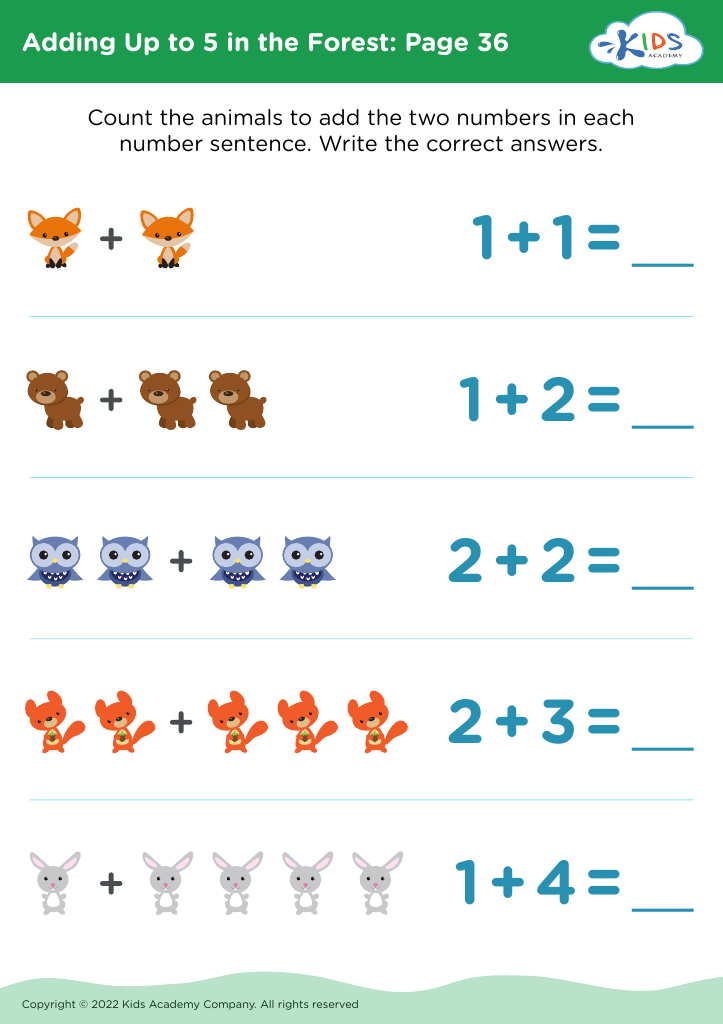
Adding Up to 5 in the Forest: Page 36
Worksheet
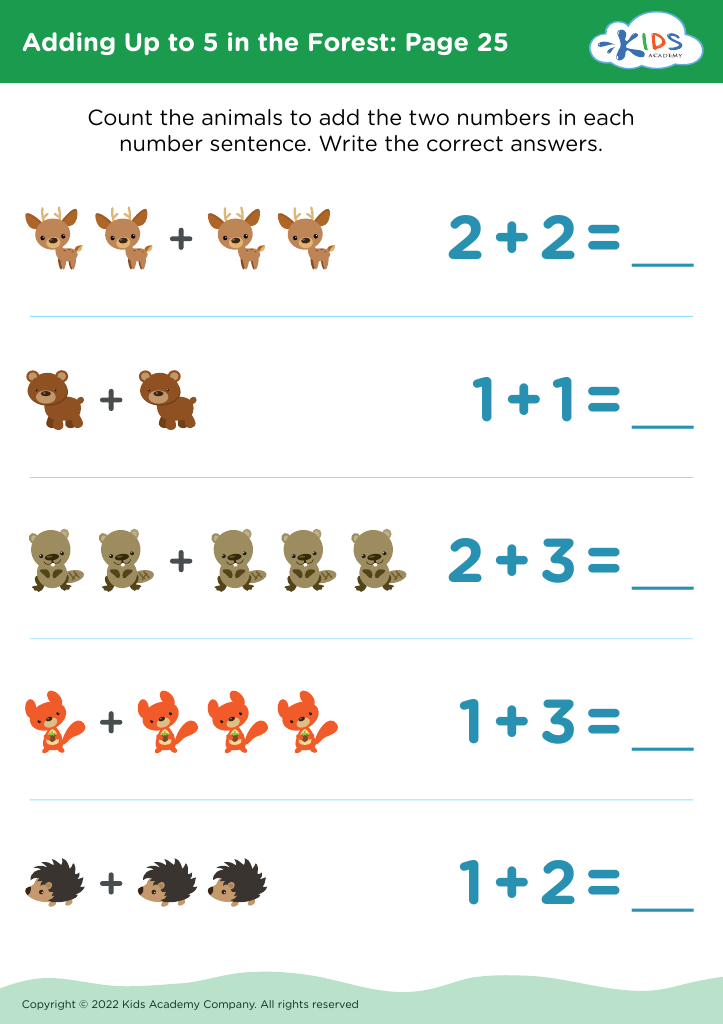
Adding Up to 5 in the Forest: Page 25
Worksheet
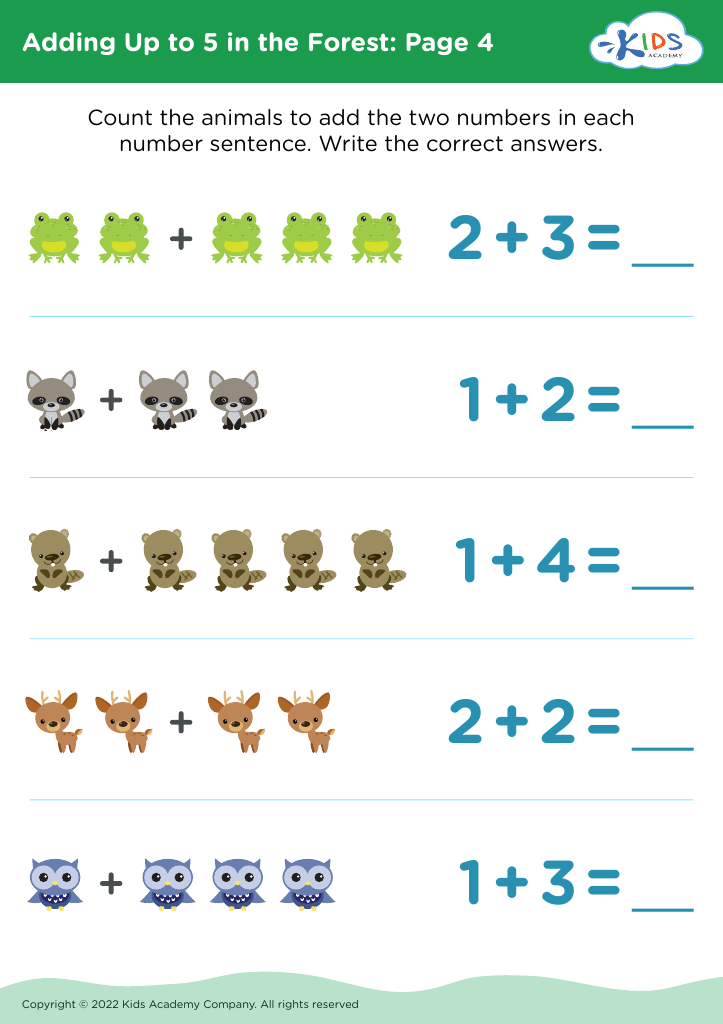
Adding Up to 5 in the Forest: Page 4
Worksheet
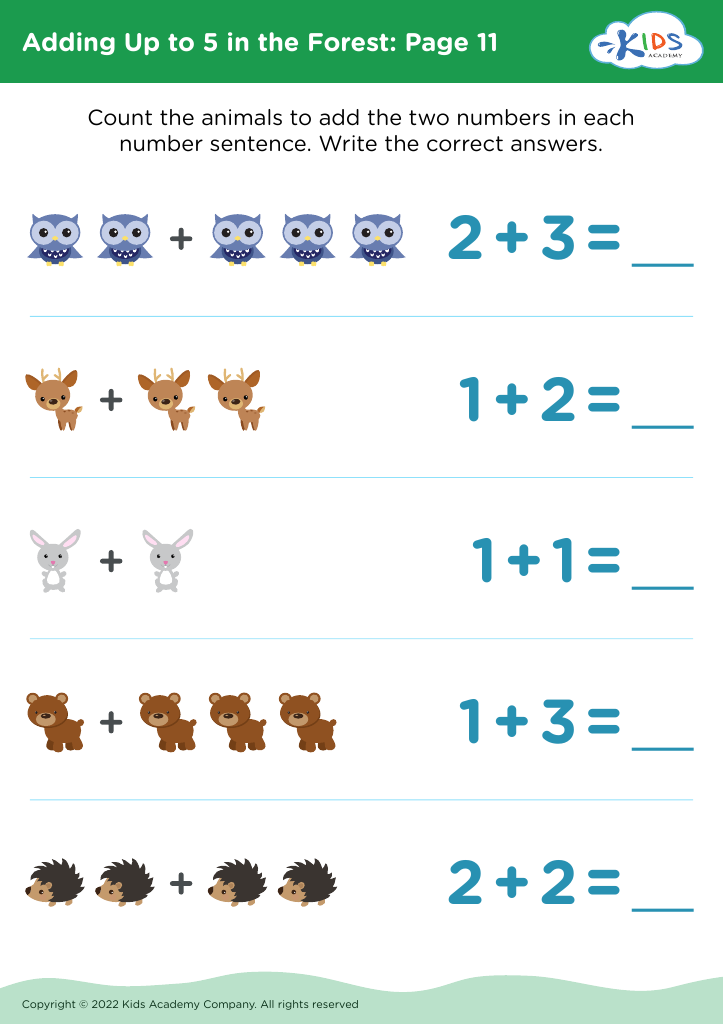
Adding Up to 5 in the Forest: Page 11
Worksheet
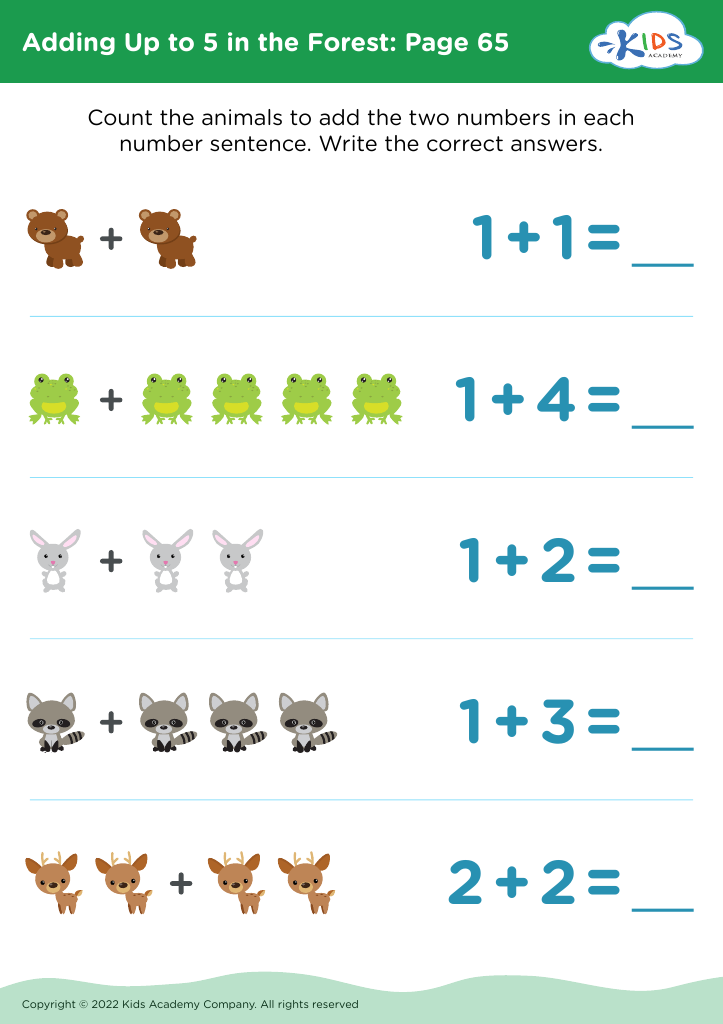
Adding Up to 5 in the Forest: Page 65
Worksheet
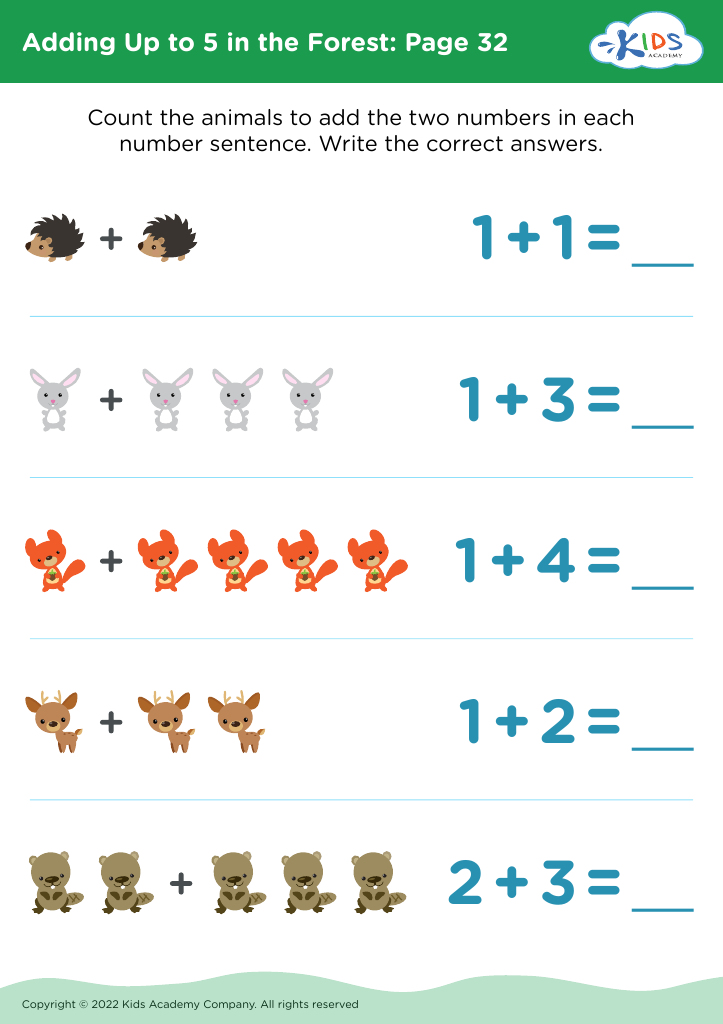
Adding Up to 5 in the Forest: Page 32
Worksheet
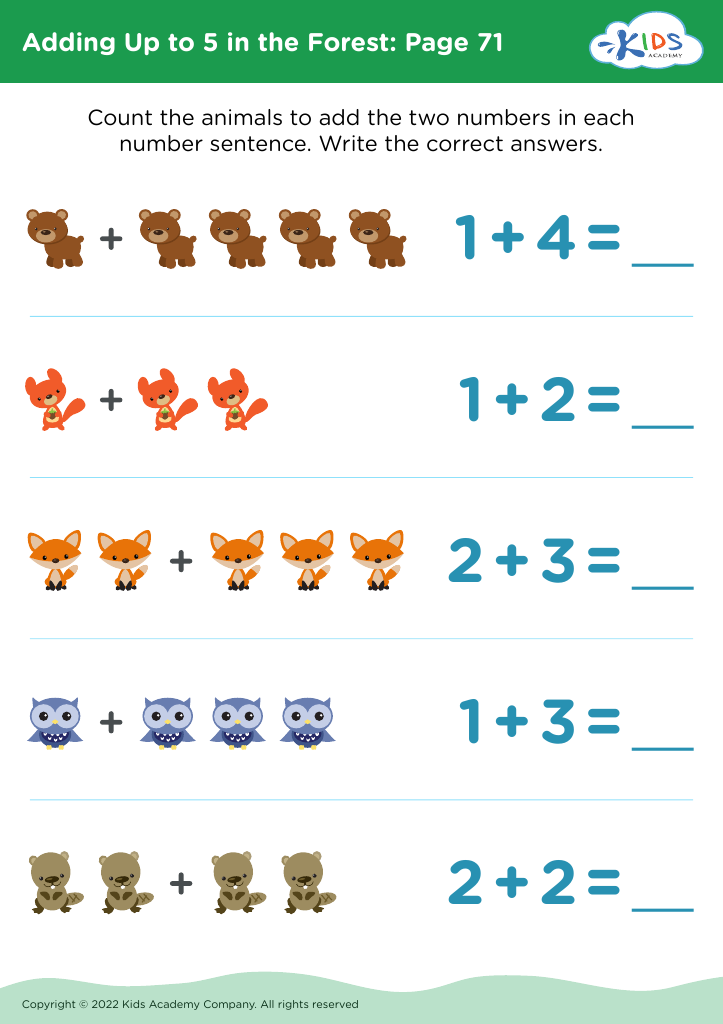
Adding Up to 5 in the Forest: Page 71
Worksheet
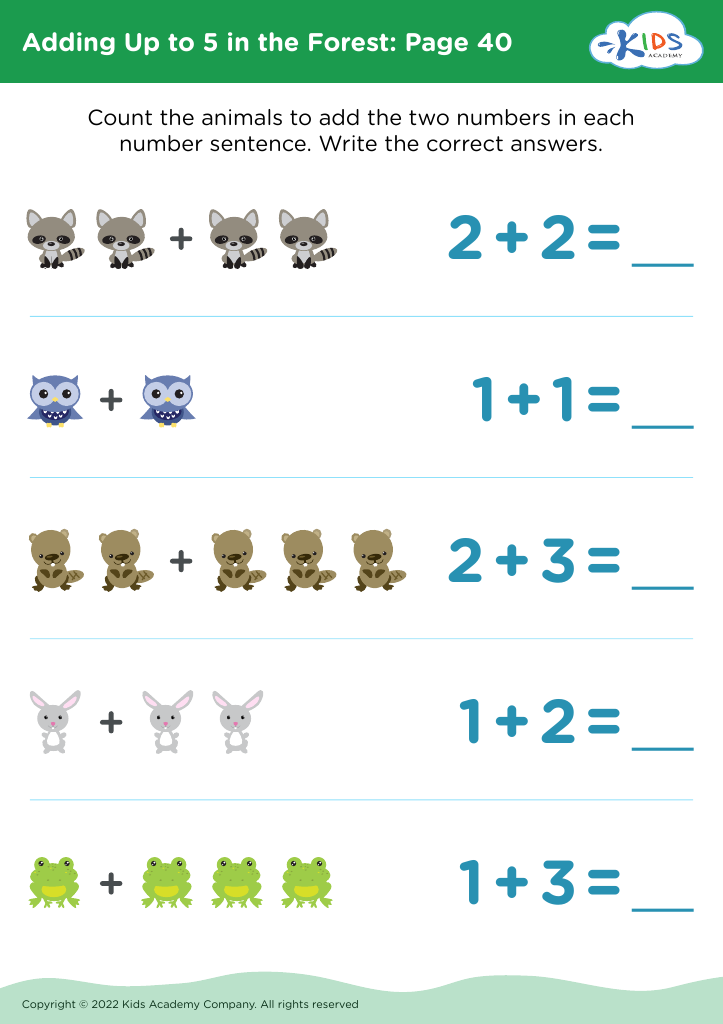
Adding Up to 5 in the Forest: Page 40
Worksheet
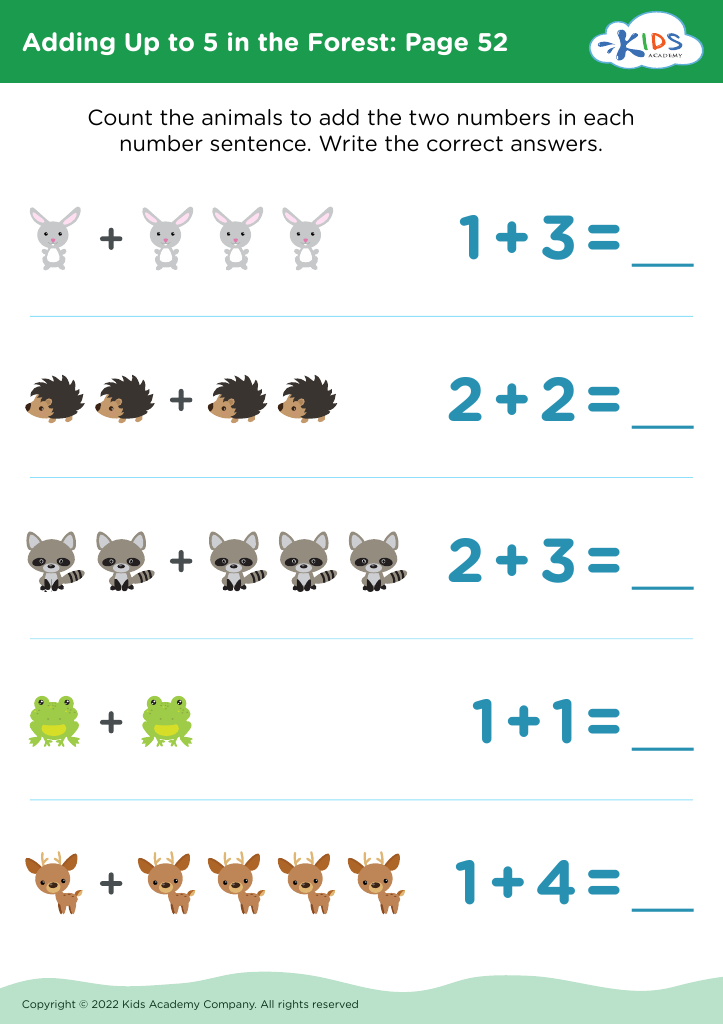
Adding Up to 5 in the Forest: Page 52
Worksheet
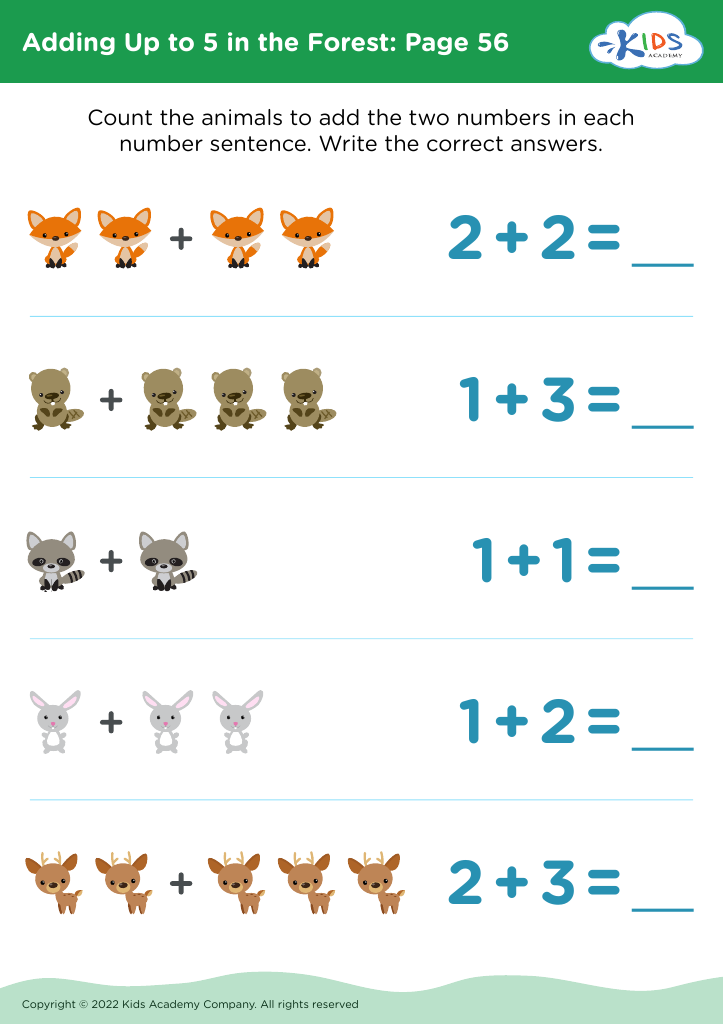
Adding Up to 5 in the Forest: Page 56
Worksheet
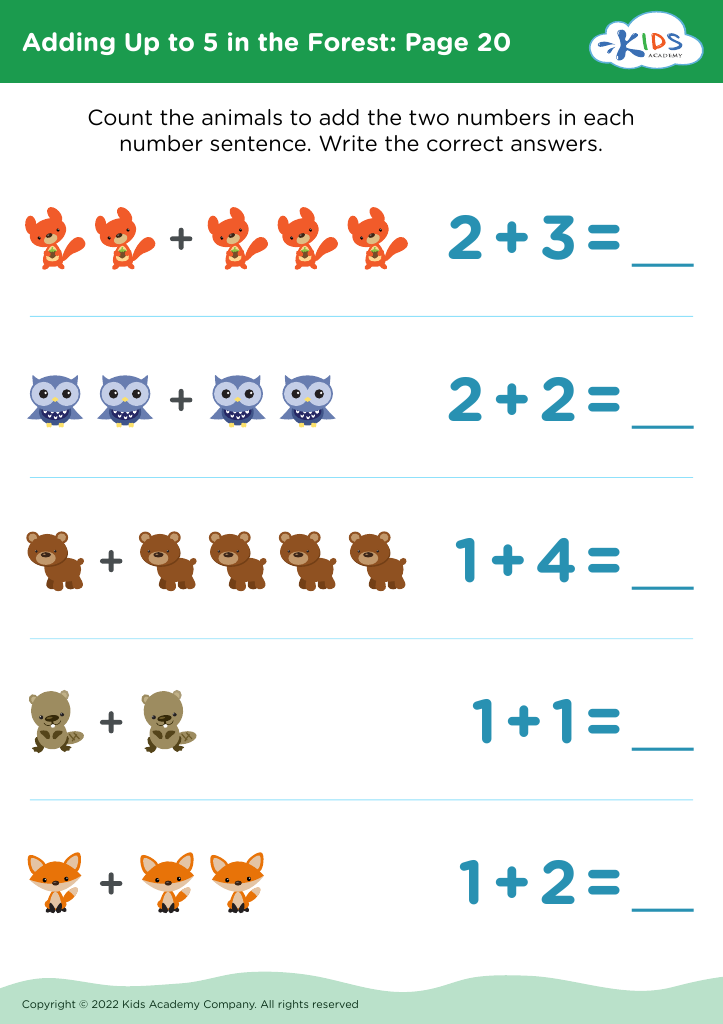
Adding Up to 5 in the Forest: Page 20
Worksheet
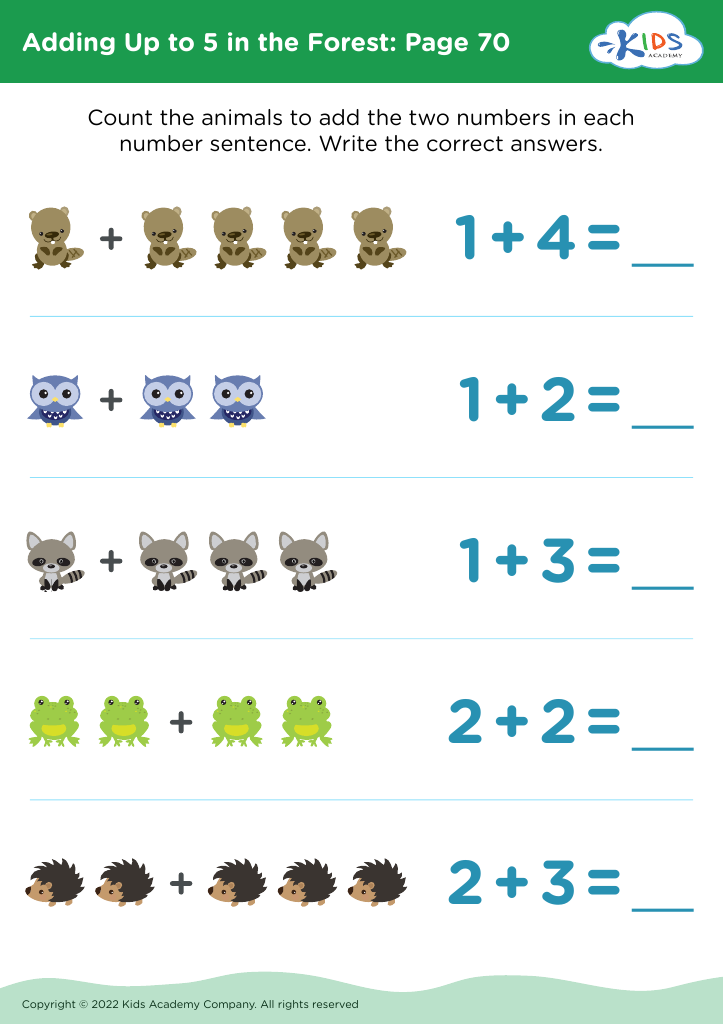
Adding Up to 5 in the Forest: Page 70
Worksheet
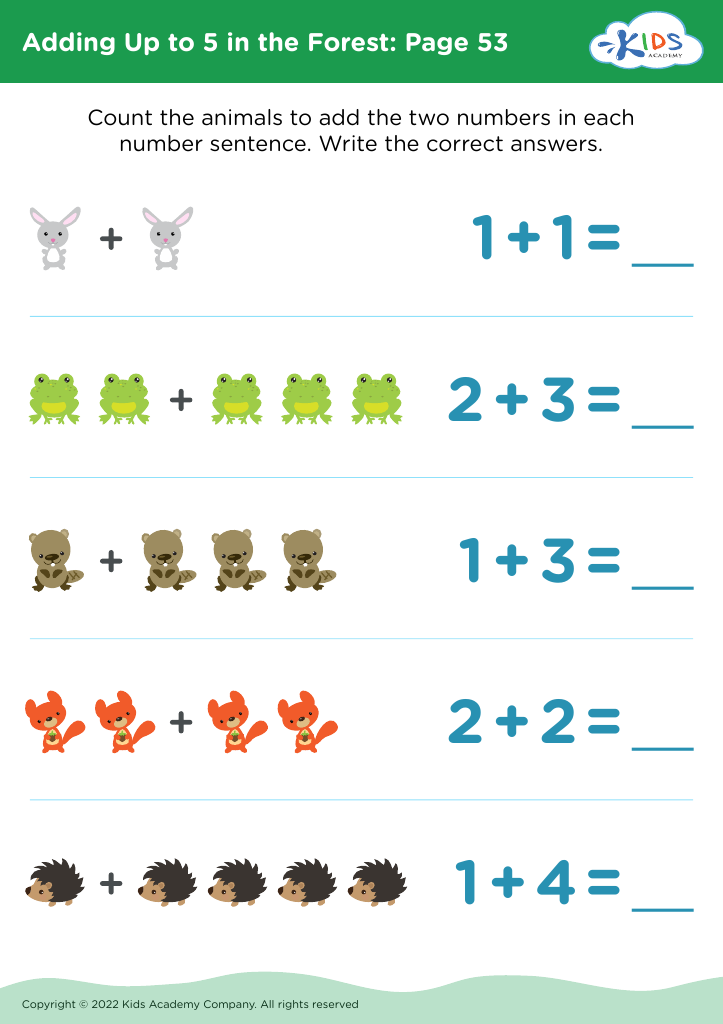
Adding Up to 5 in the Forest: Page 53
Worksheet
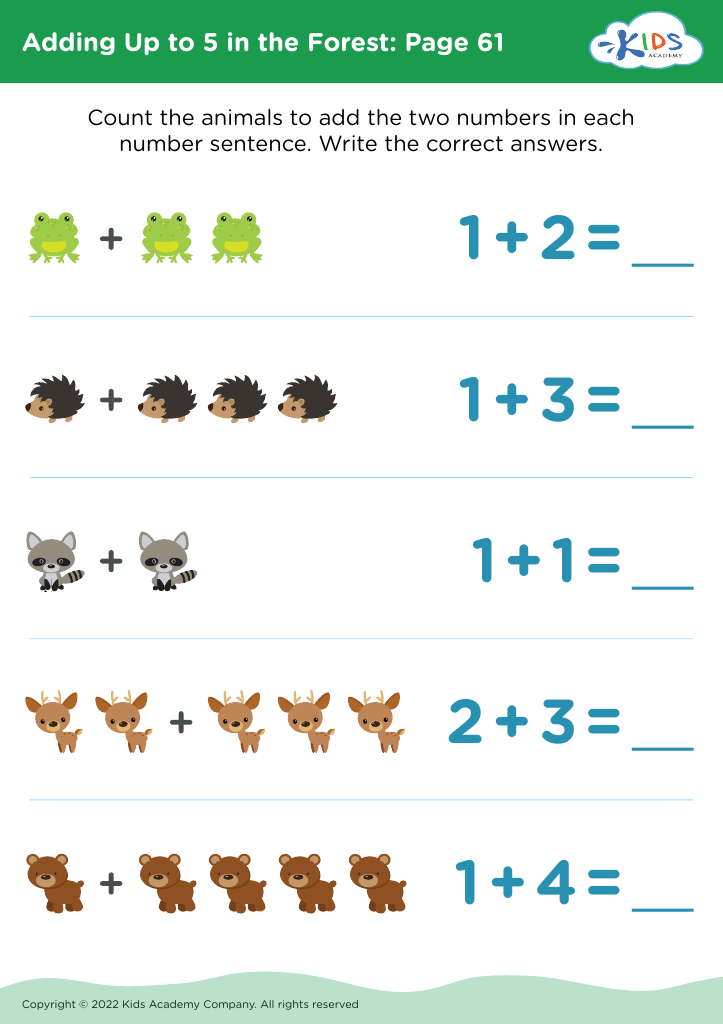
Adding Up to 5 in the Forest: Page 61
Worksheet


Number recognition and basic addition are foundational skills that play a pivotal role in a child's early cognitive development. Introducing concepts like "Number Recognition Adding in the Forest," even to 3-year-olds, can make learning engaging and fun. This approach uses playful, nature-inspired themes that can spark children's natural curiosity and enthusiasm.

Firstly, learning to recognize numbers is crucial for early mathematical understanding. It helps children differentiate quantities, setting the stage for more complex math skills in later years. Additionally, incorporating a thematic element like nature allows for experiential learning, where children can associate numbers with tangible objects they encounter, fostering deeper comprehension.

Furthermore, integrating activities in a forest setting or using nature-inspired visuals can enhance attention and retention. This not only keeps young learners engaged but also promotes emotional and sensory connections to numbers. Teachers and parents should prioritize such learning experiences to develop early numeracy skills while also encouraging exploration and interaction with the environment.

Ultimately, caring about these early learning concepts creates a strong foundation for future academic success and instills a positive mindset toward learning in young children. When approached with fun and creativity, number recognition and basic addition can be a cherished exploration for both parents and educators.