Check out this FREE Trial Lesson on Adding Up to 5 for age 3!

Short and Long Vowel Sort

Favorites
With answer key
Interactive
  • 3
  • Basic Addition Skills
  • Adding Up to 5
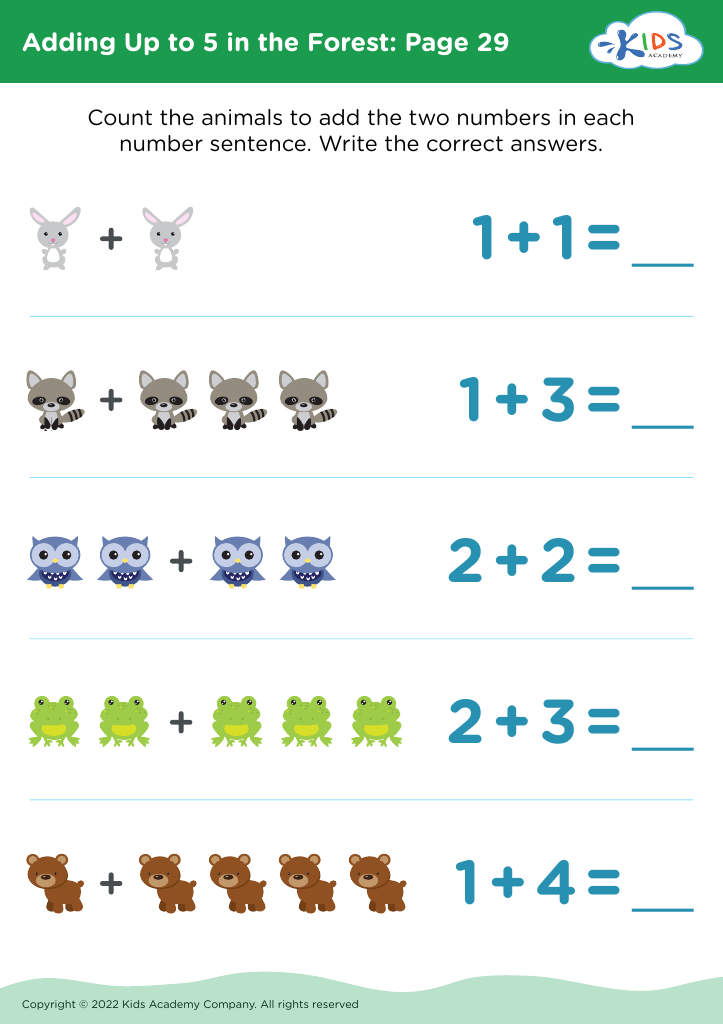
Adding Up to 5 in the Forest: Page 29
Worksheet
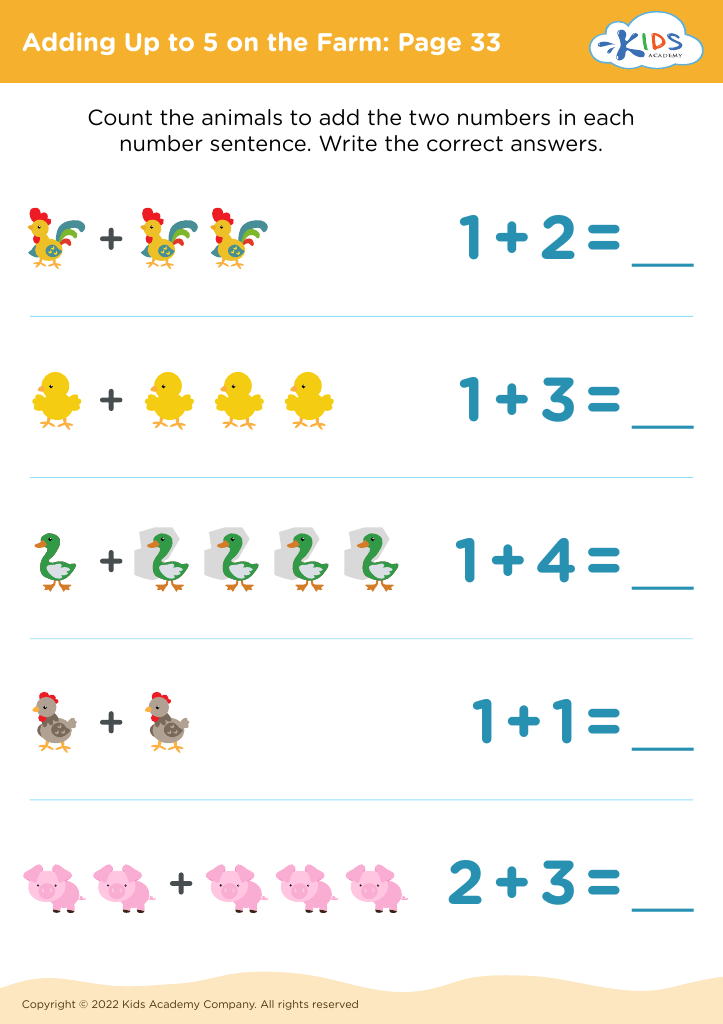
Adding Up to 5 on the Farm: Page 33
Worksheet
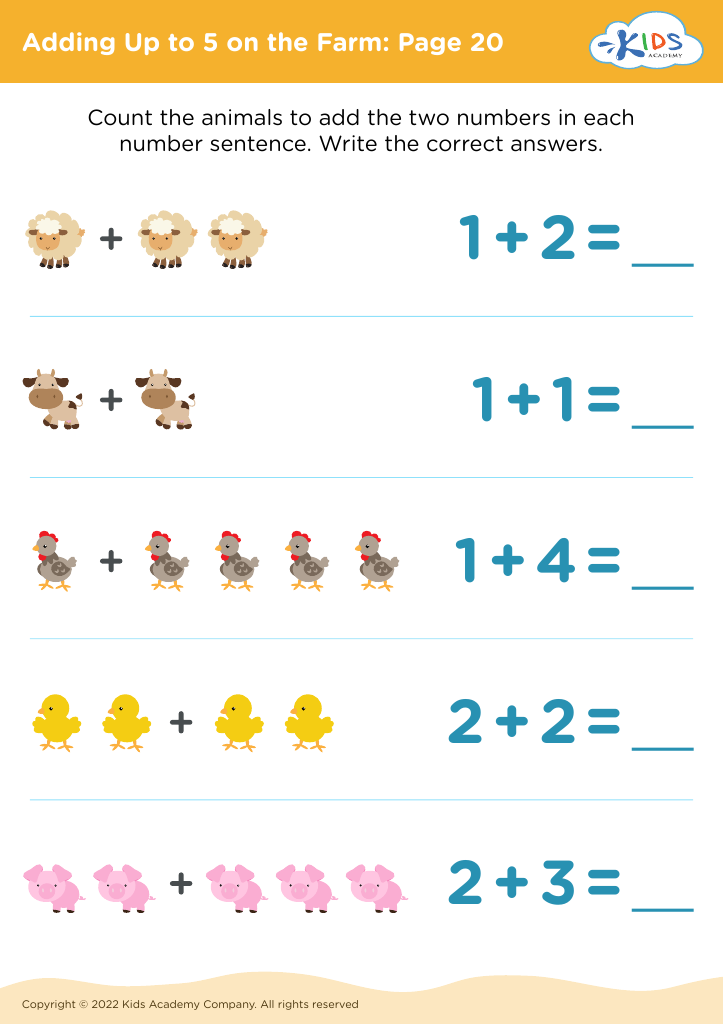
Adding Up to 5 on the Farm: Page 20
Worksheet
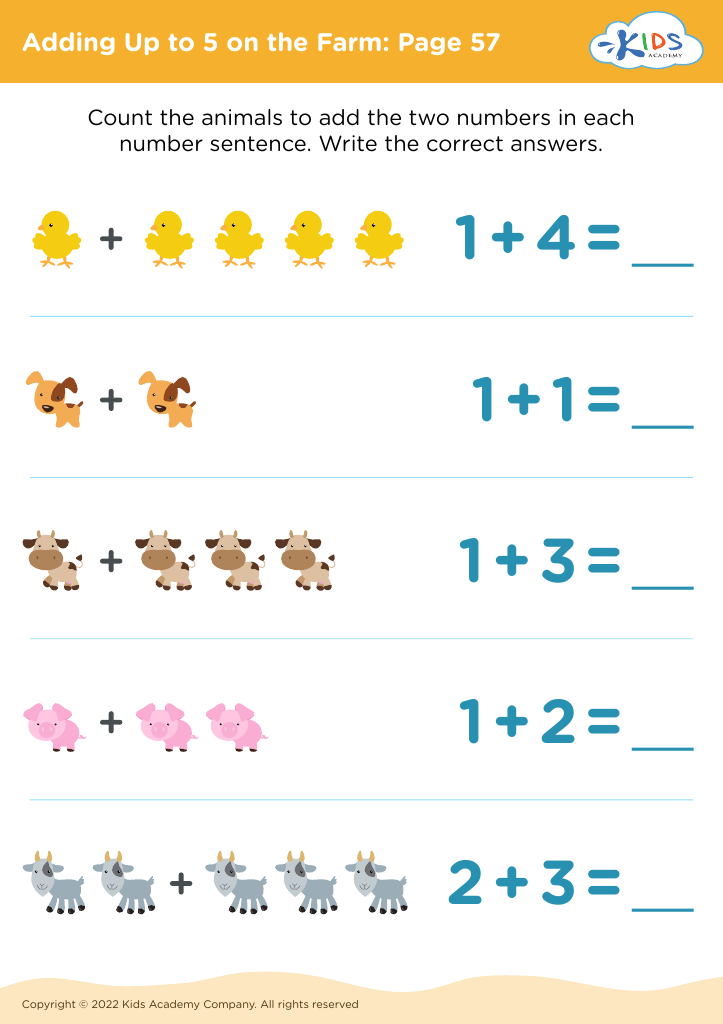
Adding Up to 5 on the Farm: Page 57
Worksheet
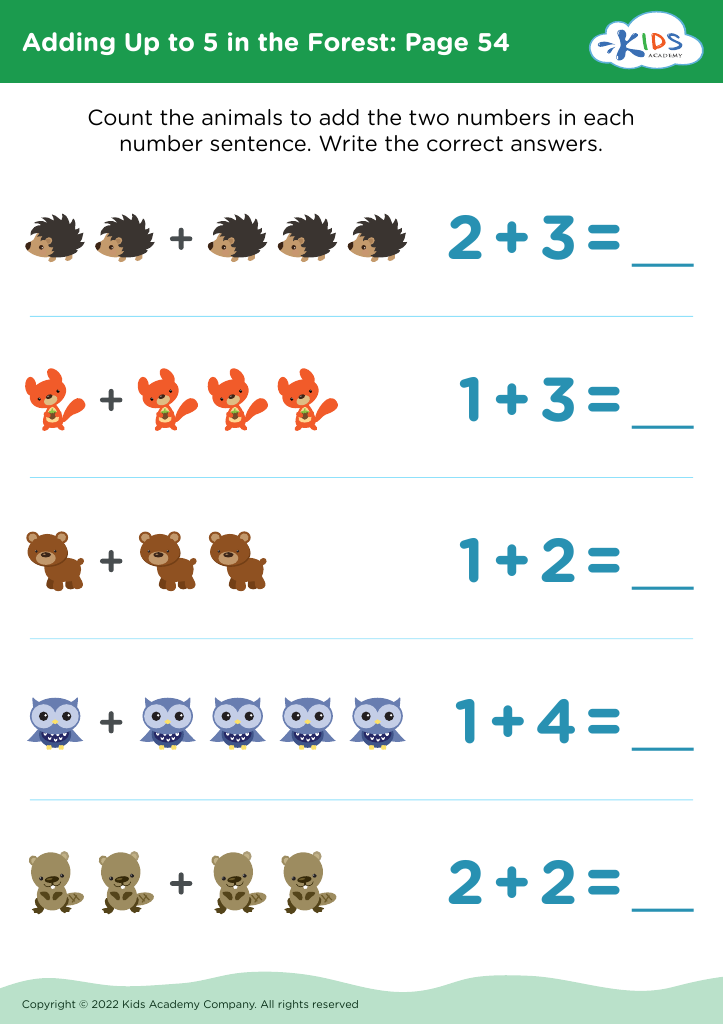
Adding Up to 5 in the Forest: Page 54
Worksheet
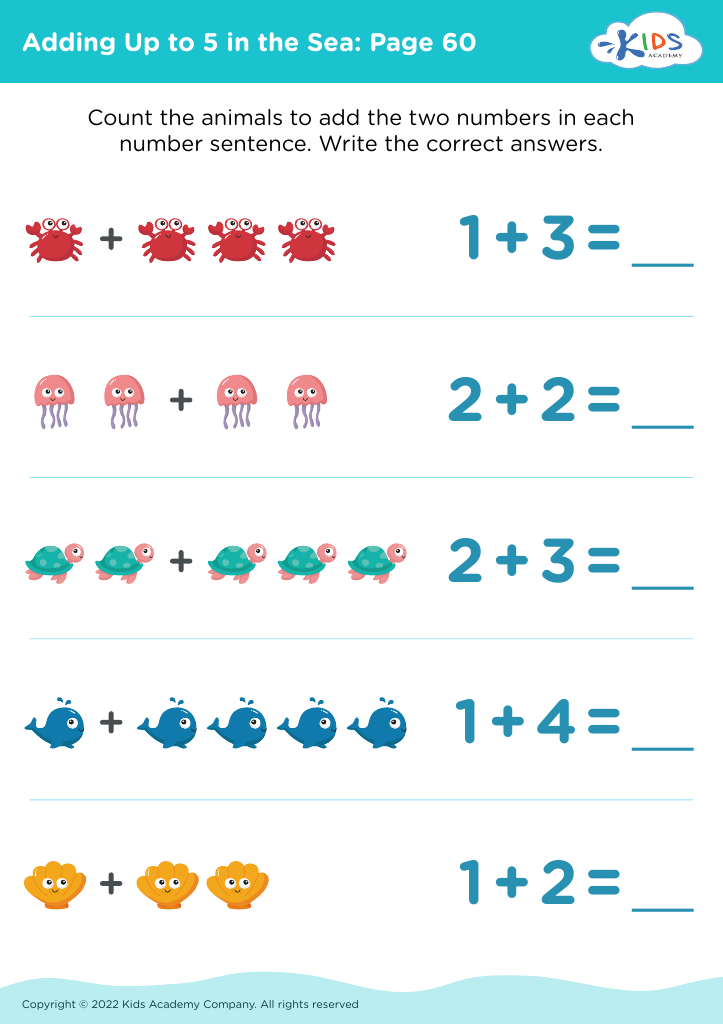
Adding Up to 5 in the Sea: Page 60
Worksheet
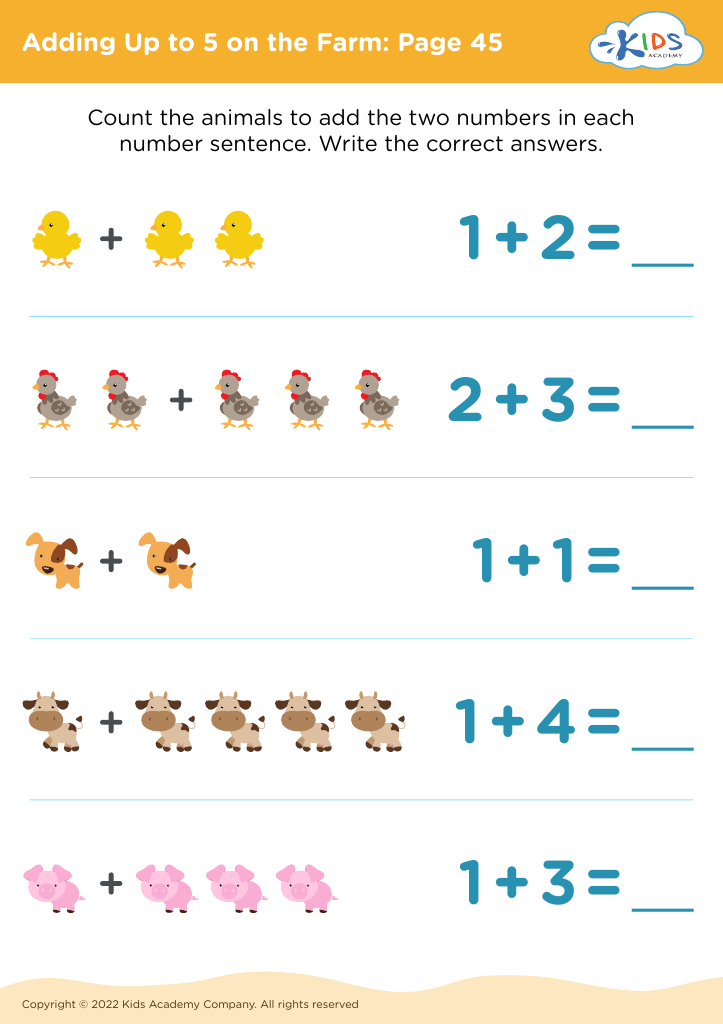
Adding Up to 5 on the Farm: Page 45
Worksheet
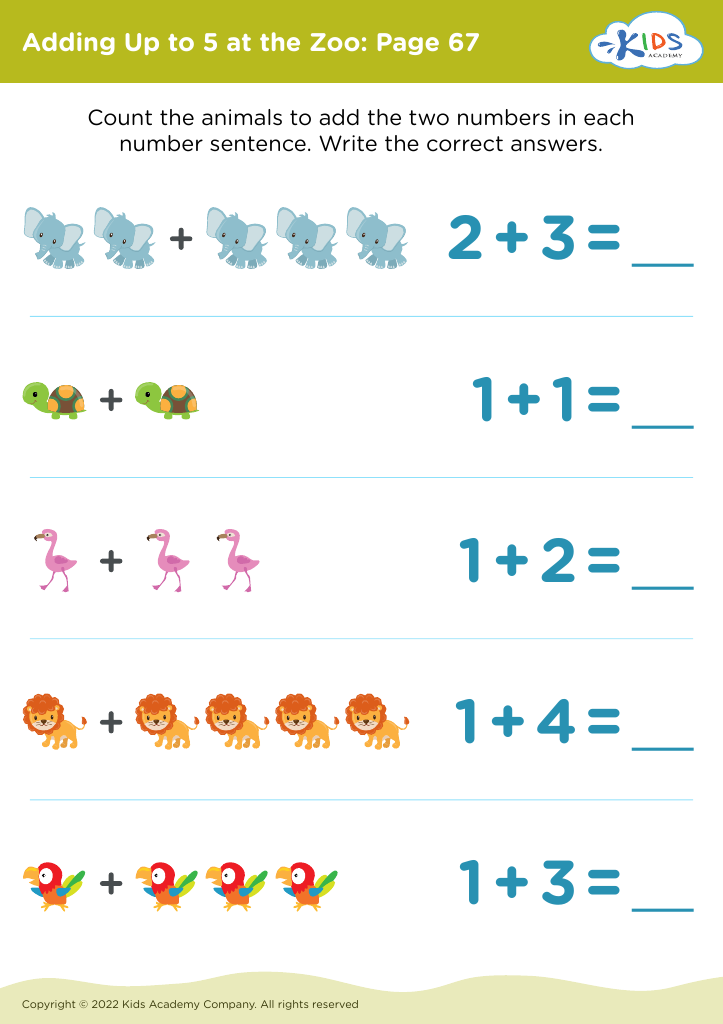
Adding Up to 5 at the Zoo: Page 67
Worksheet
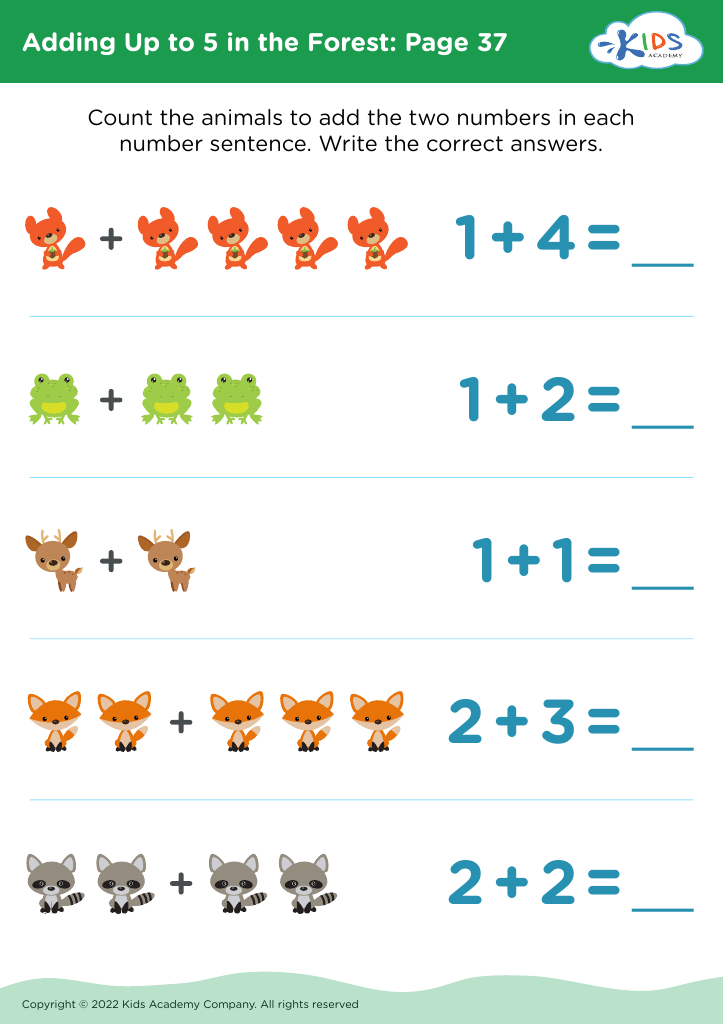
Adding Up to 5 in the Forest: Page 37
Worksheet
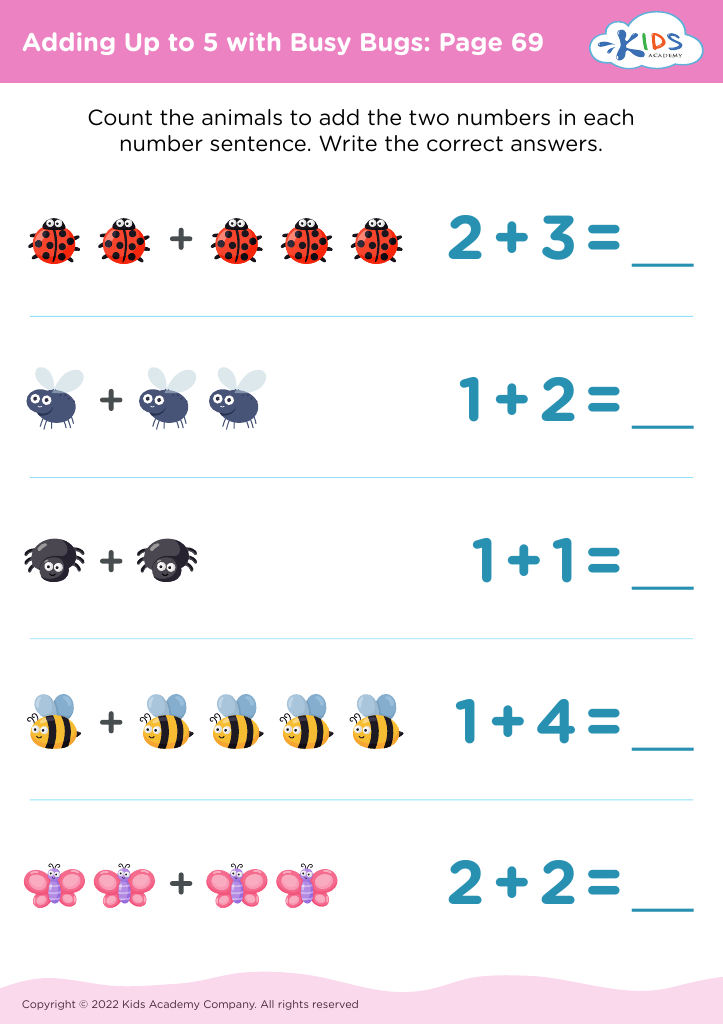
Adding Up to 5 with Busy Bugs: Page 69
Worksheet
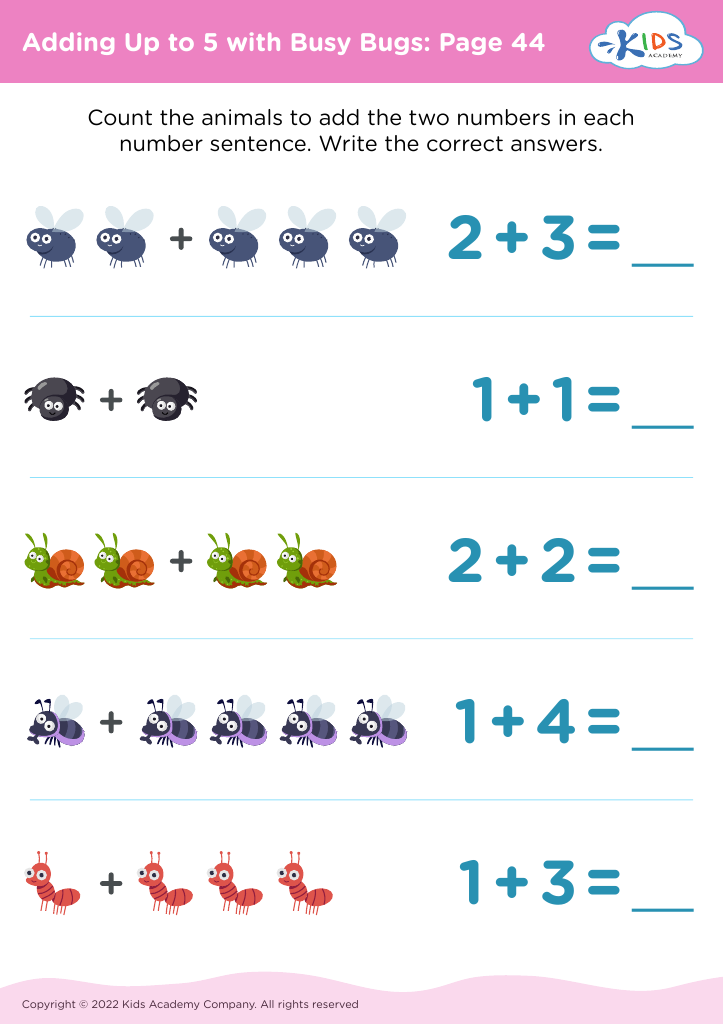
Adding Up to 5 with Busy Bugs: Page 44
Worksheet
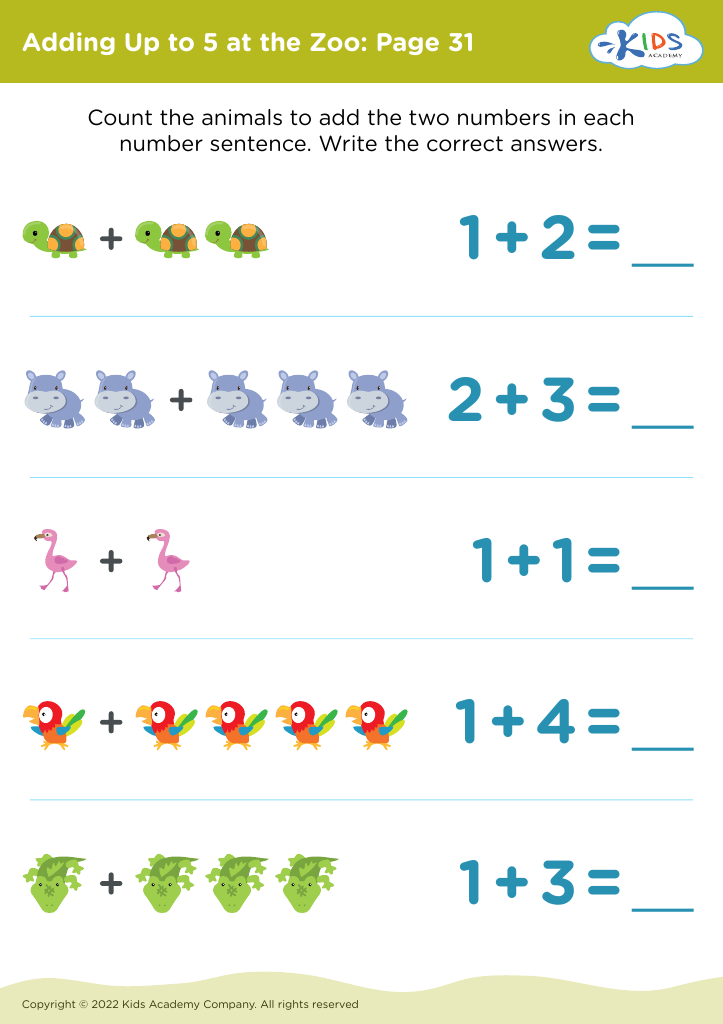
Adding Up to 5 at the Zoo: Page 31
Worksheet
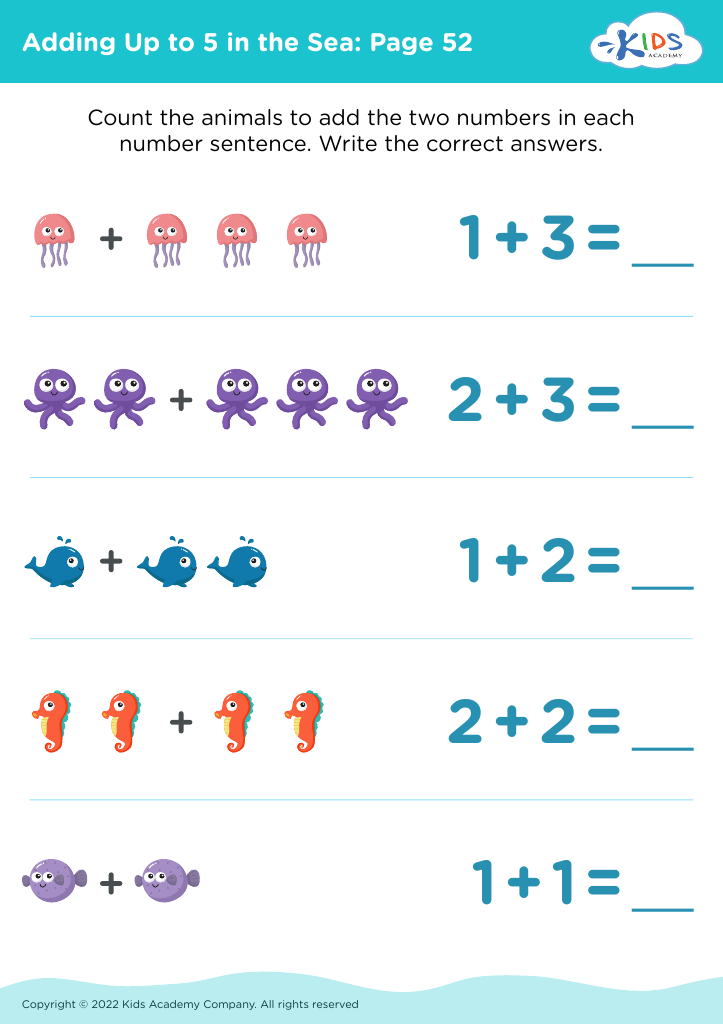
Adding Up to 5 in the Sea: Page 52
Worksheet
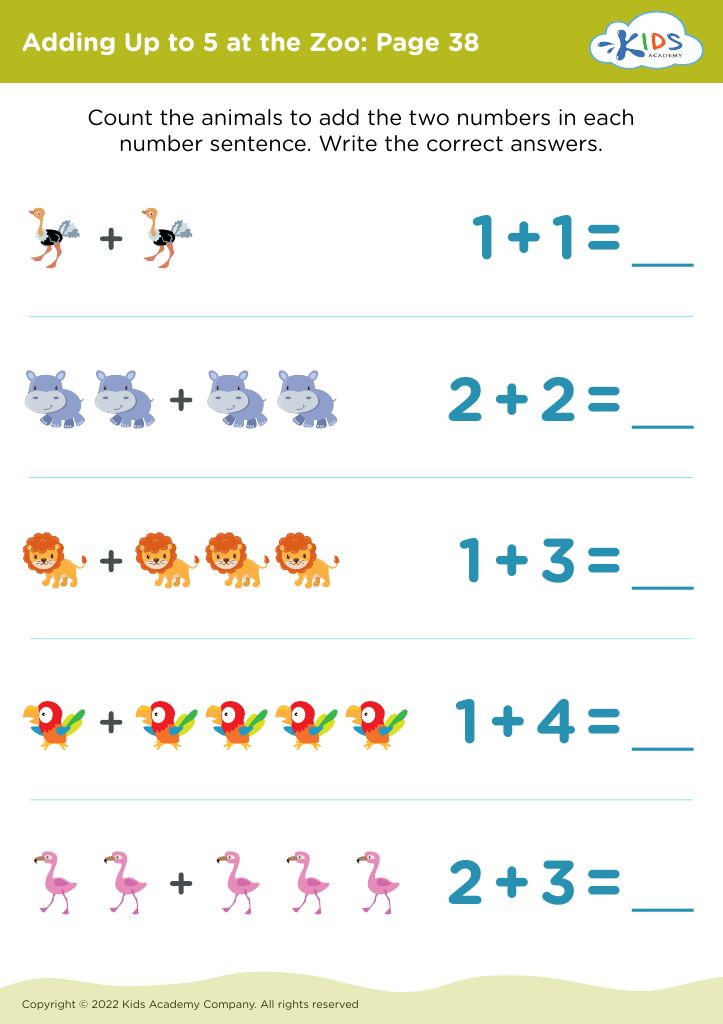
Adding Up to 5 at the Zoo: Page 38
Worksheet
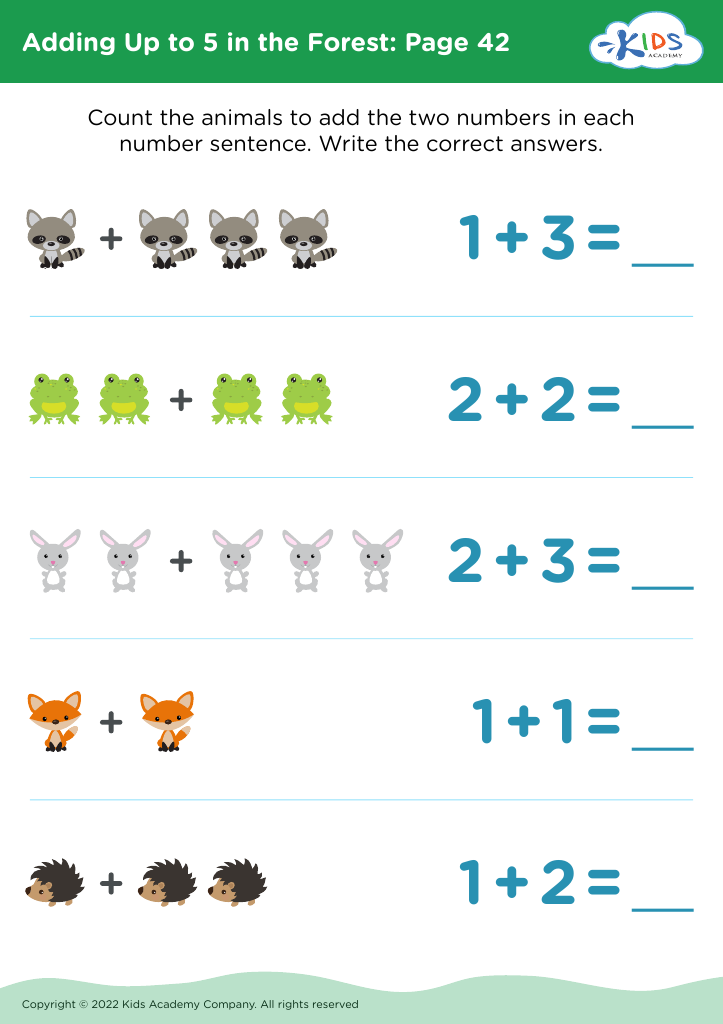
Adding Up to 5 in the Forest: Page 42
Worksheet
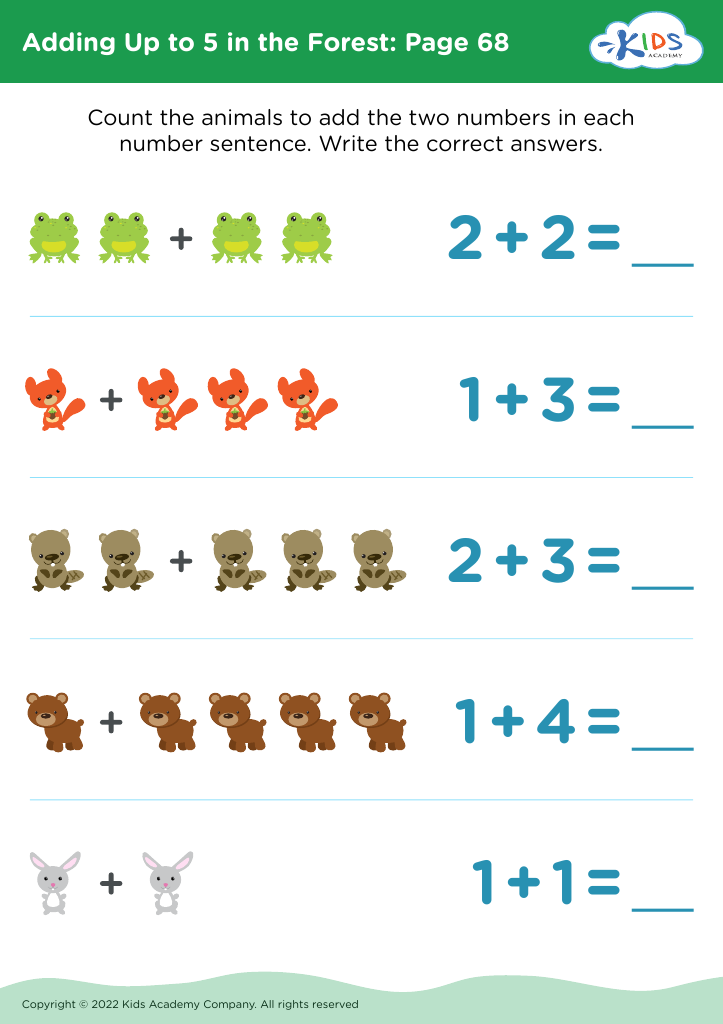
Adding Up to 5 in the Forest: Page 68
Worksheet
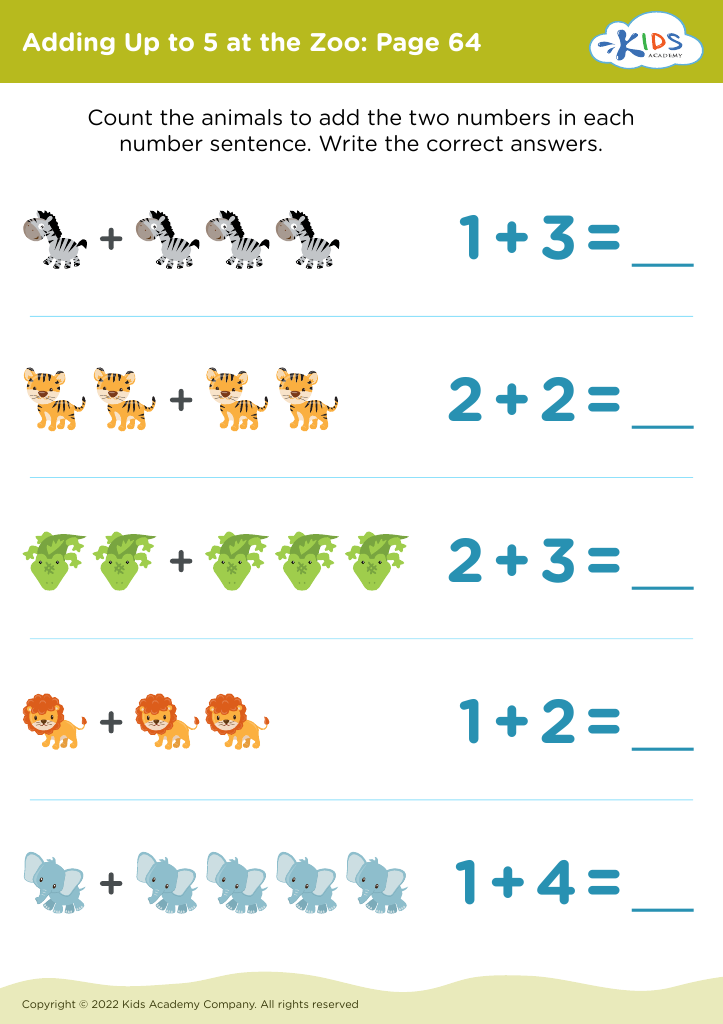
Adding Up to 5 at the Zoo: Page 64
Worksheet
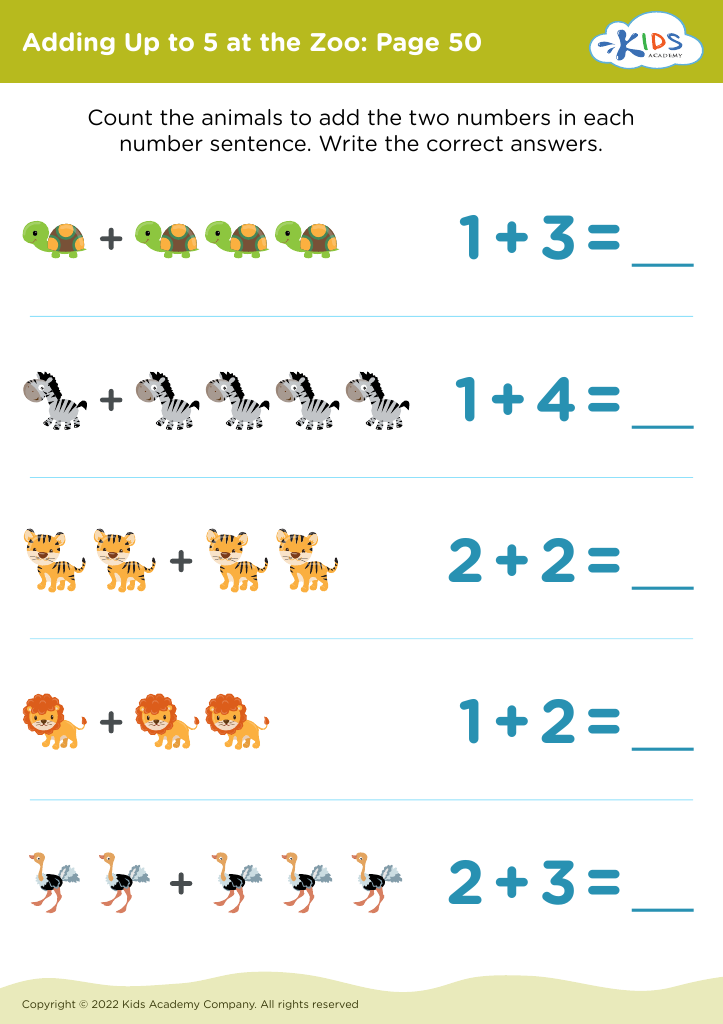
Adding Up to 5 at the Zoo: Page 50
Worksheet
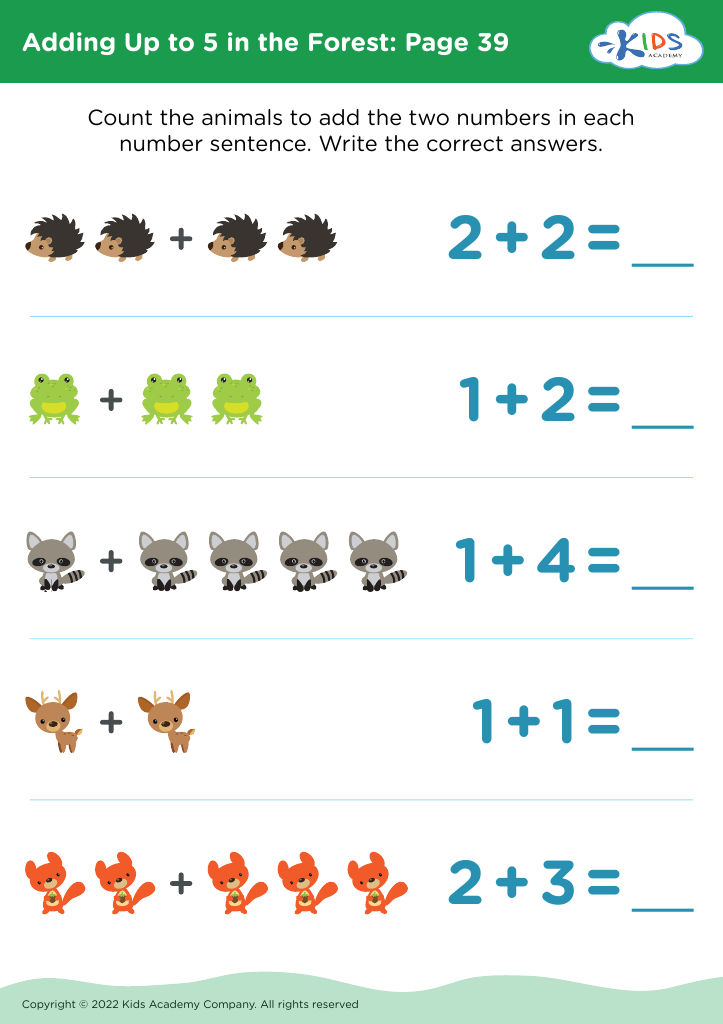
Adding Up to 5 in the Forest: Page 39
Worksheet
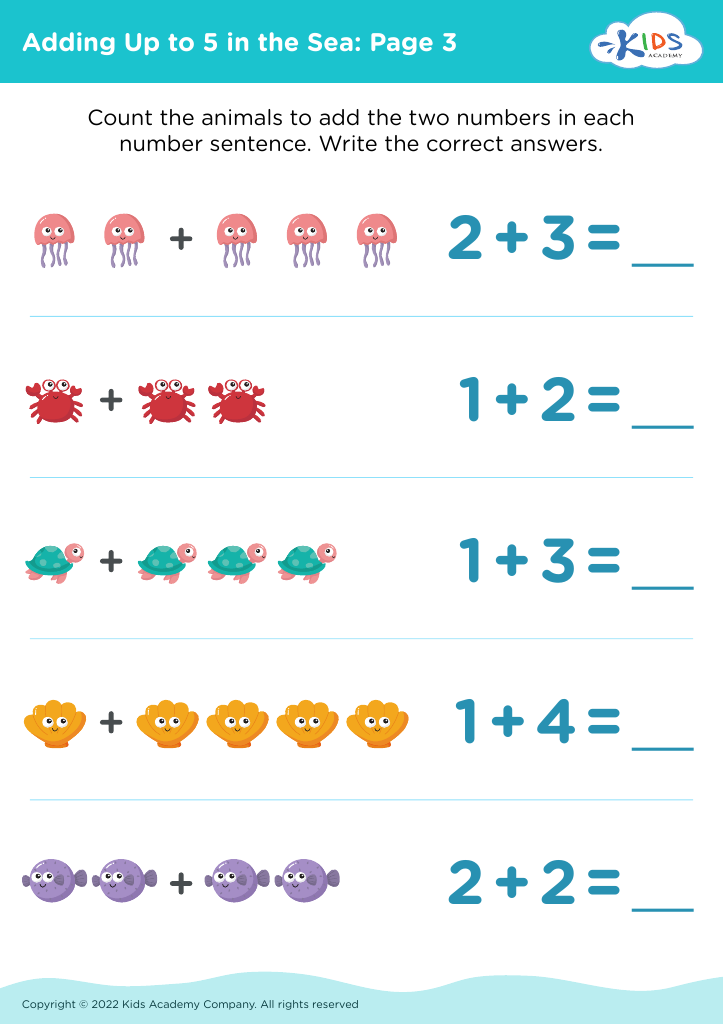
Adding Up to 5 in the Sea: Page 3

Adding Up to 5 in the Sea: Page 3

Adding Up to 5 in the Sea: Page 3
Worksheet
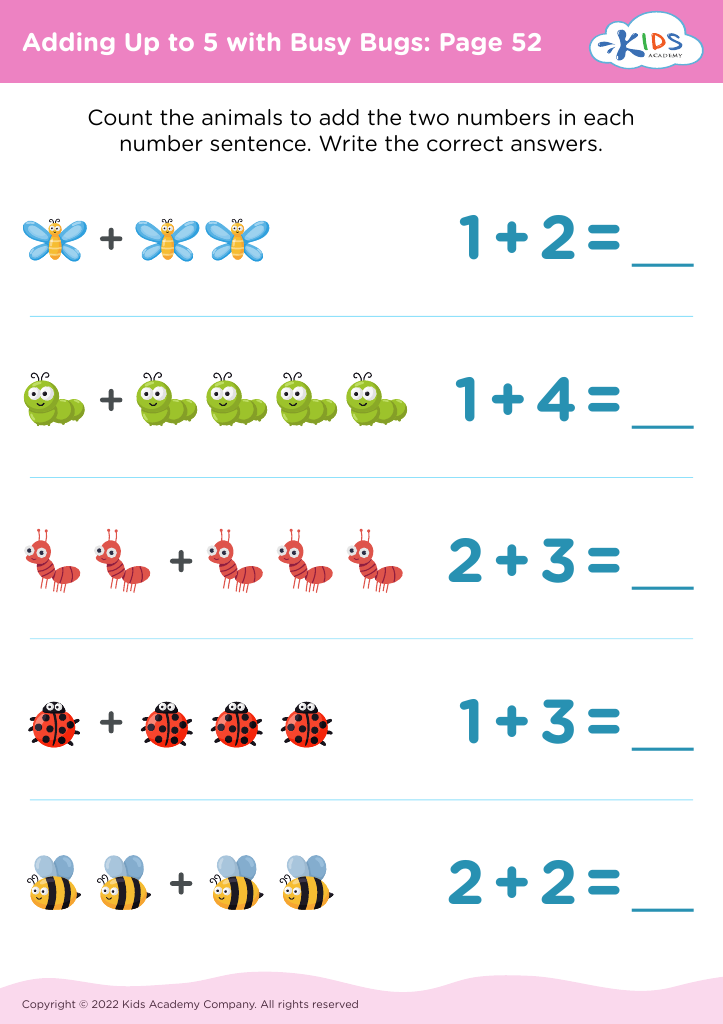
Adding Up to 5 with Busy Bugs: Page 52
Worksheet
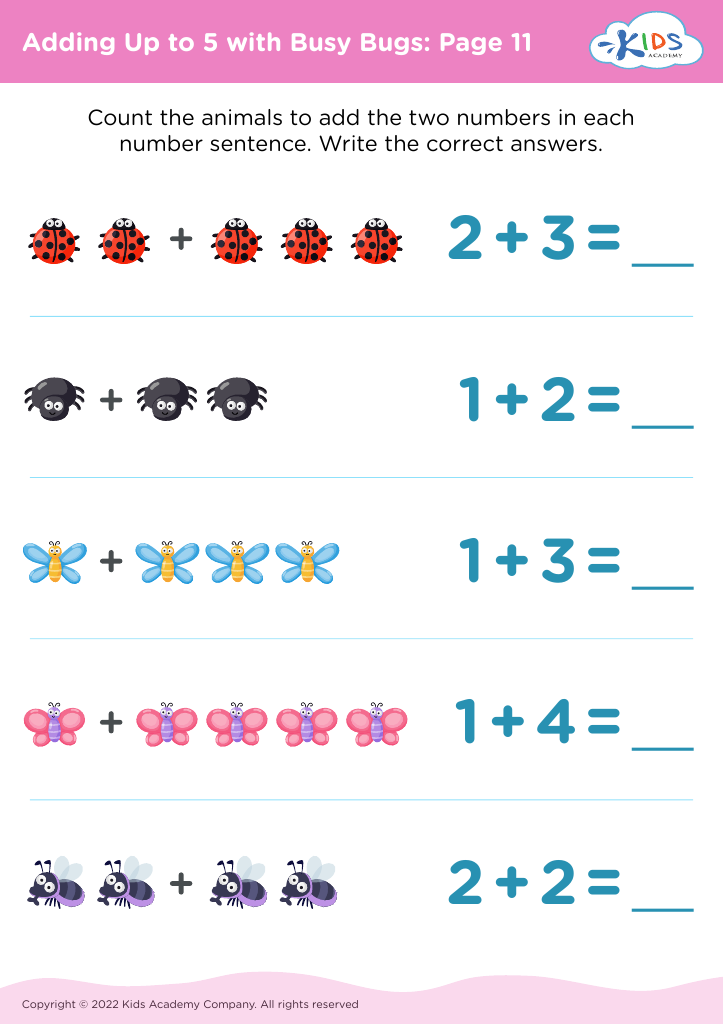
Adding Up to 5 with Busy Bugs: Page 11
Worksheet
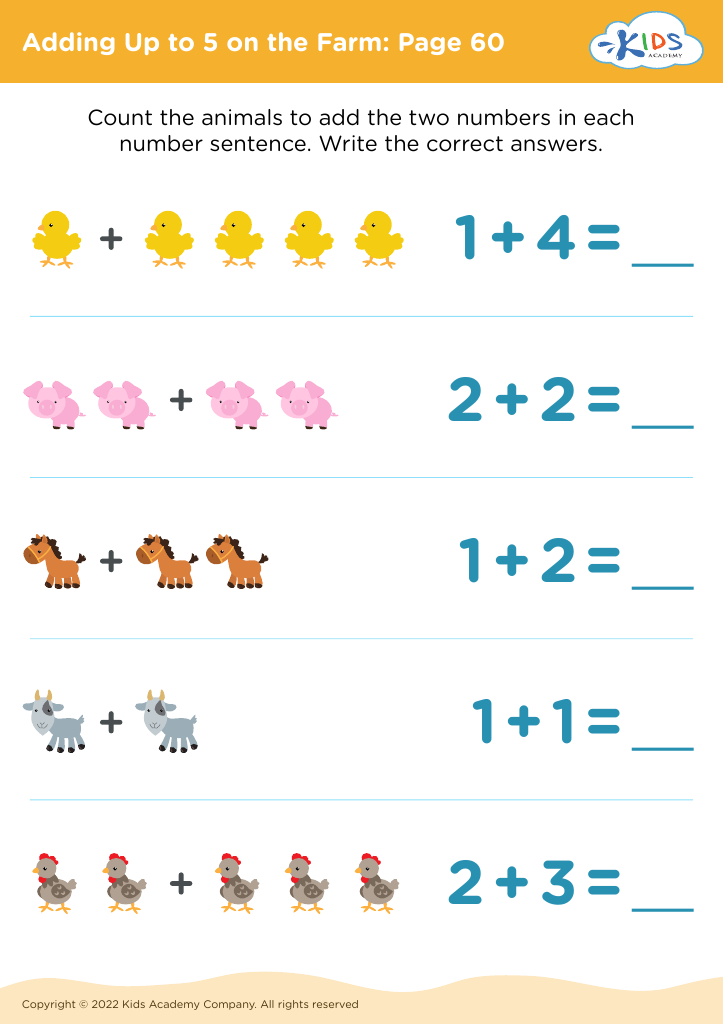
Adding Up to 5 on the Farm: Page 60
Worksheet
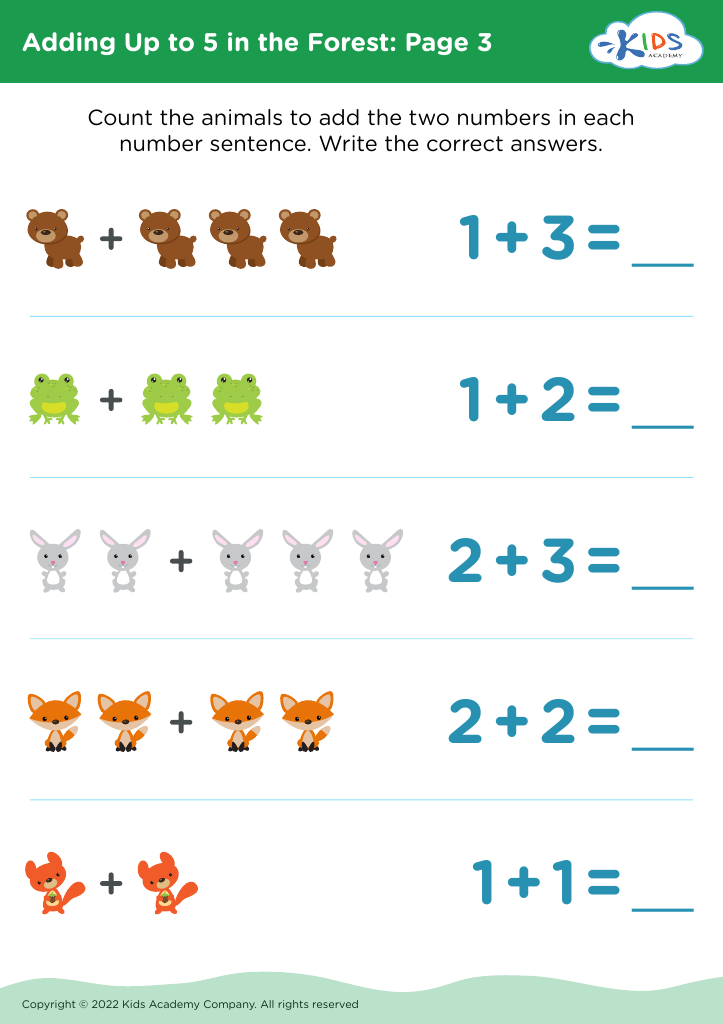
Adding Up to 5 in the Forest: Page 3
Worksheet


Developing basic addition skills in 3-year-olds is crucial because it lays a strong foundation for their future learning. At this tender age, children's brains are rapidly developing, and they're especially receptive to new concepts. Engaging them with basic math fosters a sense of curiosity and love for learning.

Early math skills, like adding numbers up to 5, support cognitive development by enhancing problem-solving abilities and logical thinking. These foundational skills are directly linked to success in later mathematical learning. By mastering simple additions, kids build confidence in their capabilities, which translates to a positive attitude towards more complex concepts they'll encounter later in school.

For parents and teachers, focusing on early math skills means fostering an environment that values learning and intellectual exploration. Incorporating math through playful activities, stories, and everyday routines makes learning interactive and fun, making it less likely for math to feel intimidating or frustrating to the child later on.

Additionally, competence in early math skills has been associated with better performance in other academic areas, as math exercises involve sustained attention, memory, and organizational skills. Thus, having strong basic addition skills positively influences overall educational development and lays a thorough groundwork for lifelong learning.