Filters

349 filtered results

Clear all filters
Favorites
With answer key
Interactive

349 filtered results

Difficulty Level

Grade


Check out this FREE Trial Lesson on Adding Up to 5 for age 3!

D

Favorites
With answer key
Interactive
  • 3
  • Number Recognition
  • Adding Up to 5
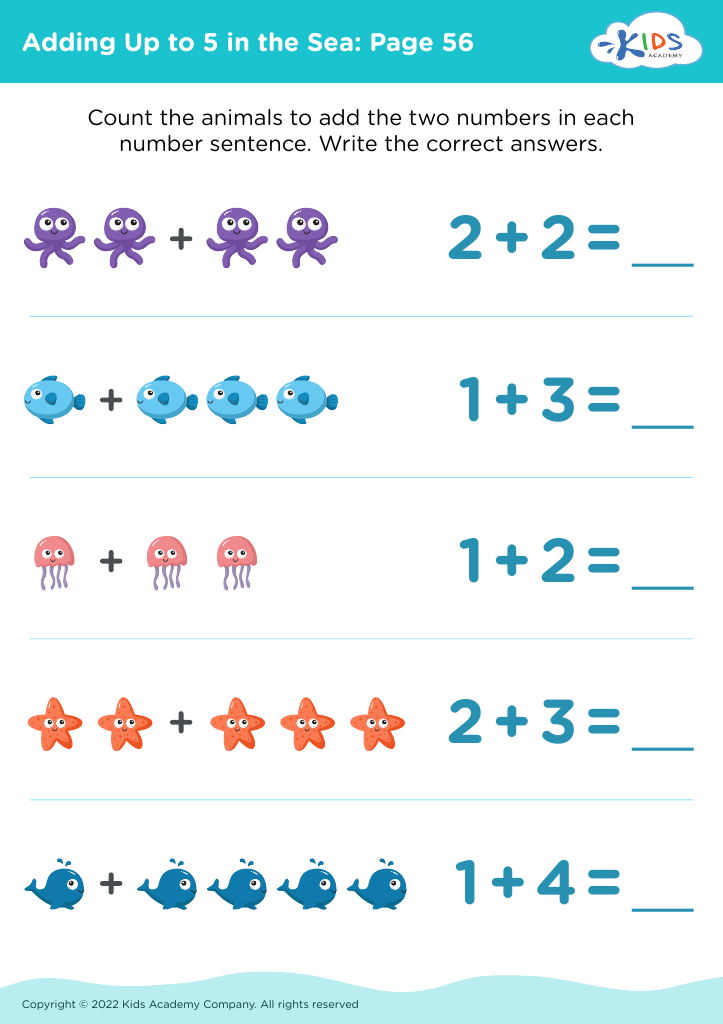
Adding Up to 5 in the Sea: Page 56
Worksheet
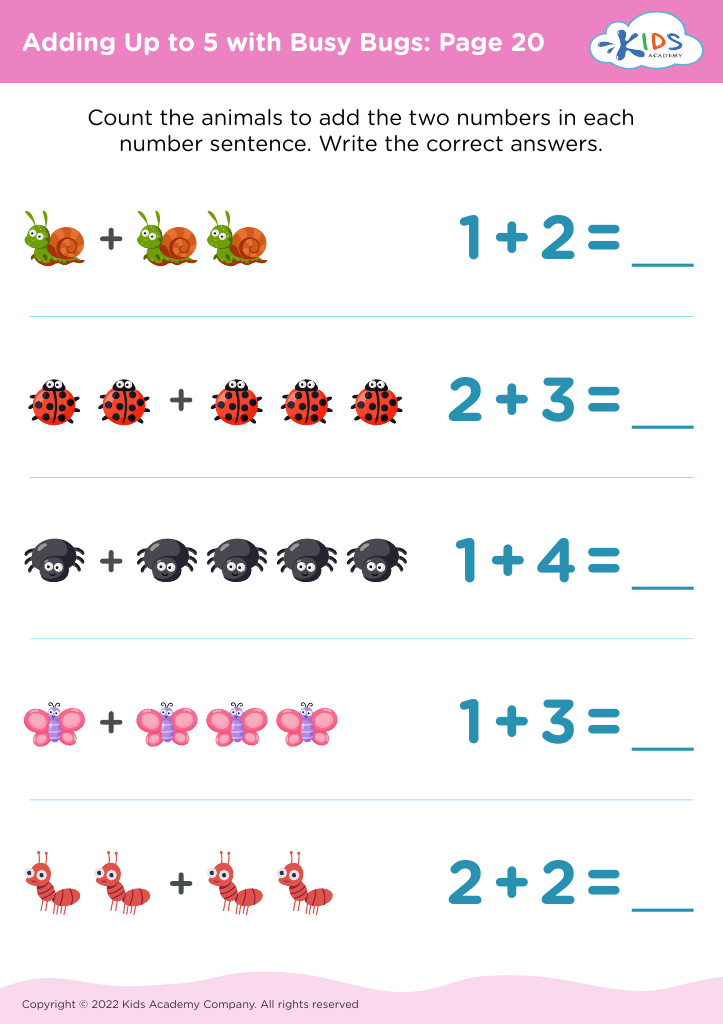
Adding Up to 5 with Busy Bugs: Page 20
Worksheet
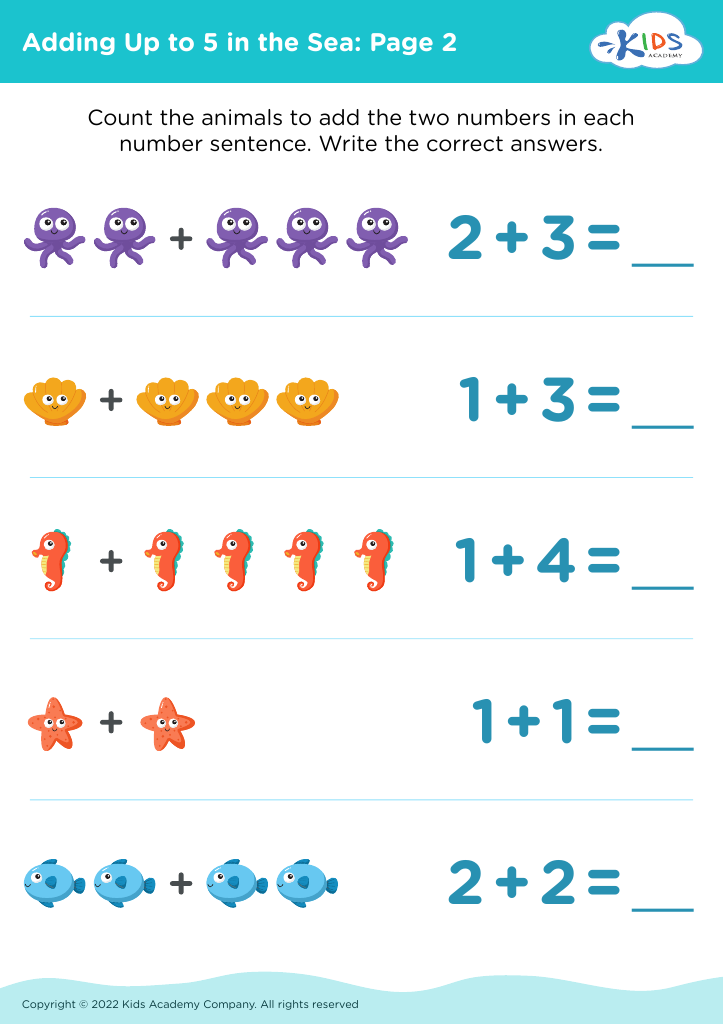
Adding Up to 5 in the Sea: Page 2

Adding Up to 5 in the Sea: Page 2

Adding Up to 5 in the Sea: Page 2
Worksheet
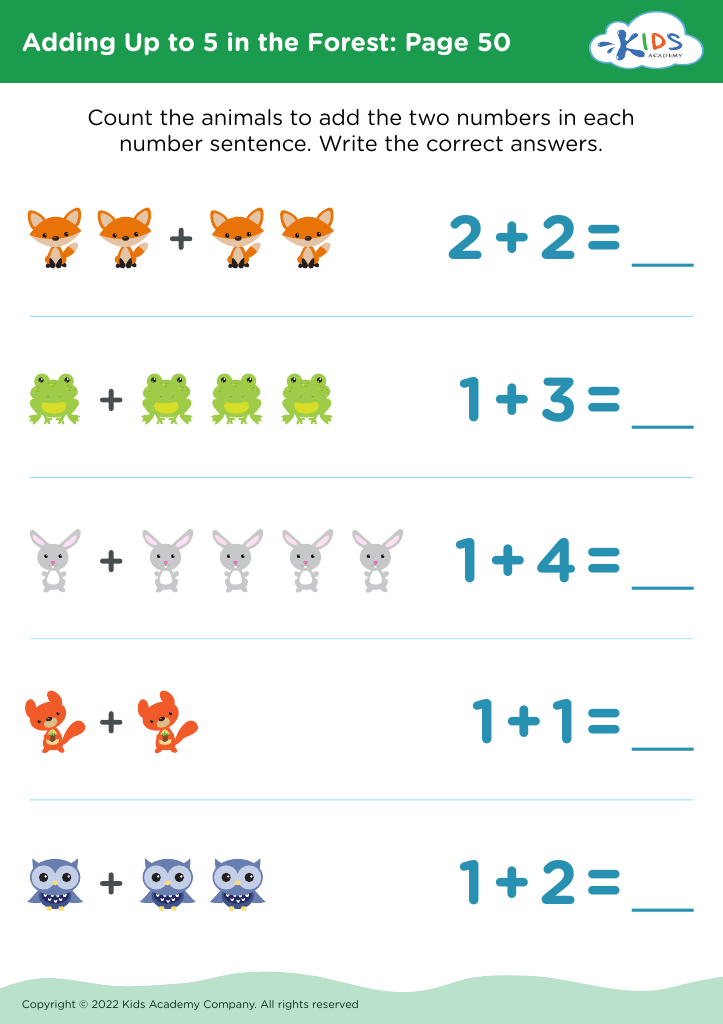
Adding Up to 5 in the Forest: Page 50
Worksheet
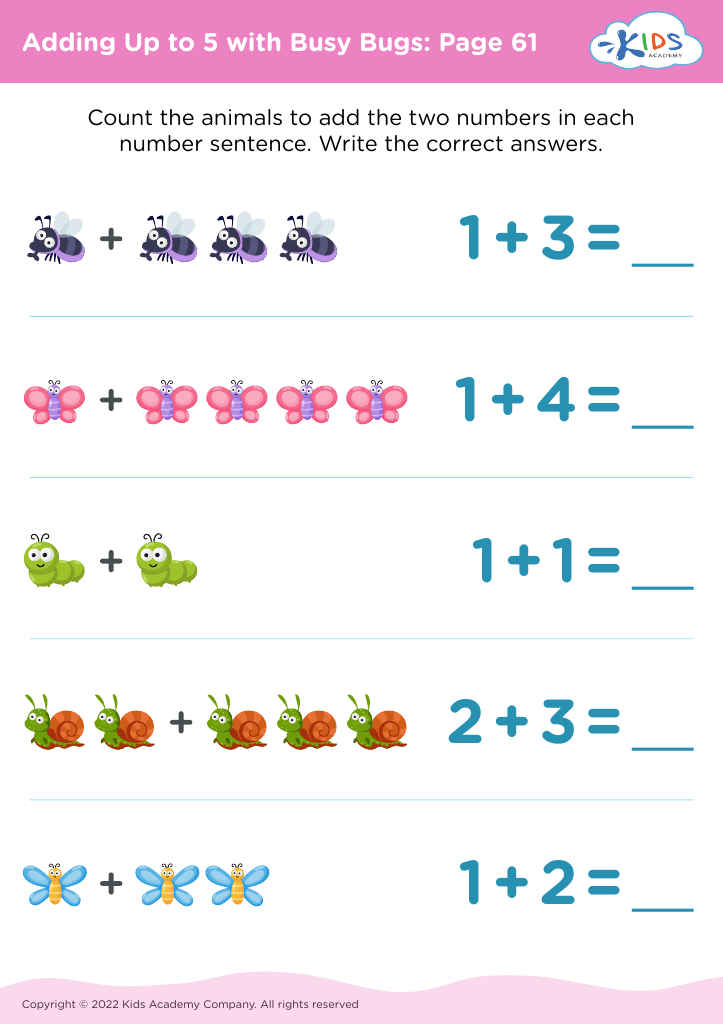
Adding Up to 5 with Busy Bugs: Page 61
Worksheet
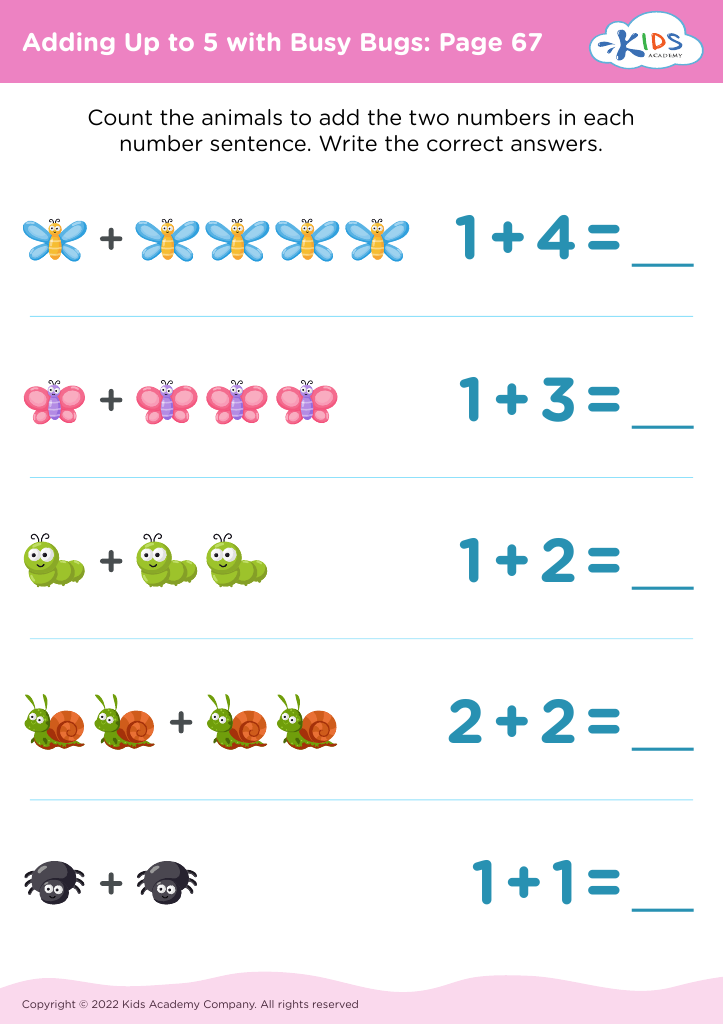
Adding Up to 5 with Busy Bugs: Page 67
Worksheet
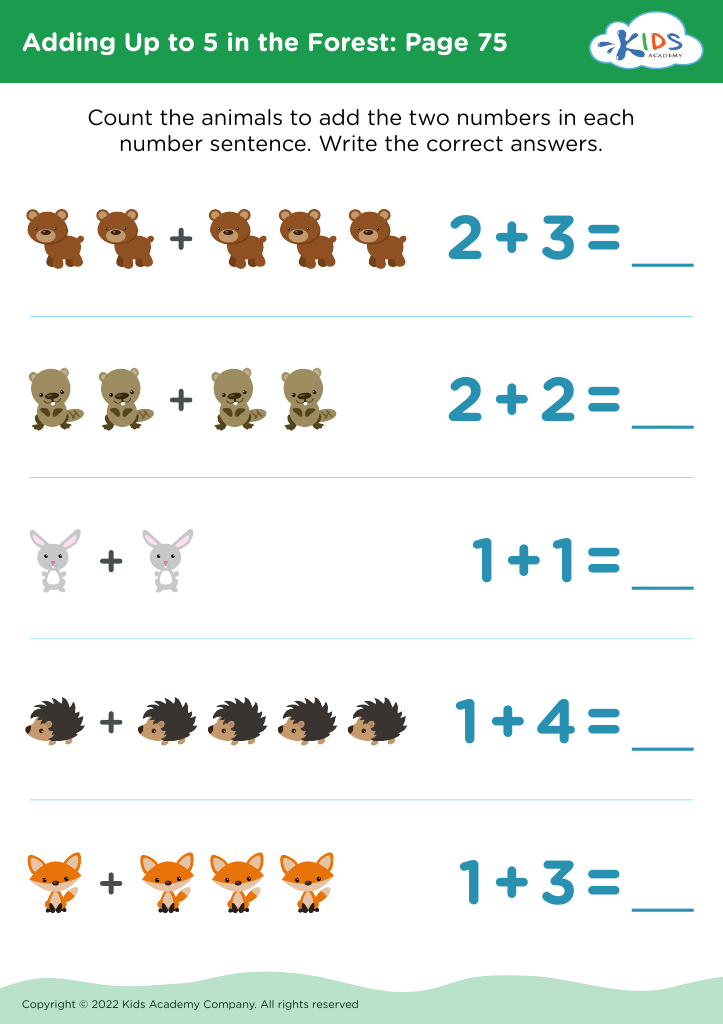
Adding Up to 5 in the Forest: Page 75
Worksheet
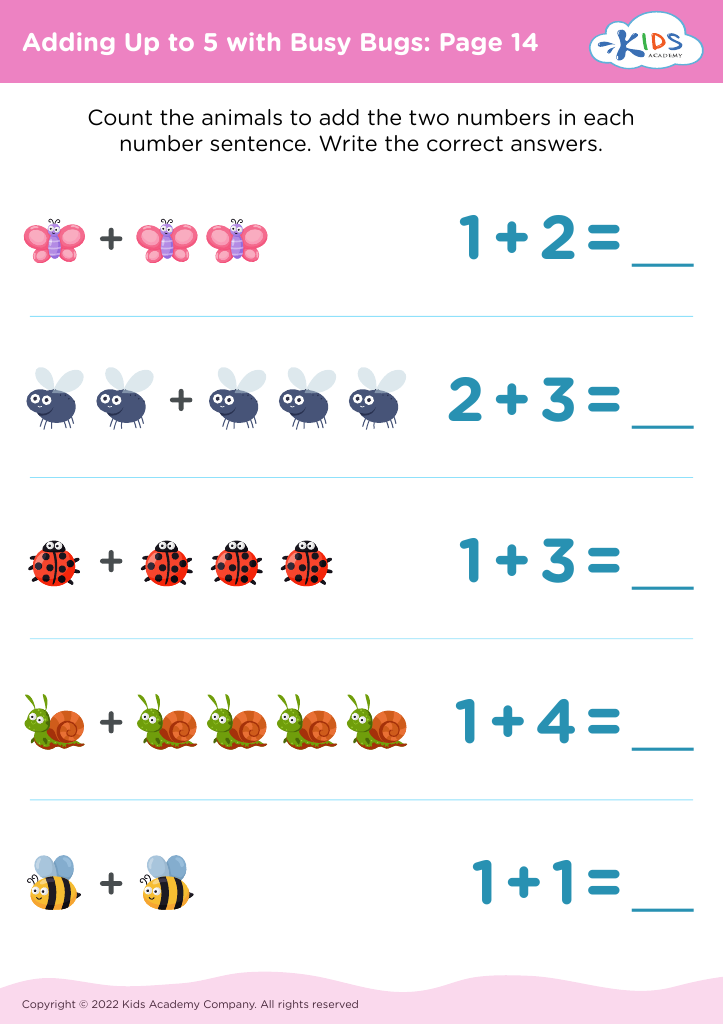
Adding Up to 5 with Busy Bugs: Page 14
Worksheet
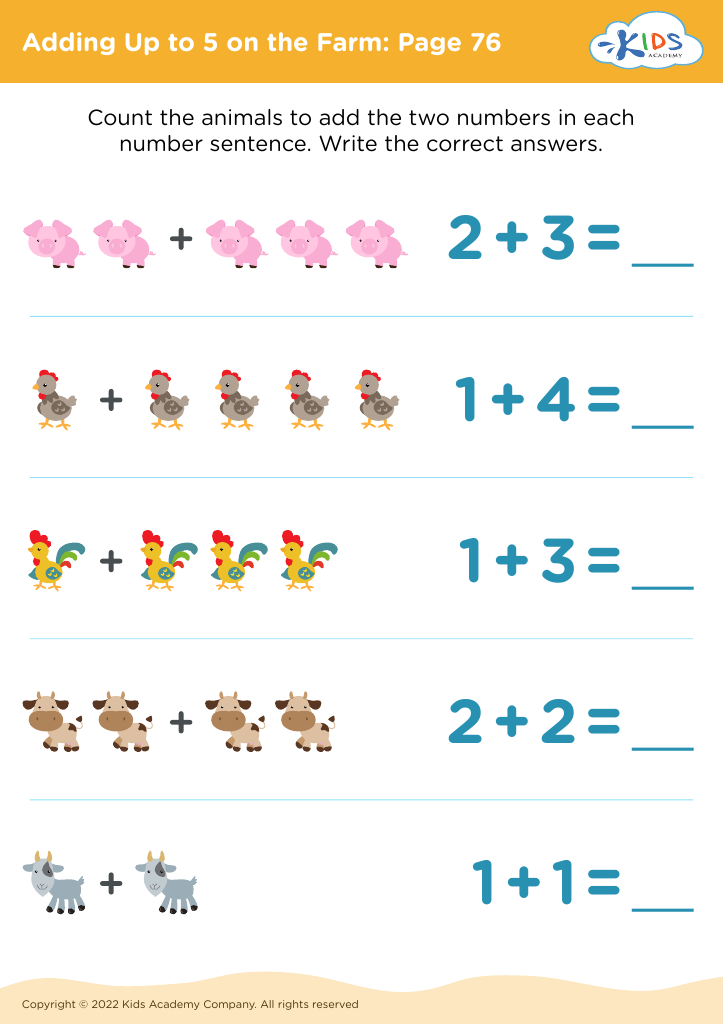
Adding Up to 5 on the Farm: Page 76
Worksheet
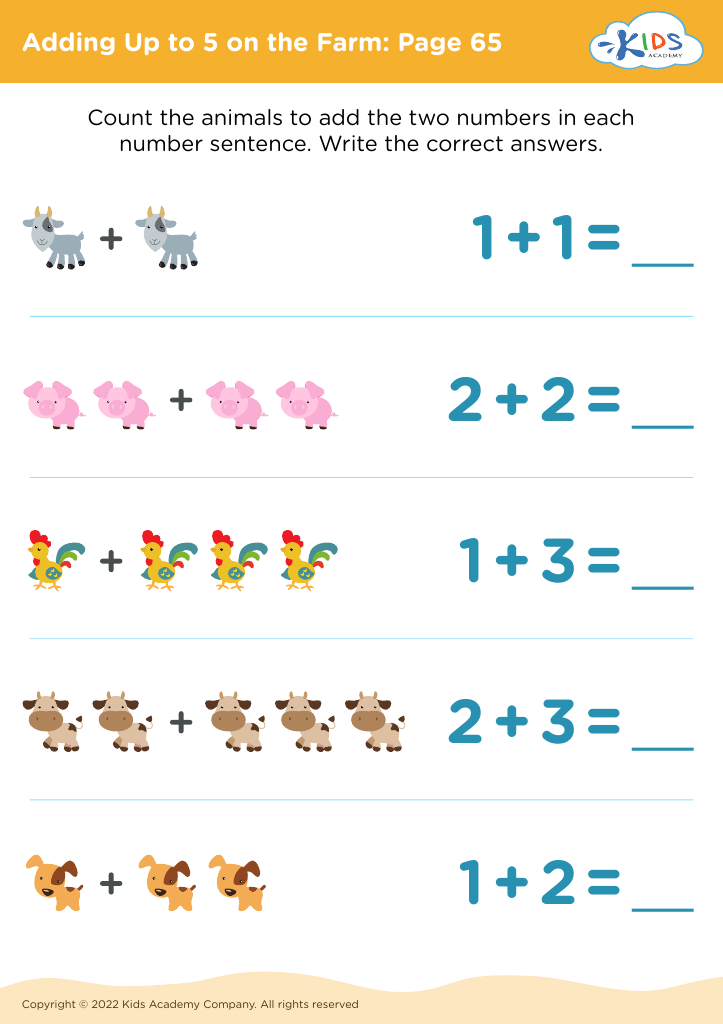
Adding Up to 5 on the Farm: Page 65
Worksheet
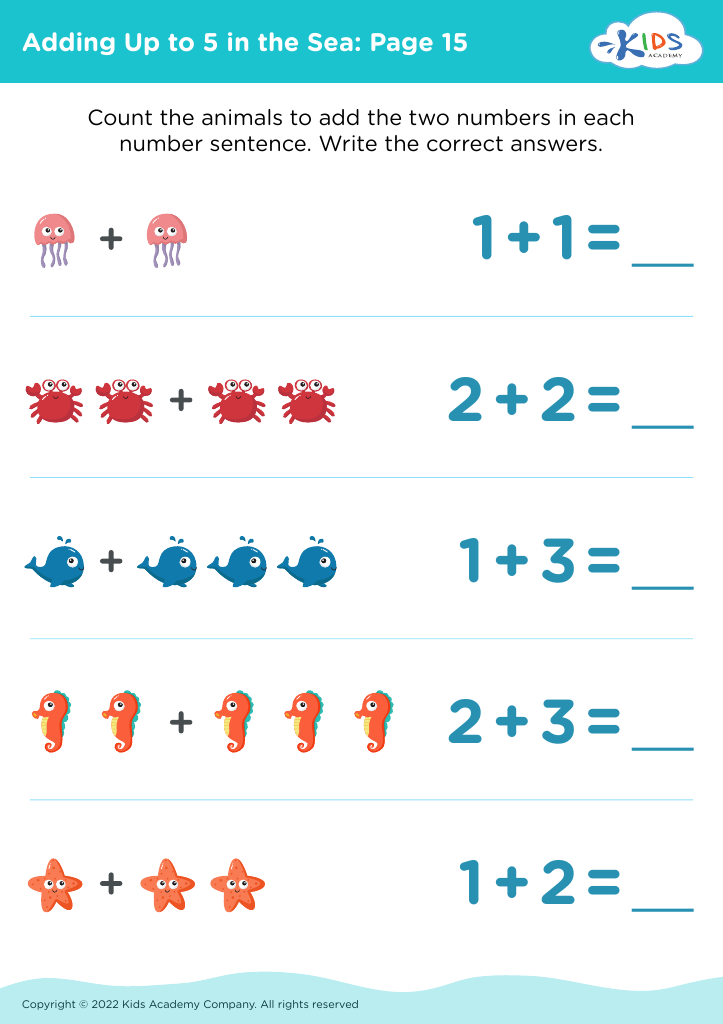
Adding Up to 5 in the Sea: Page 15
Worksheet
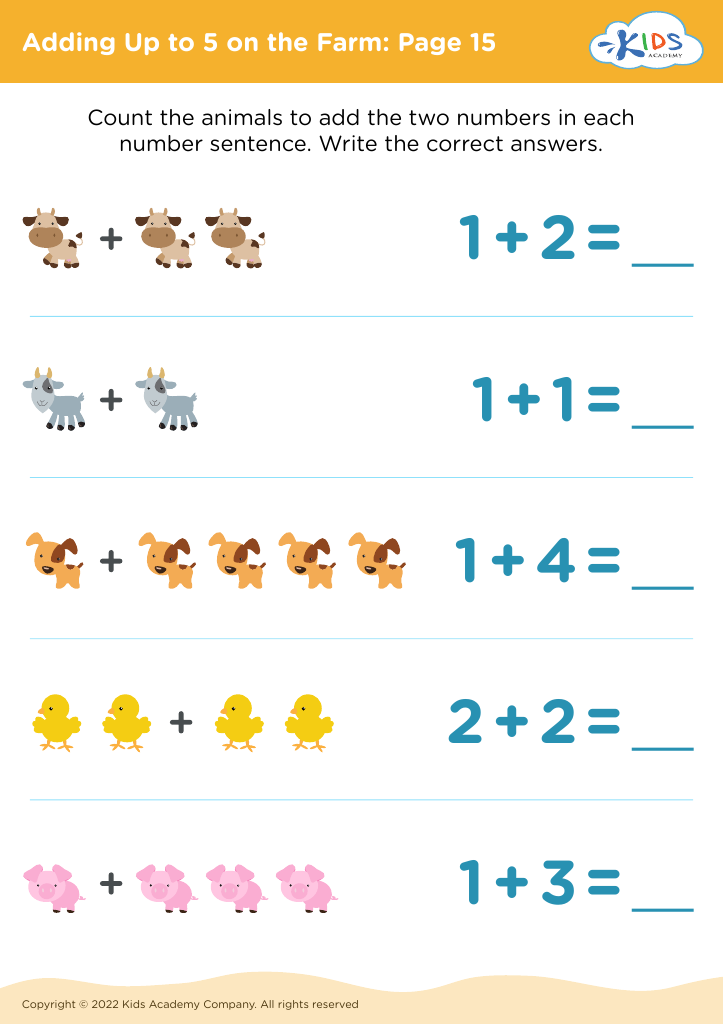
Adding Up to 5 on the Farm: Page 15
Worksheet
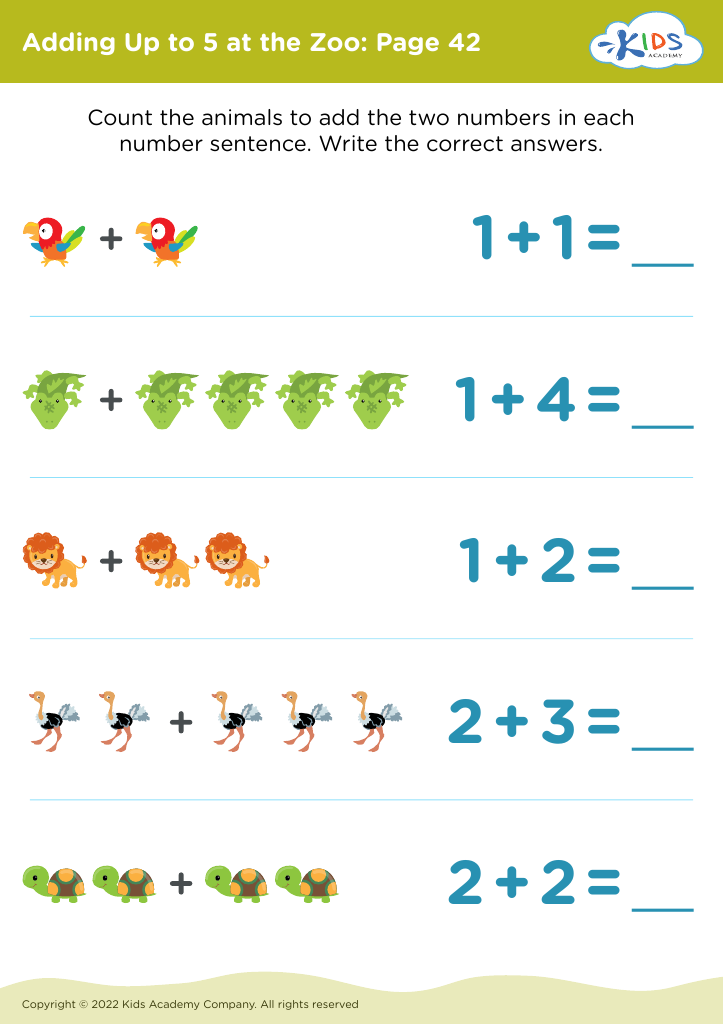
Adding Up to 5 at the Zoo: Page 42
Worksheet
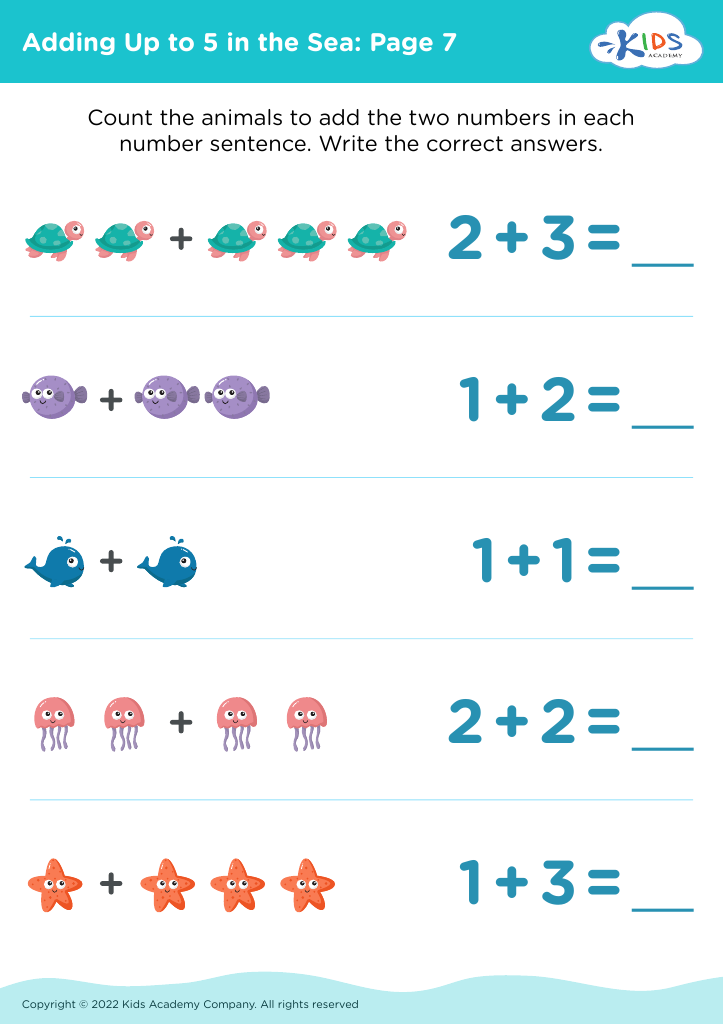
Adding Up to 5 in the Sea: Page 7

Adding Up to 5 in the Sea: Page 7

Adding Up to 5 in the Sea: Page 7
Worksheet
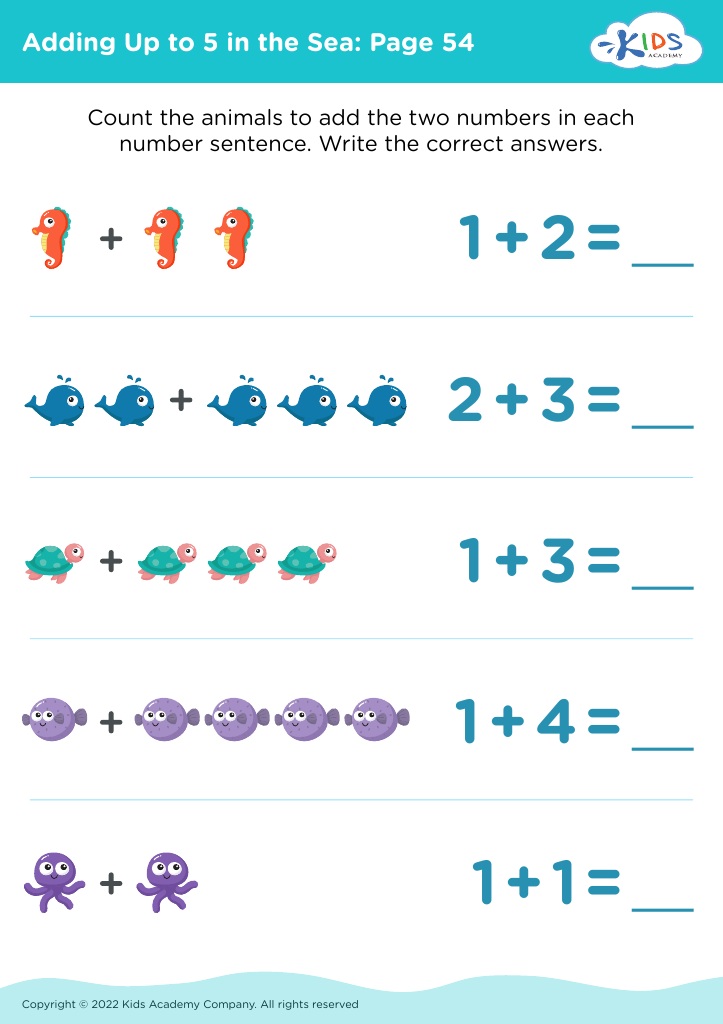
Adding Up to 5 in the Sea: Page 54
Worksheet
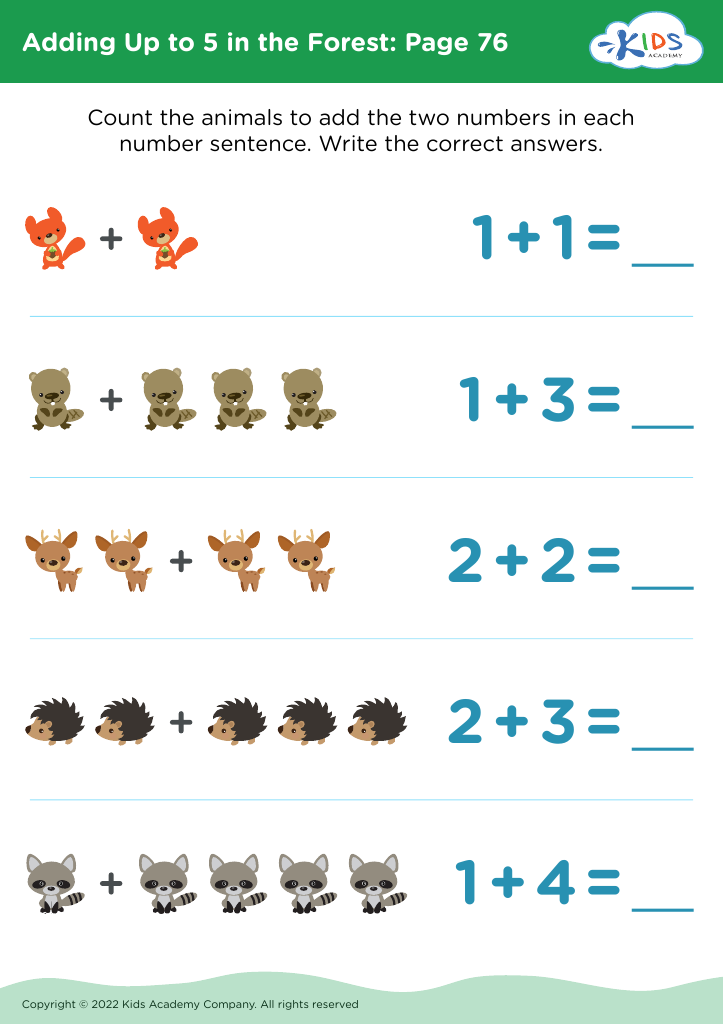
Adding Up to 5 in the Forest: Page 76
Worksheet
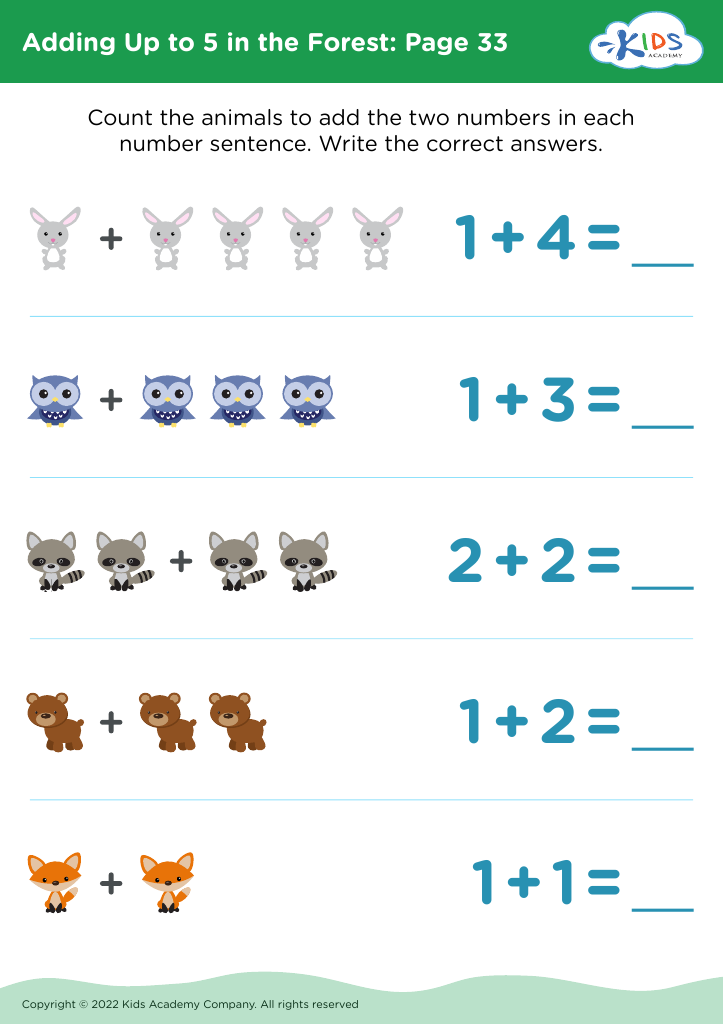
Adding Up to 5 in the Forest: Page 33
Worksheet
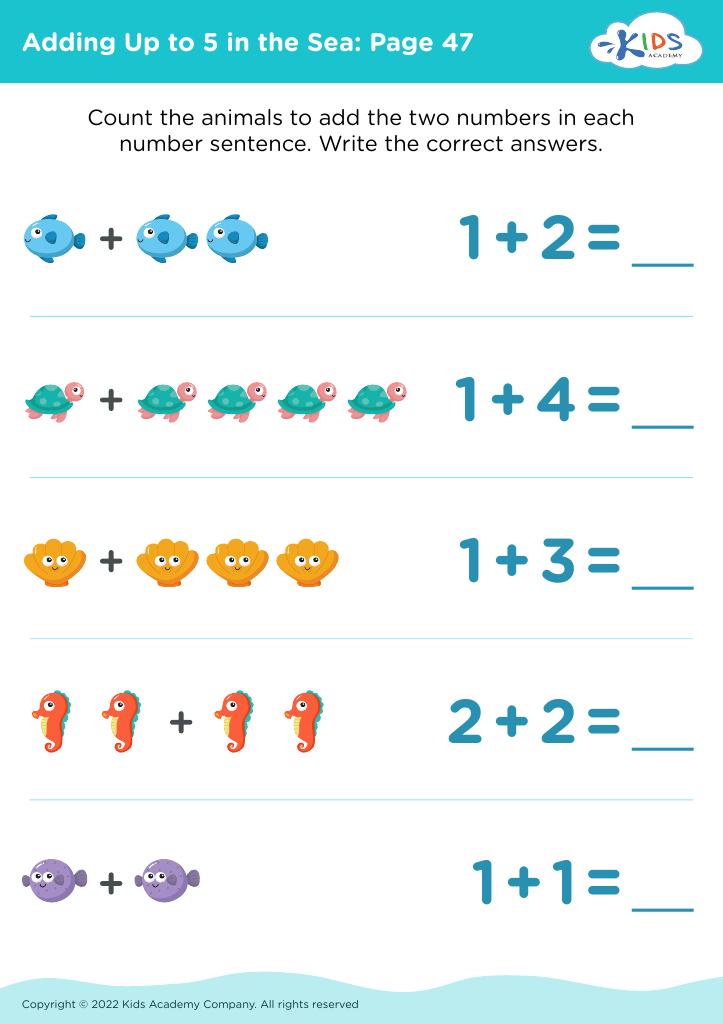
Adding Up to 5 in the Sea: Page 47
Worksheet
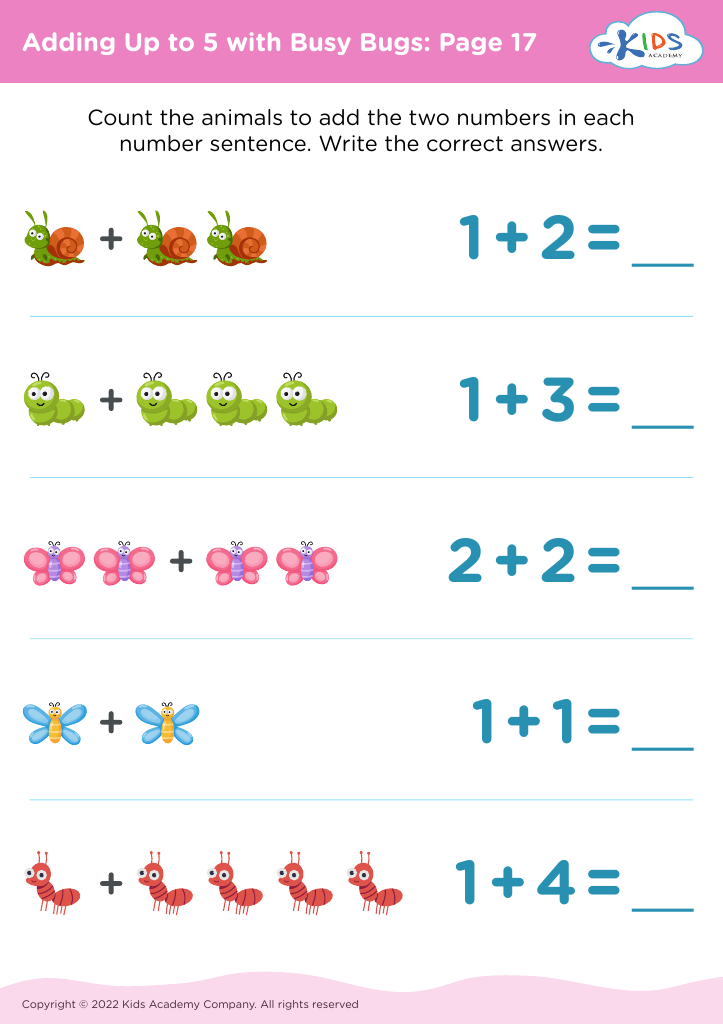
Adding Up to 5 with Busy Bugs: Page 17
Worksheet
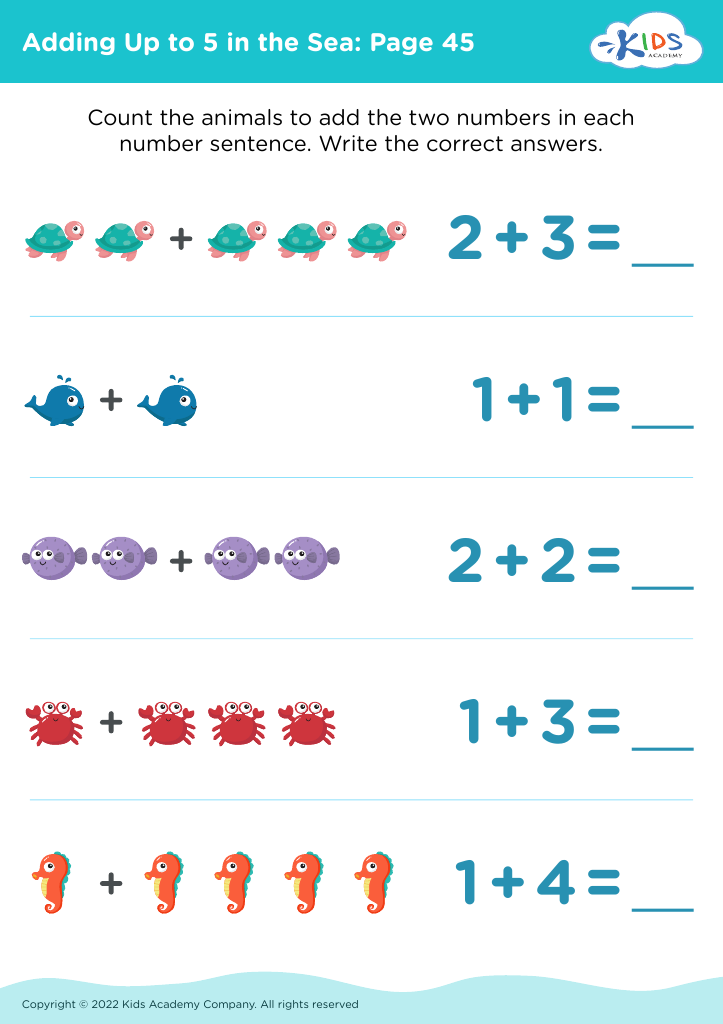
Adding Up to 5 in the Sea: Page 45
Worksheet
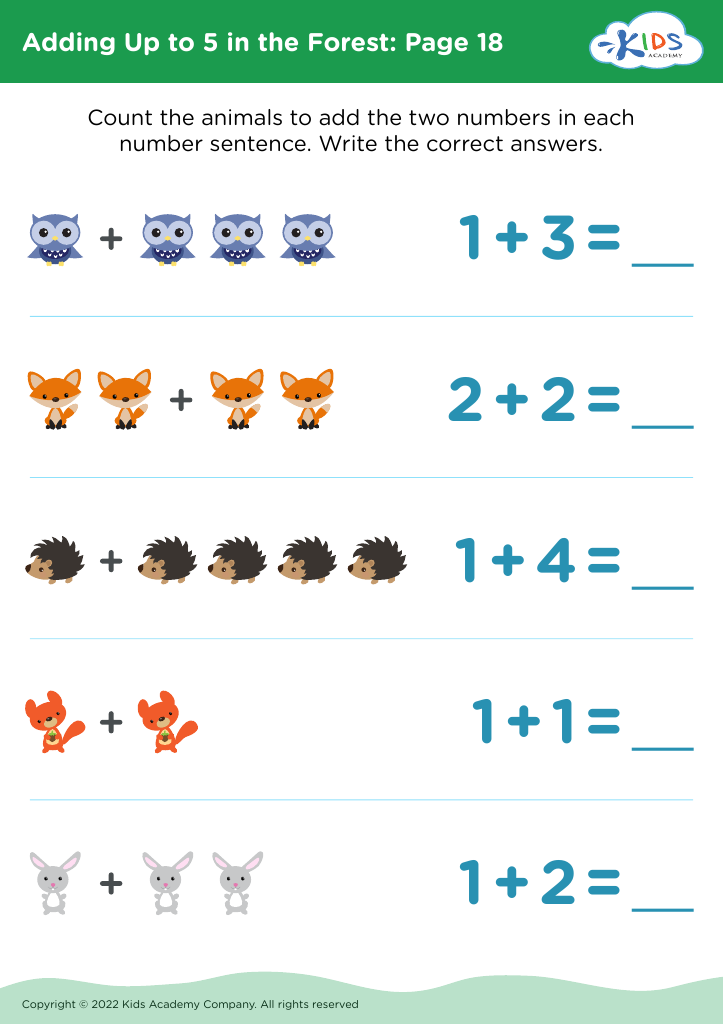
Adding Up to 5 in the Forest: Page 18
Worksheet
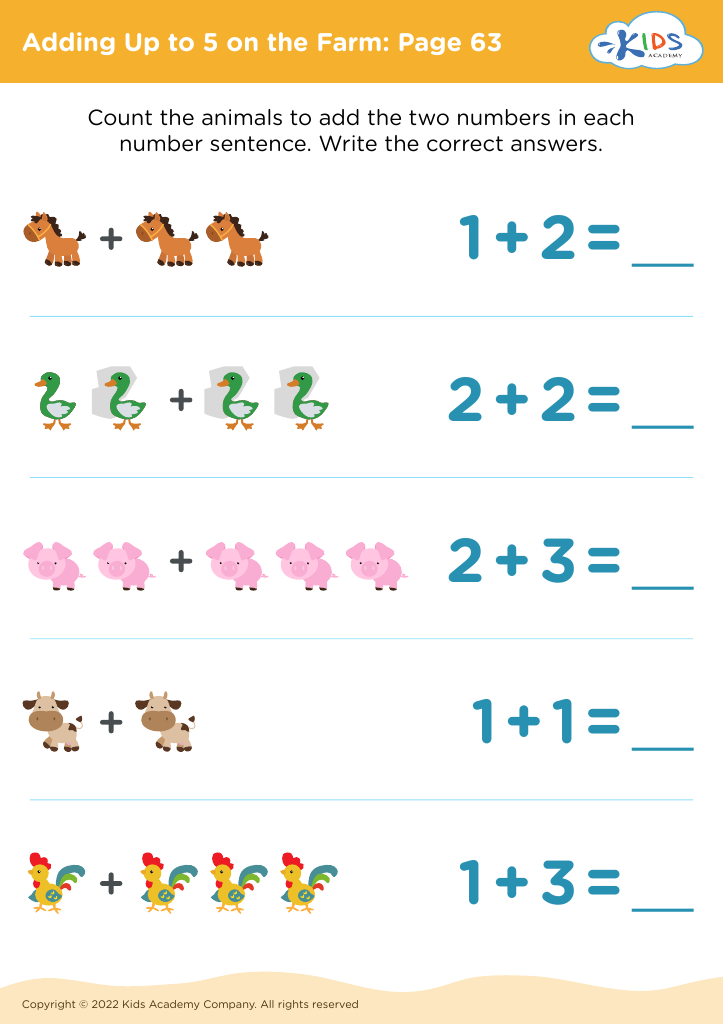
Adding Up to 5 on the Farm: Page 63
Worksheet
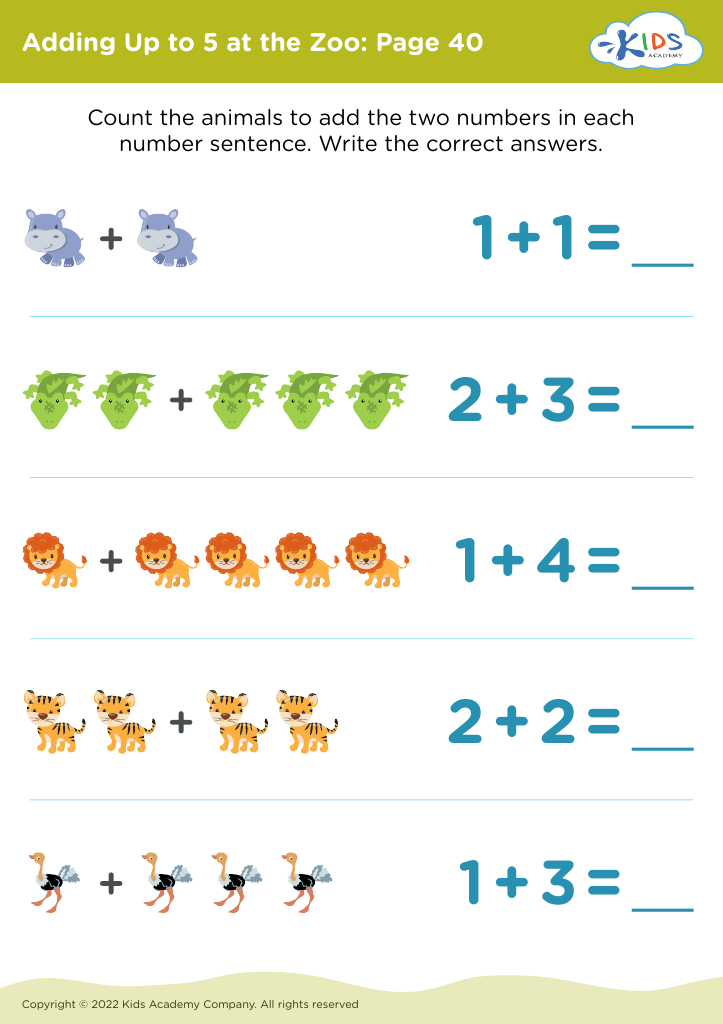
Adding Up to 5 at the Zoo: Page 40
Worksheet
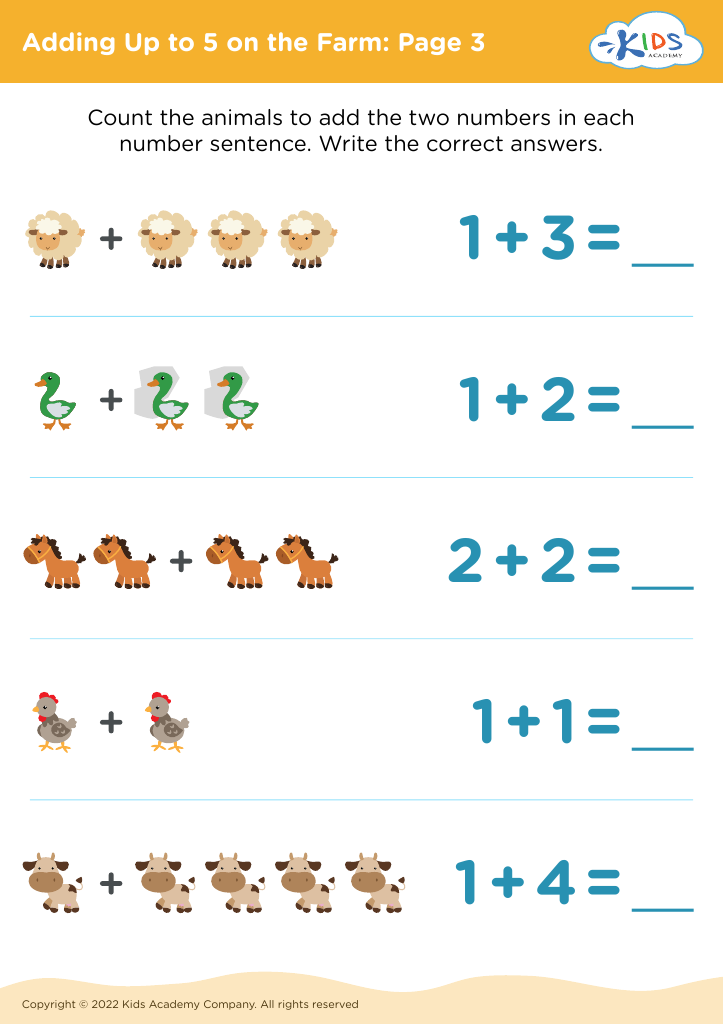
Adding Up to 5 on the Farm: Page 3
Worksheet


Number recognition and early math skills, such as adding up to 5, are crucial for 3-year-olds as they lay the foundation for future learning. At this age, children are naturally curious and keen to explore concepts related to numbers and quantity. Engaging them in number recognition helps develop their cognitive skills and enhances their ability to understand mathematical concepts later on.

Caring about number recognition at this stage also supports linguistic development, as children learn to associate words with numbers and engage in conversations about quantities. This can enhance their overall communication skills.

Teaching young children to add up to 5 is particularly vital as it encourages problem-solving and critical thinking. When children learn to combine items to reach the total of 5, they practice counting, develop fine motor skills through manipulatives, and improve their ability to focus and concentrate.

Moreover, early mathematics experience fosters confidence and enjoyment in learning. When parents and teachers actively promote number activities, it helps children establish a positive attitude toward math, ultimately motivating them for more complex mathematics as they grow. Ultimately, attention to early number recognition and simple addition equips children with essential skills they will use throughout their educational journey.