Understanding quantity Adding with Busy Bugs Worksheets for 3-Year-Olds
7 filtered results
-
From - To
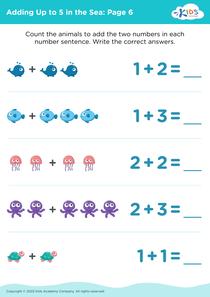
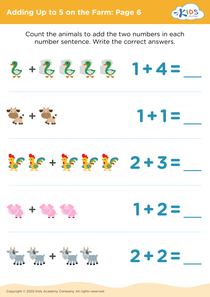
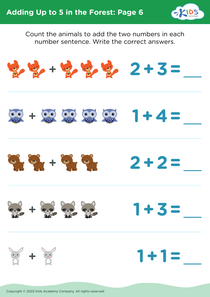
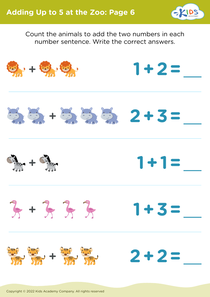
Discover the joy of learning with "Understanding Quantity: Adding with Busy Bugs Worksheets" designed specifically for 3-year-olds! Our engaging worksheets introduce young learners to basic addition concepts through fun, colorful bug themes. Each activity promotes a hands-on approach to understanding quantity, fostering number recognition and early math skills. Kids will enjoy counting and adding with adorable bug illustrations, enhancing their learning experience while building confidence in their abilities. Perfect for parents and educators alike, these worksheets support the development of critical early math skills in an entertaining and stimulating way. Start your child’s math journey today with Busy Bugs!
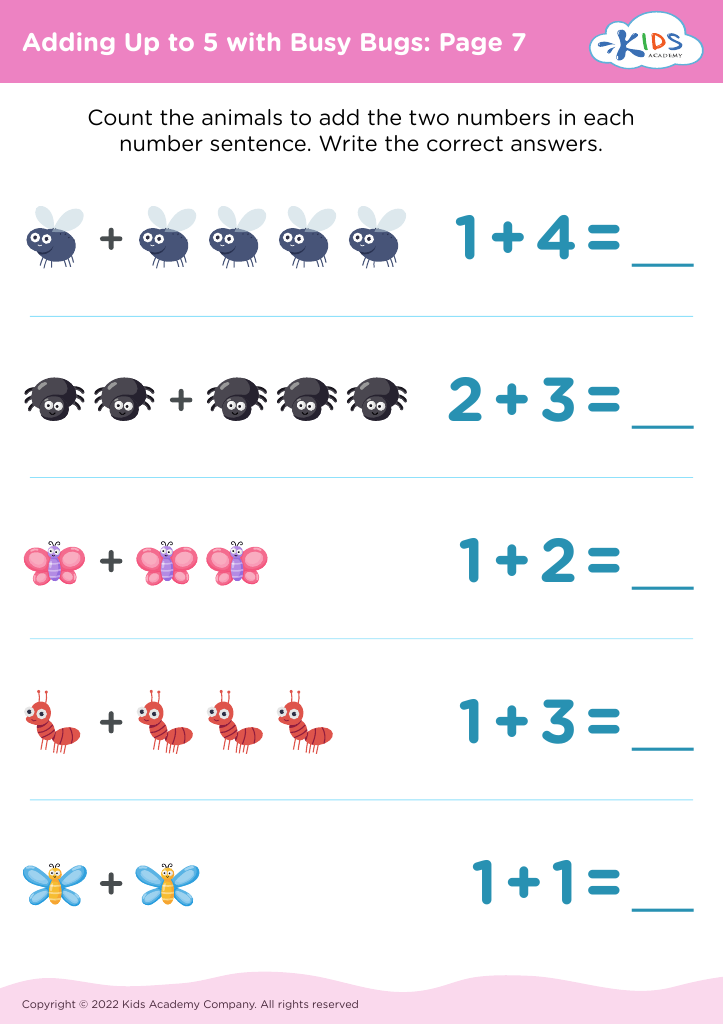
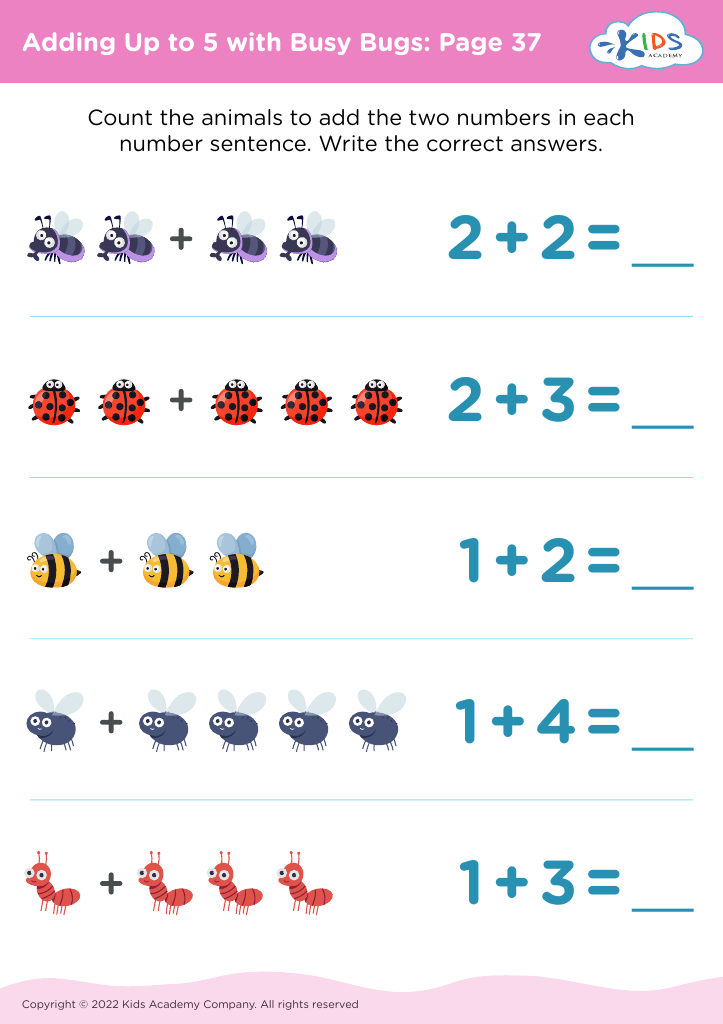
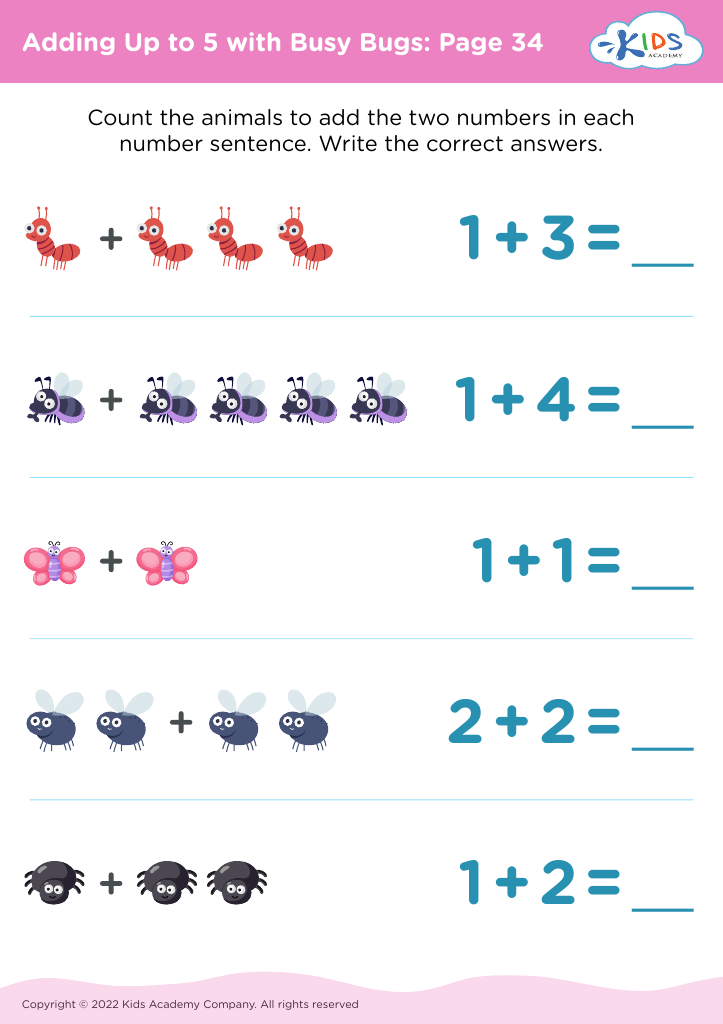
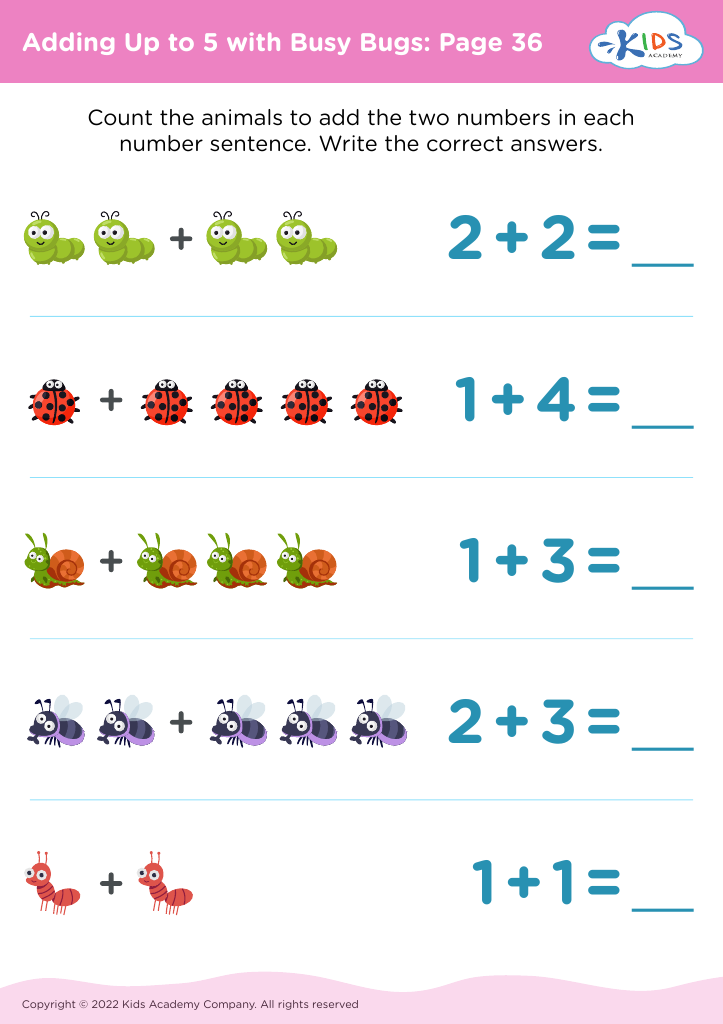
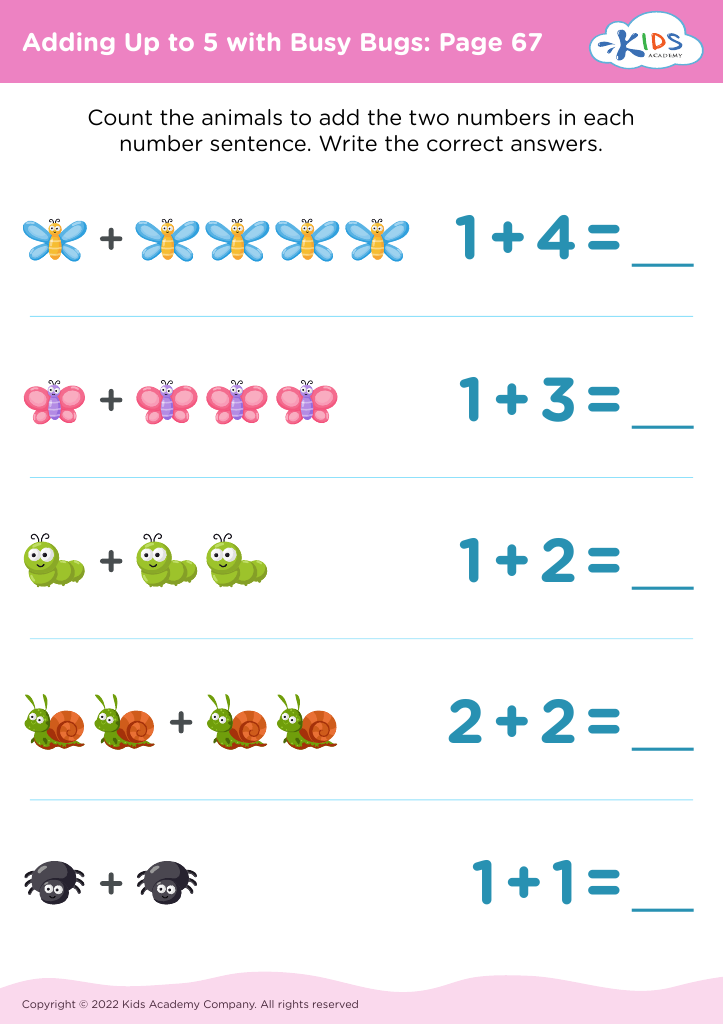
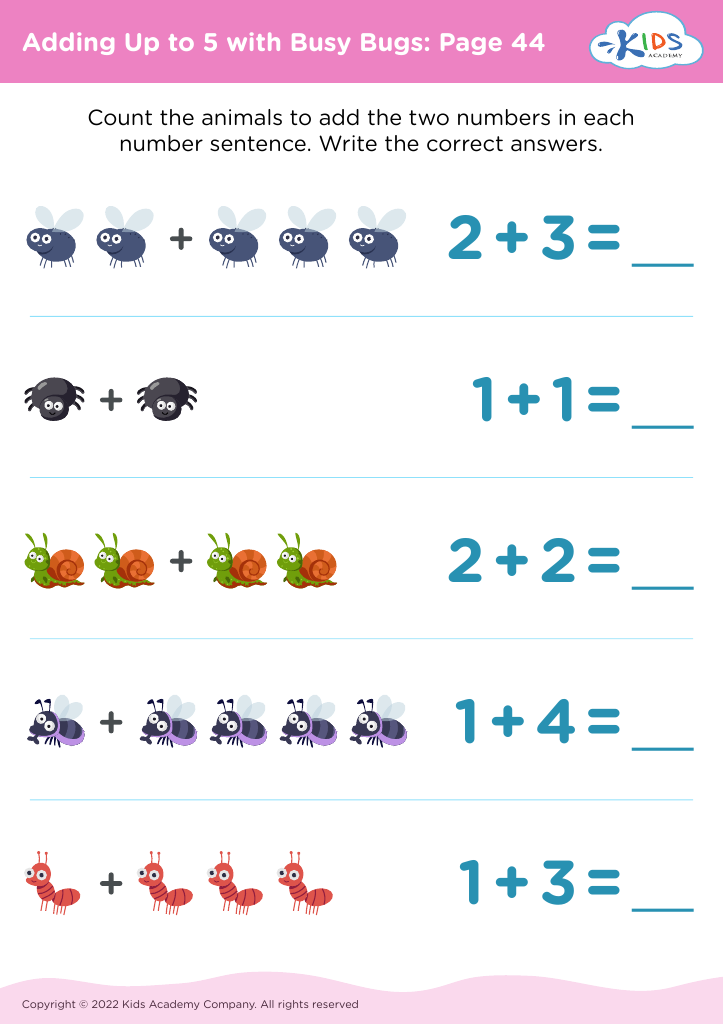
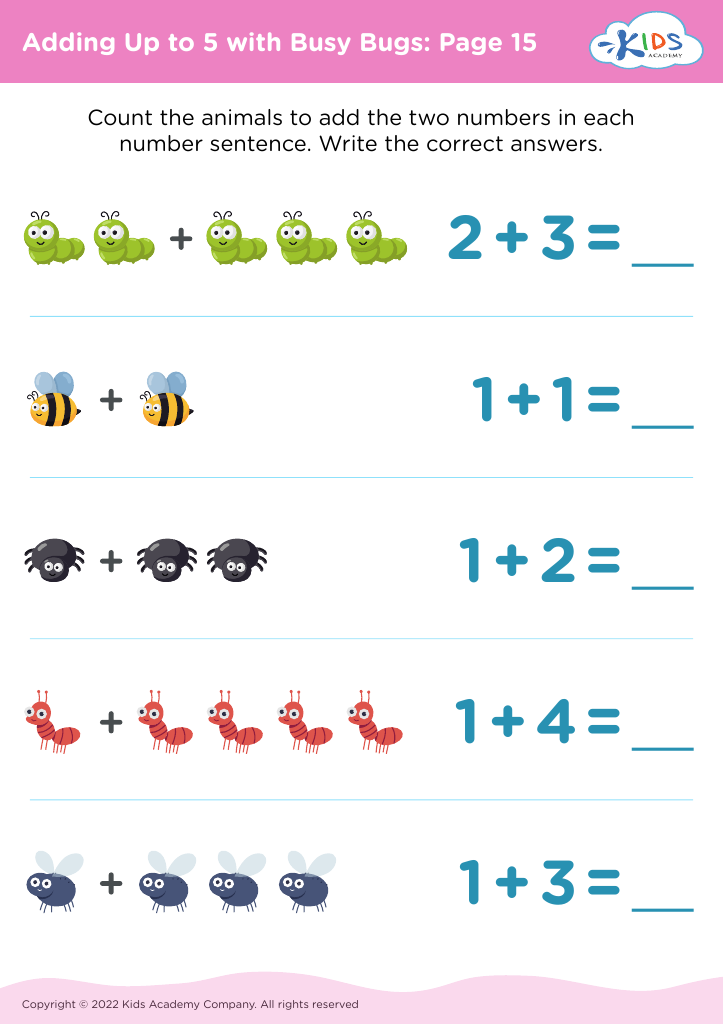



Understanding quantity and addition is a crucial foundational skill for young children, particularly for 3-year-olds, as it sets the stage for future mathematical learning. Engaging children in activities like "Busy Bugs" promotes early numeracy skills in a fun and interactive way, making learning appealing. Parents and teachers should care about this because early exposure to numbers and concepts of addition fosters cognitive development, enhancing children's problem-solving capabilities and logical thinking.
"Busy Bugs" offers a playful context that allows children to visualize quantity through engaging visual aids and hands-on experiences. This aligns with developmental goals, as children at this age are naturally curious and learn best through play. Encouraging young learners to add and count with familiar, playful objects like bugs can help them grasp important concepts without experiencing pressure or anxiety.
Furthermore, early mastery of these skills prepares children for success in school, paving the way for more complex math concepts later on. By prioritizing activities that cultivate an understanding of quantity, parents and teachers help build a strong mathematical foundation, instill a love for learning, and encourage perseverance and confidence in their abilities. Investing in children's early mathematics education is thus a step toward ensuring their long-term academic success and emotional wellbeing.