Basic math operations Addition & Subtraction Worksheets for 3-Year-Olds
3 filtered results
-
From - To
Introduce your little learner to the world of numbers with our “Basic Math Operations: Addition & Subtraction Worksheets for 3-Year-Olds.” Designed specifically for preschoolers, these engaging worksheets help young minds grasp fundamental math skills in a fun and interactive way. Each activity is crafted to nurture early math abilities, fostering an understanding of addition and subtraction through colorful visuals and simple exercises. Boost your child's confidence and support their educational journey with these exciting printable resources, perfect for hands-on practice at home. Unlock the joy of math today with our tailored worksheets!
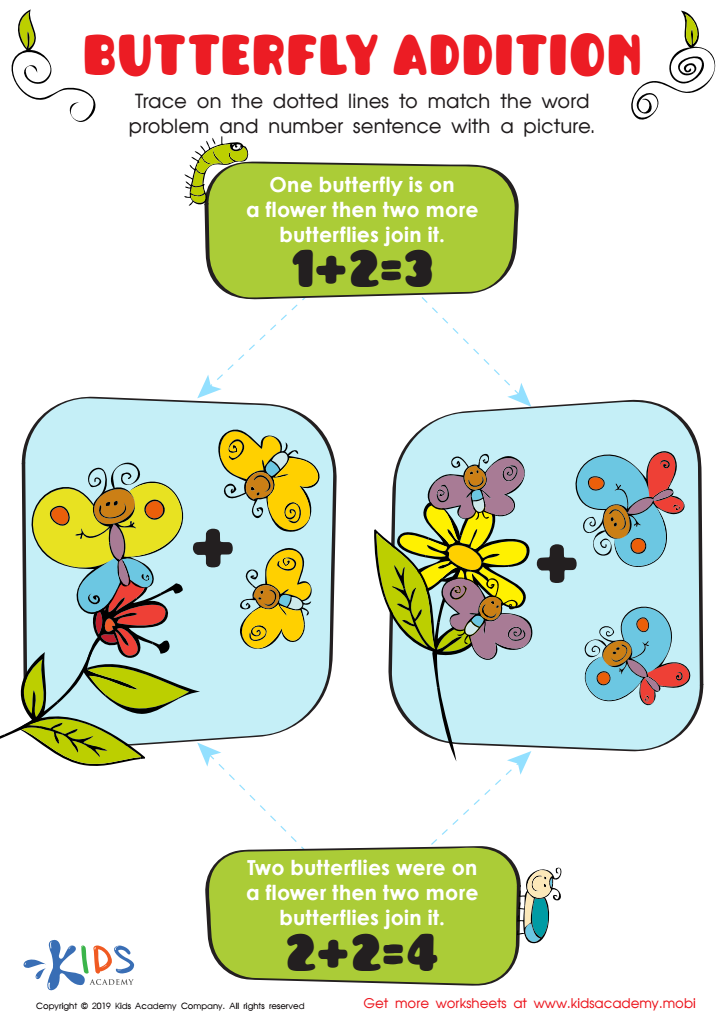
Butterfly Addition Worksheet
 Assign to My Students
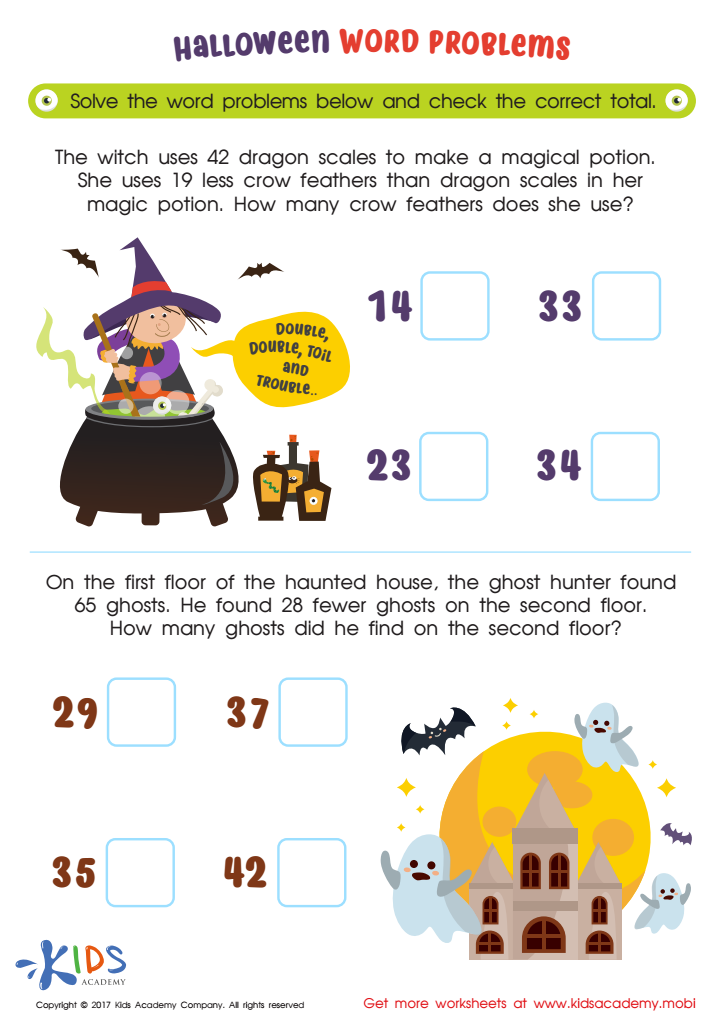
Halloween Word Problems Printable
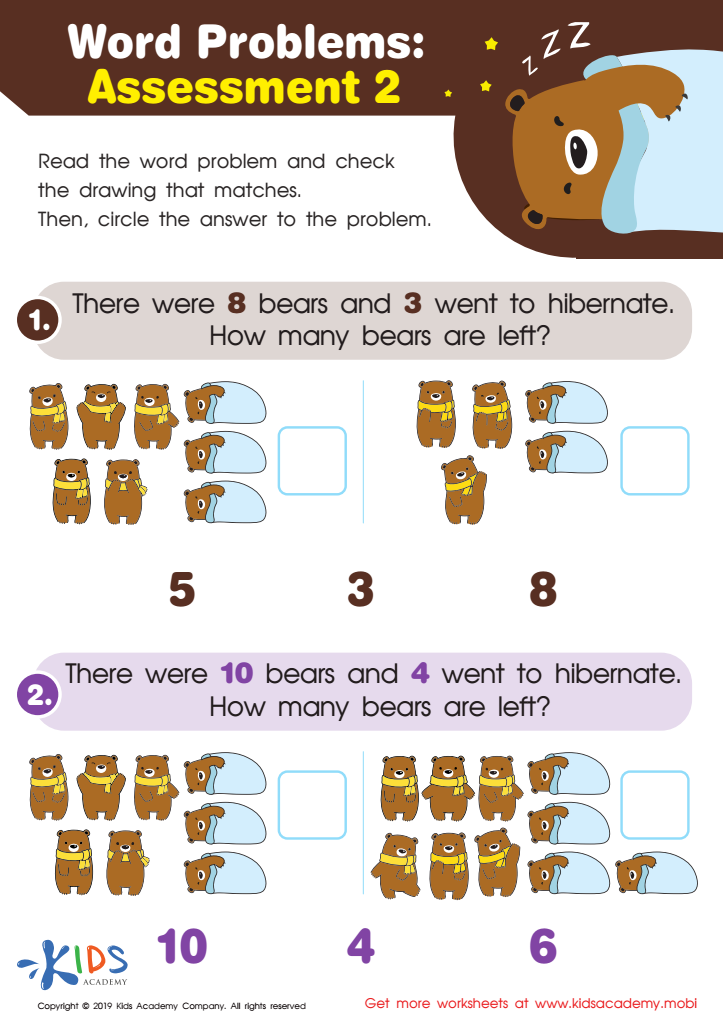
Word Problems: Assessment 2 Worksheet








Understanding basic math operations such as addition and subtraction at an early age lays the foundation for future mathematical learning and cognitive development. Introducing these concepts to 3-year-olds helps to nurture their numerical literacy, critical thinking, and problem-solving skills. Early exposure to simple arithmetic fosters a positive attitude towards mathematics, making it less intimidating as children progress to more complex topics in later years.
For parents and teachers, engaging toddlers in addition and subtraction activities enhances brain development, particularly in areas responsible for logical reasoning and analytical thinking. These skills are essential not just in academic contexts, but in everyday situations that require decision-making and resource management.
Moreover, learning through play-based or hands-on activities helps children to associate numbers with real-life items, such as counting toys or snacks, making abstract concepts more concrete and understandable. This means children gain confidence in their abilities, encouraging them to explore further.
Additionally, mastering basic math operations can increase a child's independence, as they are better able to perform tasks that involve counting, measuring, or sharing objects. Consequently, this early competence builds a strong platform for kindergarten readiness and overall academic achievement, demonstrating why parents and teachers should prioritize teaching these foundational skills.








