Basic Math Skills Addition & Subtraction Worksheets for 3-Year-Olds - Page 2
36 filtered results
-
From - To
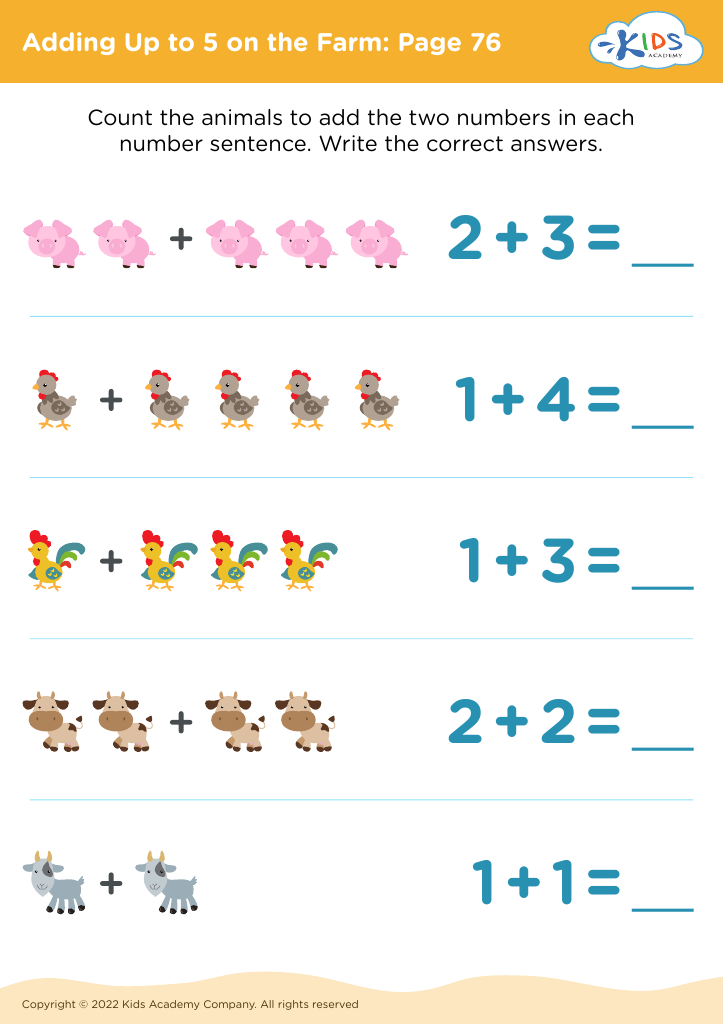
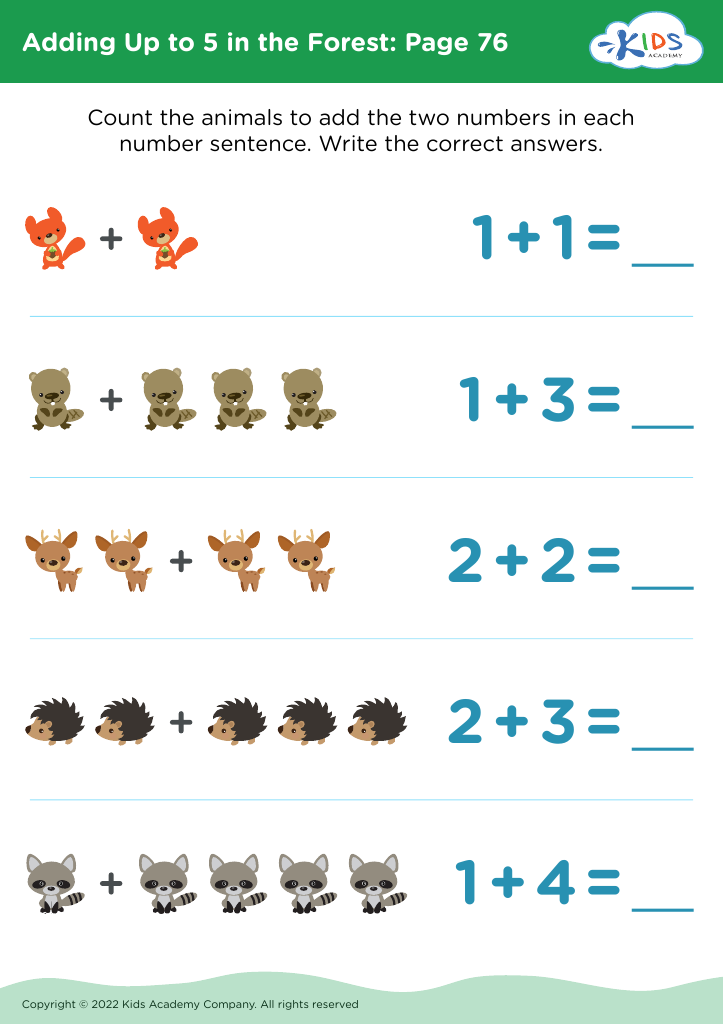
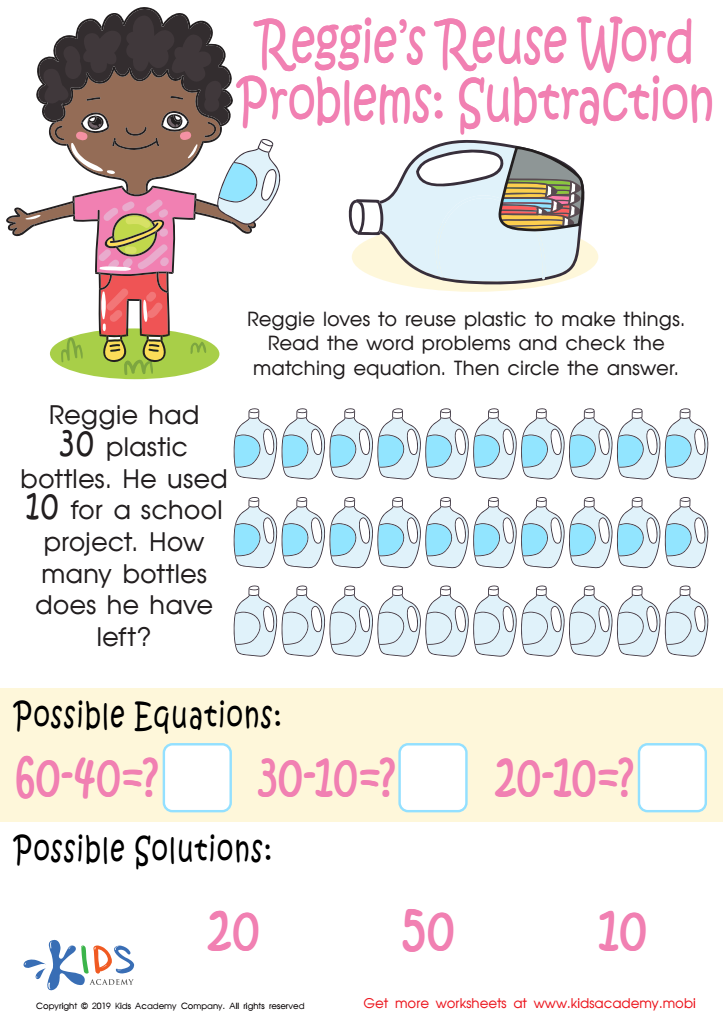
Reggie's Reuse Word Problems: Subtraction Worksheet
 Assign to My Students
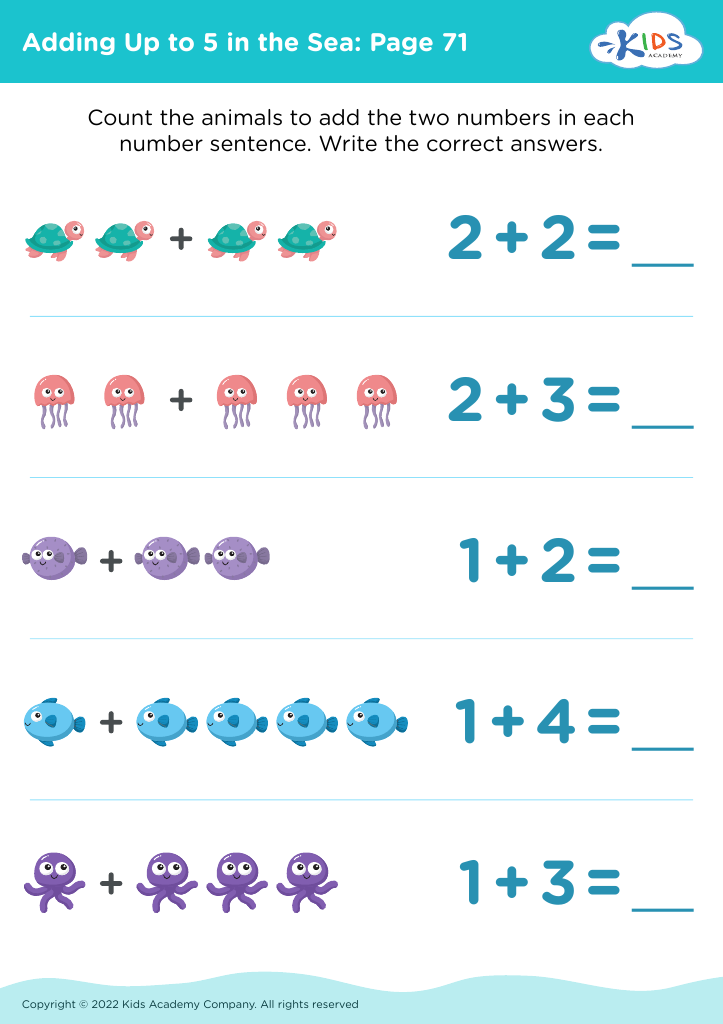
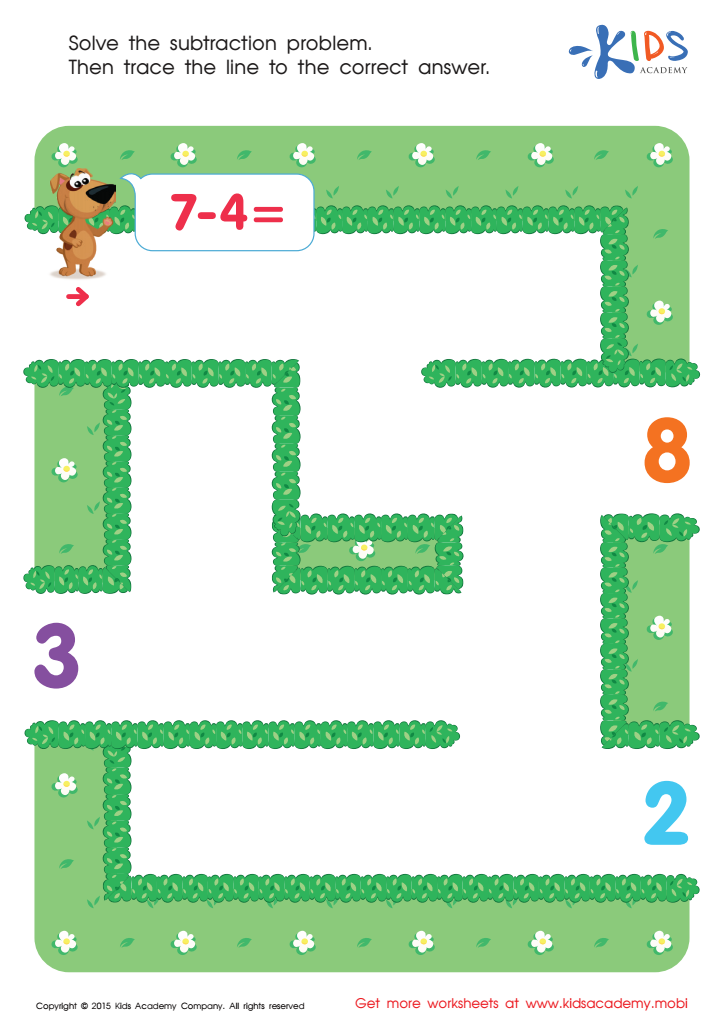
Subtraction Seven Minus Four Worksheet
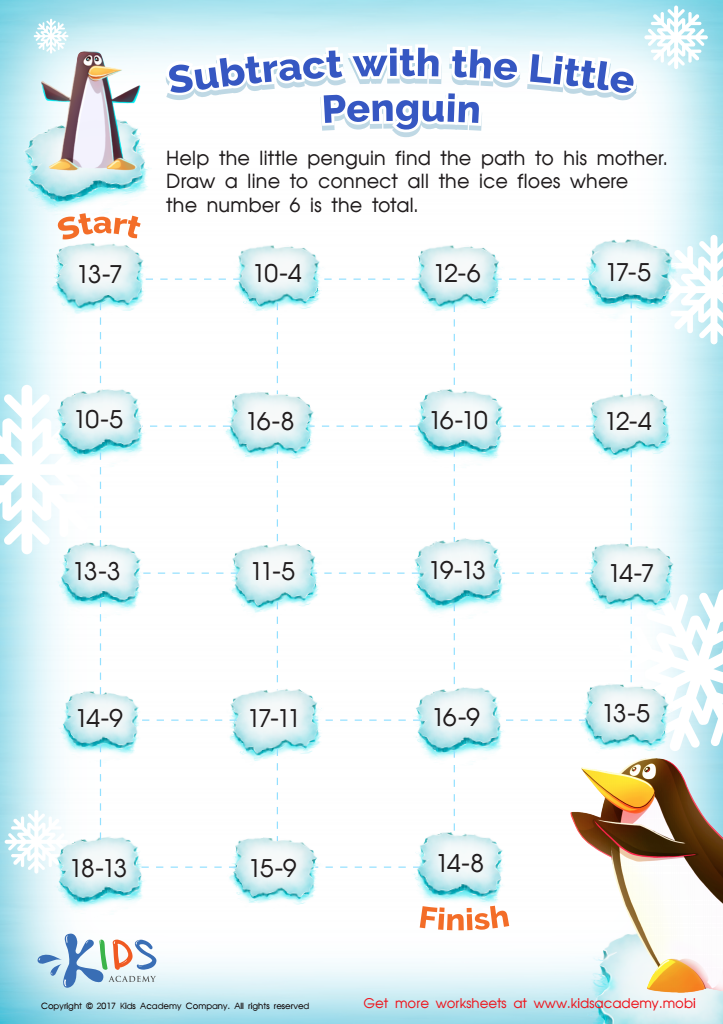
Subtract With The Little Penguin Substraction Worksheet
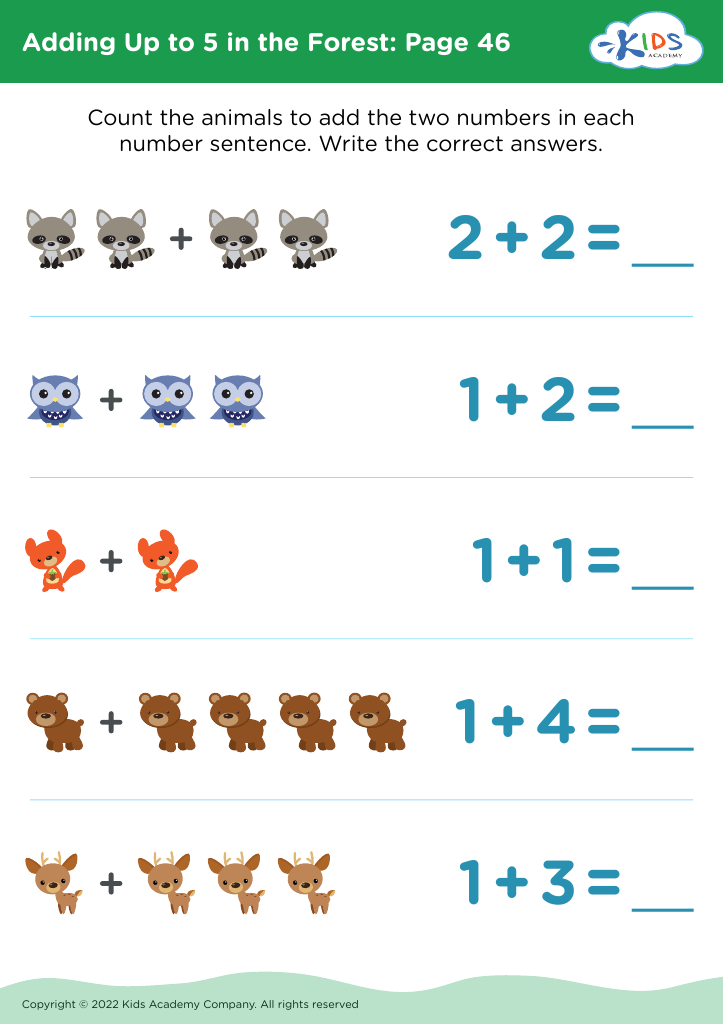
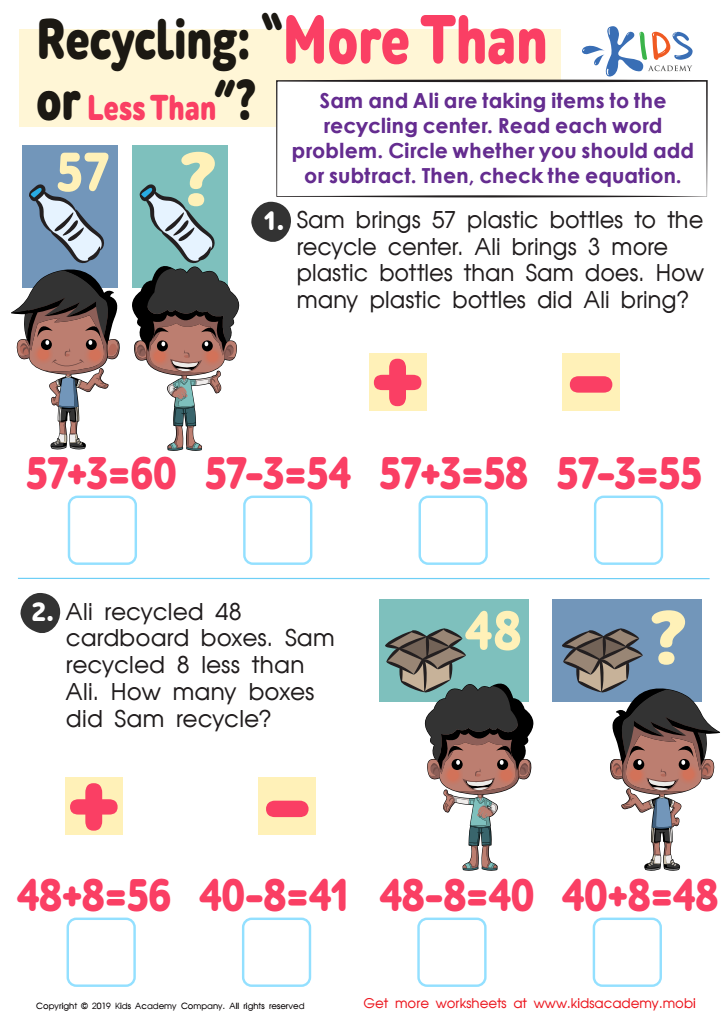
Recycling - More or Less Worksheet
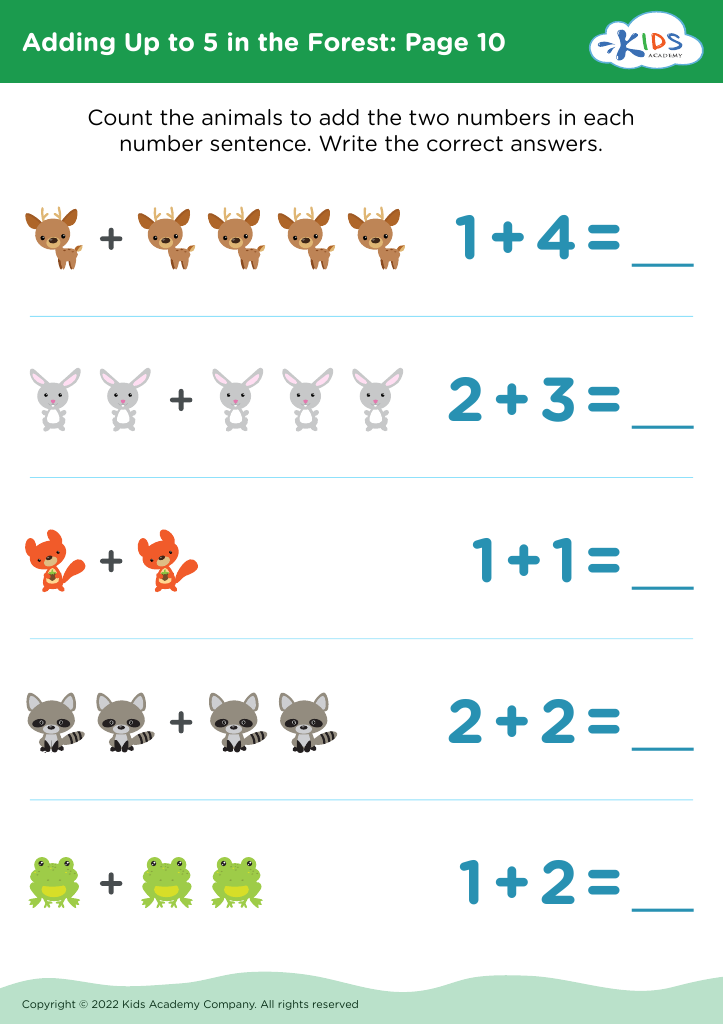
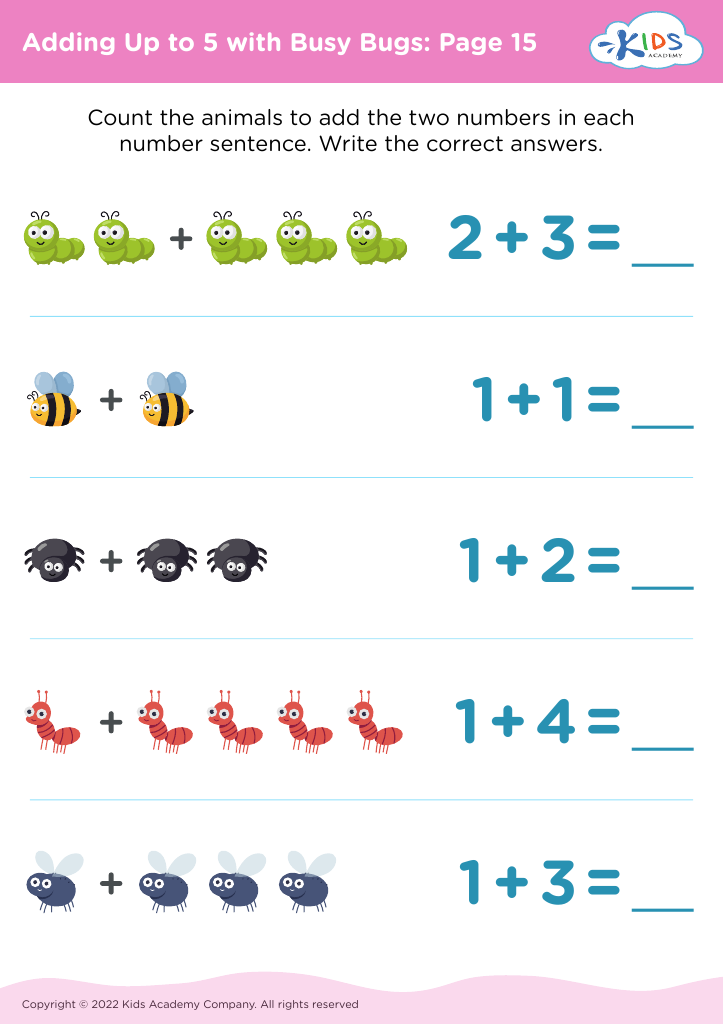








Caring for a child's early math skills, particularly addition and subtraction, is crucial for their cognitive development and future academic success. At the age of three, children are in a rapid learning phase, where they absorb information swiftly and begin to understand basic concepts. Teaching them simple addition and subtraction sets the foundation for more complex math skills they will encounter later on.
Developing these basic math skills helps enhance a child's problem-solving abilities and critical thinking. Engaging children in fun, interactive math activities promotes a love for learning and makes math approachable, reducing anxiety associated with it in later years. Furthermore, these foundational skills support other areas of learning, such as language development, as children learn to communicate about numbers and share their thoughts logically.
Moreover, incorporating addition and subtraction into daily activities—like sharing snacks or counting toys—encourages the practical application of math in real life. This not only solidifies their understanding but also teaches important social skills, such as cooperation and sharing. By fostering early math skills, parents and teachers can empower children to thrive in school and build confidence in their abilities, setting them on a successful educational journey.








