Counting skills Addition & Subtraction Worksheets for 3-Year-Olds - Page 6
123 filtered results
-
From - To
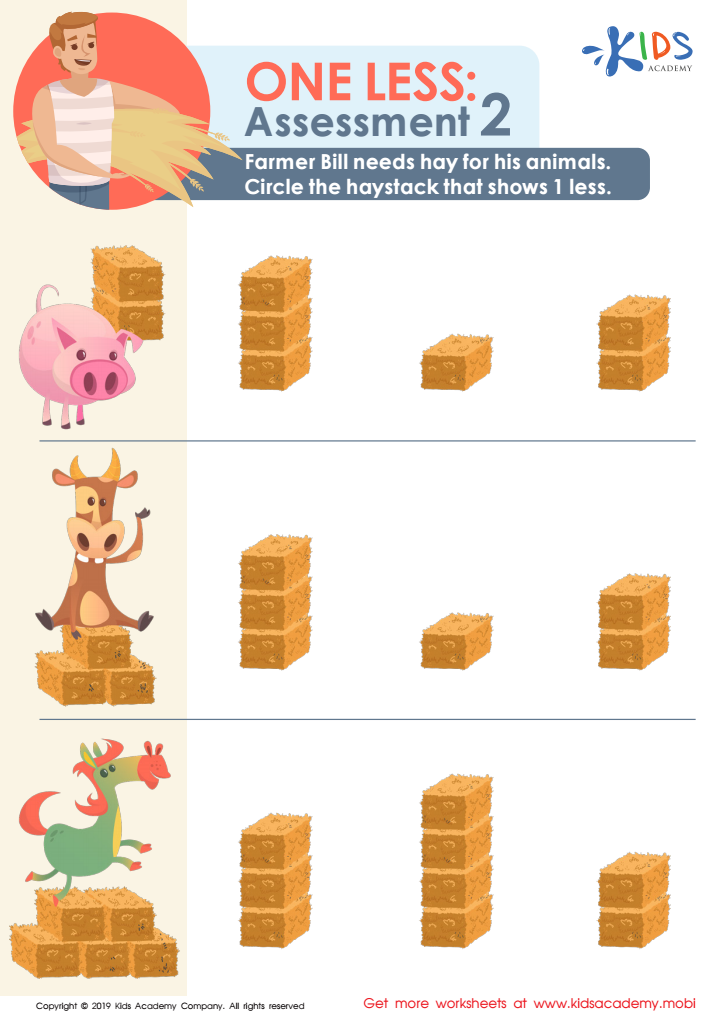
One Less: Assessment 2 Worksheet
 Assign to My Students
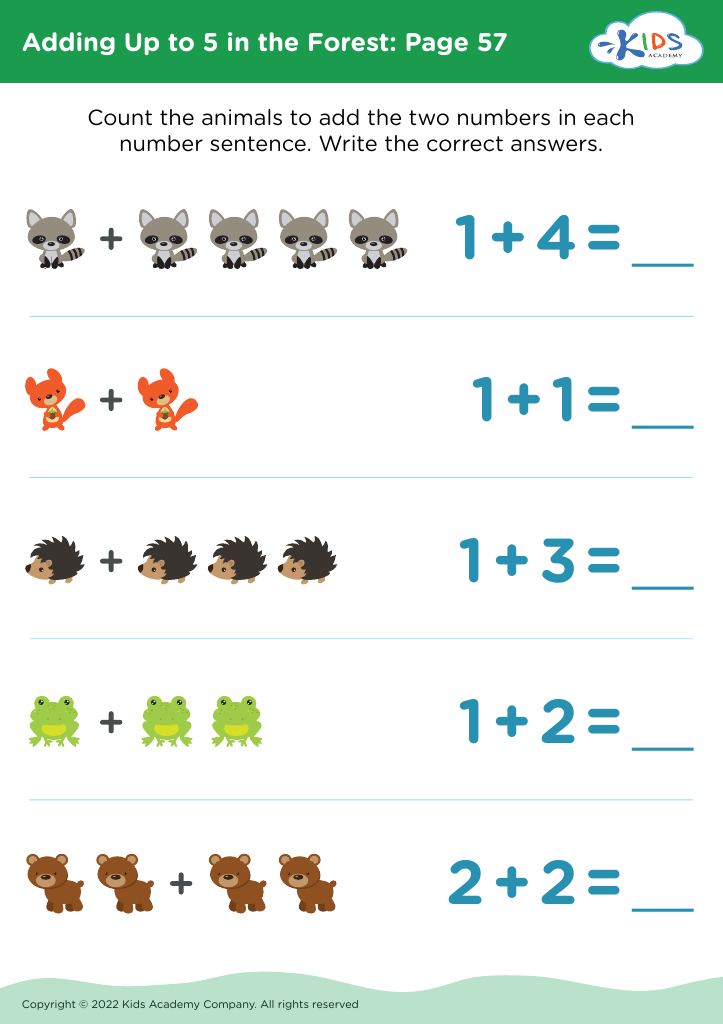
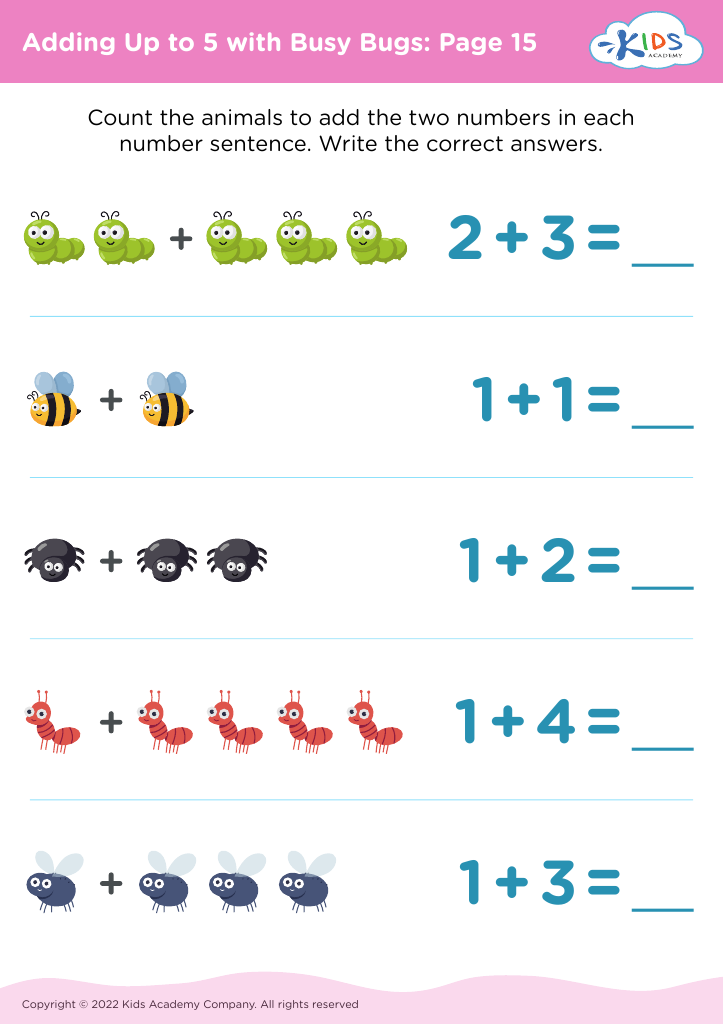








Counting skills, alongside addition and subtraction, lay the foundation for early mathematical understanding, making them crucial for three-year-olds. At this age, children begin to explore how numbers represent real-world concepts. By nurturing these skills, parents and teachers can foster a child’s cognitive development, problem-solving abilities, and logical thinking.
Counting helps children understand sequences and recognize numbers, which are essential for everyday tasks like understanding age or the number of friends they have. Addition and subtraction, although more advanced concepts, can be introduced simply through play—like adding toys or subtracting snacks. This playful approach enables children to grasp these ideas intuitively.
Moreover, early math skills boost a child’s future academic success. Research shows that a strong foundation in numbers leads to greater achievements as children progress through school. By encouraging counting and basic operations at this age, adults can enhance language development and instill a positive attitude toward learning.
Lastly, incorporating these activities into daily routines creates engaging, interactive experiences that make learning enjoyable. When parents and teachers prioritize counting, addition, and subtraction, they empower children with essential skills that support both their immediate learning and long-term confidence in mathematics.








