Visual Perception Skills Addition & Subtraction Worksheets for 3-Year-Olds
5 filtered results
-
From - To
Boost your 3-year-old's early math skills with our engaging Visual Perception Skills Addition and Subtraction Worksheets! Designed to enhance visual recognition and cognitive development, these worksheets help young learners practice essential math concepts in a fun and interactive way. Your little ones will strengthen their ability to identify numbers, match shapes, and understand basics of addition and subtraction through colorful illustrations and activities. Supporting preschoolers in their foundational learning, these worksheets lay the groundwork for future success in math. Dive into an exciting educational experience that will captivate your child's imagination while fostering important perceptual skills. Get started today!
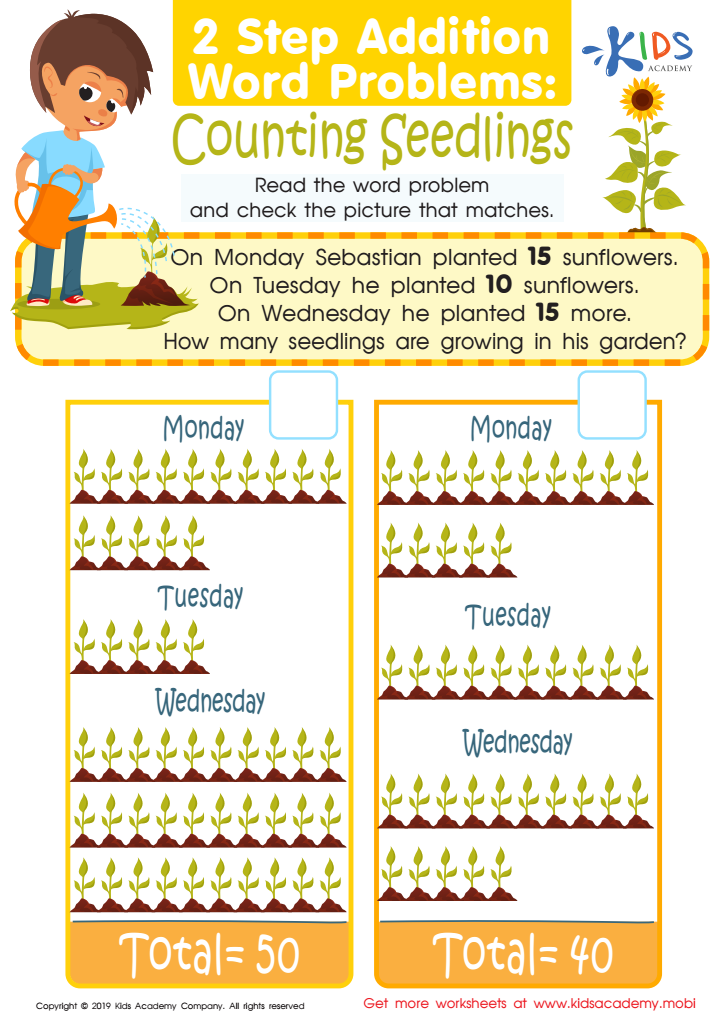
Counting Seedlings Worksheet
 Assign to My Students
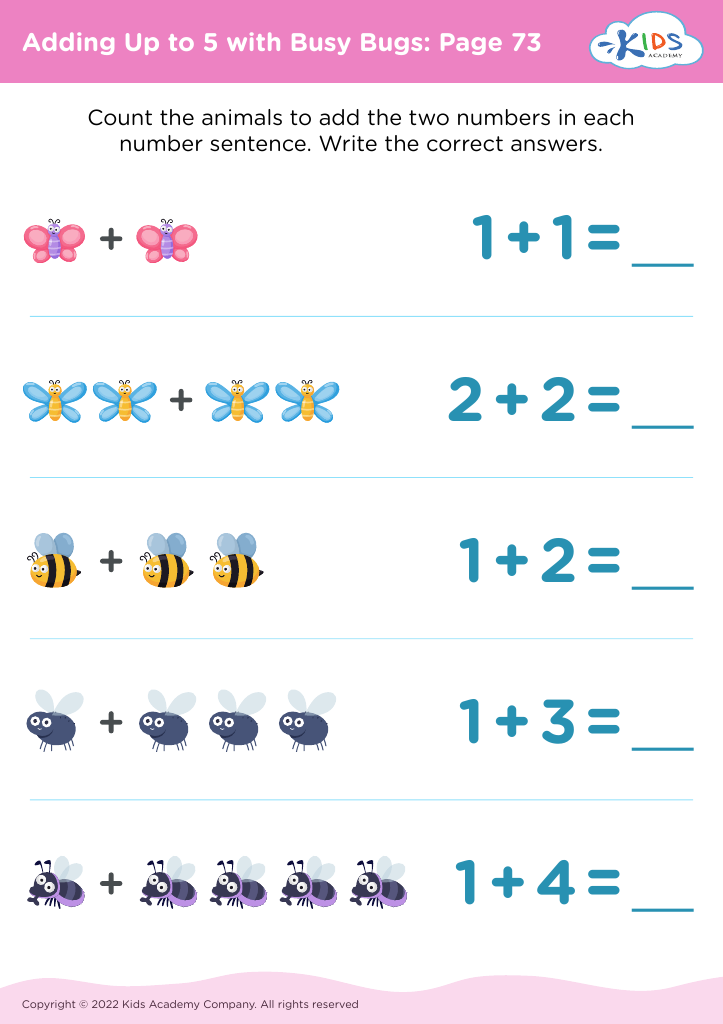
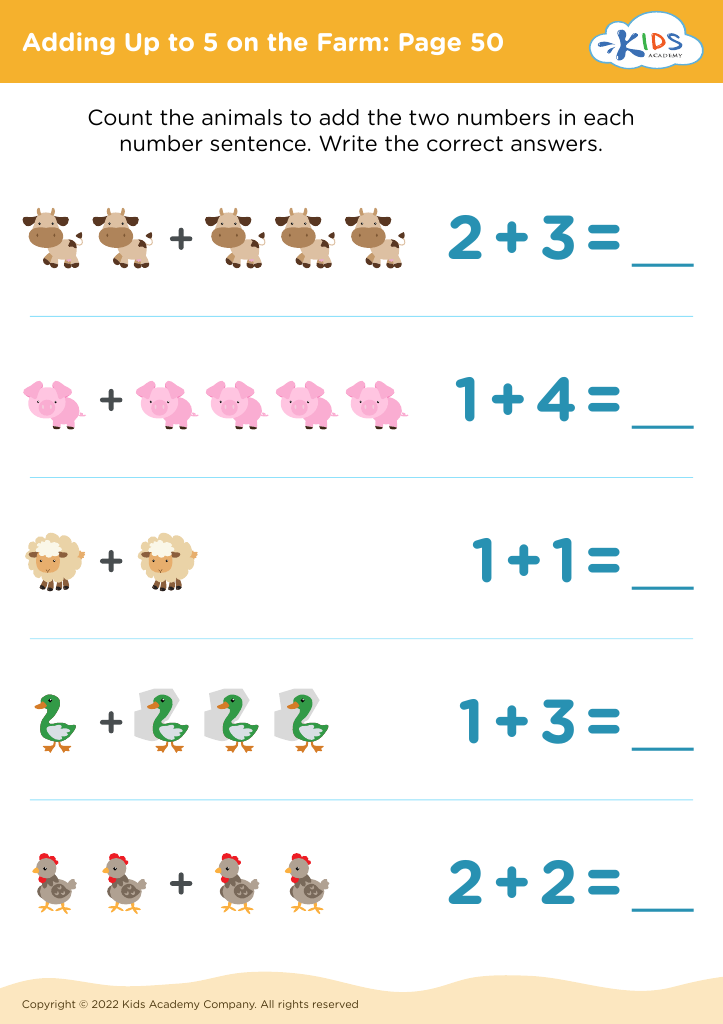
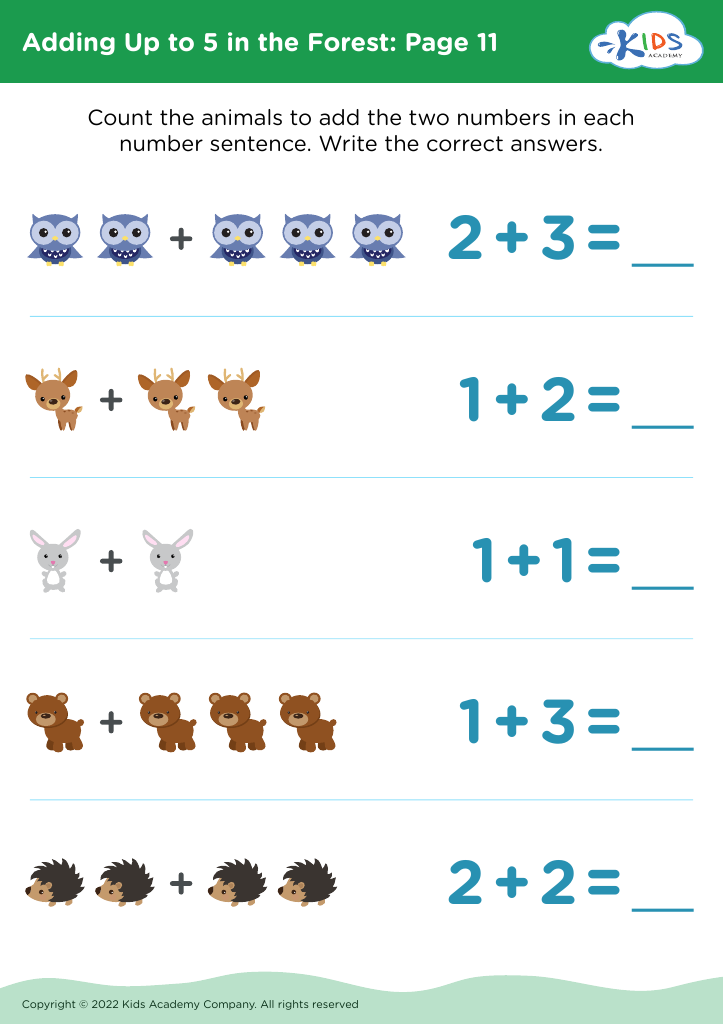
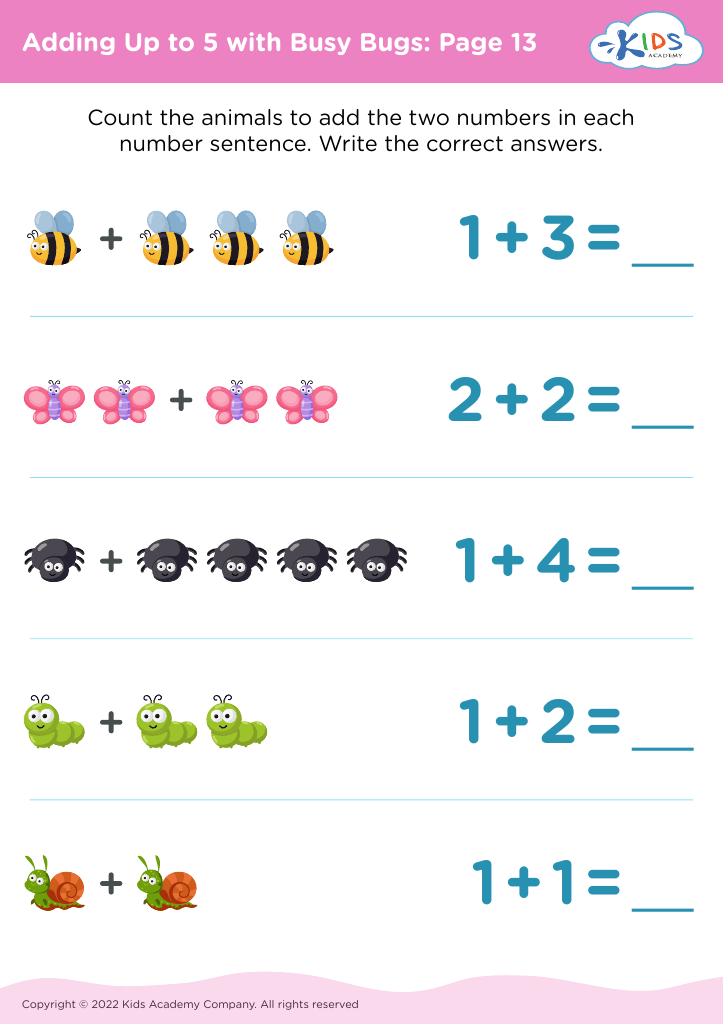








Visual perception skills are vital for 3-year-olds as they form the foundation for early math concepts like addition and subtraction. These skills encompass the ability to interpret and understand visual information, which is crucial for recognizing patterns, shapes, and numbers. For parents and teachers, fostering strong visual perception in young children can significantly enhance their mathematical abilities and overall cognitive development.
At this age, children start to explore basic mathematical ideas through play and everyday experiences. For example, visual perception aids in recognizing different quantities, comparing sizes, or identifying number patterns, making concepts like addition and subtraction more intuitive and engaging. When parents and teachers prioritize these skills, they set the groundwork for more complex mathematics later on.
Activities that promote visual perception—such as sorting shapes, playing with blocks, or engaging in puzzles—also encourage critical thinking and problem-solving. Furthermore, developing these skills not only supports math learning but also enriches a child's overall learning journey, boosting confidence and fostering a love for exploration. To nurture well-rounded learners, parents and teachers should care about cultivating visual perception skills, as these are integral to a child's comprehensive educational path.








