Basic Arithmetic Addition Worksheets for 3-Year-Olds - Page 2





.jpg)


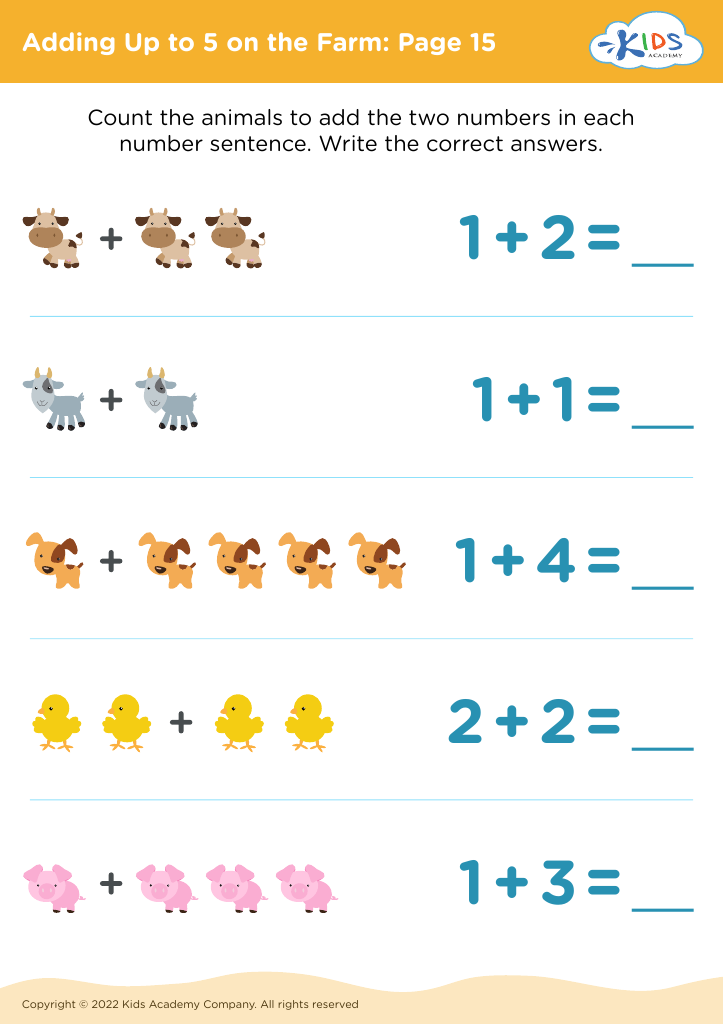
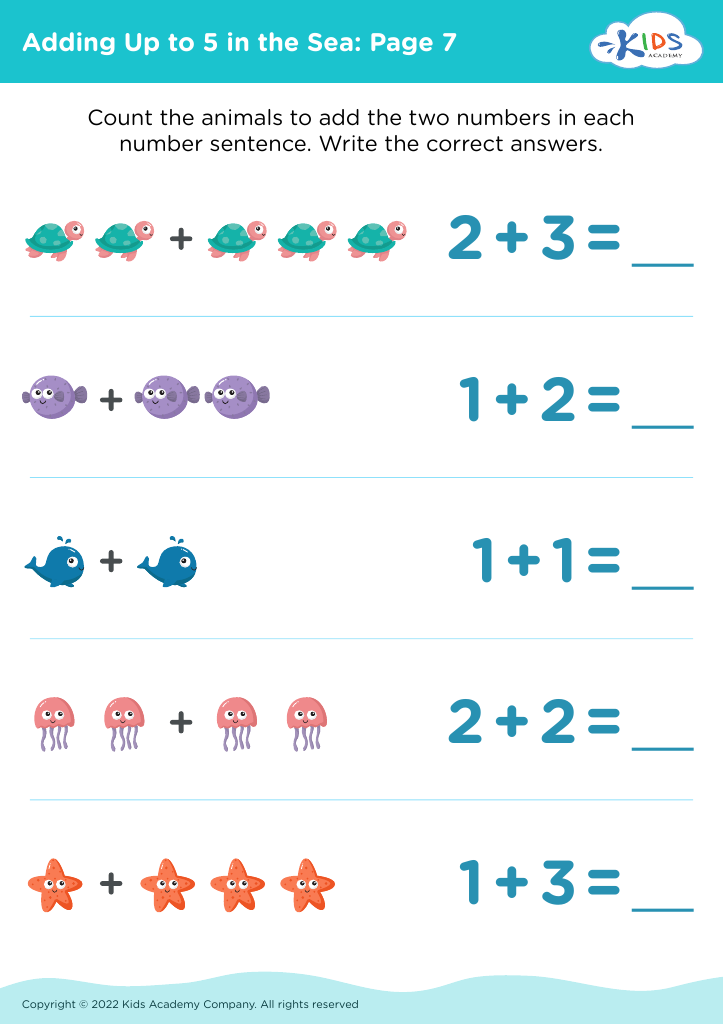
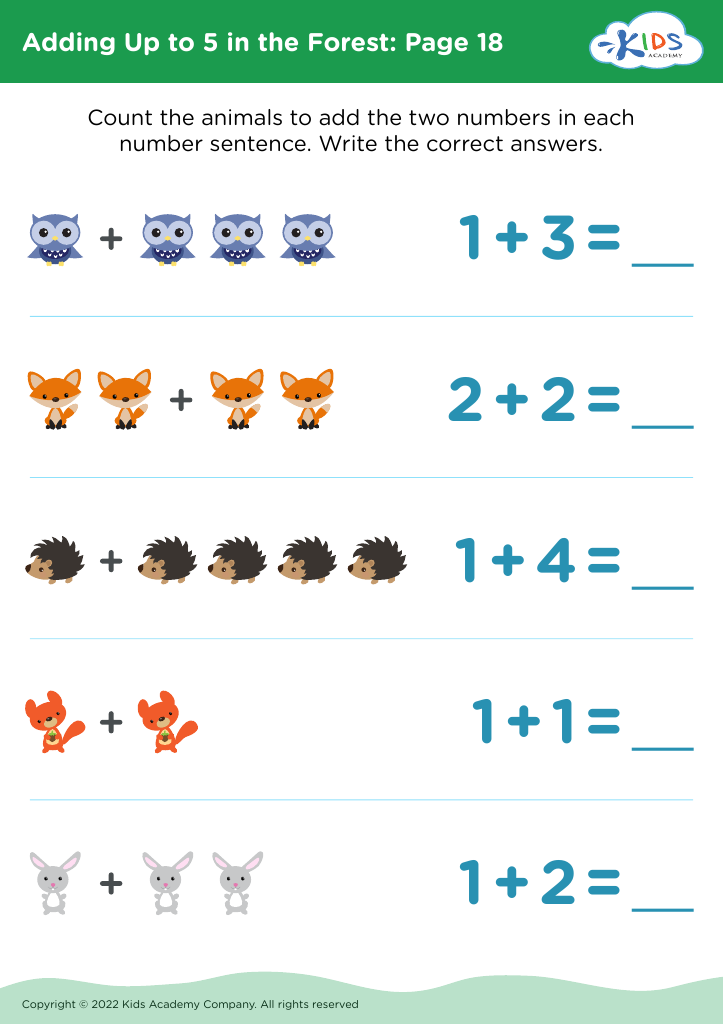
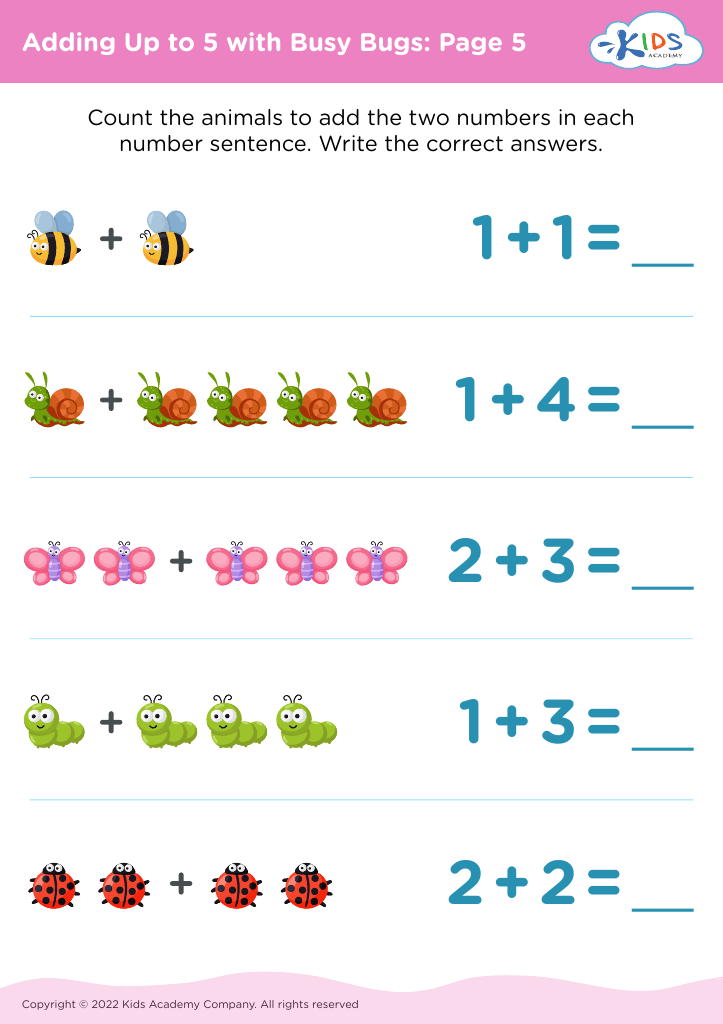
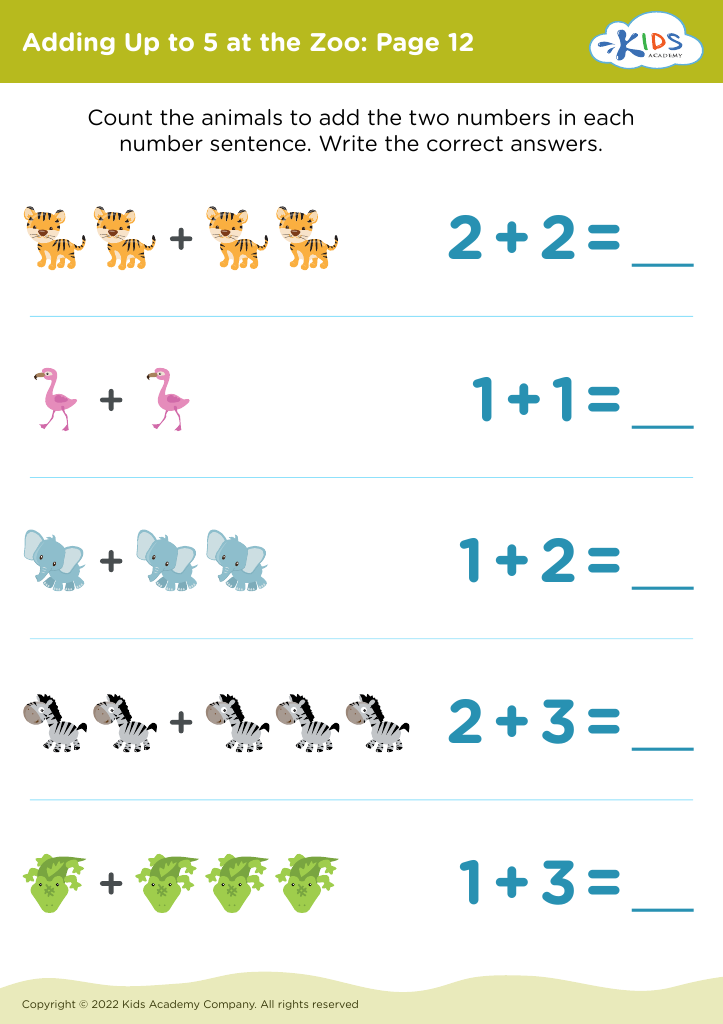
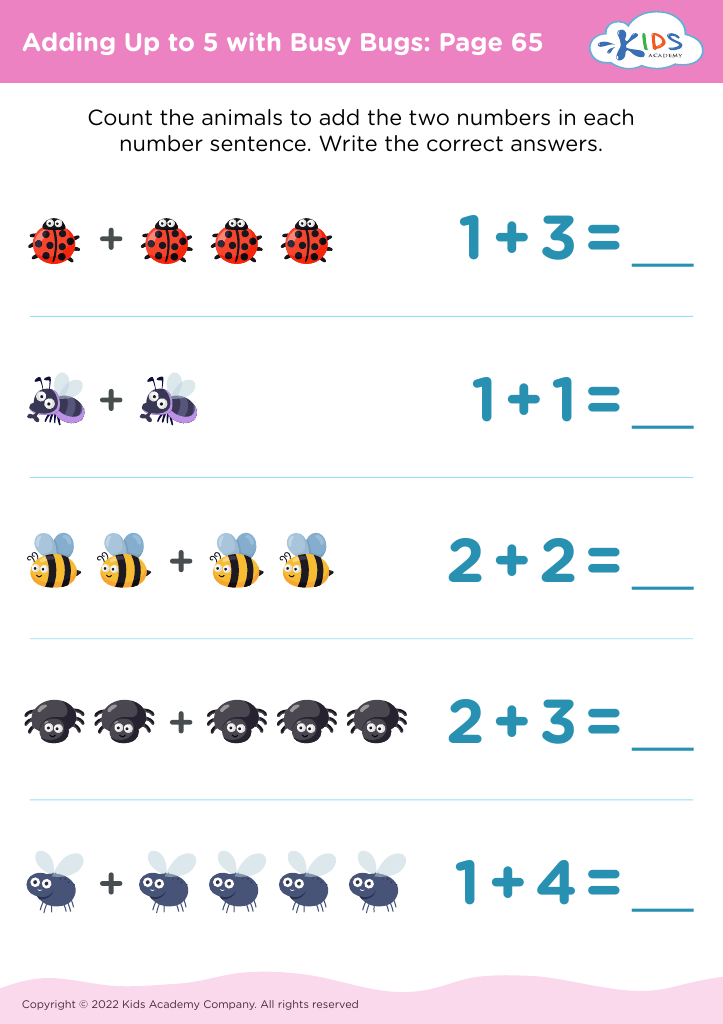
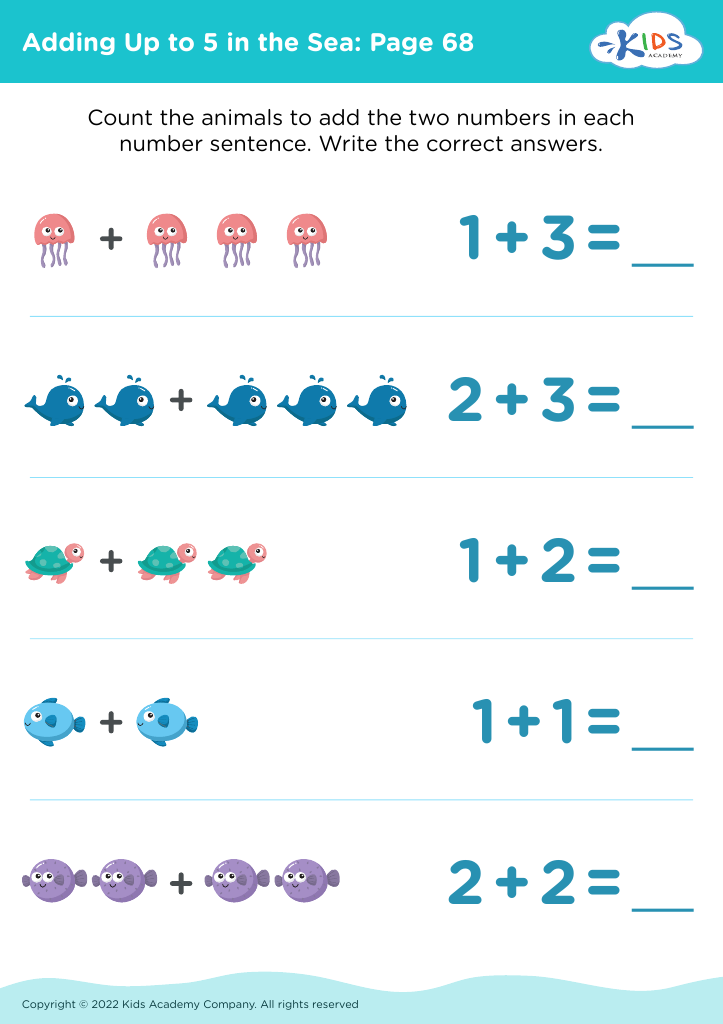
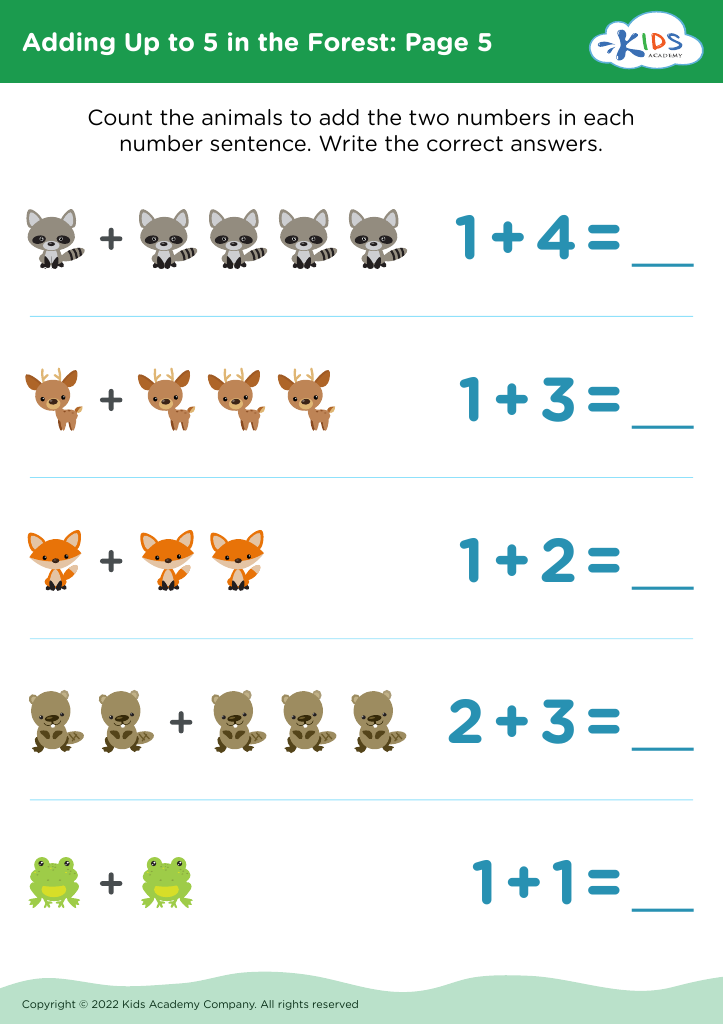
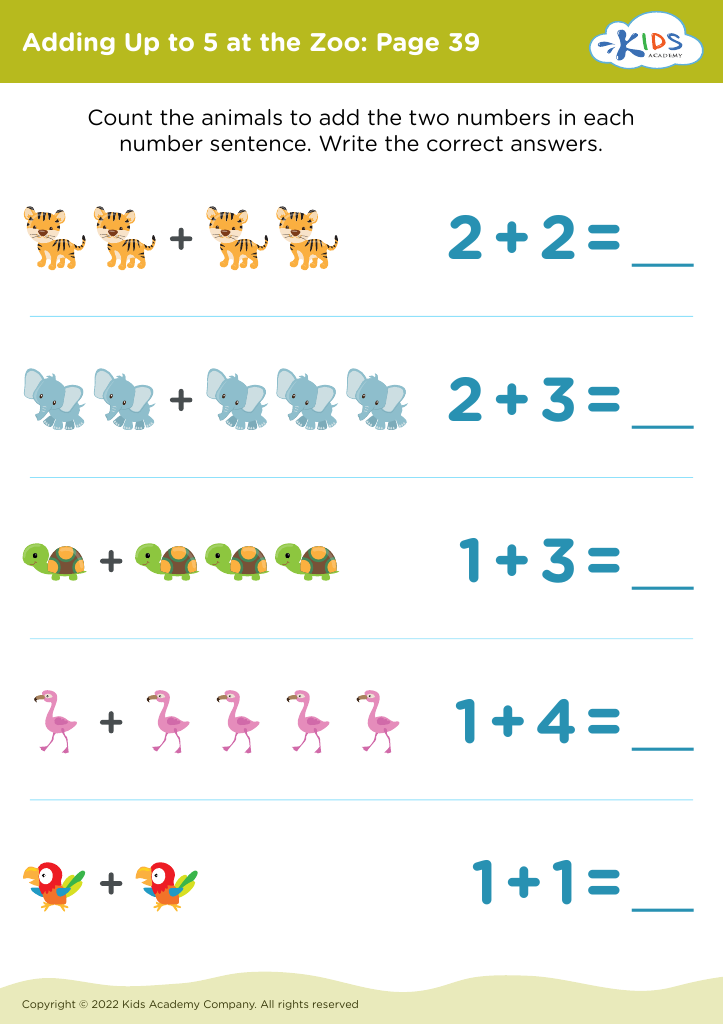
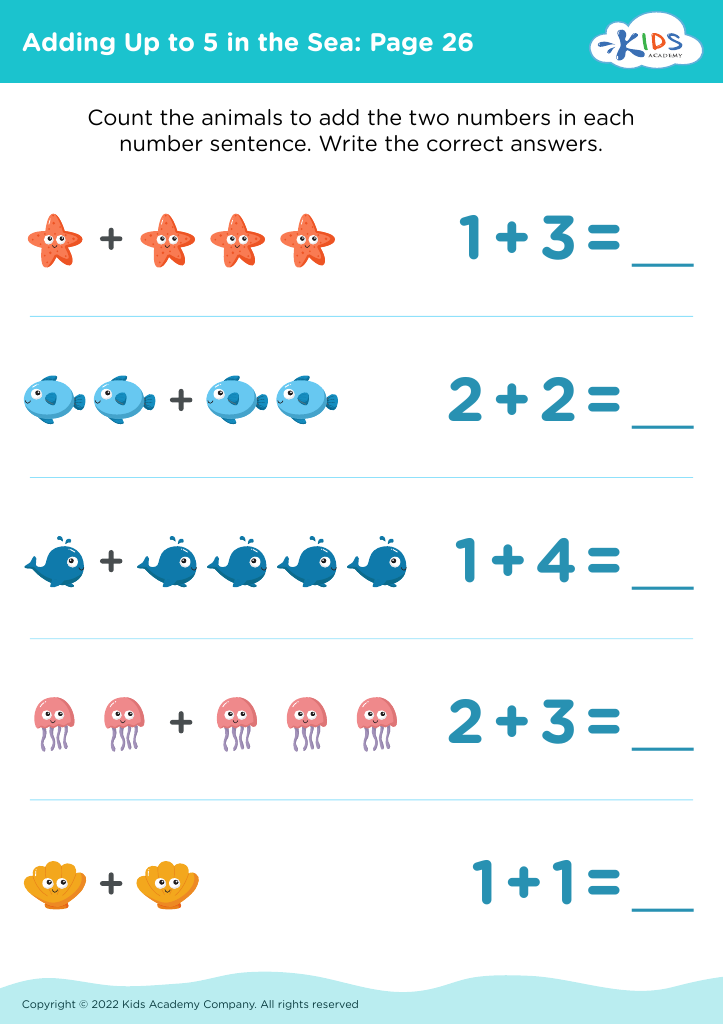
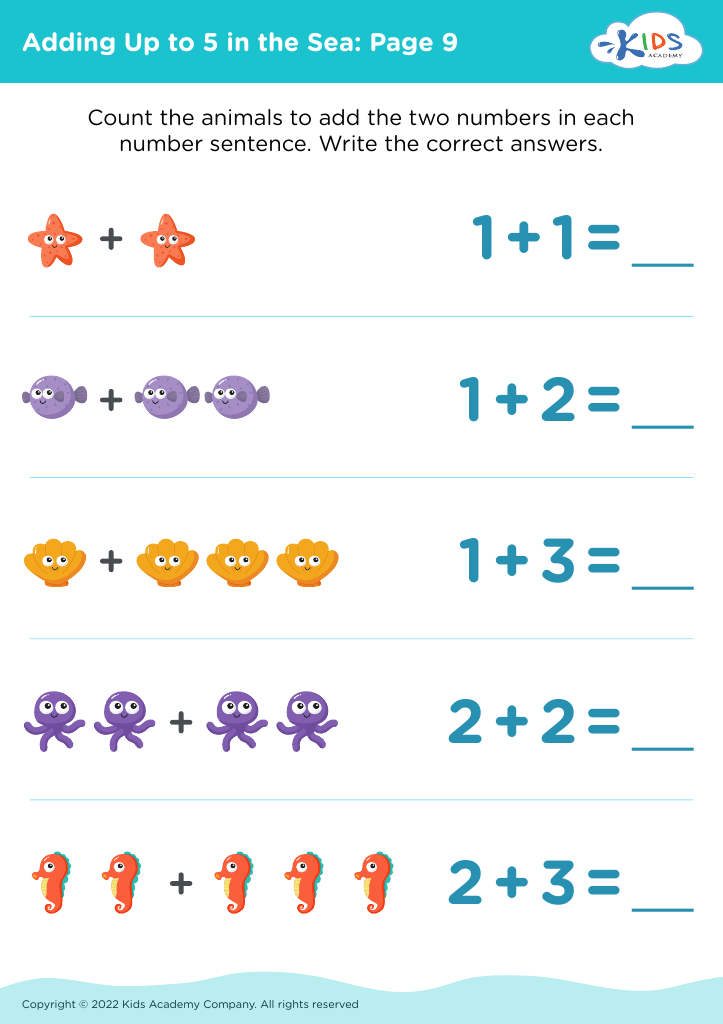
Introducing basic arithmetic addition to 3-year-olds is crucial for several reasons. At this developmental stage, children's brains are highly malleable and soak up information like sponges. Engaging them in simple addition activities lays a foundation for essential math skills they will use throughout their lives. Early math skills are strongly linked to later academic success, not just in mathematics but across other subjects too. Practicing addition helps children develop problem-solving abilities and logical thinking from an early age.
For parents and teachers, supporting a child's early encounters with math fosters a positive attitude toward learning. Playful, everyday addition challenges—such as counting toys or snacks—make learning fun and relatable. This approach instills confidence in young learners when they eventually encounter formal math lessons in school.
Moreover, early math practice enhances other cognitive skills like memory and concentration. Socially, it encourages cooperative play with peers, for instance, when counting and sharing objects. Engaging in arithmetic games also strengthens parent-child or teacher-student bonds, creating shared moments of joy and learning.
By caring about early math education, parents and teachers are setting up children for a lifetime of love for learning and success in various academic endeavors.








