Filters

97 filtered results

Clear all filters
Favorites
With answer key
Interactive

97 filtered results

Difficulty Level

Grade


Check out this FREE Trial Lesson on Addition for age 3!

Match Exactly the Same

Favorites
With answer key
Interactive
  • 3
  • Cognitive Development
  • Addition
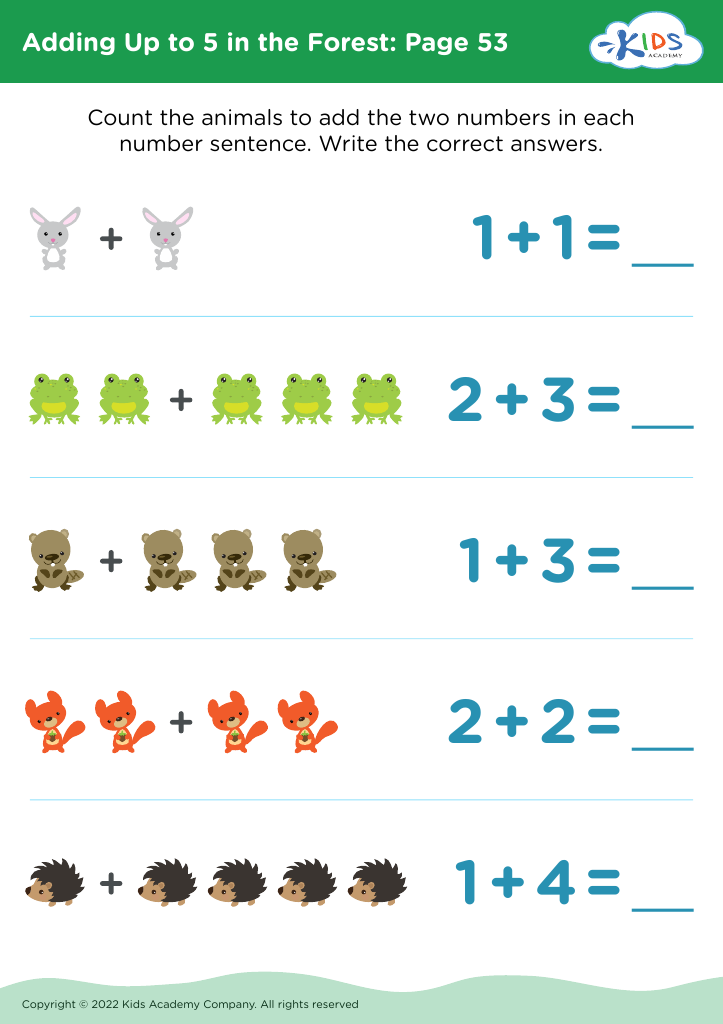
Adding Up to 5 in the Forest: Page 53
Worksheet
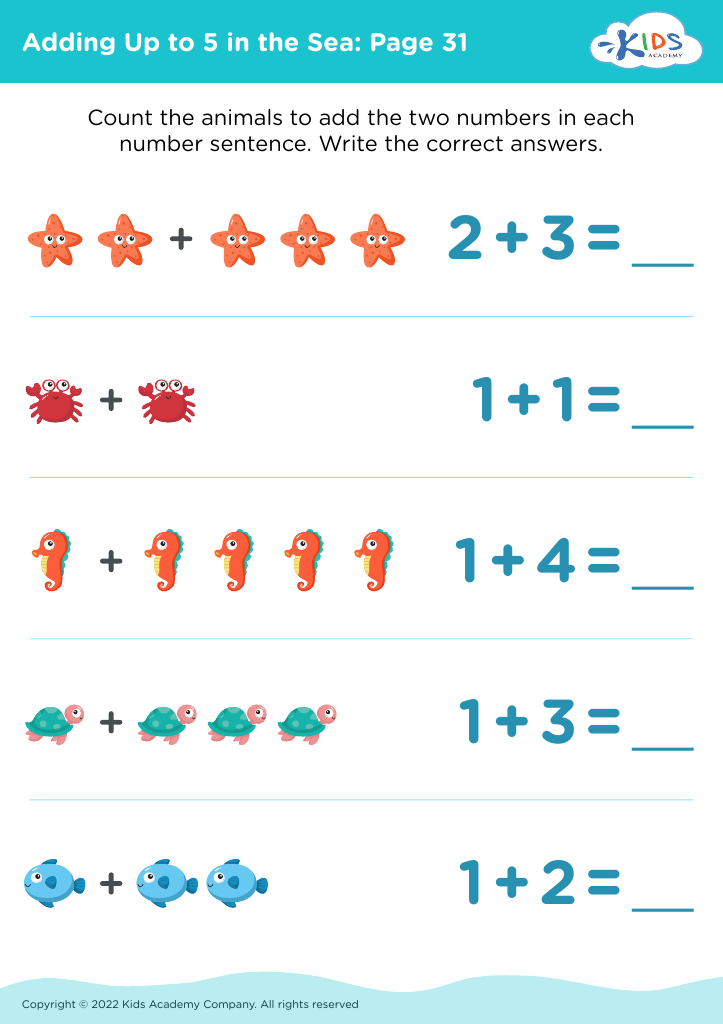
Adding Up to 5 in the Sea: Page 31
Worksheet
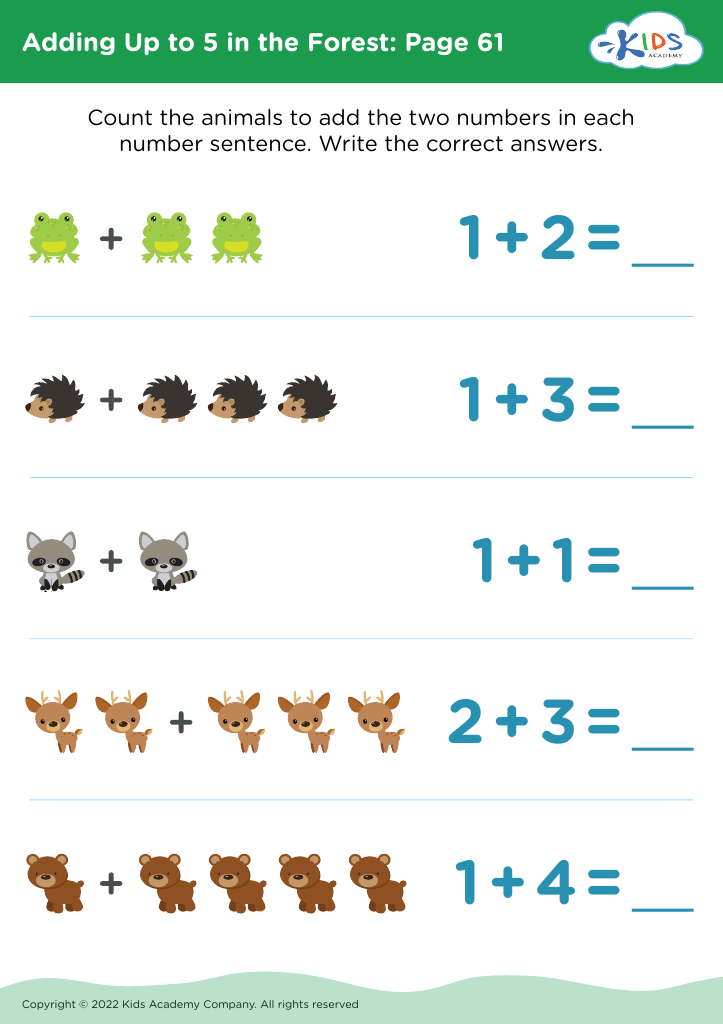
Adding Up to 5 in the Forest: Page 61
Worksheet
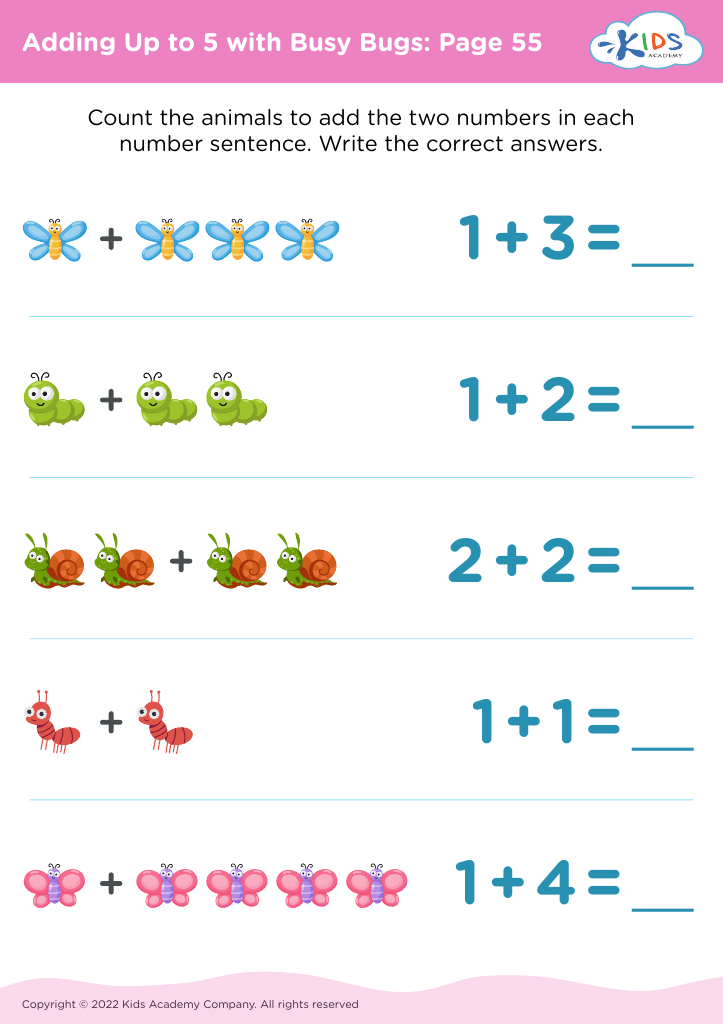
Adding Up to 5 with Busy Bugs: Page 55
Worksheet
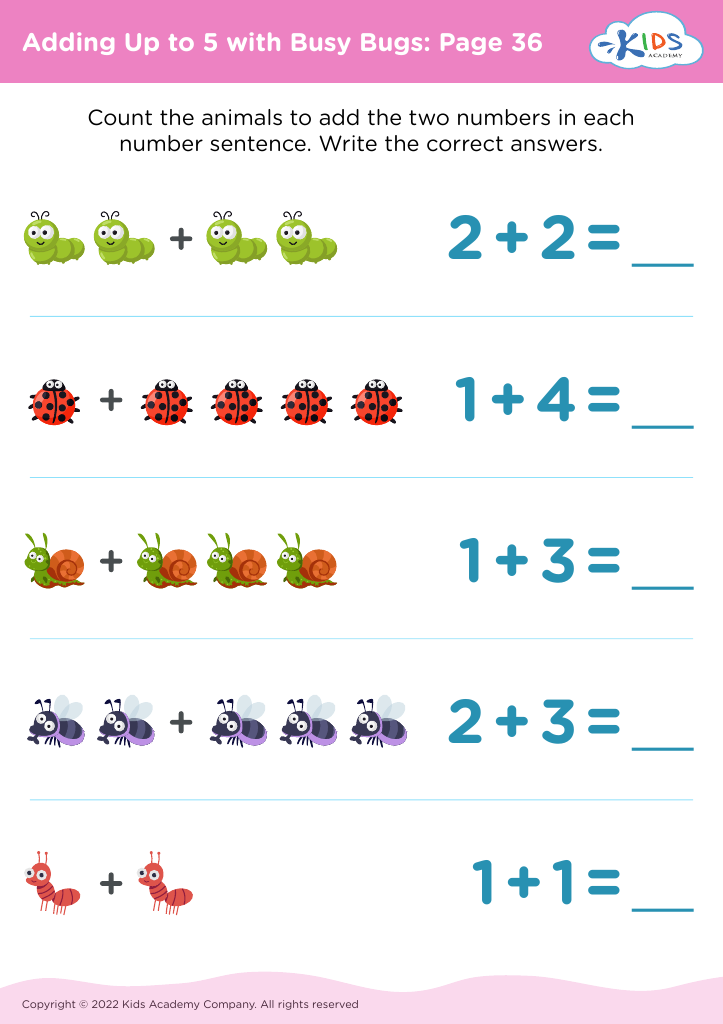
Adding Up to 5 with Busy Bugs: Page 36
Worksheet
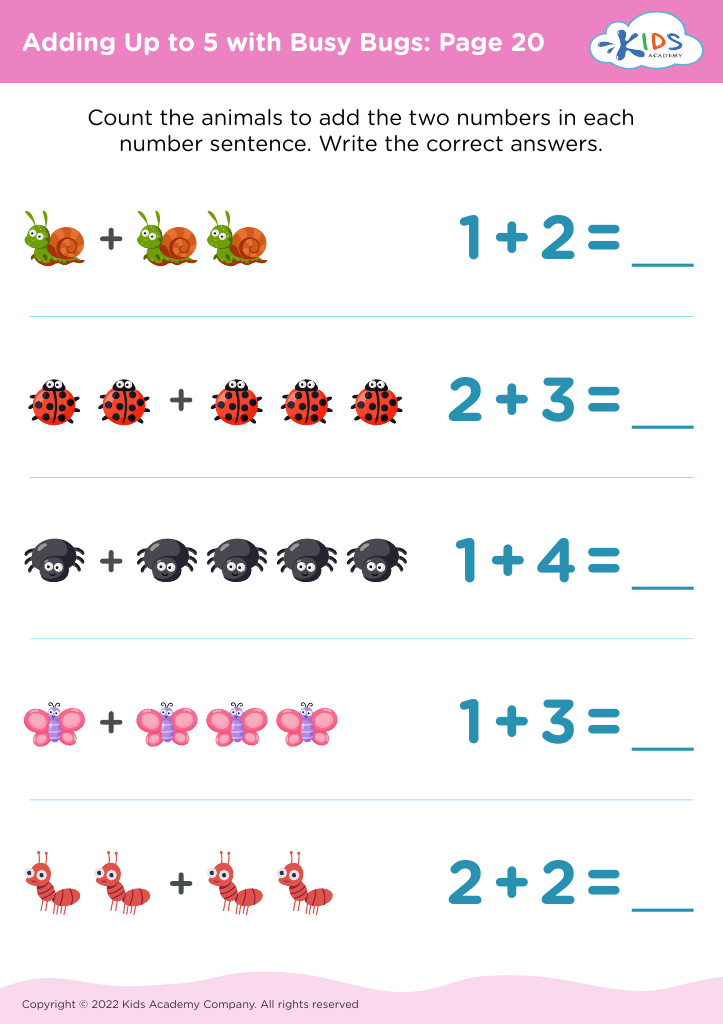
Adding Up to 5 with Busy Bugs: Page 20
Worksheet
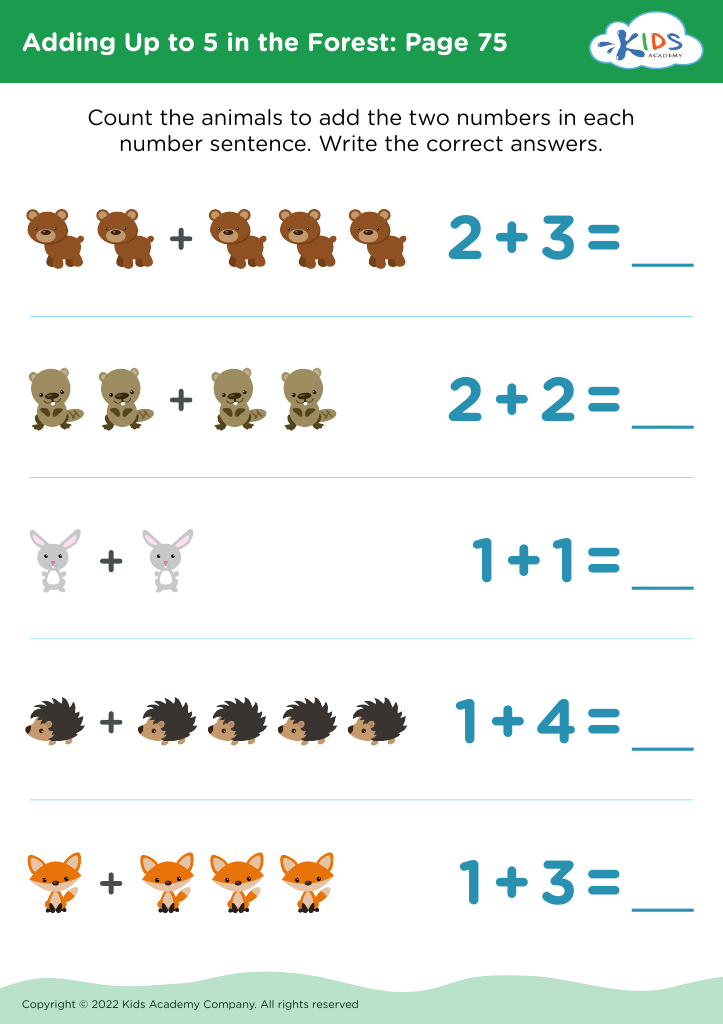
Adding Up to 5 in the Forest: Page 75
Worksheet
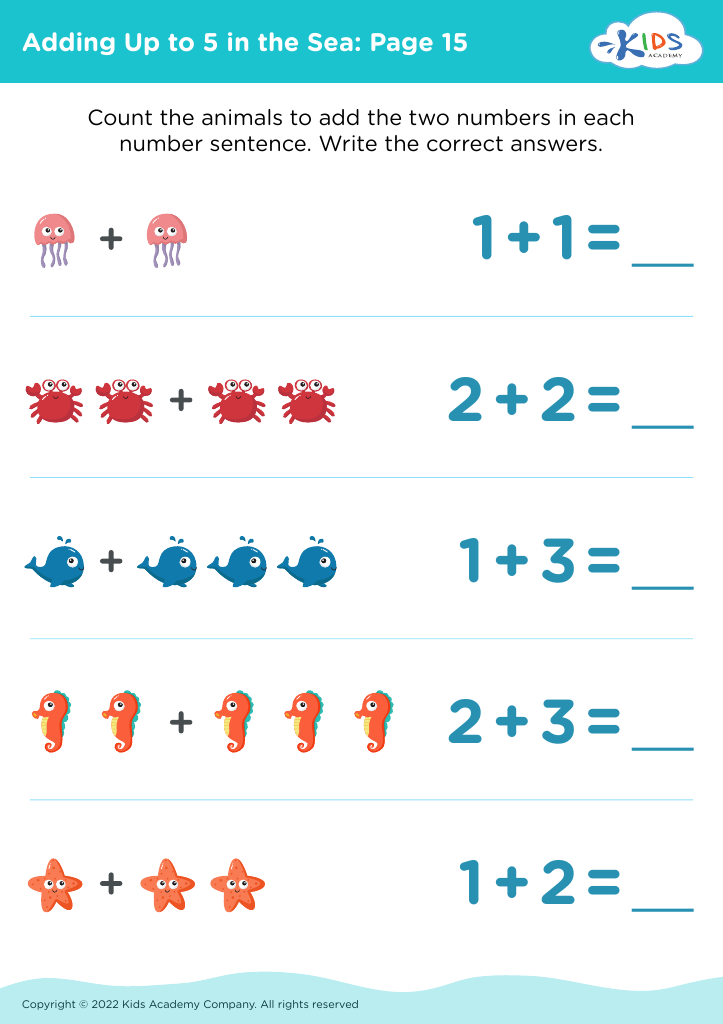
Adding Up to 5 in the Sea: Page 15
Worksheet
Adding Up to 5 in the Sea: Page 7

Adding Up to 5 in the Sea: Page 7

Adding Up to 5 in the Sea: Page 7
Worksheet
Adding Up to 5 in the Sea: Page 54
Worksheet
Adding Up to 5 with Busy Bugs: Page 17
Worksheet
Adding Up to 5 in the Sea: Page 47
Worksheet
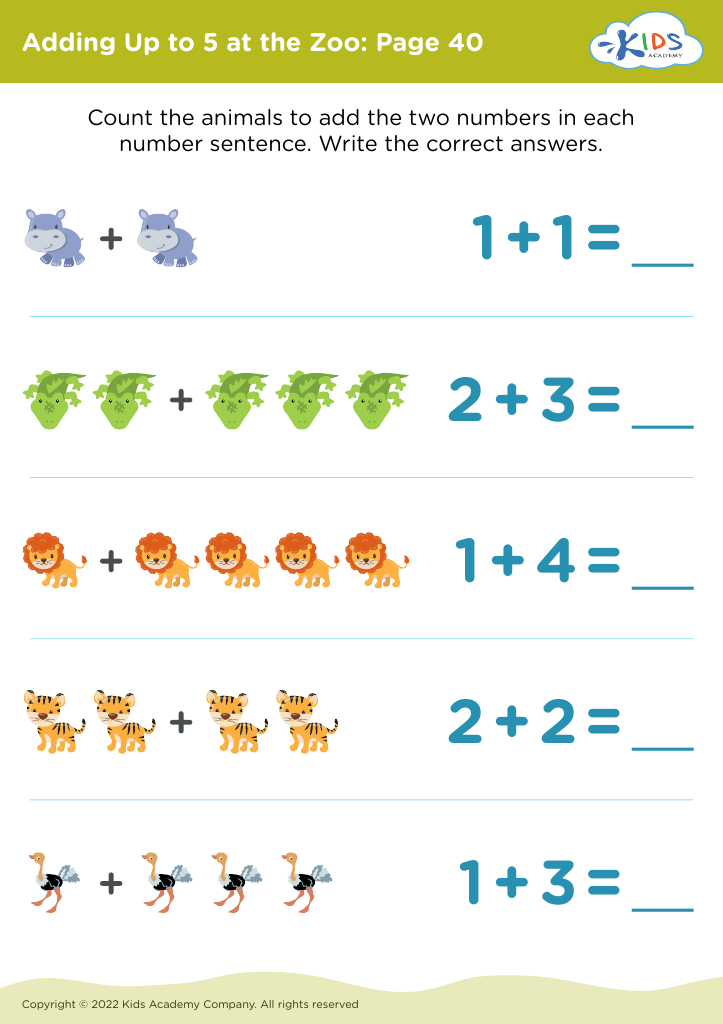
Adding Up to 5 at the Zoo: Page 40
Worksheet
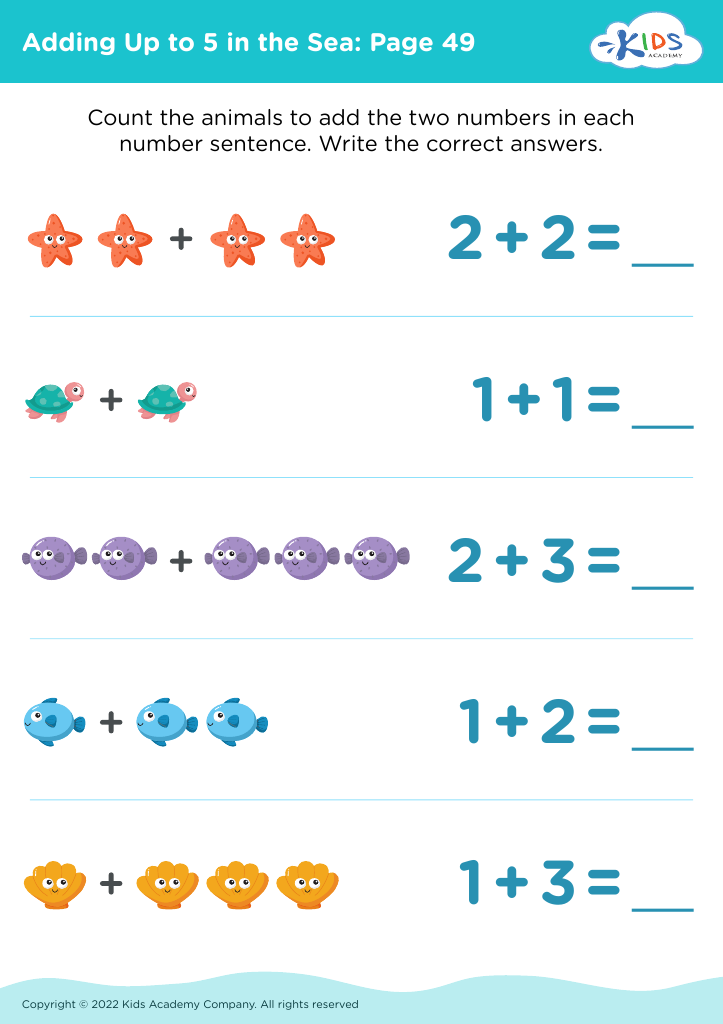
Adding Up to 5 in the Sea: Page 49
Worksheet
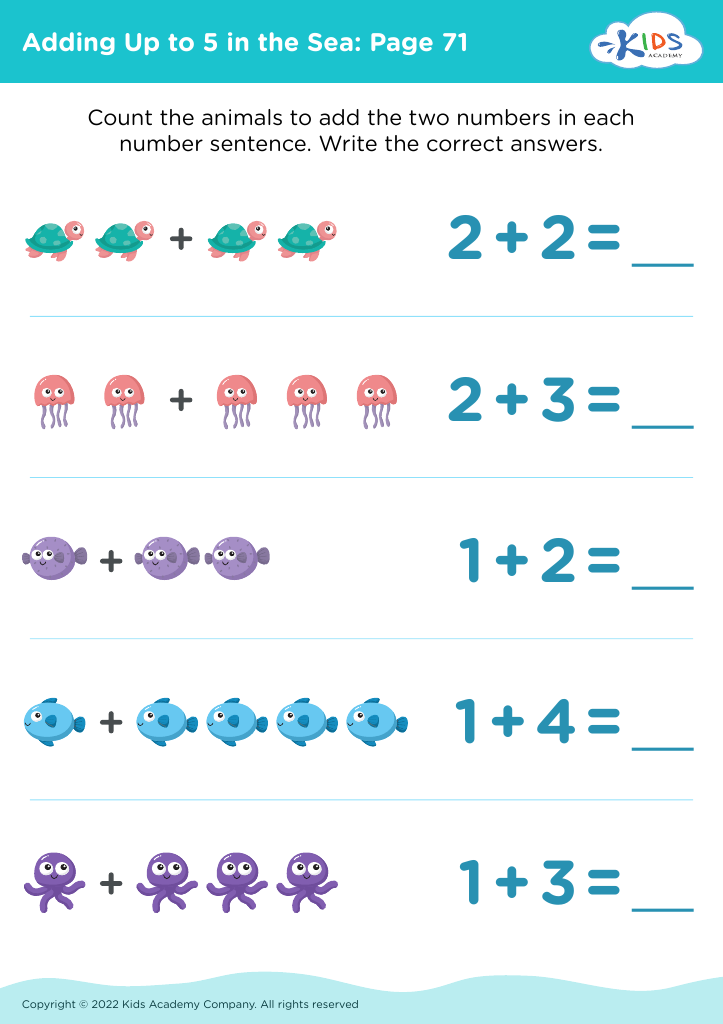
Adding Up to 5 in the Sea: Page 71
Worksheet
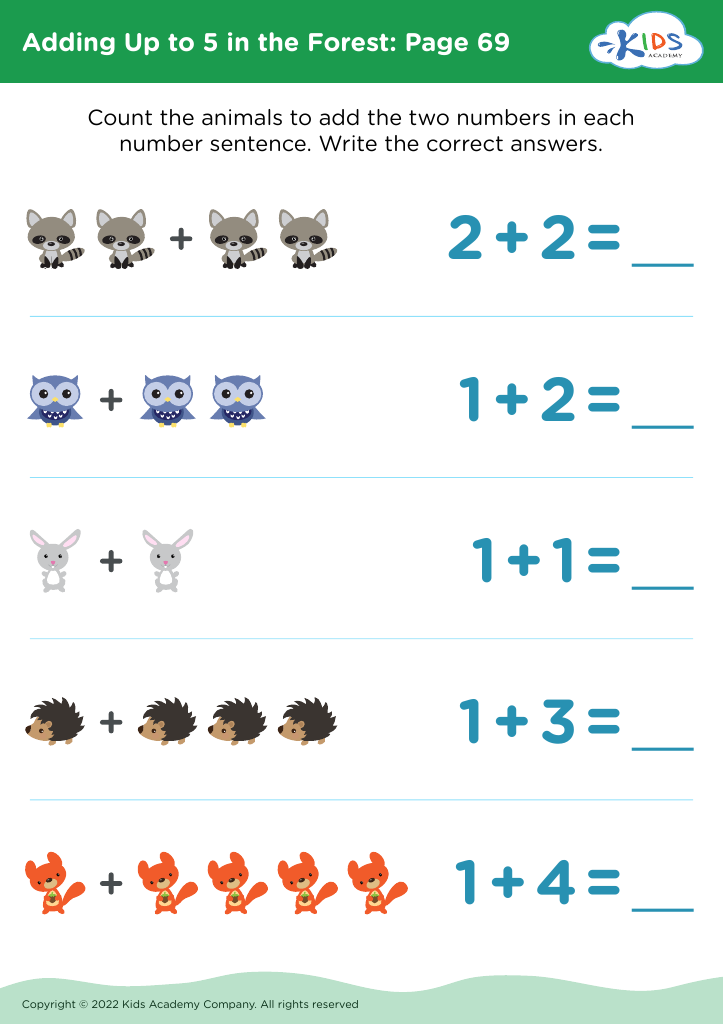
Adding Up to 5 in the Forest: Page 69
Worksheet
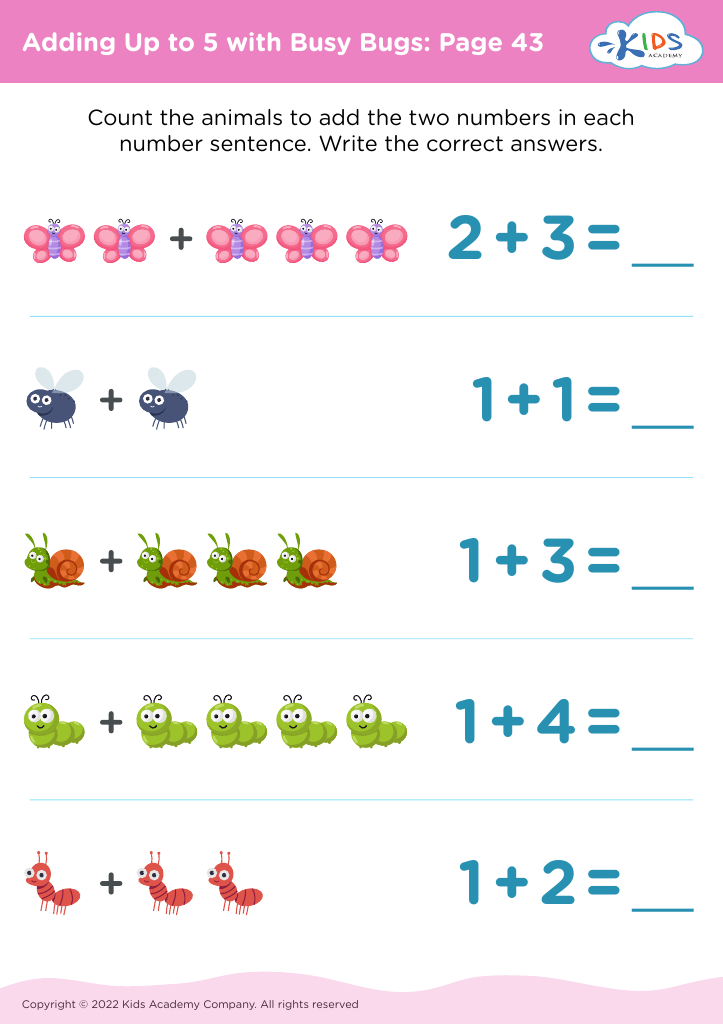
Adding Up to 5 with Busy Bugs: Page 43
Worksheet
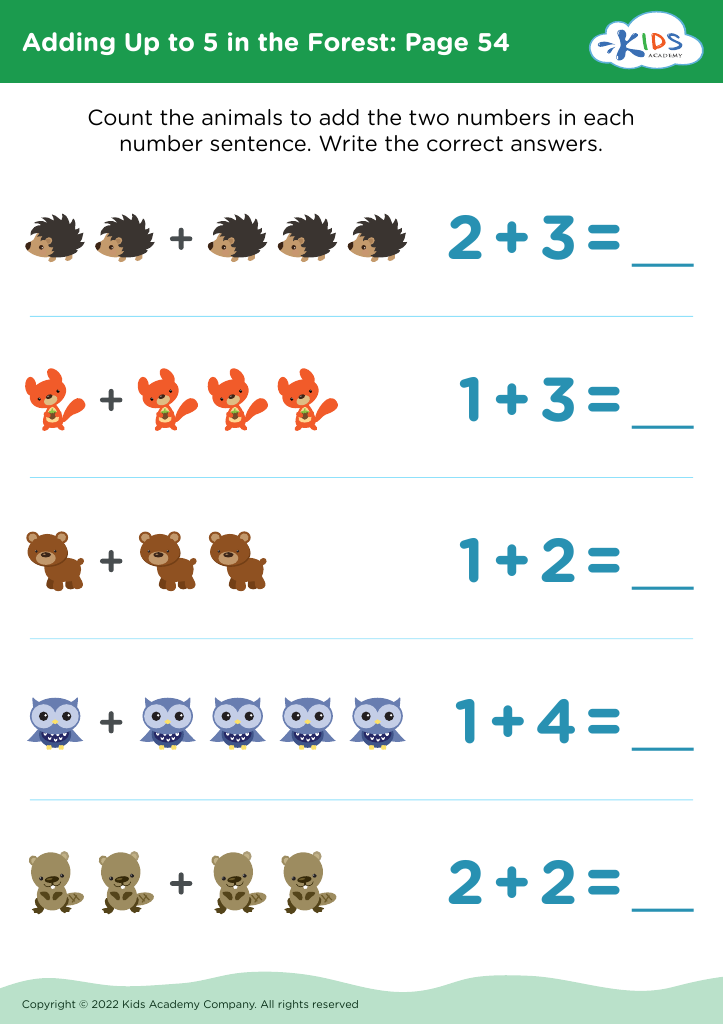
Adding Up to 5 in the Forest: Page 54
Worksheet
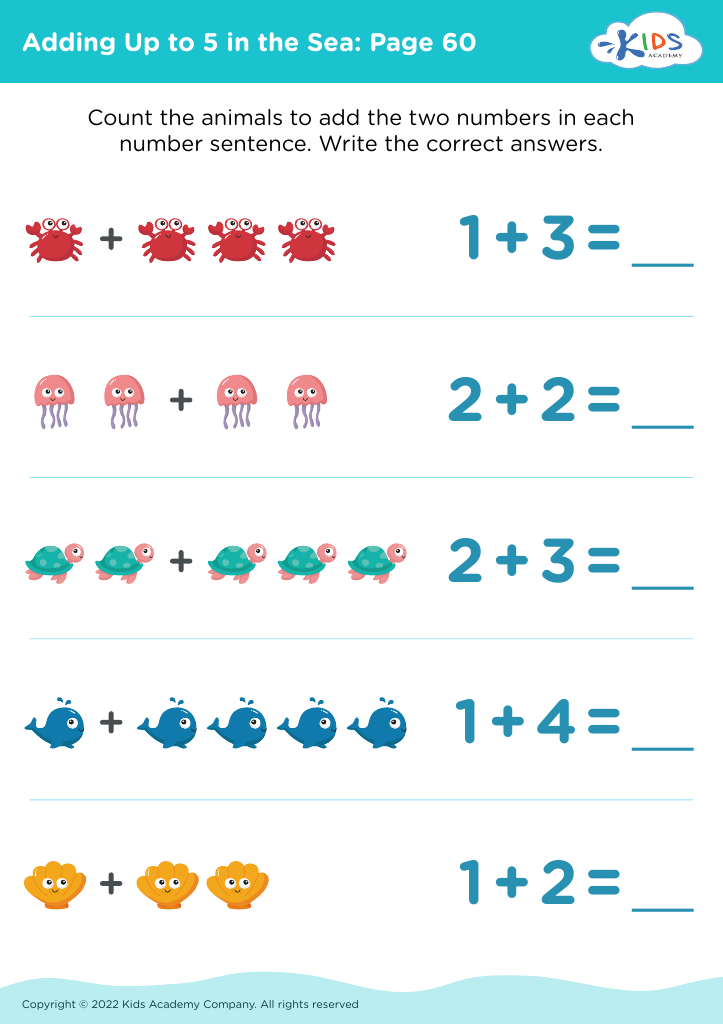
Adding Up to 5 in the Sea: Page 60
Worksheet
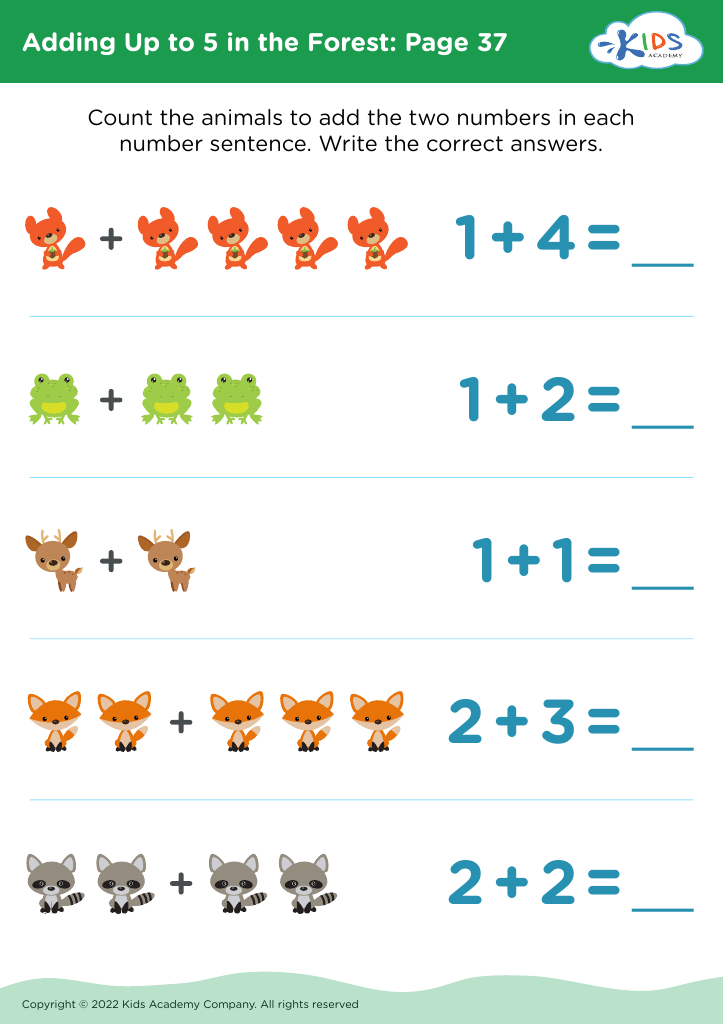
Adding Up to 5 in the Forest: Page 37
Worksheet
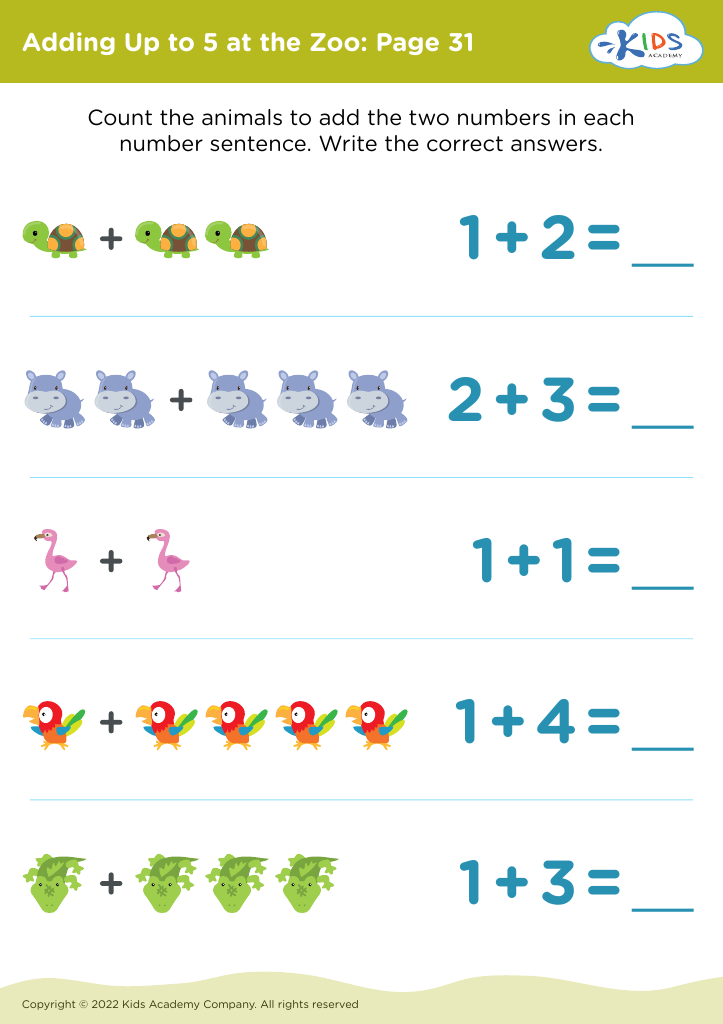
Adding Up to 5 at the Zoo: Page 31
Worksheet
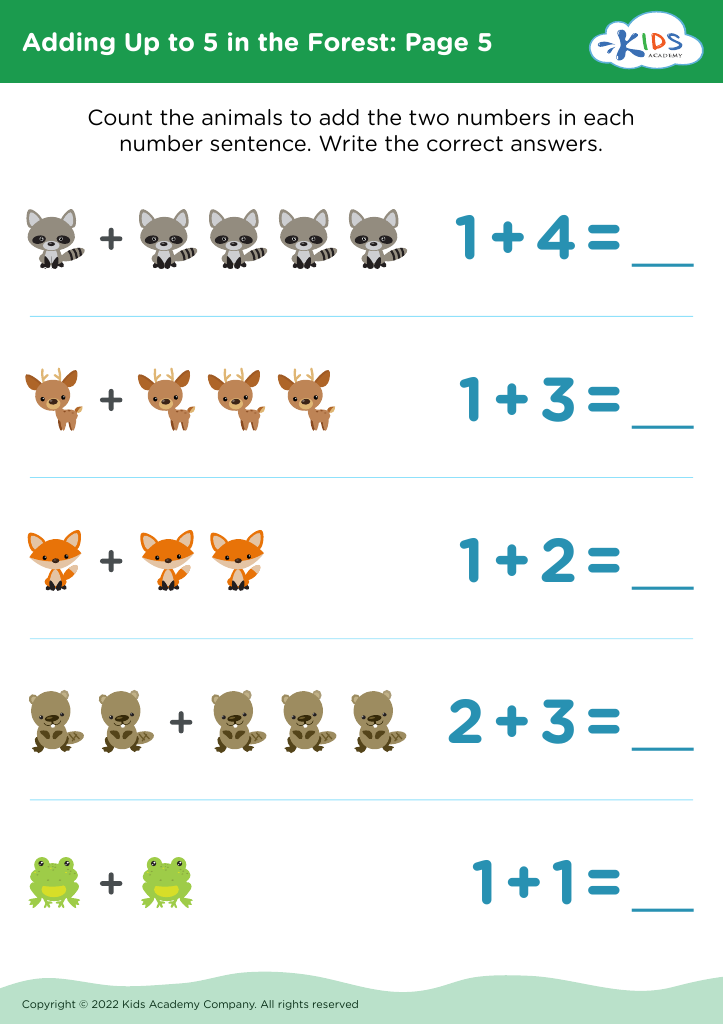
Adding Up to 5 in the Forest: Page 5
Worksheet
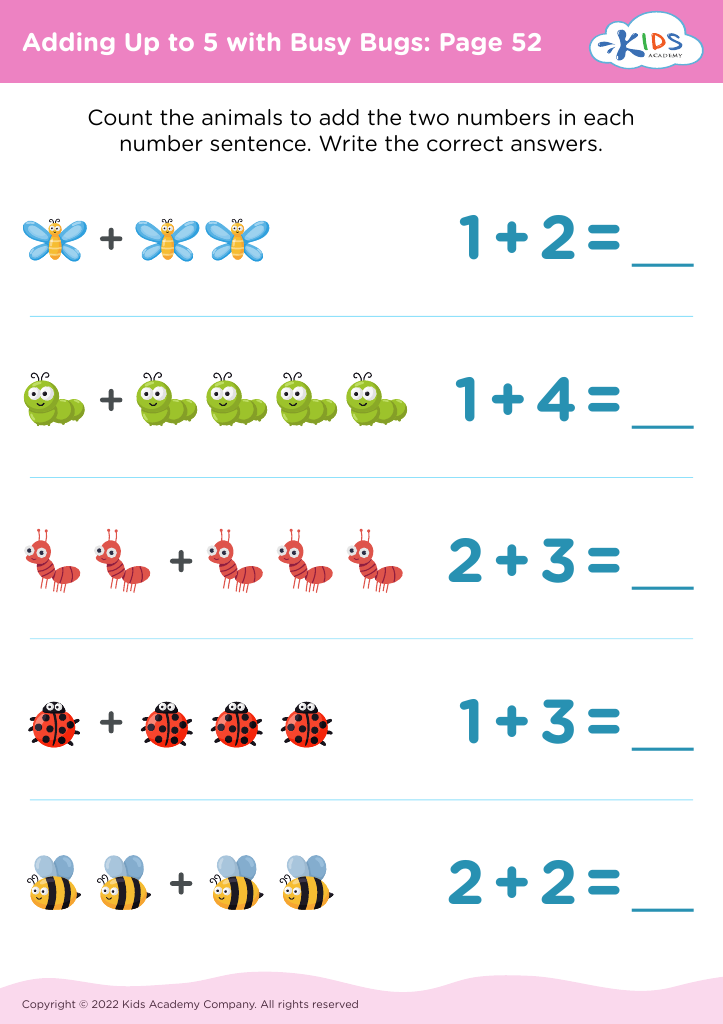
Adding Up to 5 with Busy Bugs: Page 52
Worksheet
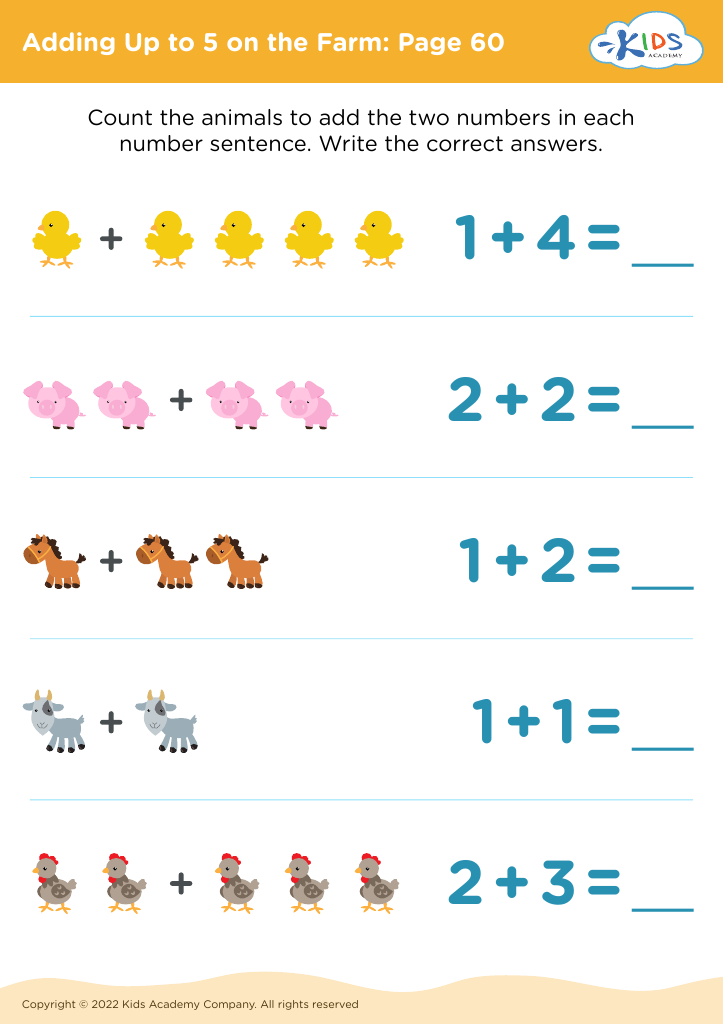
Adding Up to 5 on the Farm: Page 60
Worksheet


Cognitive development is crucial for 3-year-olds as it lays the foundation for lifelong learning and problem-solving abilities. At this stage, children's brains are highly receptive and flexible, making it an optimal time to nurture critical skills. One important aspect of cognitive development is their understanding of addition, which introduces them to basic mathematical concepts and logical reasoning.

Engaging 3-year-olds in simple addition tasks helps them grasp fundamental numerical relationships and builds their confidence in handling numbers. This can contribute to improved academic performance and a positive attitude towards learning as they grow. Activities like counting objects, using visual aids, and interactive games not only make learning addition fun but also enhance memory, attention span, and the ability to follow multi-step instructions.

Moreover, early proficiency in cognitive skills fosters better language development, as children learn to describe and discuss their mathematical thinking. This can lead to enhanced verbal expression and effective communication. Parents and teachers who prioritize cognitive development tasks like addition help create a stimulating environment that encourages curiosity, exploration, and analytical thinking—the building blocks for successful futures in scholastic and everyday challenges.

In sum, prioritizing cognitive development through addition for 3-year-olds acts as a catalyst for their overall intellectual growth, setting the stage for future academic achievements and fostering essential life skills.