Improving concentration Addition Worksheets for 3-Year-Olds
14 filtered results
-
From - To
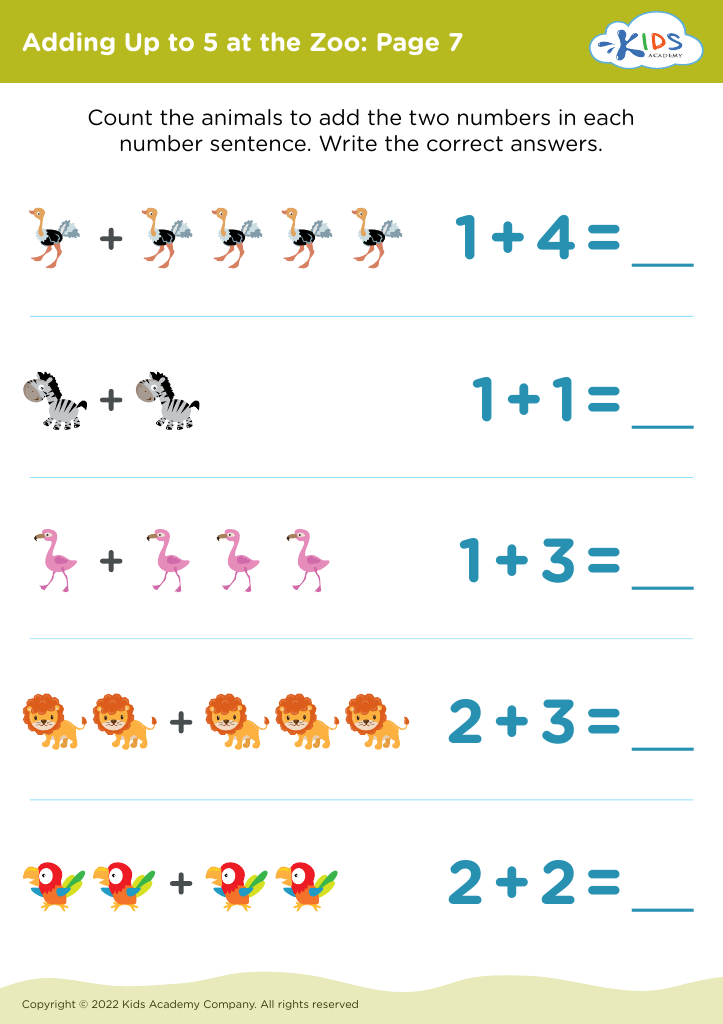
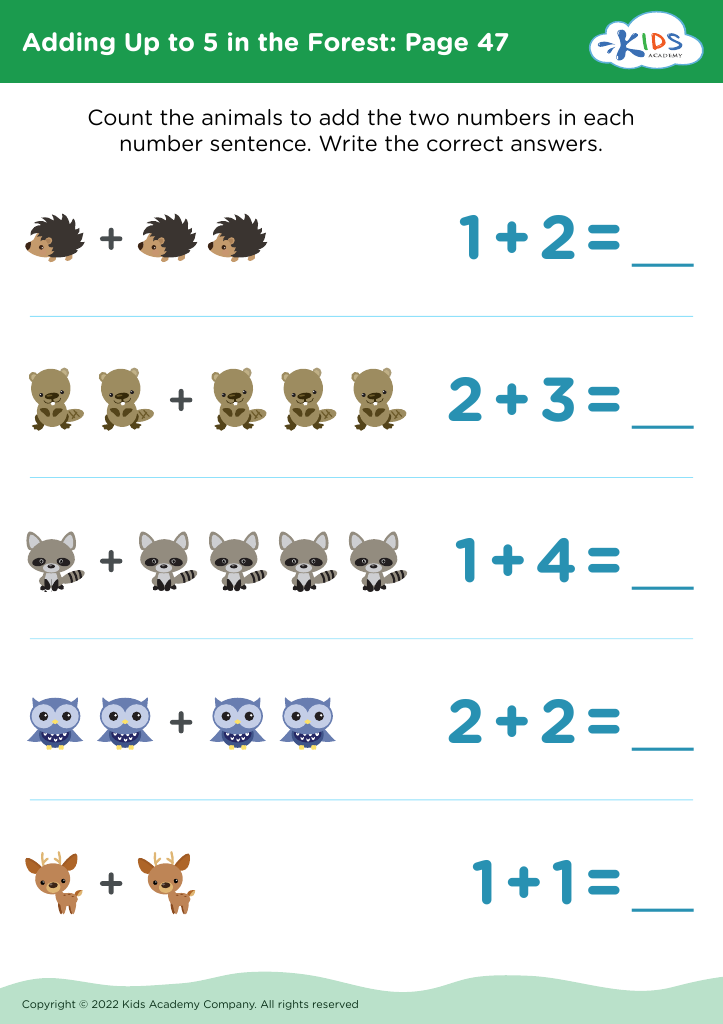
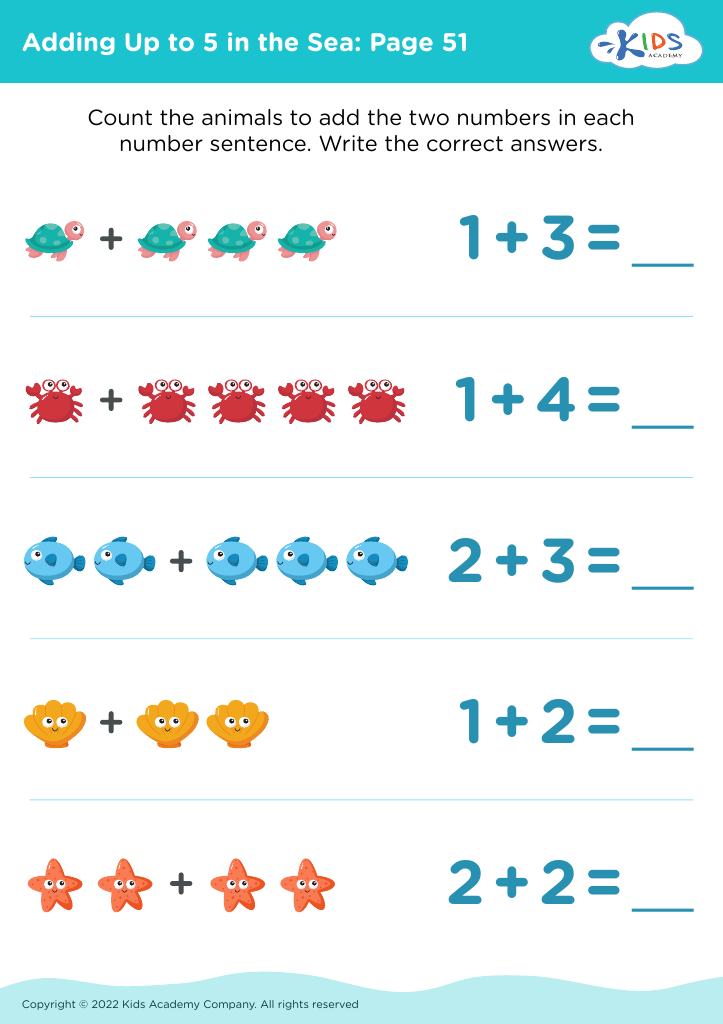
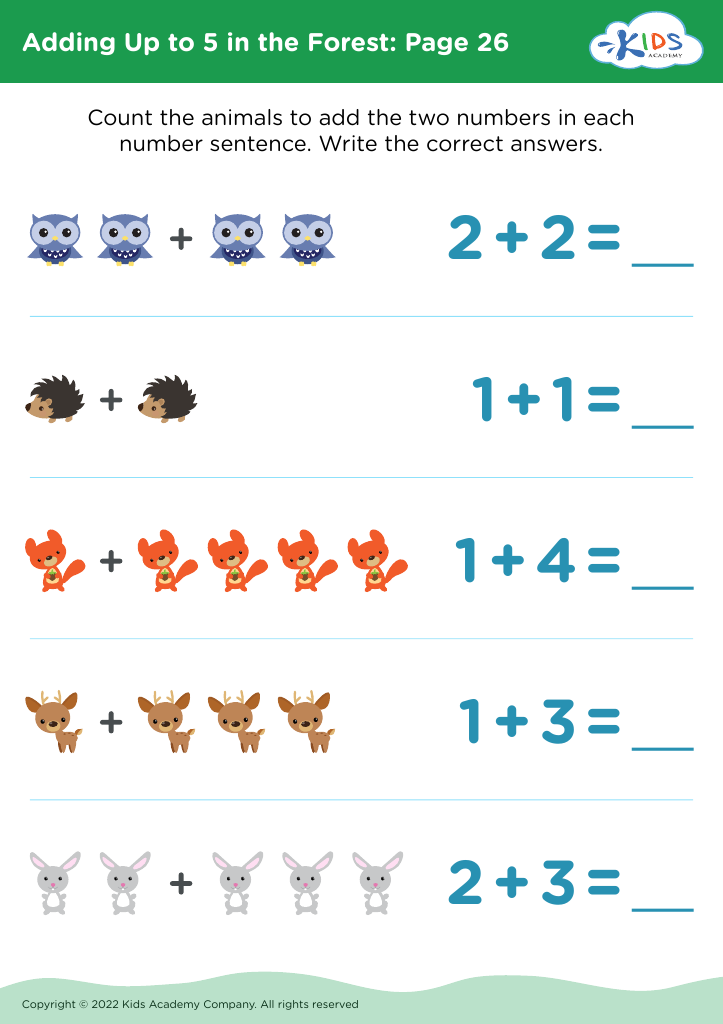
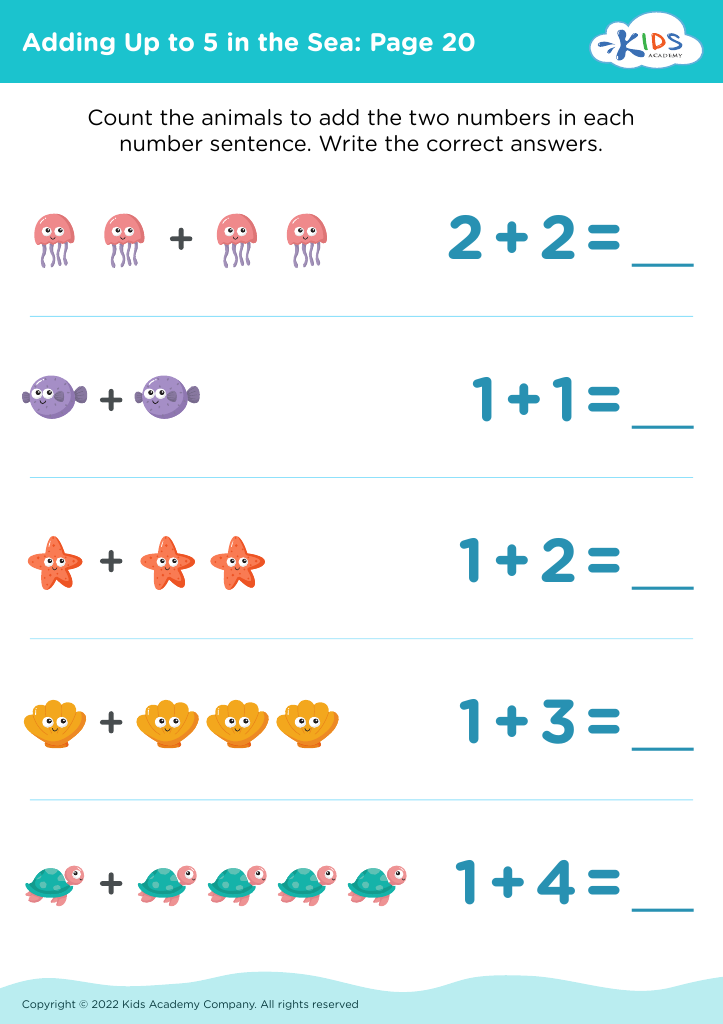
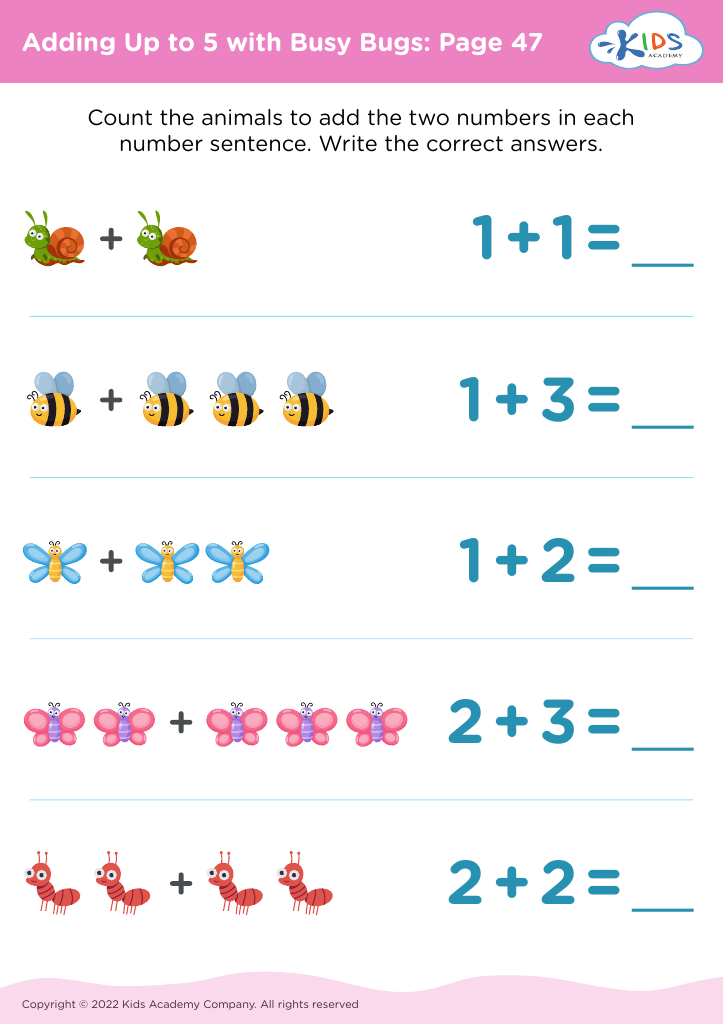
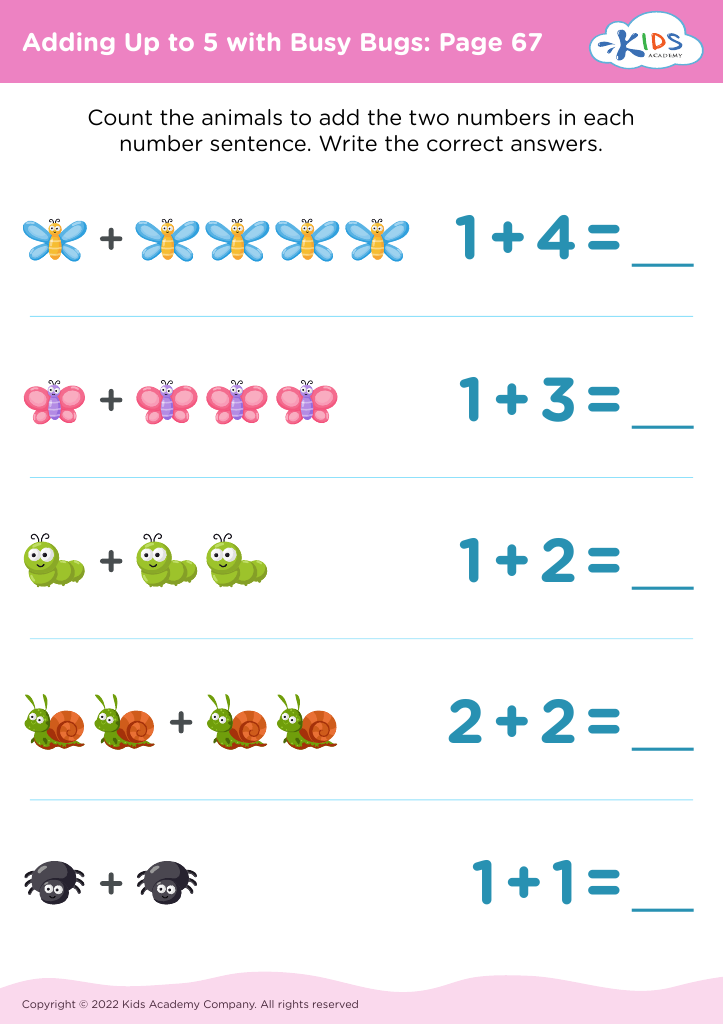
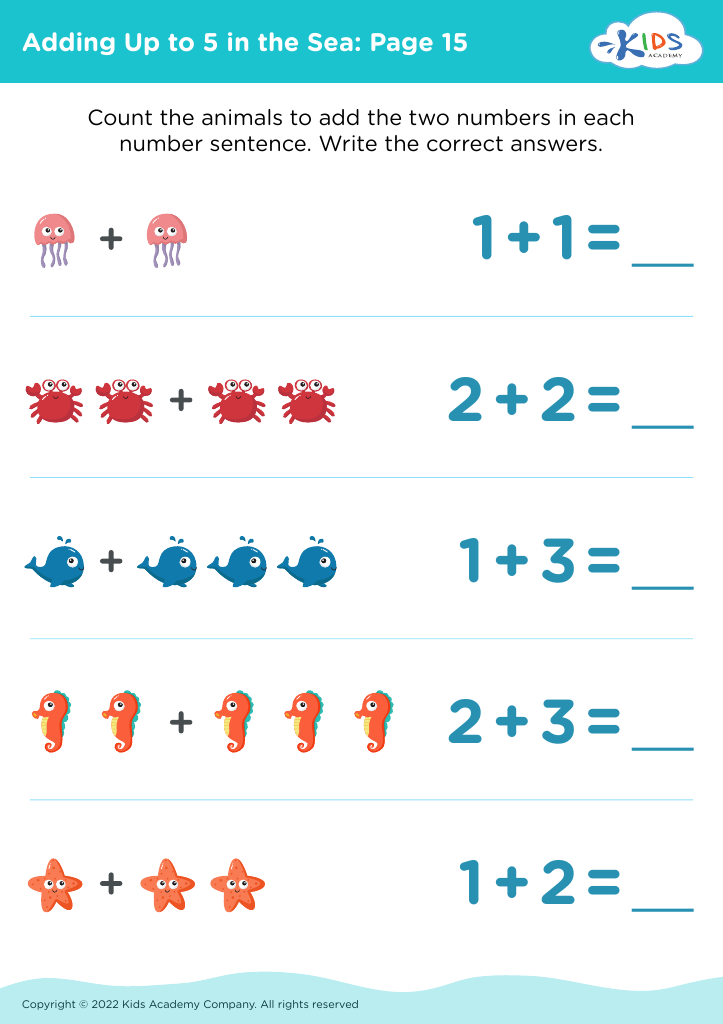
Enhance your 3-year-old's focus and mathematical skills with our "Improving Concentration Addition Worksheets." Designed for early learners, these engaging activities integrate fun illustrations and interactive exercises, making math both enjoyable and educational. Each worksheet promotes cognitive development by inviting children to solve simple addition problems that build their confidence in numbers. As they practice, they also learn to concentrate better, improving overall attention spans. Perfect for parents and educators, these worksheets are easy to print and ideal for home or classroom use. Foster a love for learning and watch your child thrive as they explore the world of addition!
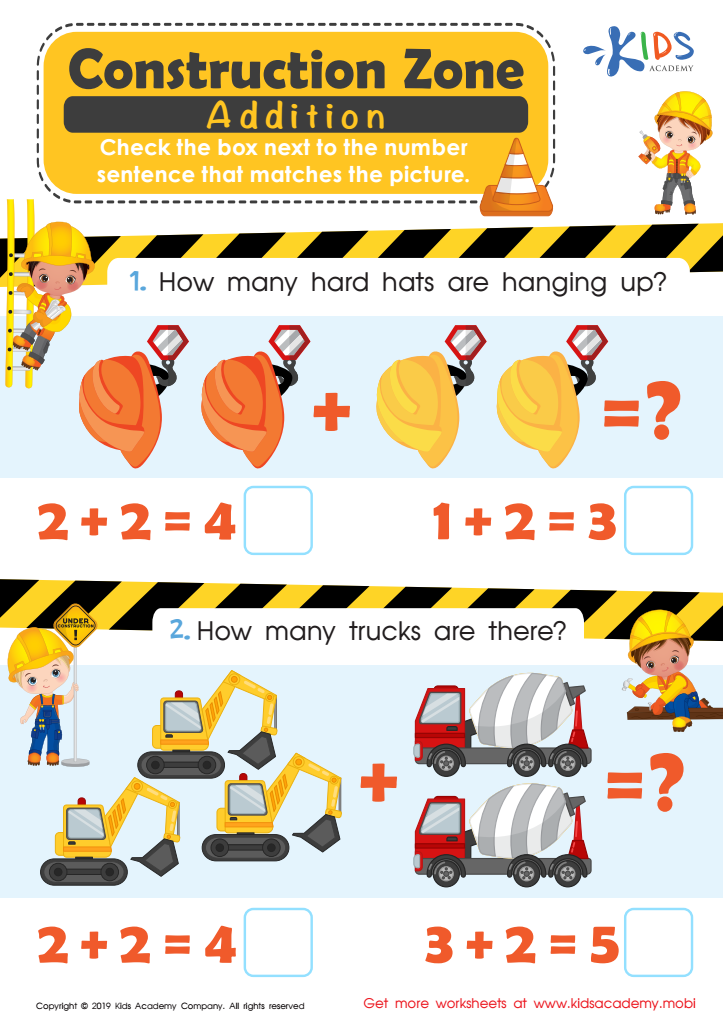
Construction Zone Addition Worksheet
 Assign to My Students
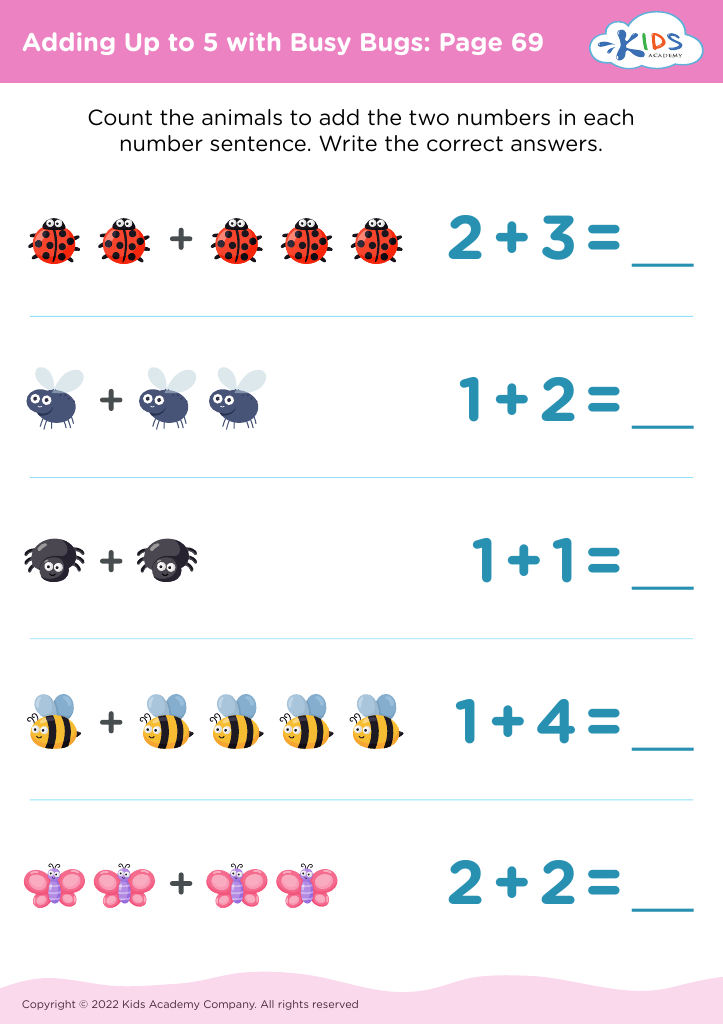
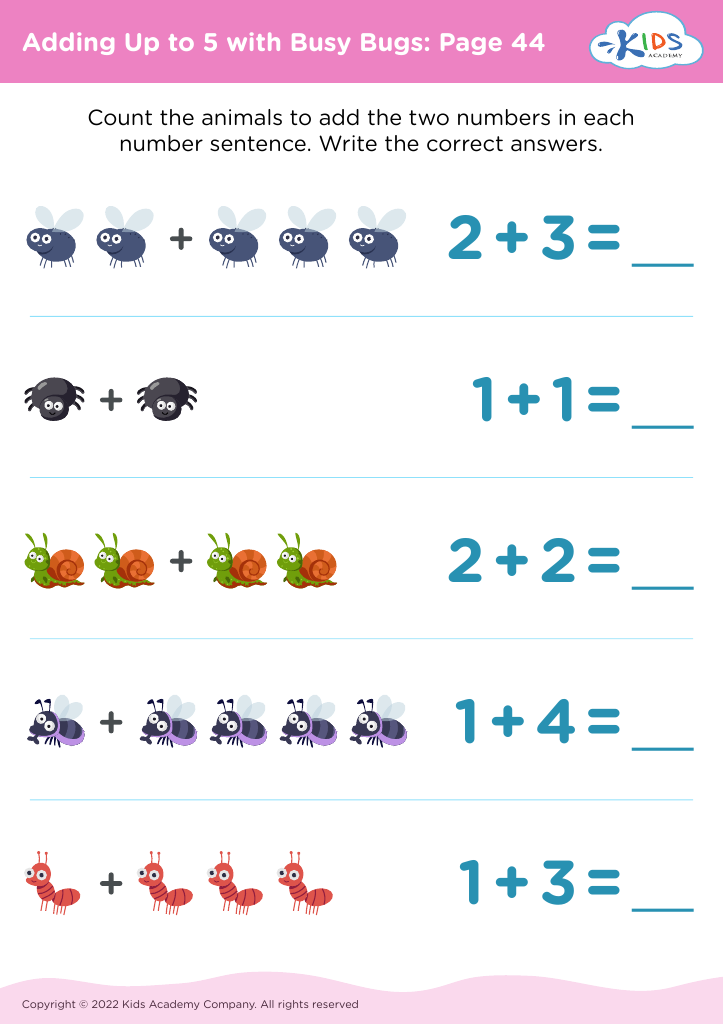








Improving concentration in 3-year-olds is crucial for their overall development and readiness for learning. At this age, children's brains are rapidly developing, and fostering their ability to focus lays the foundation for future academic success. Concentration skills help children engage in activities for longer periods, promote better understanding of their surroundings, and aid in learning new concepts.
Teachers and parents play a vital role in nurturing this skill. When children can concentrate, they are more likely to complete tasks, follow instructions, and participate in group activities. This enhances their social interactions and communication skills, as they learn to listen and respond effectively.
Additionally, enhancing concentration can mitigate behavioral issues that arise from frustration or attention problems. By fostering focus through fun, engaging activities—like puzzles, stories, or art projects—adults can create a positive learning environment. Implementing short, varied tasks keeps children interested and helps them gradually build sustained attention.
Ultimately, focusing on enhancing concentration at an early age equips children with the tools they need to navigate their future educational journeys, promoting lifelong learning skills and psychological well-being. Investing time in this skill at 3 years old translates into a more fulfilled and successful learning experience.








