Visual perception improvement Addition Worksheets for 3-Year-Olds
5 filtered results
-
From - To
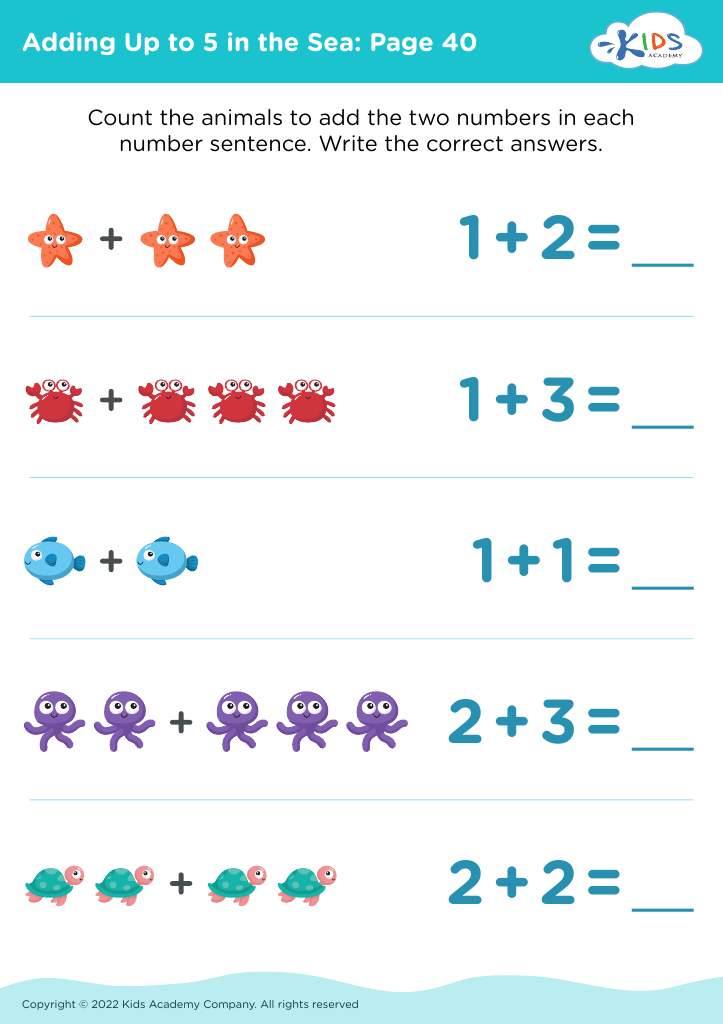
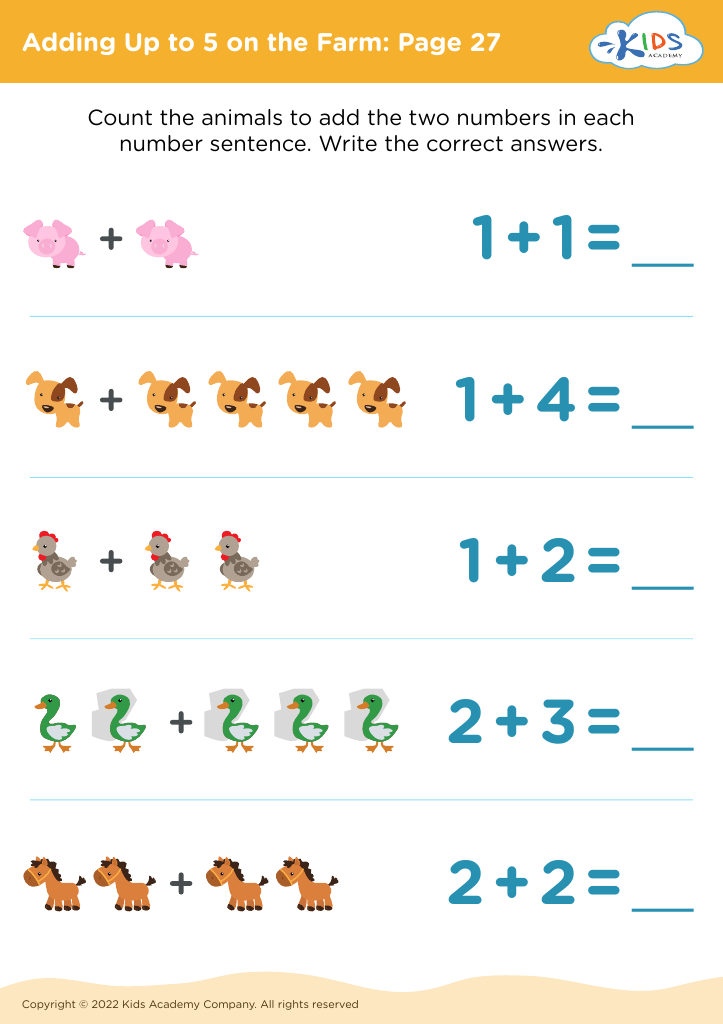
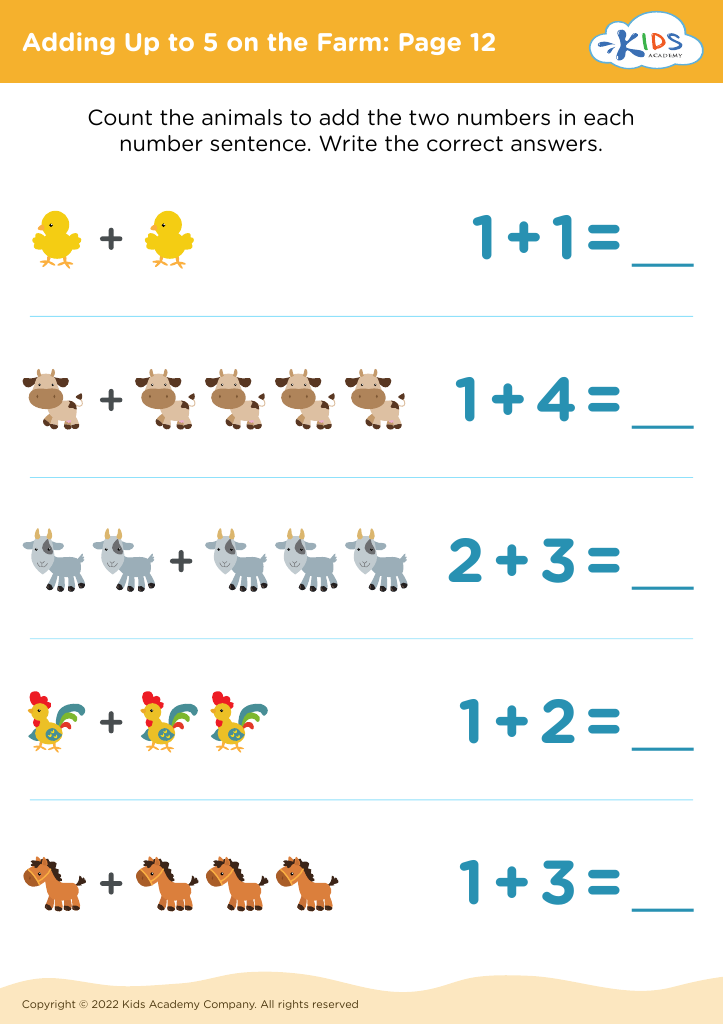
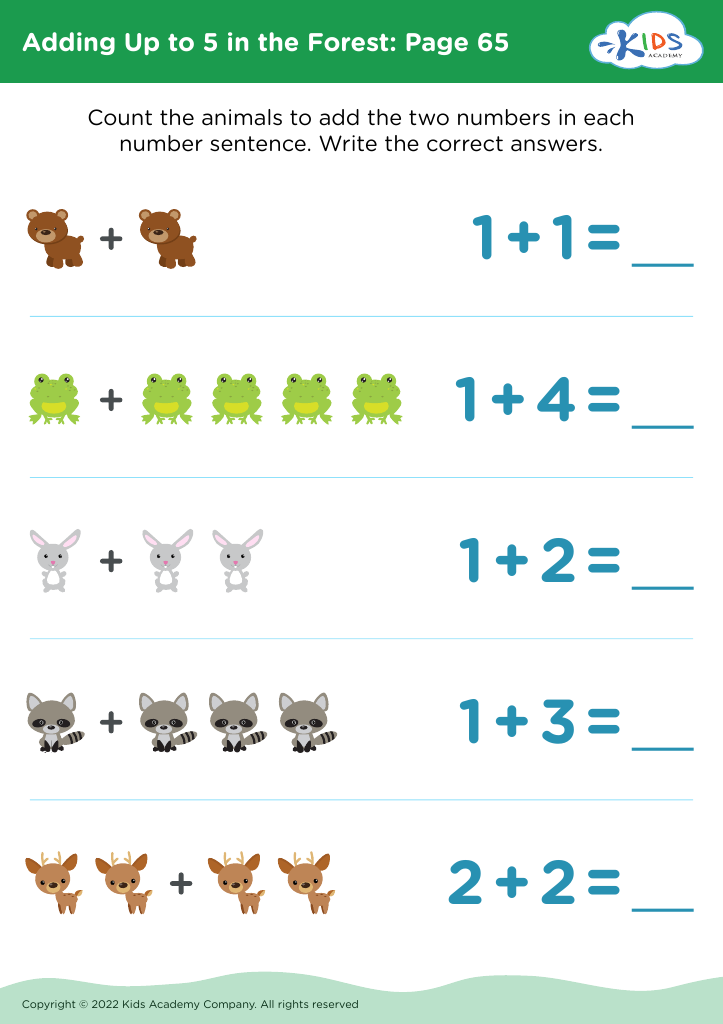
Enhance your 3-year-old's visual perception skills with our engaging addition worksheets! Designed to captivate young minds, these worksheets combine colorful images and simple math problems to make learning fun and interactive. Activities focus on developing visual discrimination, spatial awareness, and counting skills critical for early math development. Our worksheets foster independent learning while promoting cognitive skills, allowing children to connect visual cues with numerical concepts. Packed with entertaining exercises, each worksheet encourages creativity and problem-solving, making it an excellent choice for parents and educators alike. Spark your child's interest in math with our visual perception improvement addition worksheets today!
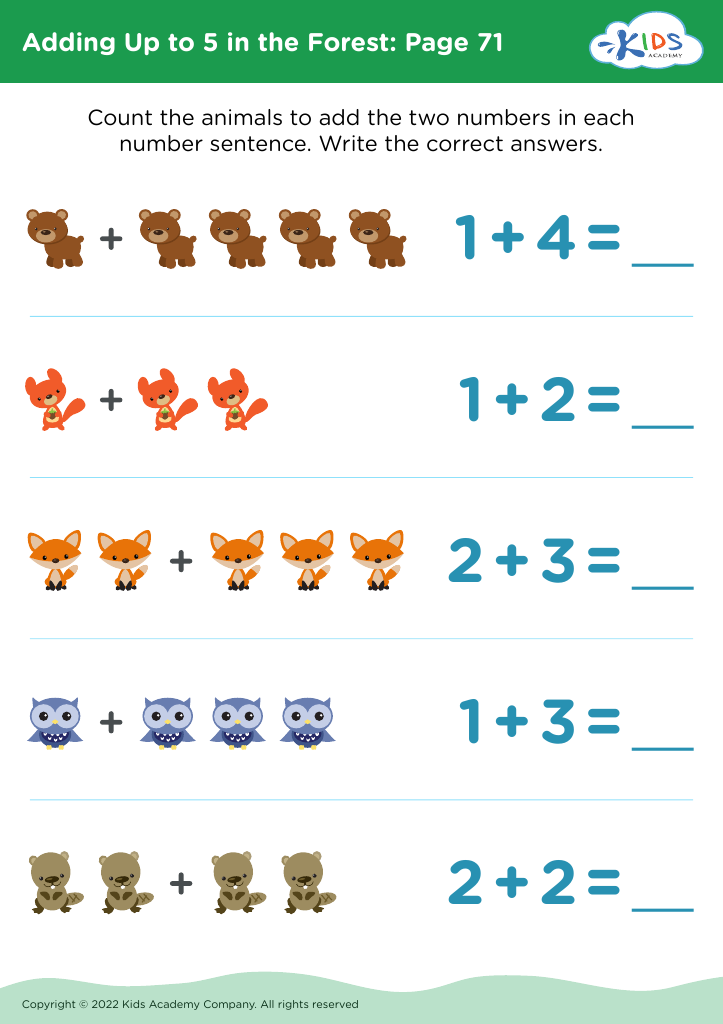








Visual perception is a crucial foundational skill for young children, influencing their learning and development. For 3-year-olds, enhancing visual perception helps them better interpret and engage with their surroundings. This skill comprises the ability to understand and organize visual information, essential for tasks ranging from recognizing letters and numbers to grasping concepts of shapes and spatial awareness.
Parents and teachers should prioritize visual perception improvement because it lays the groundwork for future academic success. Strong visual perceptual skills can lead to enhanced reading abilities, improved handwriting, and effective problem-solving skills. When children can accurately identify objects, distinguish differences, and track movements, they gain increased confidence in their capabilities.
Furthermore, activities that boost visual perception—like puzzles, shape-sorting toys, and matching games—promote fine motor skills and cognitive development while providing enjoyable, playful learning experiences. By fostering these skills early on, caregivers can facilitate a smoother transition into more formal schooling, reducing potential learning difficulties down the line.
Ultimately, investing time in visual perception activities not only nurtures a child's cognitive abilities but also promotes curiosity and resilience, qualities that benefit them throughout their educational journey and beyond.








