Color Identification Numbers Worksheets for 3-Year-Olds
6 filtered results
-
From - To
Welcome to our Color Identification Numbers Worksheets for 3-Year-Olds! These engaging worksheets are designed to help young learners explore colors while developing essential number recognition skills. Our vibrant activities will encourage children to associate colors with numbers through fun, hands-on experiences. By completing these worksheets, kids will enhance their cognitive abilities, improve fine motor skills, and cultivate their creativity. Each worksheet is thoughtfully crafted to promote interactive learning, making it easy for parents and educators to support early childhood development. Dive into our collection and watch your little ones thrive as they master color identification and counting in a playful, enjoyable way!
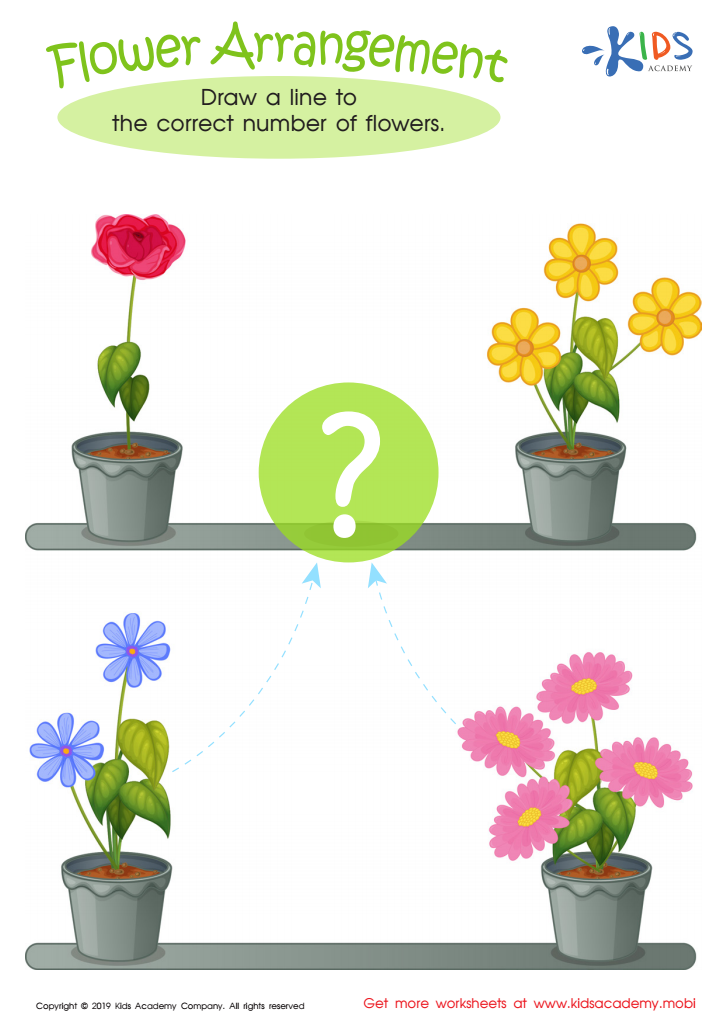
Flower Arrangement Worksheet
 Assign to My Students
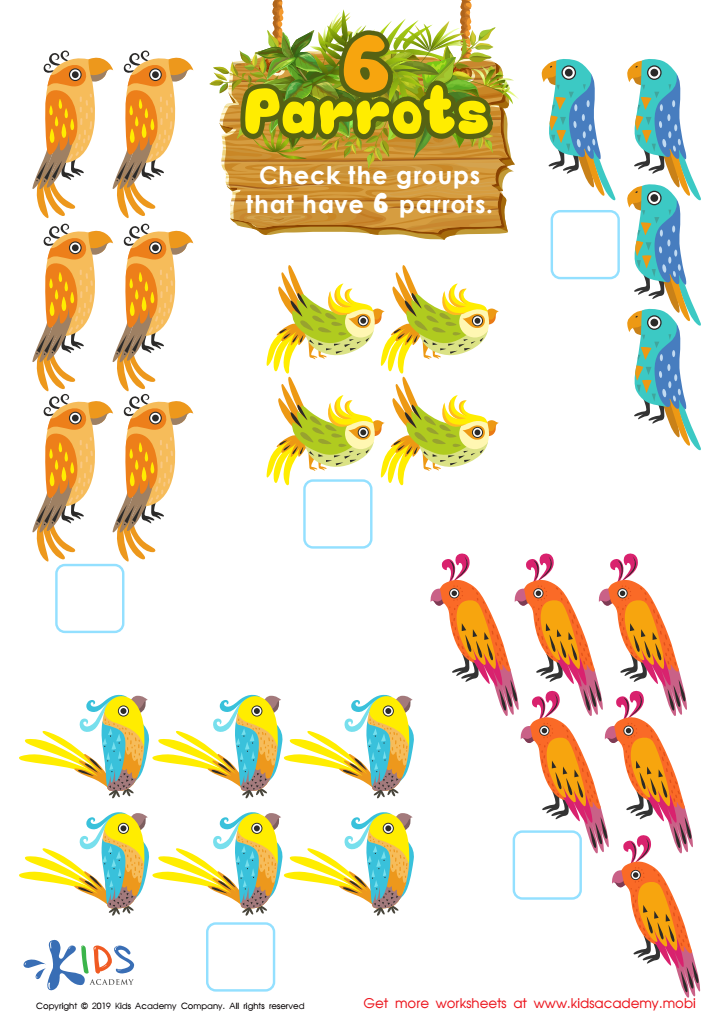
6 Parrots Worksheet
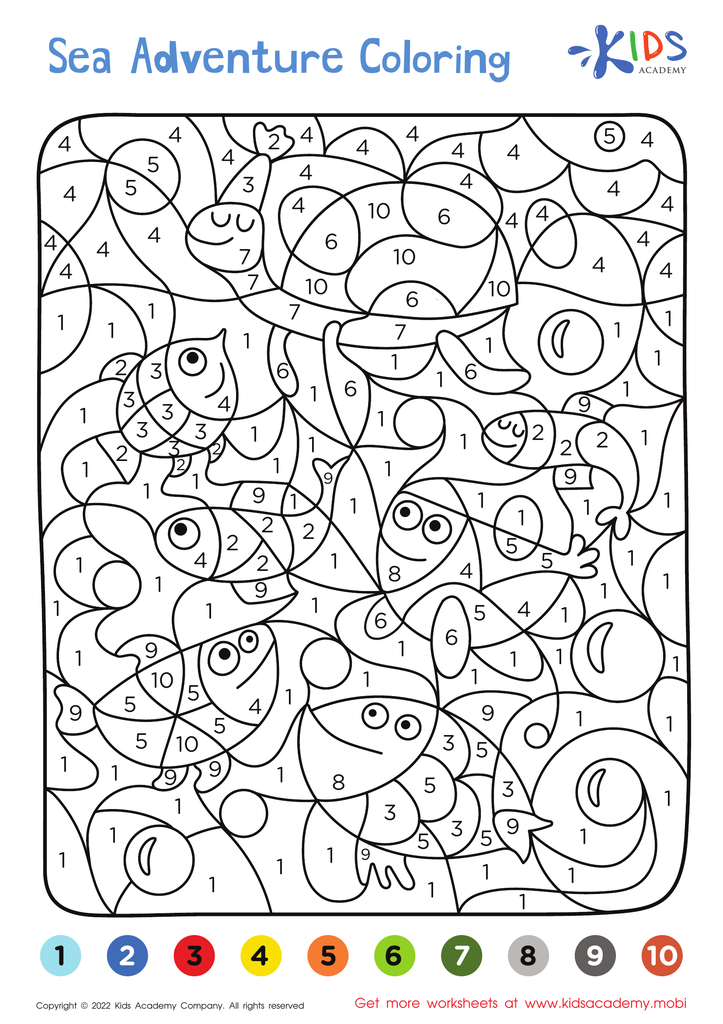
Sea Adventure – Coloring by Numbers
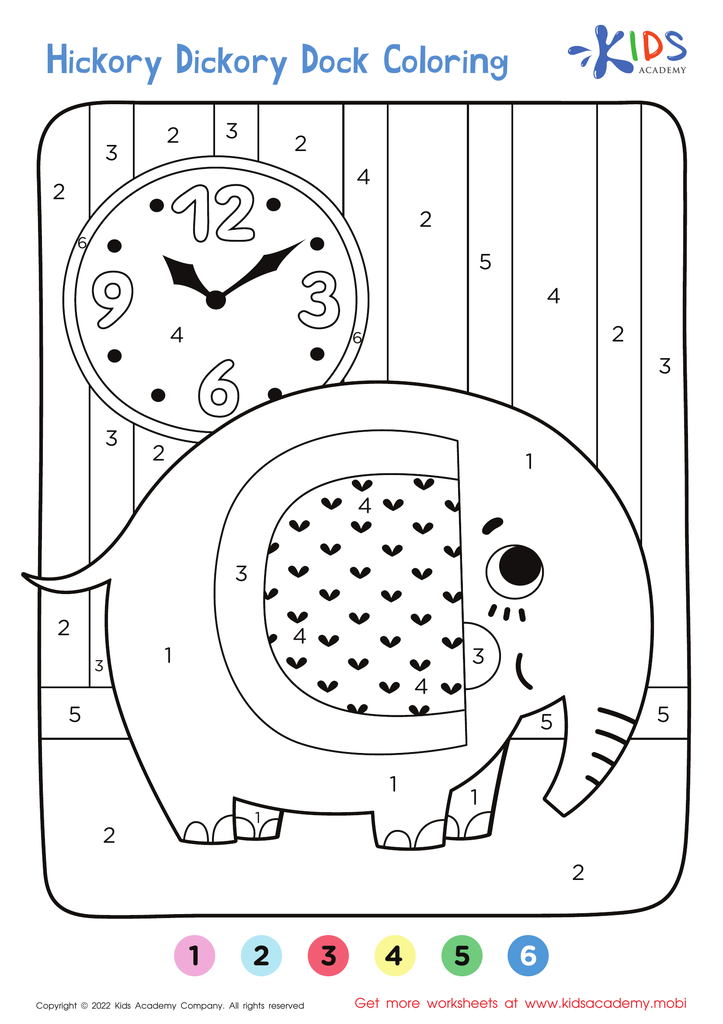
Hickory Dickory Dock – Coloring by Numbers
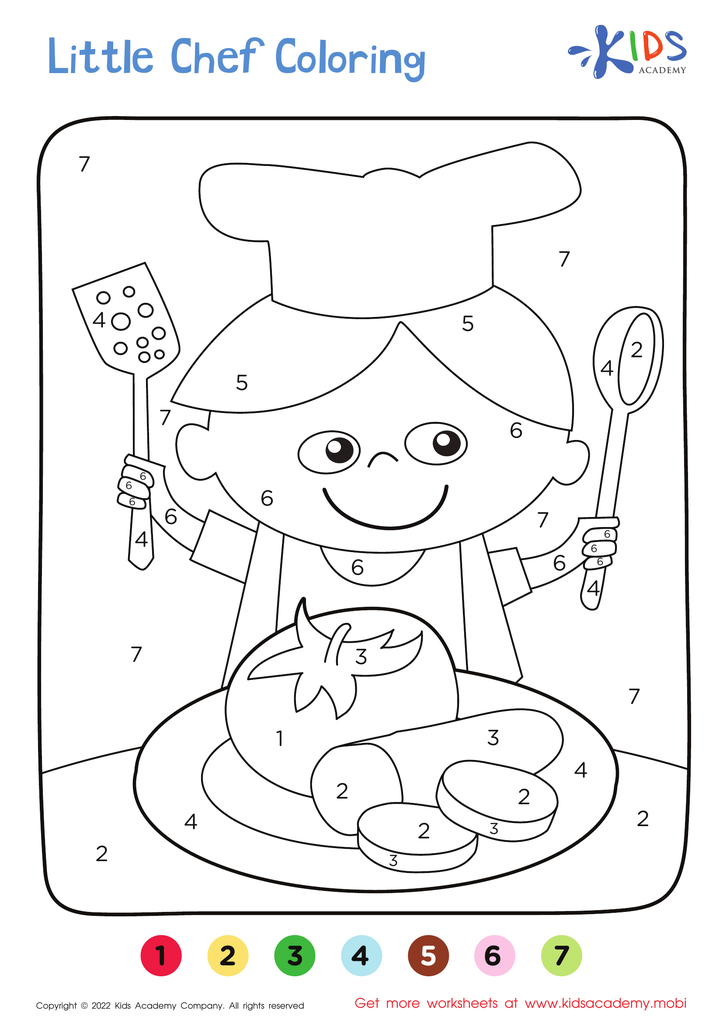
Little Chef – Coloring by Numbers
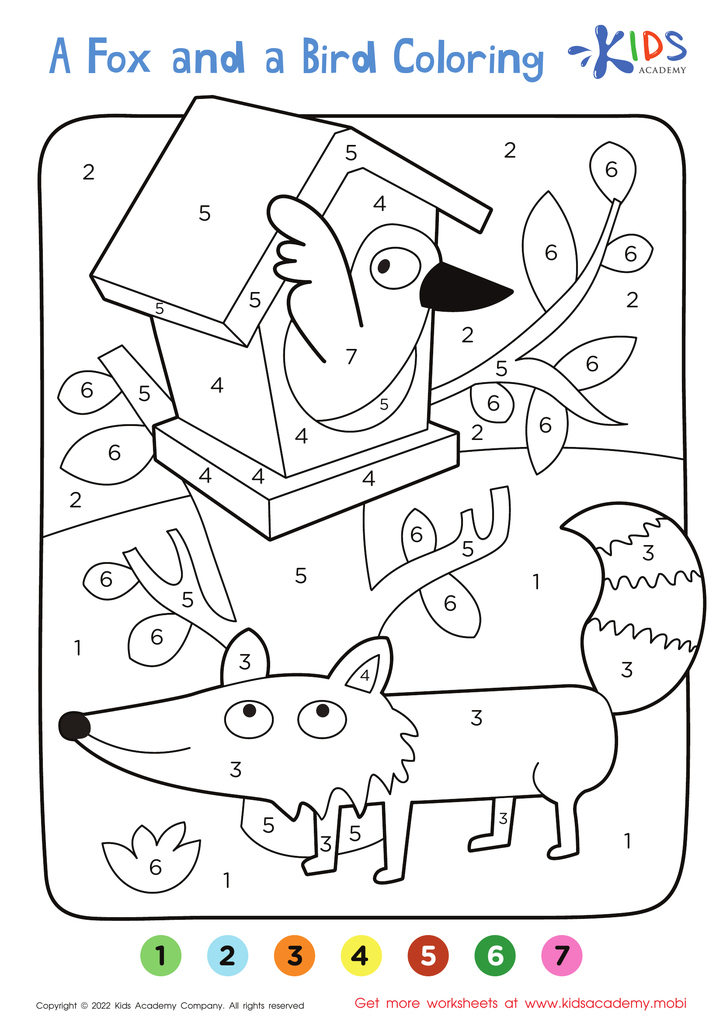
A Fox and a Bird – Coloring by Numbers








Color identification is more than just a fun activity for 3-year-olds; it's essential for their cognitive and social development. For parents and teachers, understanding and encouraging color recognition helps in several ways.
Firstly, color identification enhances language skills. As children learn to articulate colors, they expand their vocabulary and improve their ability to express themselves. It also aids in cognitive development, as recognizing colors requires categorization and differentiation skills.
Secondly, color identification contributes to social skills. Playing games that involve colors, like matching or sorting, fosters collaboration among peers. By interacting with classmates while learning about colors, children develop teamwork and communication skills—a foundation for future interpersonal relationships.
Additionally, recognizing colors can aid in emotional development. Colors often elicit emotions—bright colors may provoke happiness while darker shades might evoke calmness. Helping children articulate their feelings associated with different colors promotes emotional intelligence.
Lastly, integrating color learning into daily activities or educational settings leads to memorable and engaging experiences, solidifying foundational skills. By focusing on color identification, parents and teachers set the stage for continued learning, helping children thrive both academically and socially. Ultimately, nurturing color recognition in early childhood lays a vital groundwork for later educational success.








