Counting practice Math Worksheets for 3-Year-Olds - Page 12
271 filtered results
-
From - To
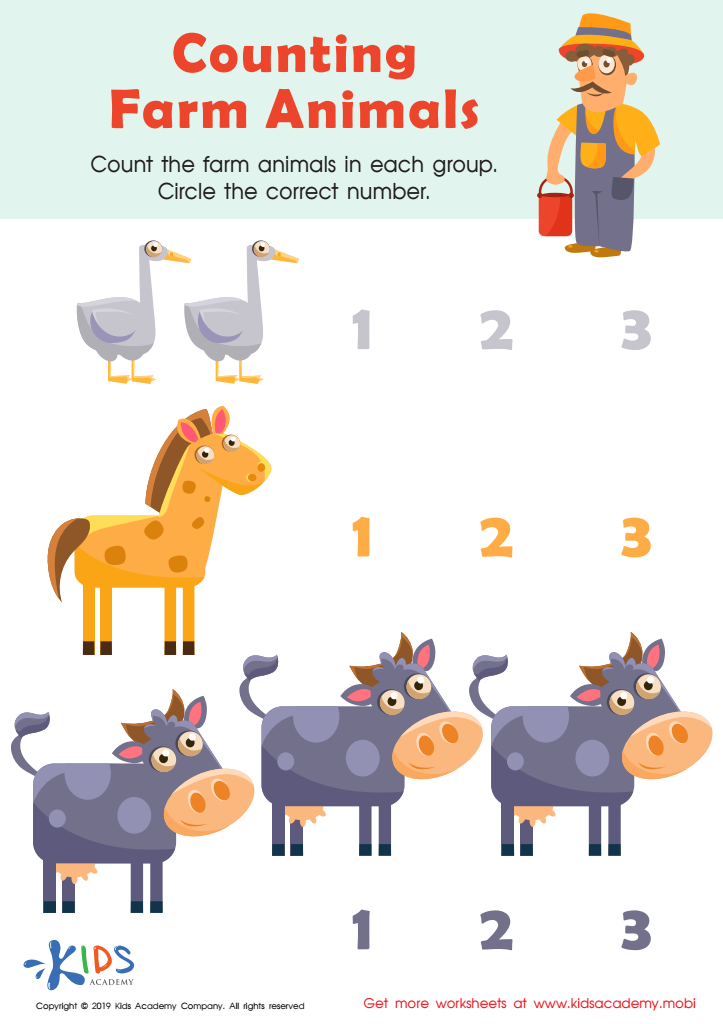
Counting Farm Animals Worksheet
 Assign to My Students



.jpg)



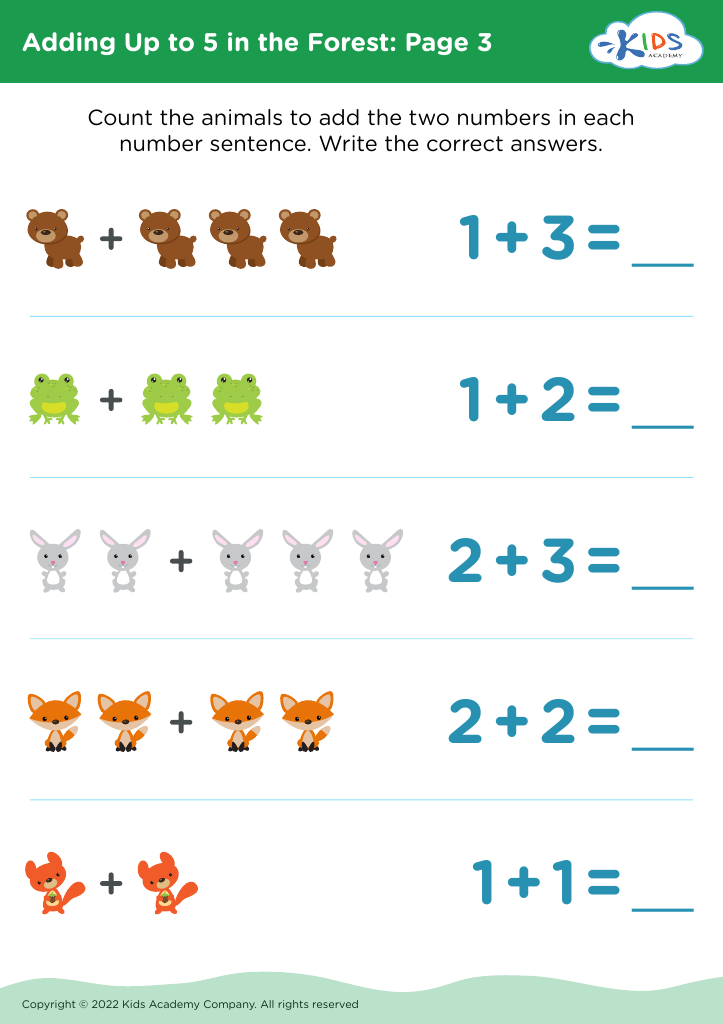
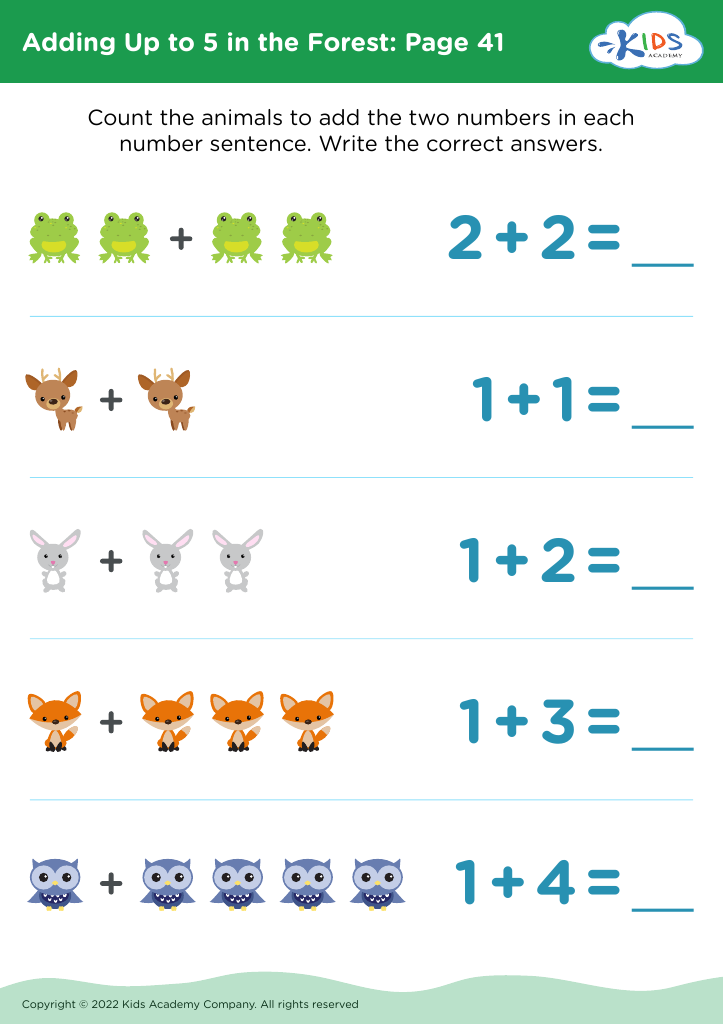
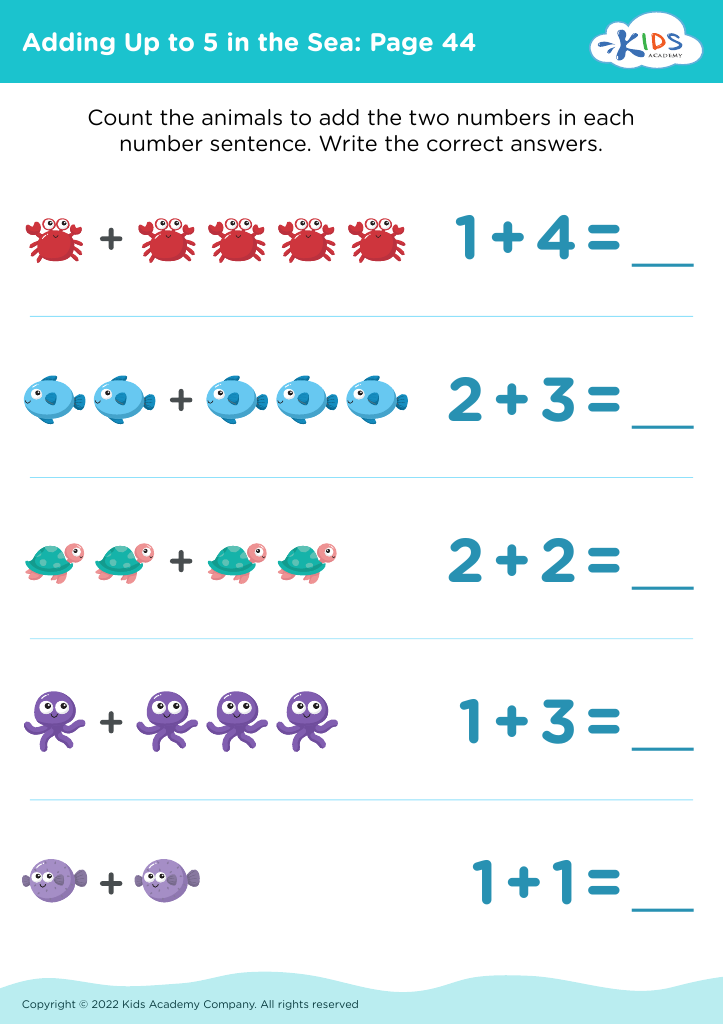
Counting practice is crucial for 3-year-olds as it lays the foundation for their future mathematical understanding. Engaging in counting activities helps children develop number sense, which is essential for grasping more complex math concepts later on. When parents and teachers introduce counting early, they are promoting cognitive development, enhancing problem-solving skills, and fostering critical thinking.
Moreover, counting practice encourages children to connect numbers with tangible objects, facilitating a deeper comprehension of quantity and relationships. Through playful activities like counting toys, snacks, or steps, young learners can grasp the concept of one-to-one correspondence, which is integral to mathematics.
Additionally, counting aligns with language development; as children learn to verbalize numbers, they expand their vocabulary and improve their communication skills. This dual development supports overall learning growth. Furthermore, incorporating counting into daily routines and play not only makes learning enjoyable but also nurtures a positive attitude towards math.
Ultimately, parents and teachers should care about counting practice for 3-year-olds, as it cultivates essential skills that support a child’s academic journey and future success, helping them work confidently with numbers as they progress through school.








