Developing Concentration Math Worksheets for 3-Year-Olds
5 filtered results
-
From - To
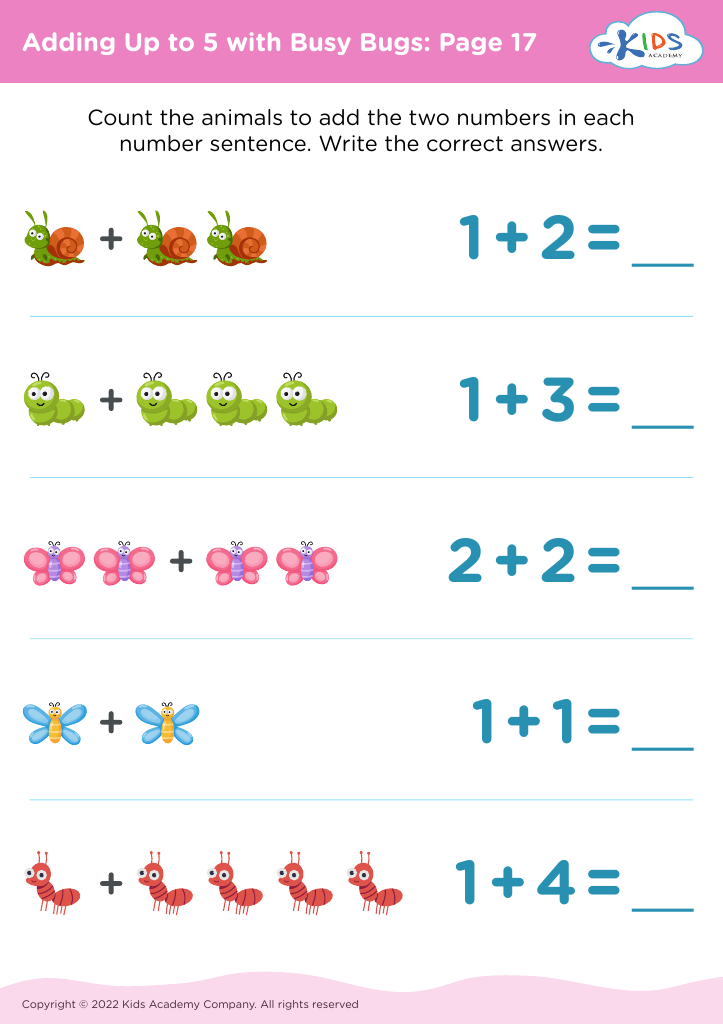
Our "Developing Concentration Math Worksheets for 3-Year-Olds" offer engaging activities specifically designed to nurture focus and foundational math skills. These fun, age-appropriate worksheets feature colorful visuals and simple exercises that captivate young learners while promoting active participation. Through tasks like counting, matching, and sorting, children enhance their attention spans and build essential early math concepts. Perfect for both at-home learning and preschool classrooms, our expert-crafted worksheets are an invaluable resource for fostering concentration and a love for math from an early age. Help your child embark on an exciting educational journey with these specially designed tools.
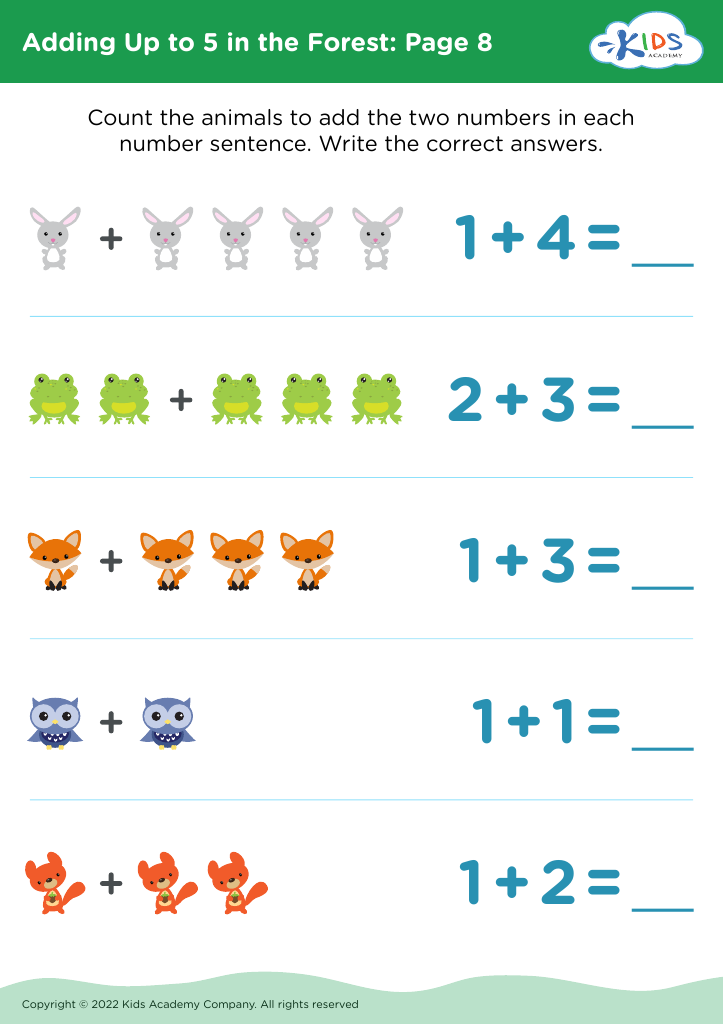
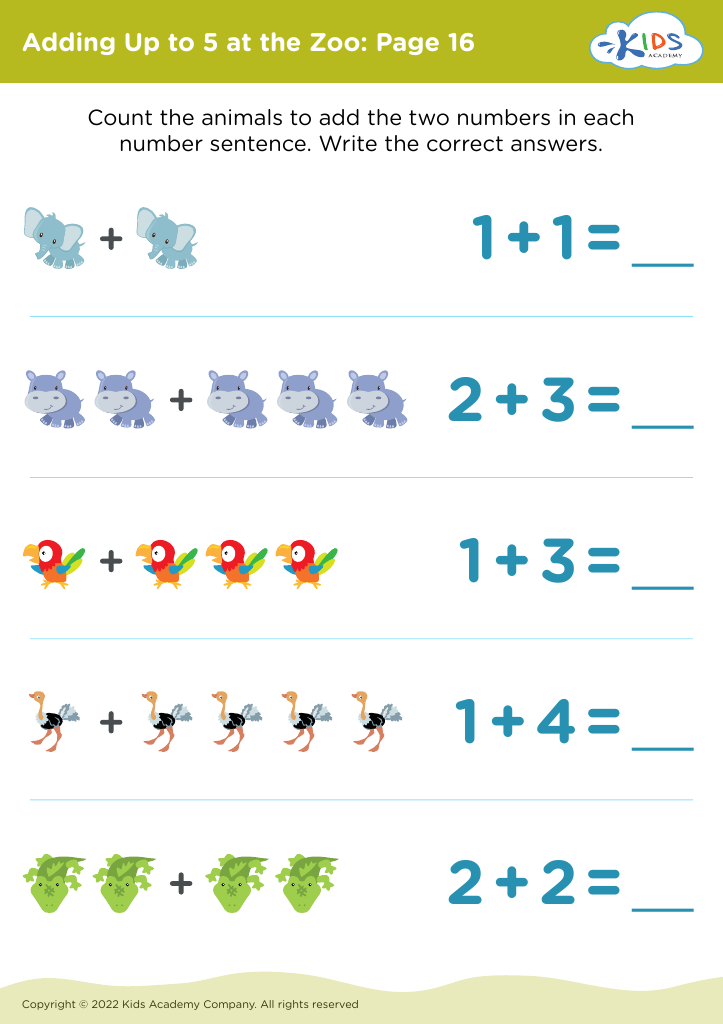
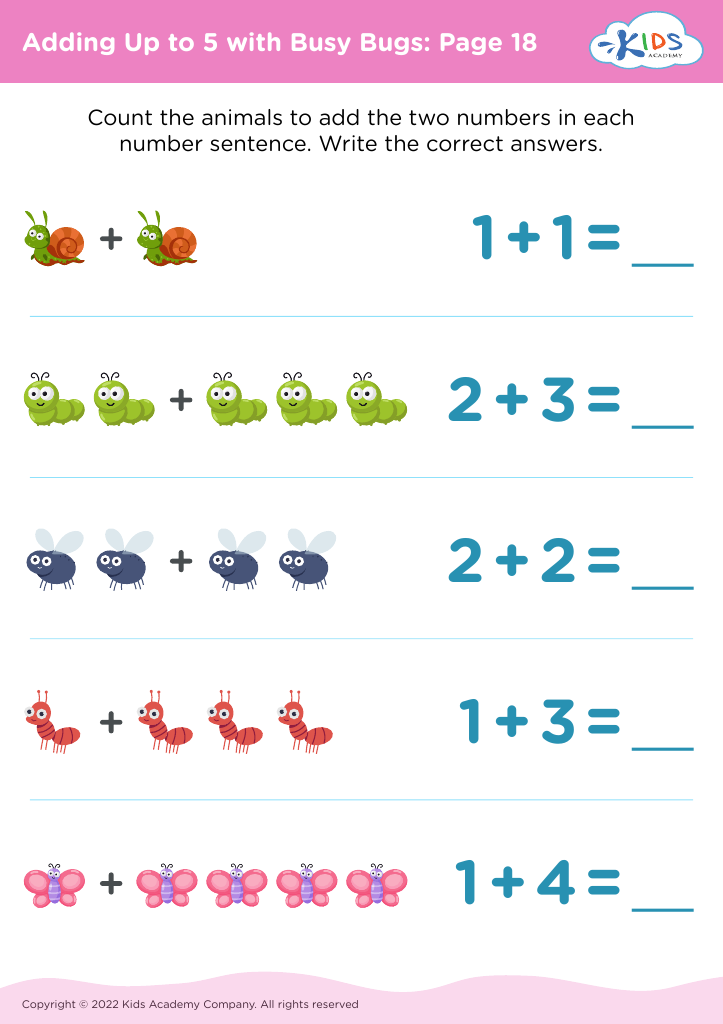
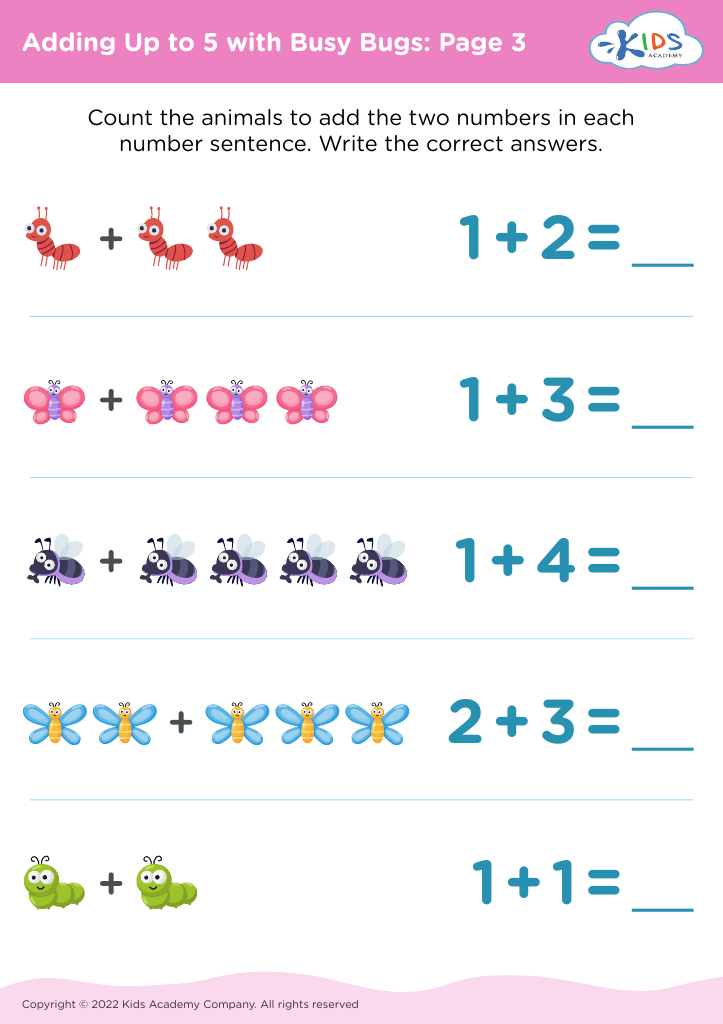





Developing concentration in math for 3-year-olds is foundational not just for academic success but for overall cognitive development. At such an early stage, the brain is highly malleable, making it an ideal time to nurture skills like focus and problem-solving. When children learn to concentrate on math activities, they enhance their attention span and improve their ability to follow directions and persevere through challenges.
This improved concentration helps them grasp basic concepts such as counting and recognizing shapes and patterns, which are critical building blocks for more complex mathematical thinking later on. Enhancing concentration in math also supports their language skills, fine motor skills, and even social skills, as they often learn in collaborative environments.
In addition, fostering a positive attitude towards math early on can eliminate math anxiety, ensuring children associate the subject with fun and achievement rather than stress. Parents and teachers play crucial roles in creating engaging, age-appropriate math activities that captivate young minds and promote sustained focus. Simple, hands-on activities like sorting objects, playing counting games, or constructing with blocks can significantly develop a child’s ability to concentrate, setting a strong foundation for future learning and problem-solving skills. Therefore, nurturing concentration in early math is an investment in a child's lifelong learning capabilities.








