Hand-eye Coordination Math Worksheets for 3-Year-Olds - Page 2
39 filtered results
-
From - To
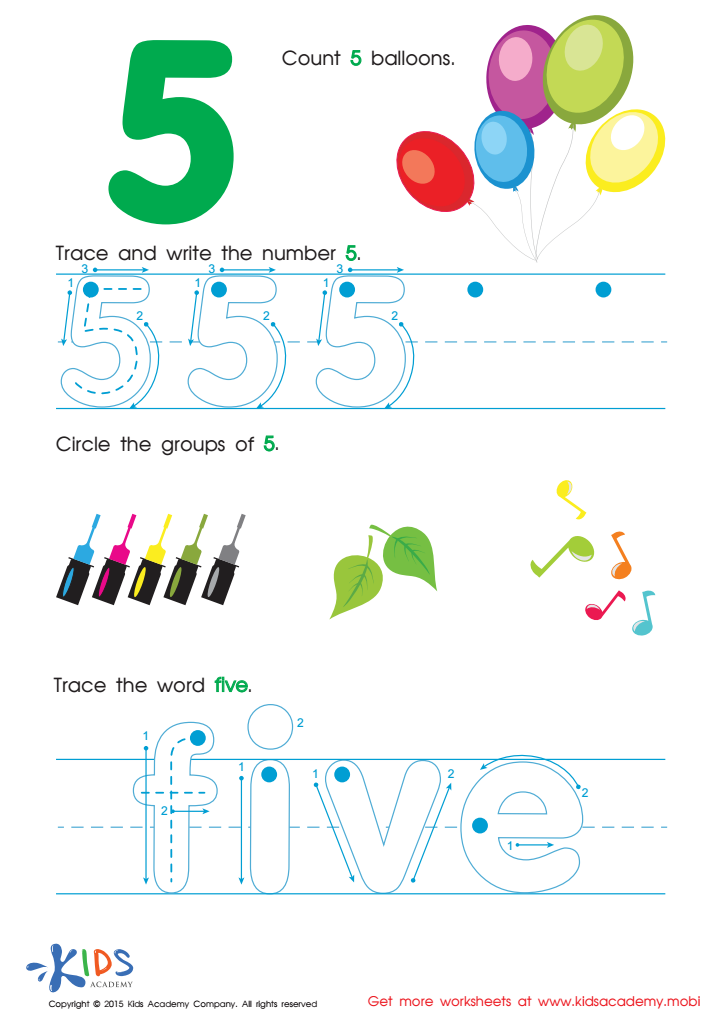
Practice Writing Number 5 Worksheet
 Assign to My Students
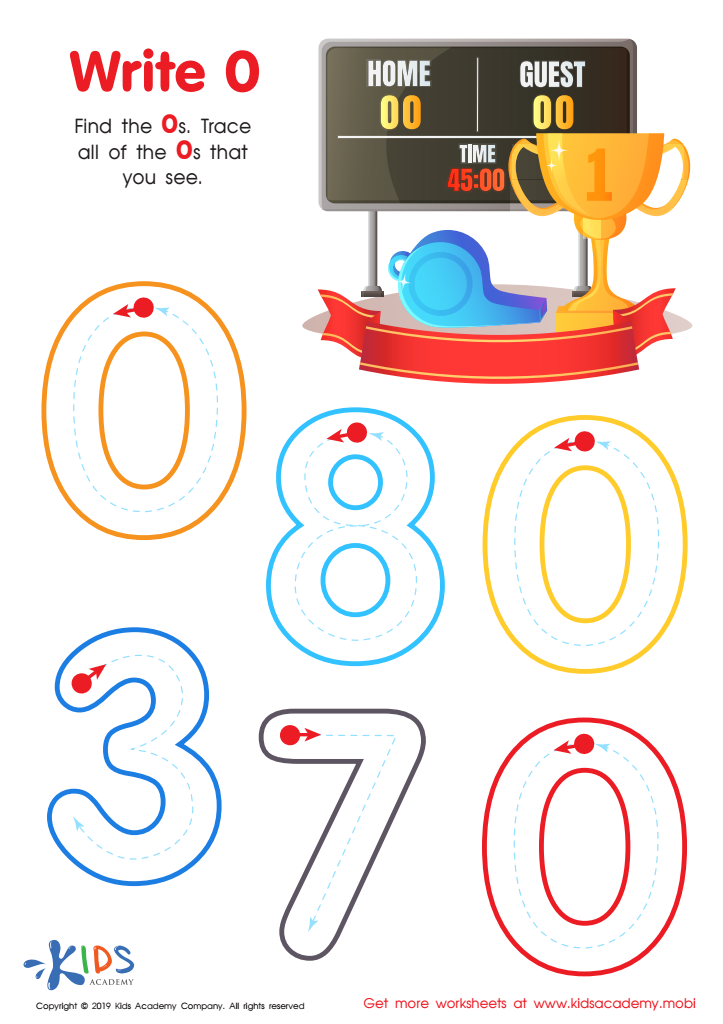
Write 0 Worksheet
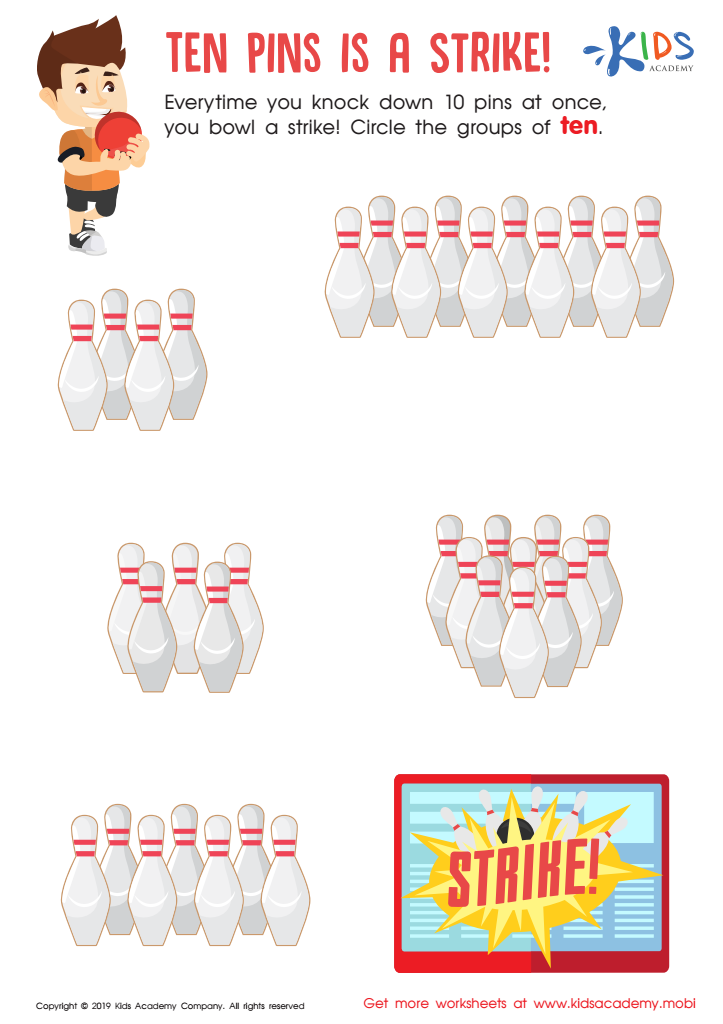
Ten Pins is a Strike Worksheet
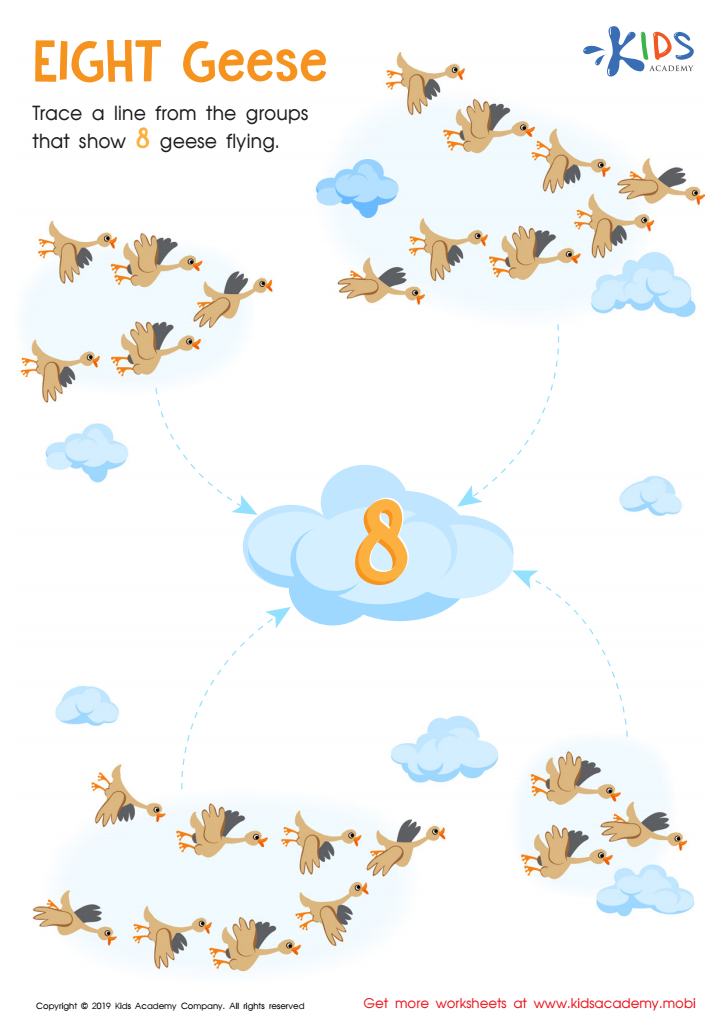
Eight Geese Worksheet
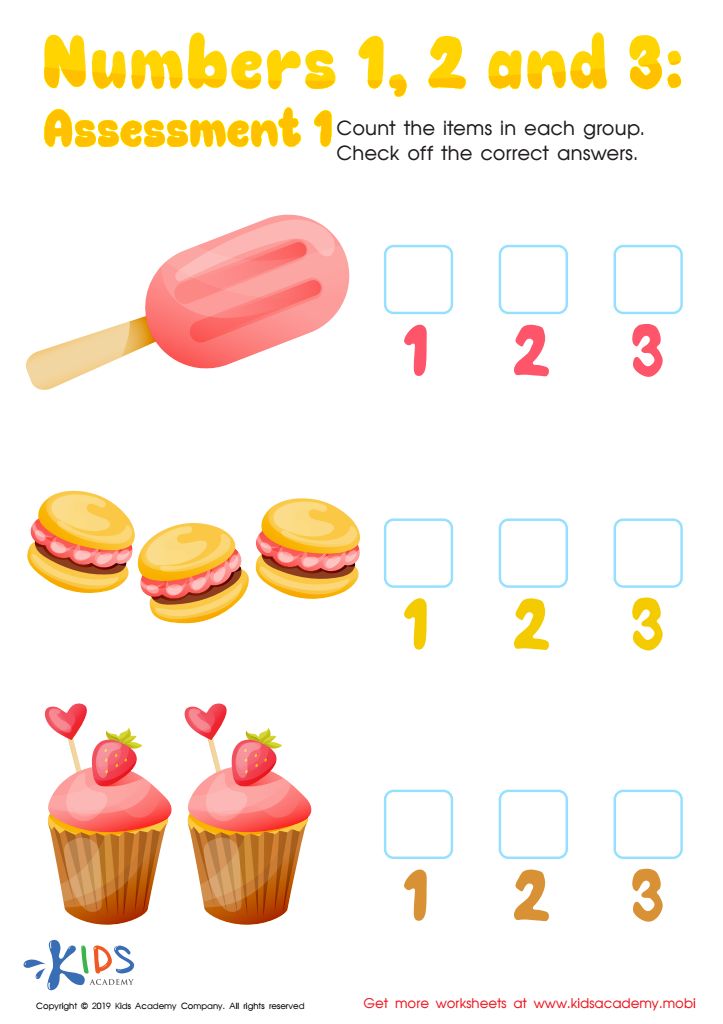
Numbers 1, 2 and 3: Assessment 1 Worksheet
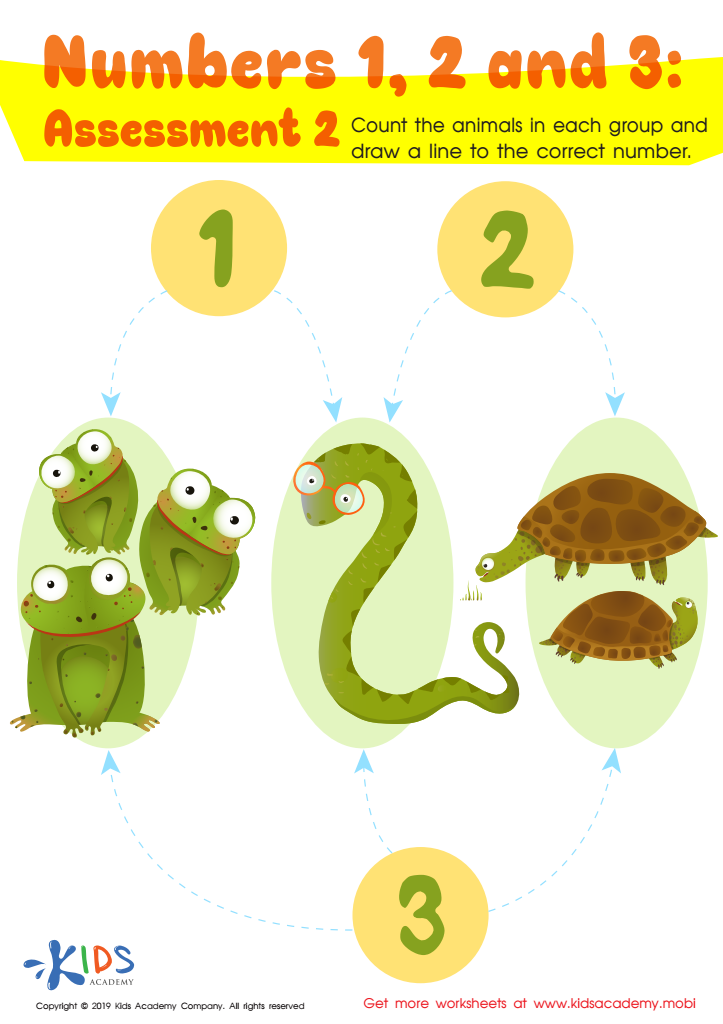
Numbers 1, 2 and 3: Assessment 2 Worksheet
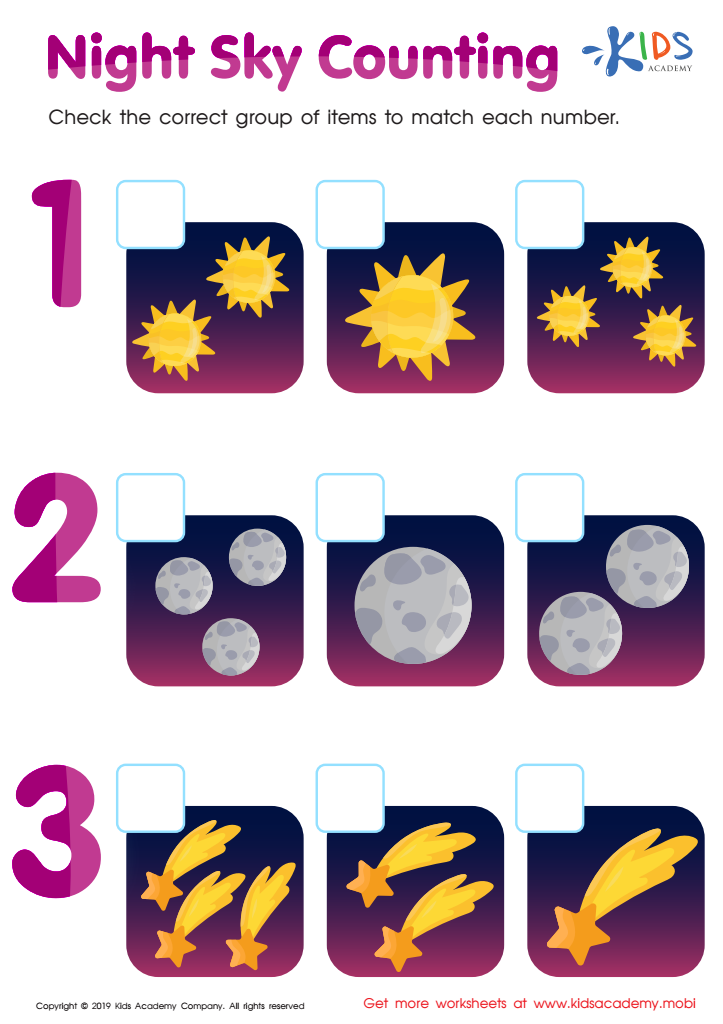
Night Sky Counting Worksheet
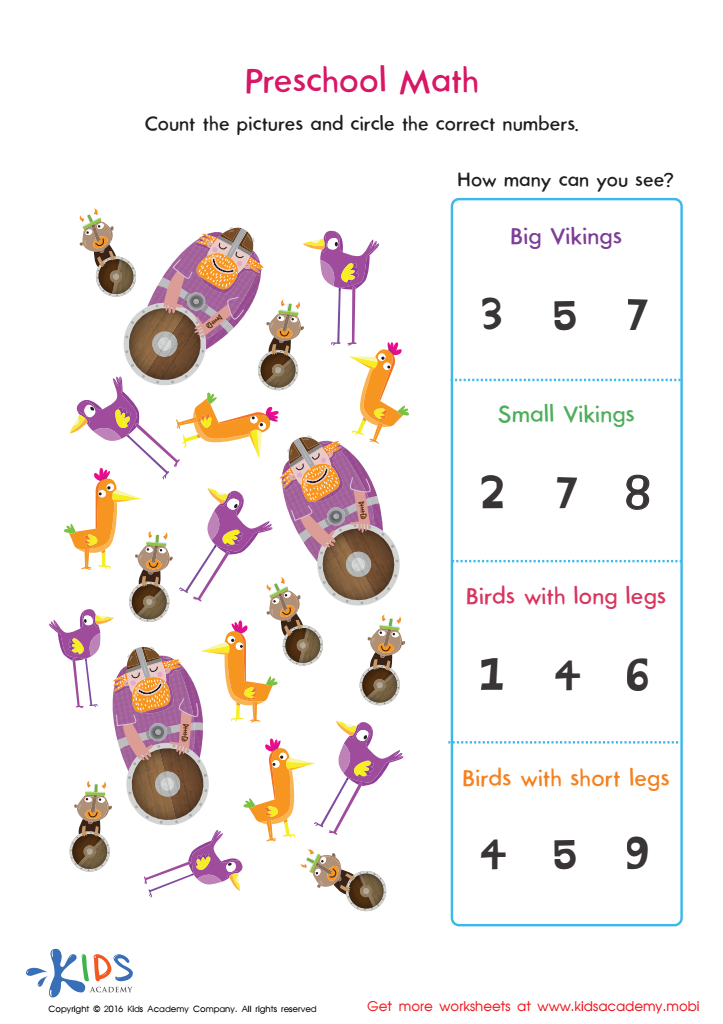
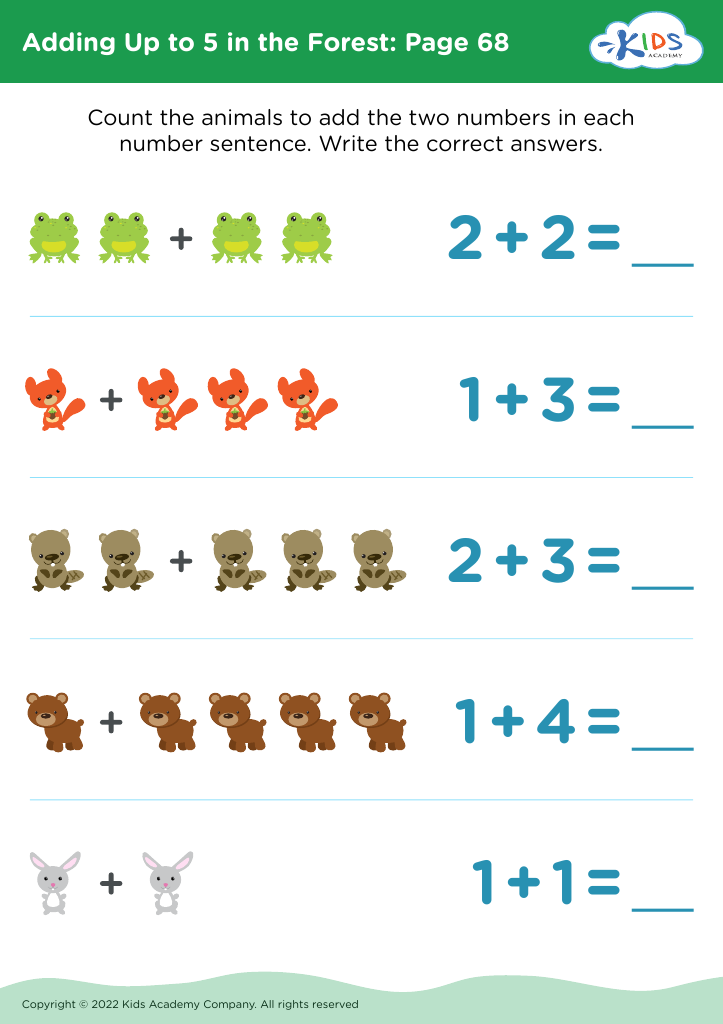
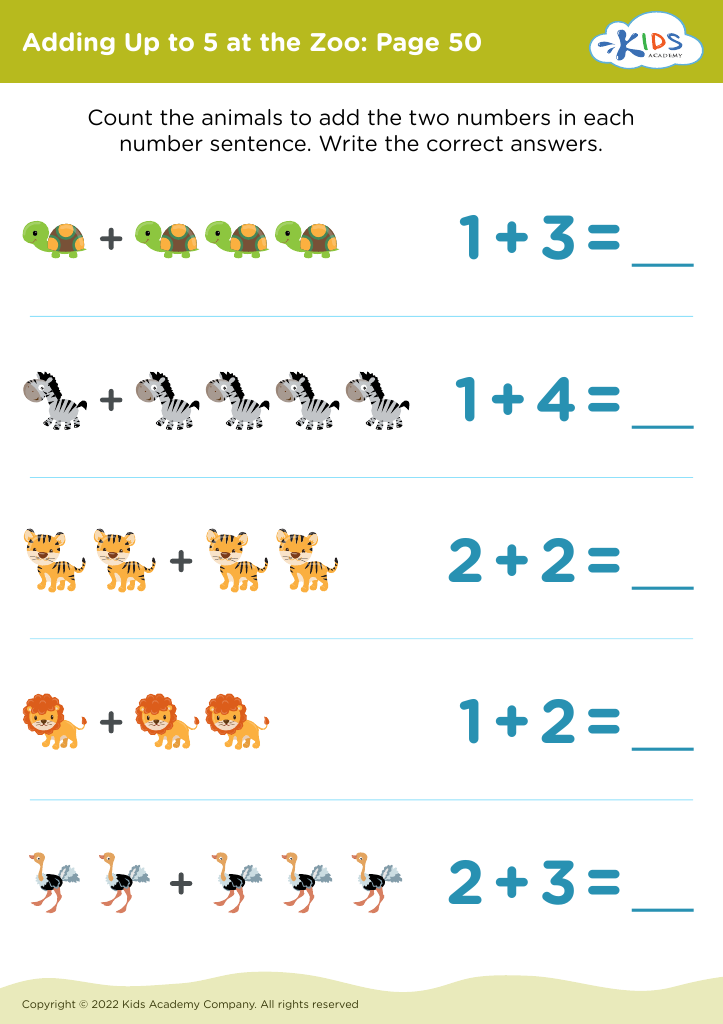


.jpg)





Hand-eye coordination is a crucial developmental skill for young children, particularly for 3-year-olds, as it lays the foundation for various learning experiences, including math. Parents and teachers should prioritize this ability because it not only enhances children's physical coordination but also fosters cognitive skills essential for early math concepts.
Activities that promote hand-eye coordination, such as puzzles or matching games, unknowingly introduce basic math skills like shape recognition, counting, and pattern making. These playful and engaging methods help children associate numbers with physical actions, reinforcing their understanding of quantity and spatial relationships, which are vital in mathematics.
Moreover, strong hand-eye coordination enables children to develop confidence in their abilities, encouraging them to explore and engage more readily in hands-on learning tasks. This confidence provides a solid groundwork for tackling more complex math challenges as they grow.
Lastly, fostering hand-eye coordination strengthens fine motor skills, which are crucial for writing and manipulating tools later in school. In an era where early childhood education sets the stage for future academic success, cultivating hand-eye coordination can significantly enhance children's overall learning trajectory, making it a priority for parents and educators.








