Logical thinking Math Worksheets for 3-Year-Olds
6 filtered results
-
From - To
Introduce your little ones to the world of logic with our "Logical Thinking Math Worksheets for 3-Year-Olds" at Kids Academy! These engaging activities are thoughtfully designed to spark curiosity and enhance critical thinking in young learners. Through colorful illustrations and fun exercises, children will develop foundational math skills such as pattern recognition, sorting, and matching. Perfectly tailored for preschoolers, our worksheets provide an excellent start to a lifelong love of learning. Easy to download and print, they offer a perfect blend of education and entertainment to guide your child's early development. Join Kids Academy today to unlock endless learning adventures!
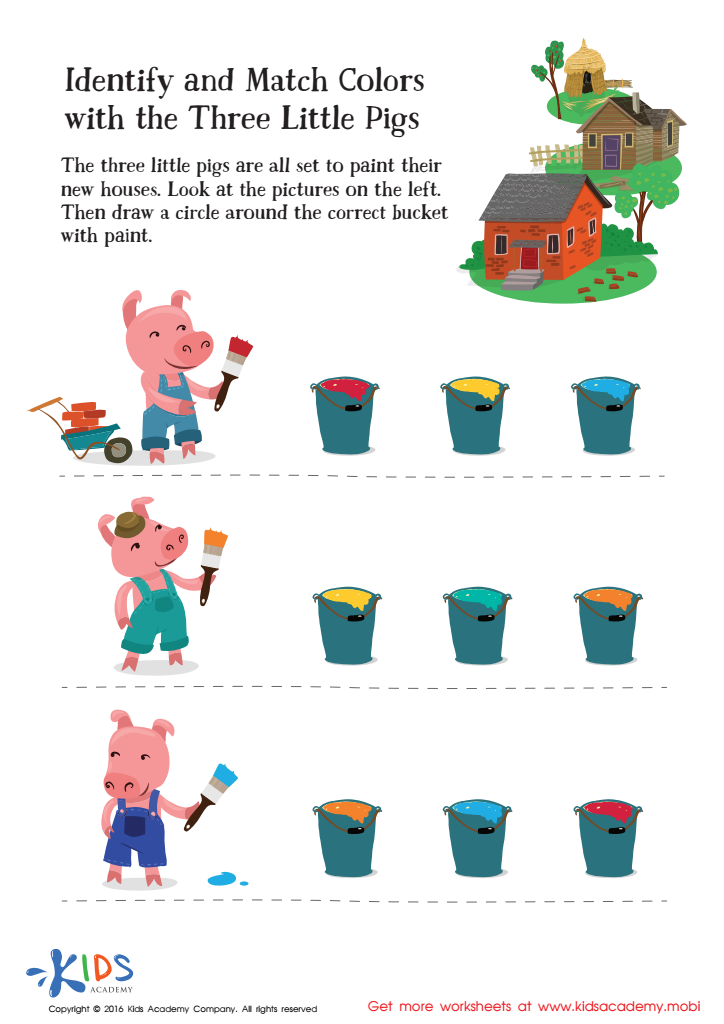
Fairy Tale Worksheet: Identify and Match Colors with Three Little Pigs
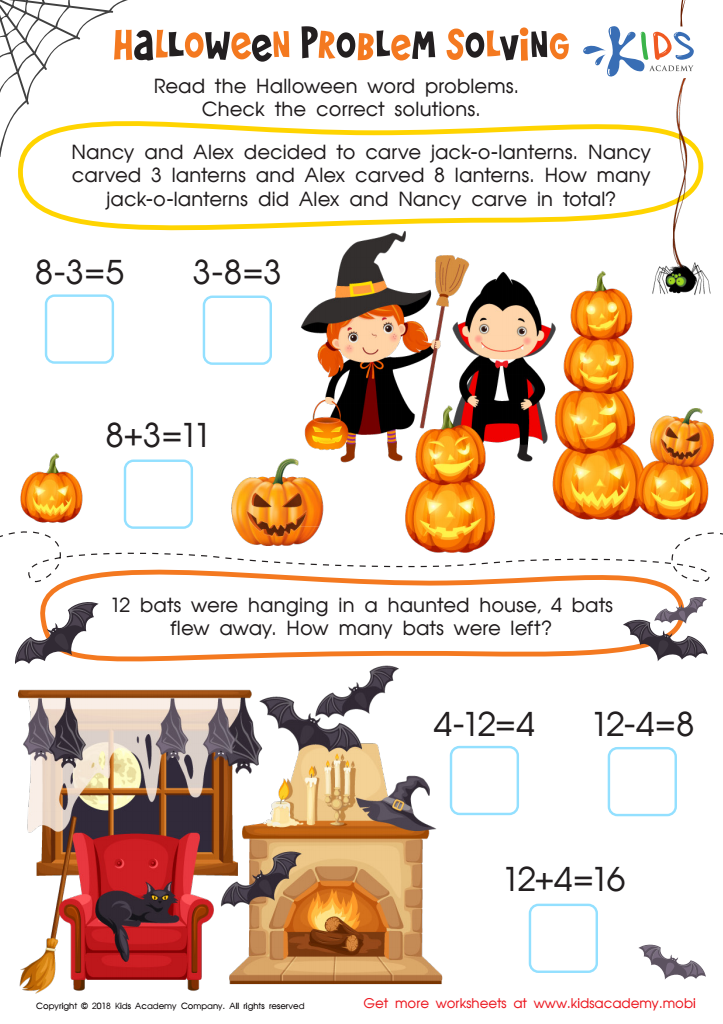
Halloween Problem Solving Worksheet
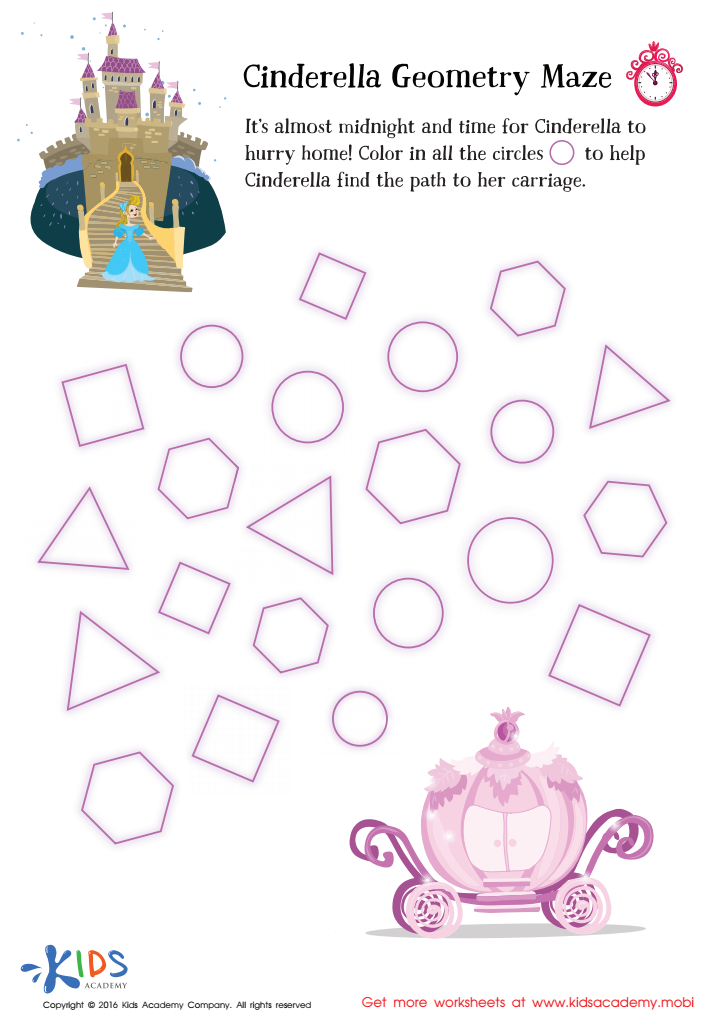
Cinderella Geometry Maze Worksheet
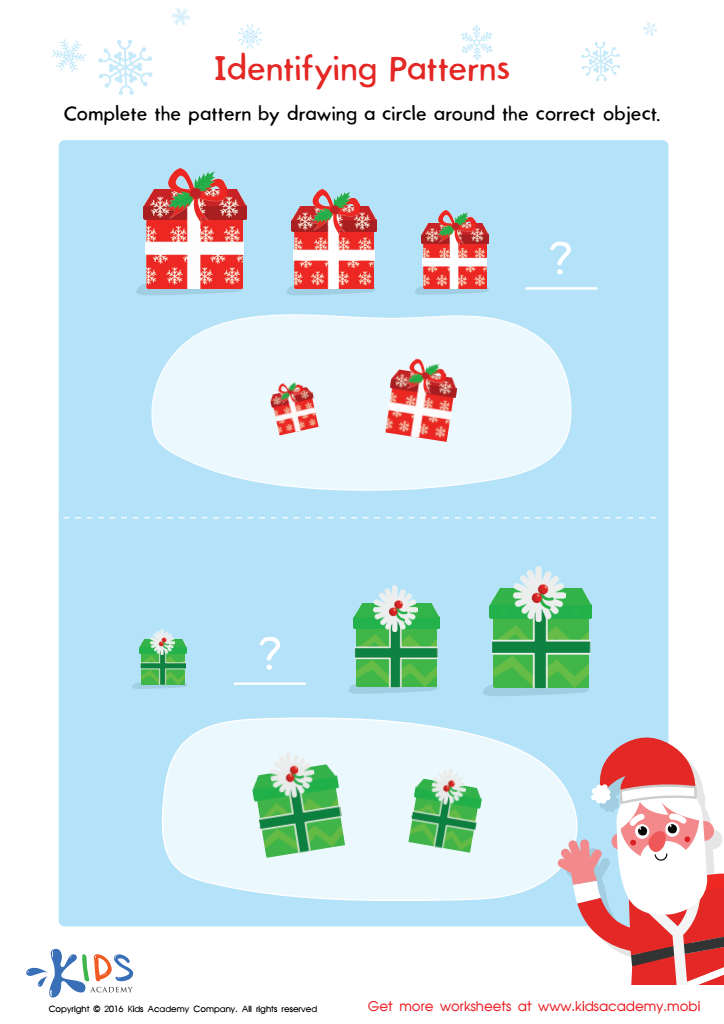
Identifying Patterns Worksheet
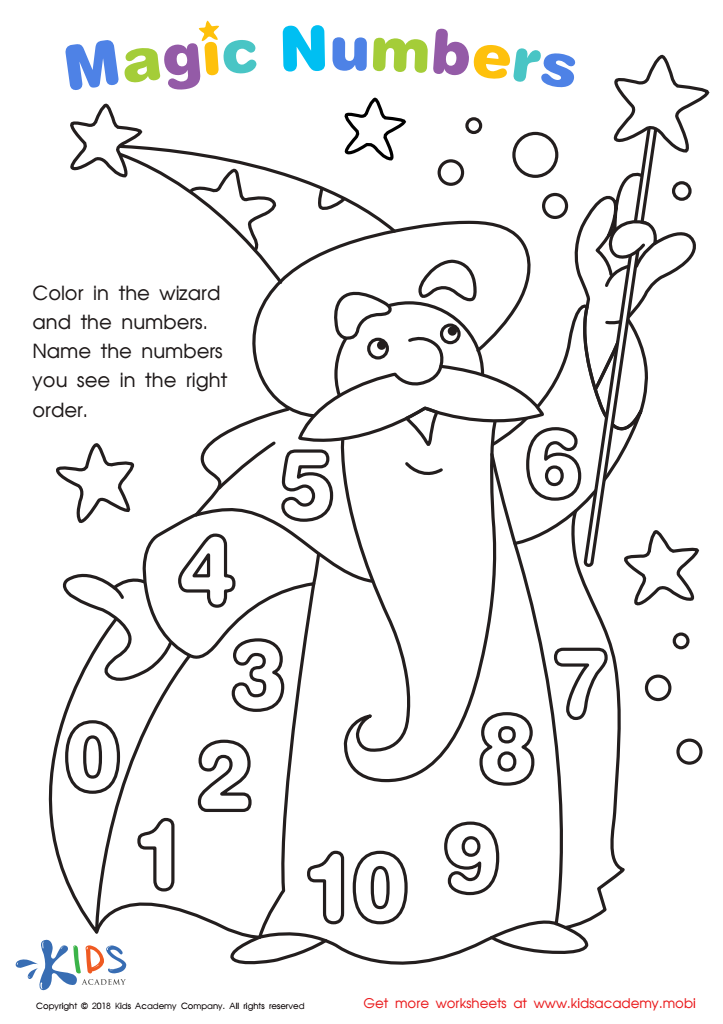
Magic Numbers Worksheet
 Assign to My Students
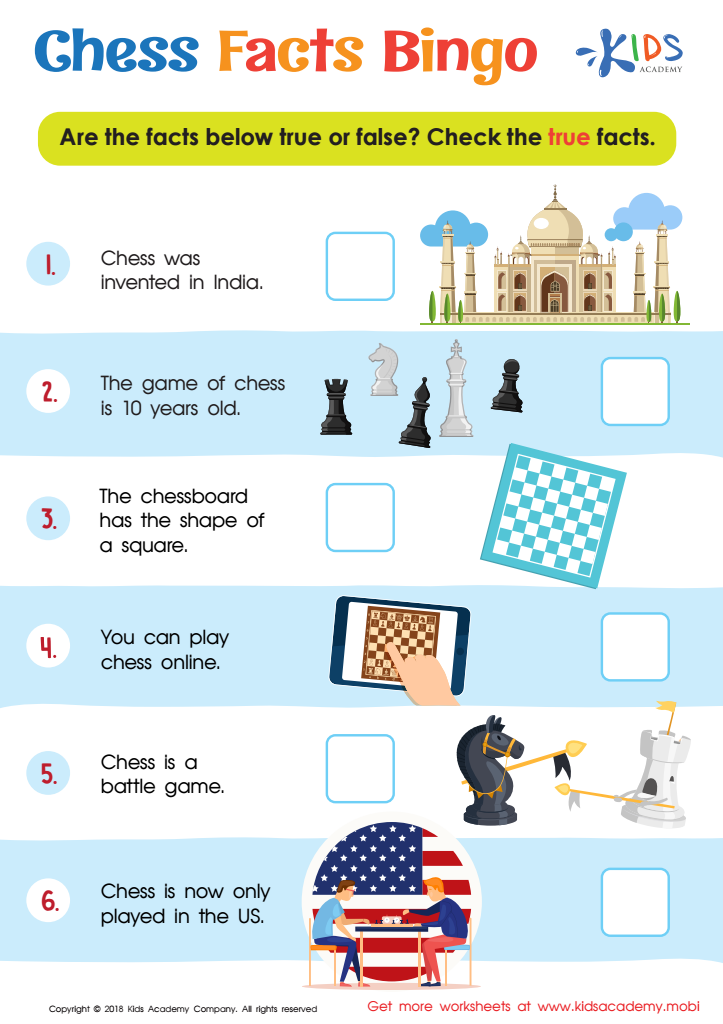
Chess Facts Bingo Worksheet








Logical thinking in math for 3-year-olds is crucial as it lays a foundation for critical cognitive and problem-solving skills that are vital for future academic success. At this tender age, young children experience rapid brain development, making it the perfect time to engage them in activities that stimulate logical reasoning. This can involve simple tasks like sorting objects by size or color, recognizing patterns, or understanding basic cause-and-effect relationships. Such exercises help kids not just in math but also enhance their overall analytical abilities, fostering a mindset that is inquisitive and solution-oriented.
As parents or teachers, nurturing these skills early on allows children to build confidence and interest in math-related activities. This early positive exposure can significantly impact their attitude and performance in math as they continue their education. Moreover, logical thinking skills are applicable beyond academics; they are essential for everyday decision-making and problem-solving.
Supporting logical thinking through playful and age-appropriate math activities also promotes positive interactions and bonding between adults and children. By integrating fun learning moments in daily routines, children receive the message that learning can be enjoyable and rewarding. Ultimately, prioritizing logical thinking in math for young children paves the way for a lifelong appreciation and understanding of the subject, equipping them with essential life skills.








