Matching numbers Math Worksheets for 3-Year-Olds
6 filtered results
-
From - To
Introduce your little one to the exciting world of numbers with our "Matching Numbers Math Worksheets for 3-Year-Olds"! Designed to spark curiosity and enhance early numeracy skills, these engaging worksheets help toddlers recognize and match numbers in a fun and interactive way. Each colorful sheet features adorable illustrations that captivate young minds, encouraging them to count and connect numbers through playful activities. Perfect for developing foundational math skills, our worksheets offer a delightful journey into learning, ensuring your child builds confidence and enthusiasm for mathematics from an early age. Download now and watch your child thrive!
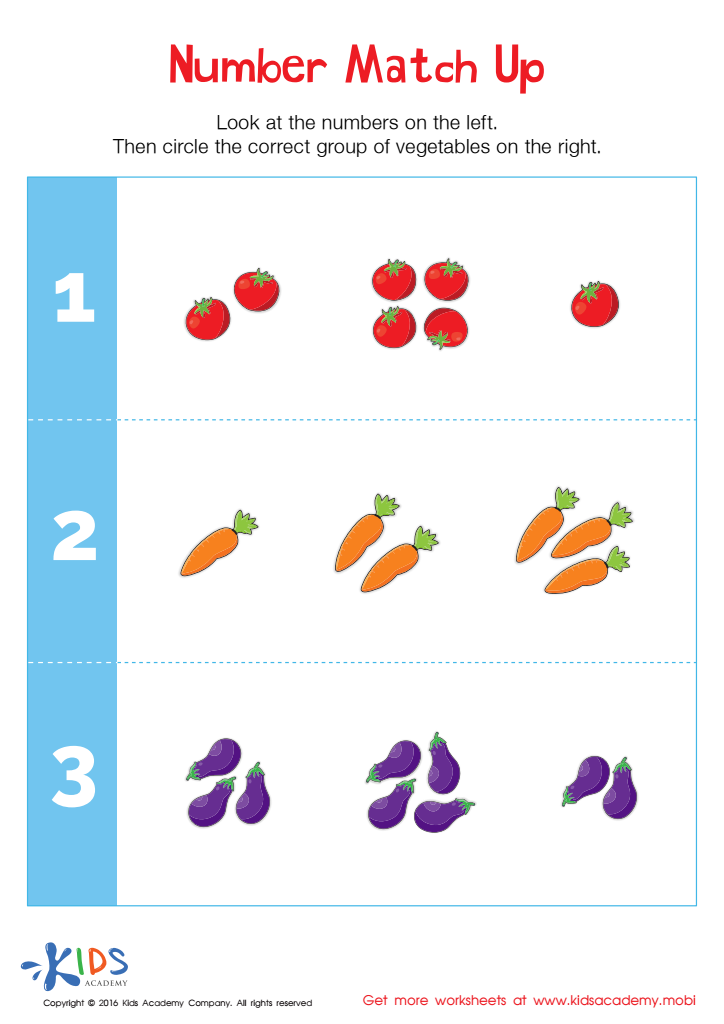
Number Match Up Worksheet
 Assign to My Students
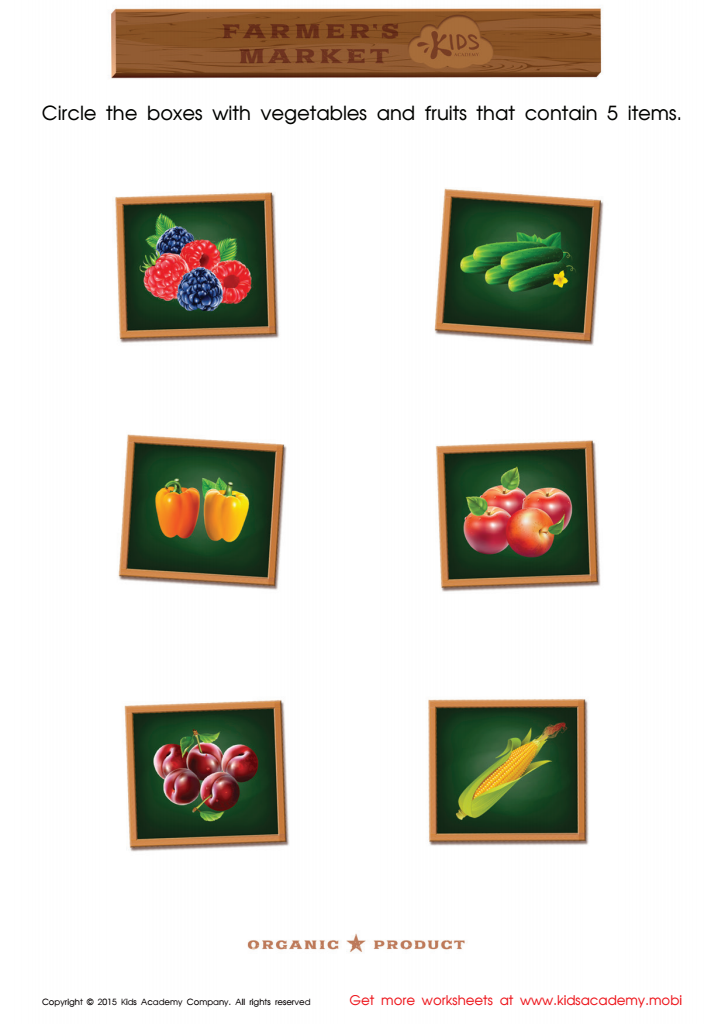
Count and Match Vegetables 1 – 7 Math Worksheet
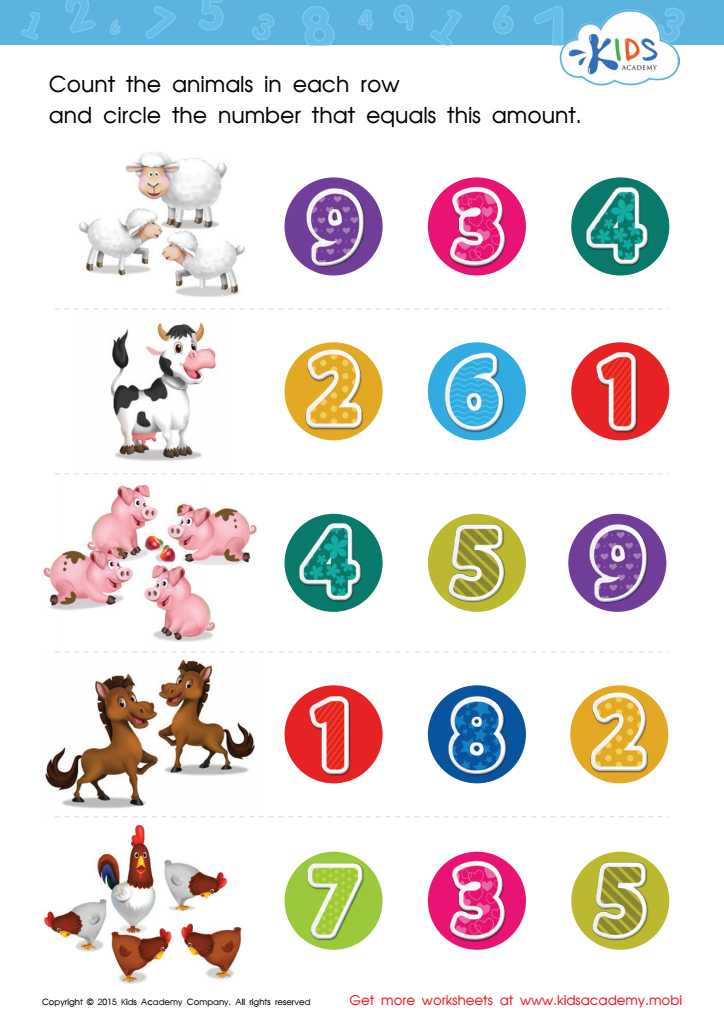
Count and Match 1 – 5 Math Worksheet
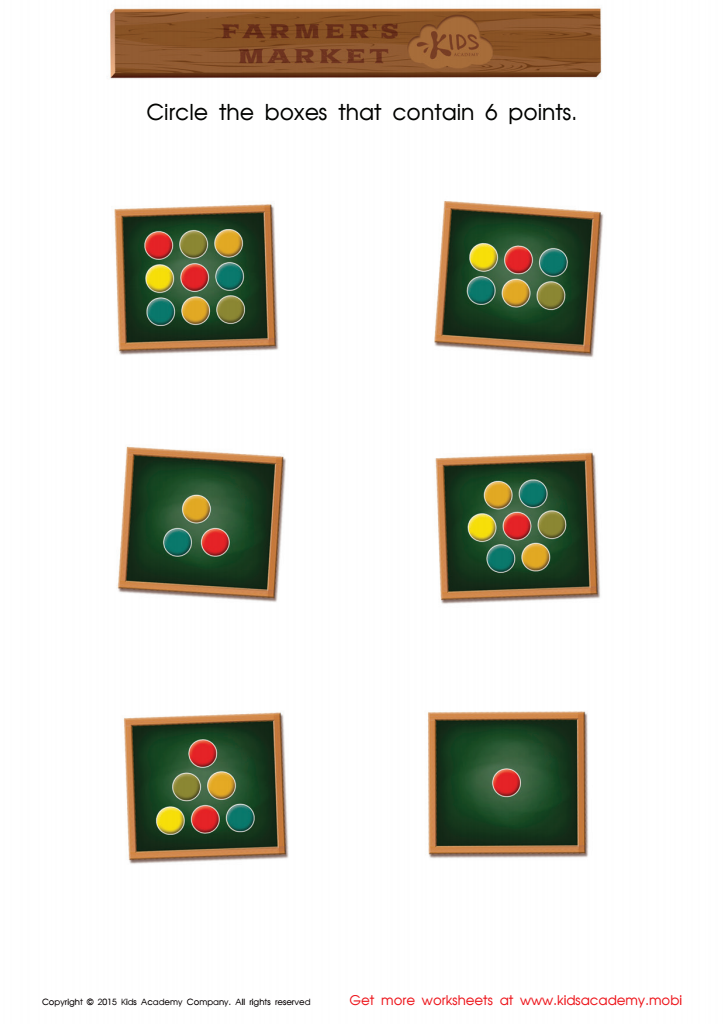
Count and Match Points 6 Math Worksheet
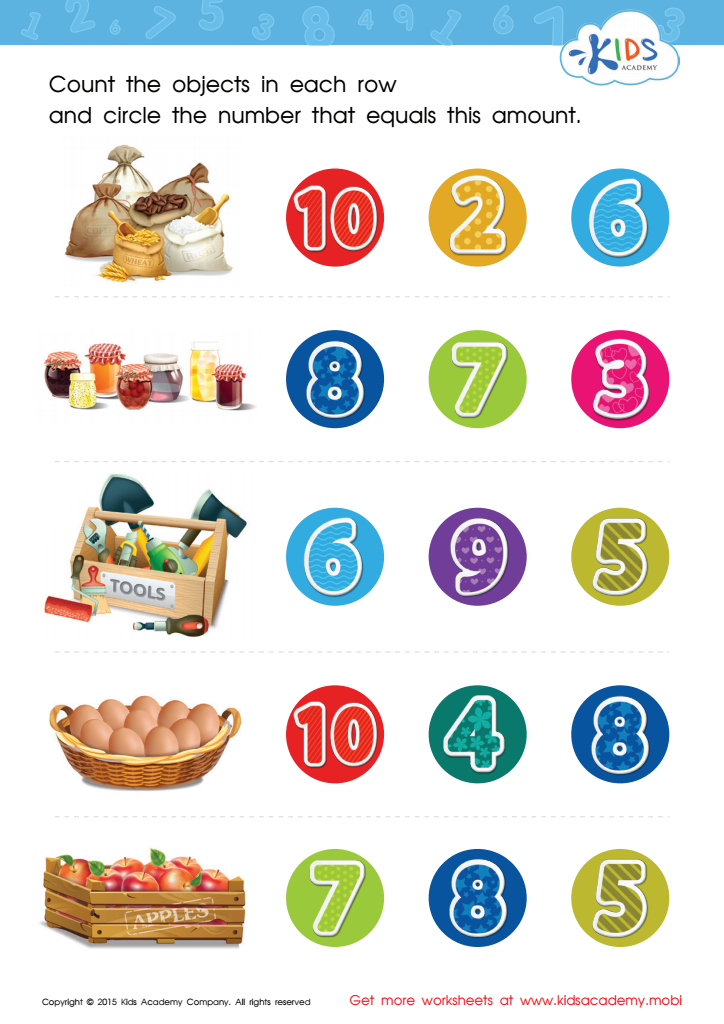
Count and Match 6 – 10 Math Worksheet
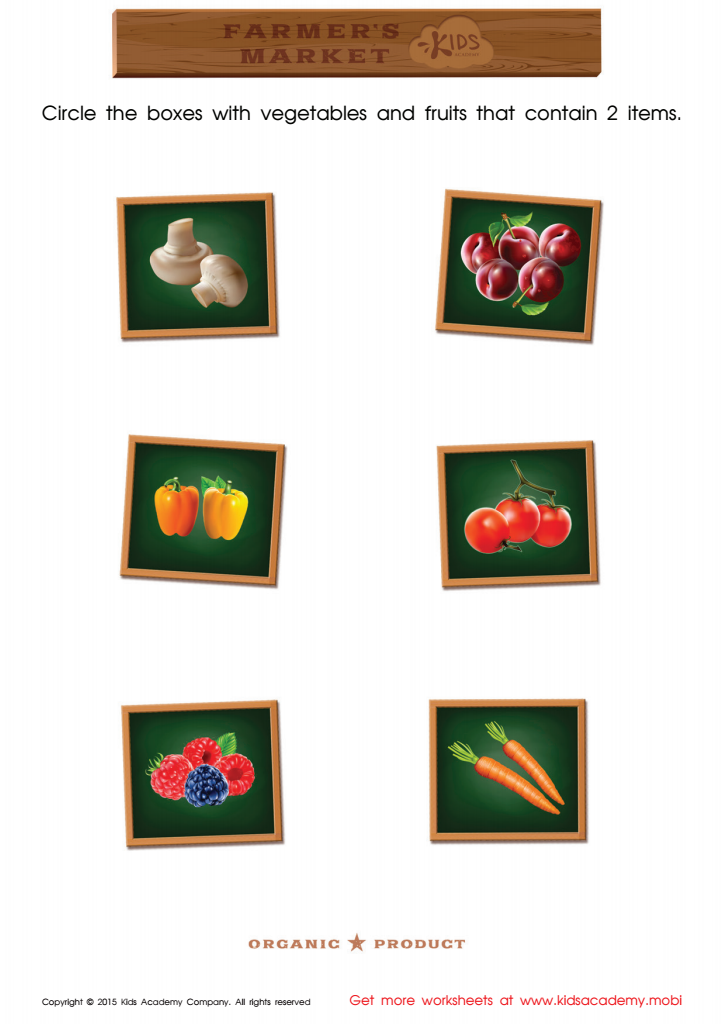
Count and Match Vegetables and Points Math Worksheet








Teaching 3-year-old children to match numbers can be incredibly beneficial for their early development, and parents and teachers should certainly place importance on this activity. Matching numbers helps young children recognize and understand numerals, laying the foundational skills needed for future math learning. At this age, children are naturally curious and eager to learn, making it an ideal time to introduce educational games and activities that involve matching numbers.
This process aids in the development of crucial cognitive skills such as memory, attention to detail, and logical thinking. Through matching games, children learn to observe patterns, make connections, and understand the concept of "same" and "different." These are essential problem-solving skills that form the basis for more complex math concepts they will encounter as they grow older.
Moreover, matching numbers supports the development of fine motor skills. When children use their hands to pick up and place numbers correctly, they improve hand-eye coordination, which is vital for writing and other daily tasks.
Finally, participating in matching activities can be a social experience, promoting skills like cooperation, communication, and taking turns when the activities are done in a group setting or with a parent. These interactions are key in nurturing both social and emotional development, demonstrating that the investment in such activities is valuable on multiple fronts.








