Problem-Solving Skills Math Worksheets for 3-Year-Olds - Page 5
100 filtered results
-
From - To
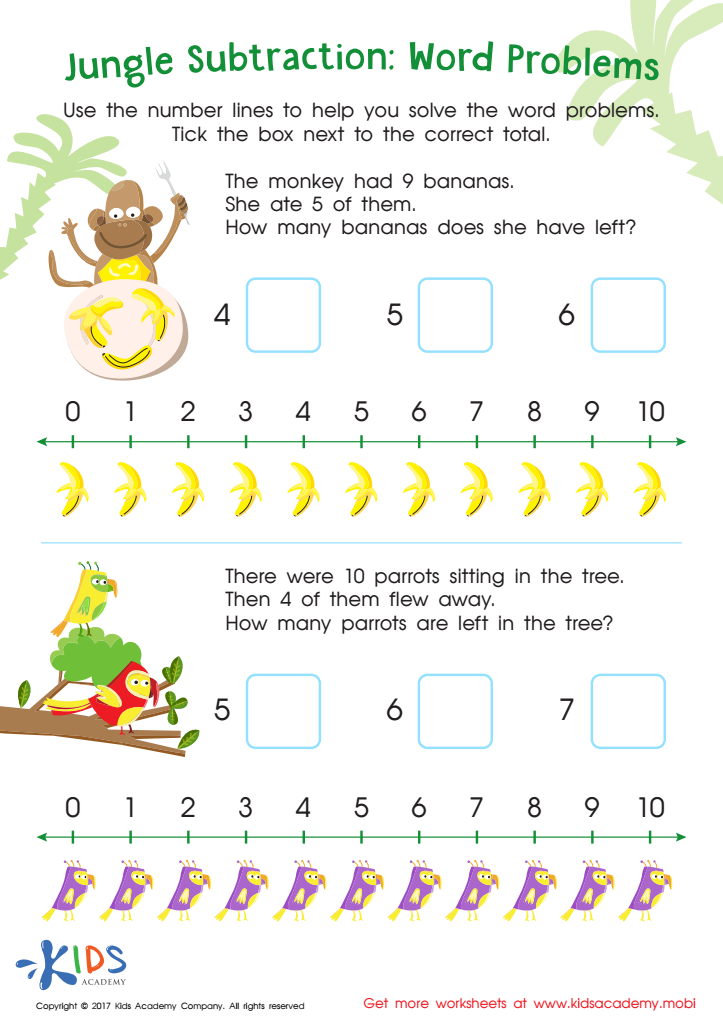
Jungle Subtraction Word Problems Substraction Worksheet
 Assign to My Students
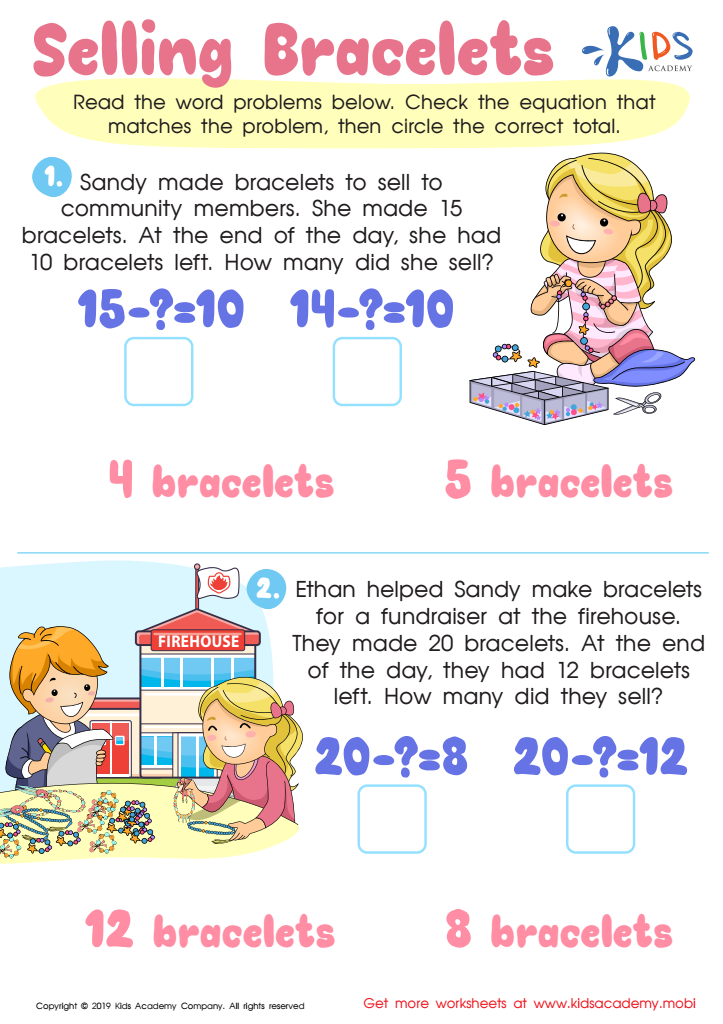
Selling the Bracelets Worksheet
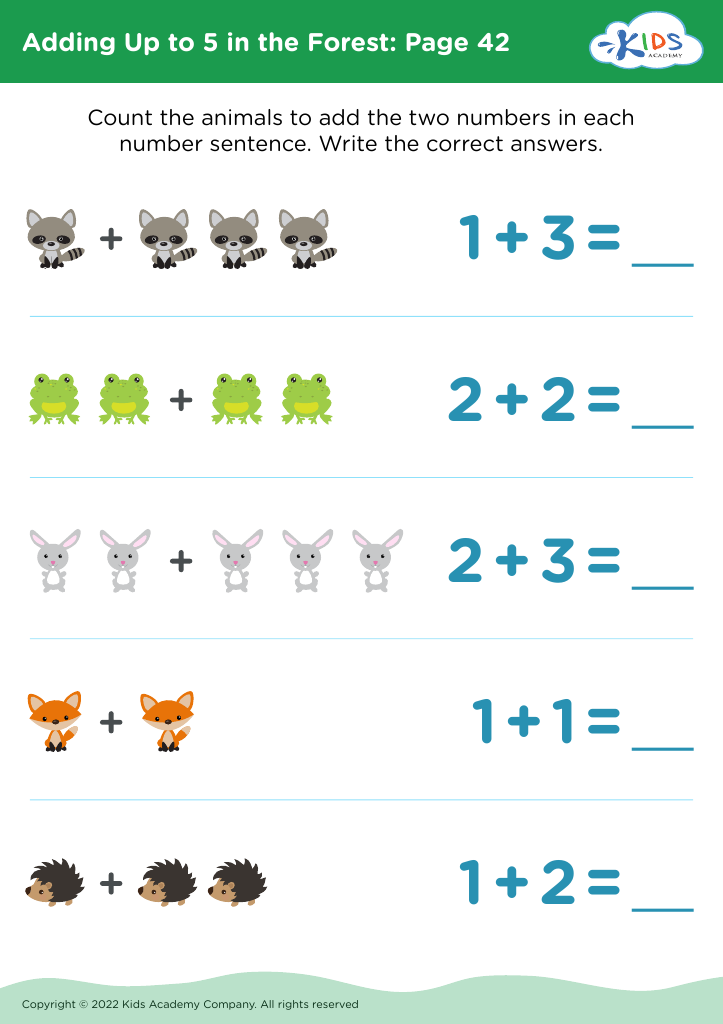
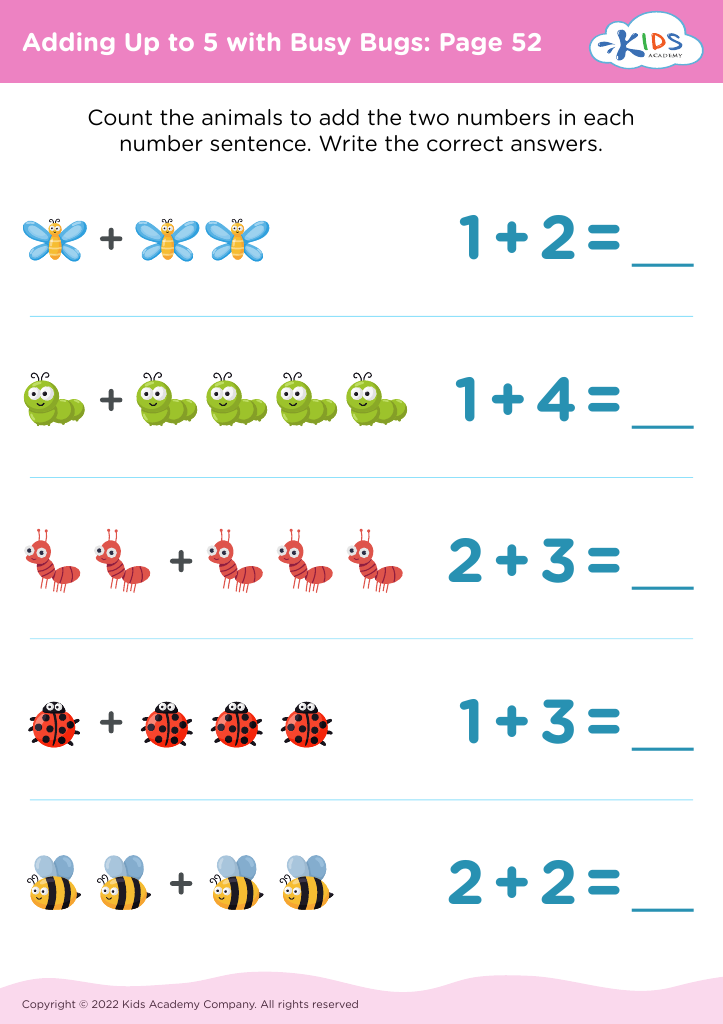




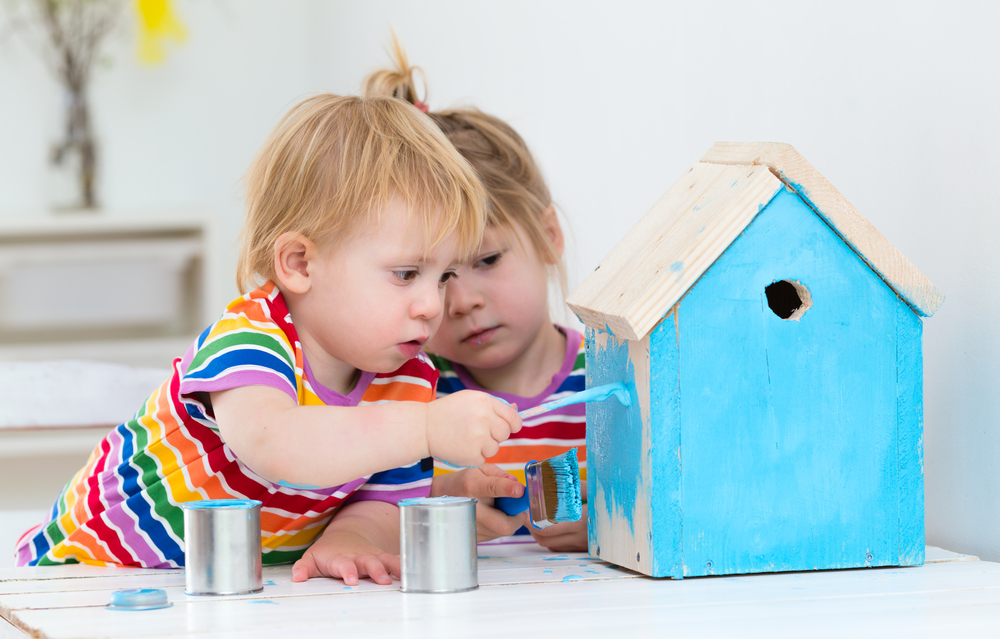

Problem-solving skills in young children, particularly in math, lay a crucial foundation for lifelong learning. For parents and teachers of 3-year-olds, nurturing these skills is essential for several reasons. Firstly, early math experiences help develop critical thinking. At this age, children naturally engage in playful exploration with numbers, shapes, and patterns, fostering their ability to analyze situations and make decisions.
Moreover, problem-solving activities enhance a child's confidence. When they successfully tackle math-related challenges, it boosts their self-esteem and encourages a positive attitude towards learning. This early success can create a lasting love for math and problem-solving, building resilience for future academic endeavors.
Furthermore, these skills are not isolated to math; they promote cognitive development across various domains, including language and social interactions. Kids learn to articulate their thought processes and collaborate with peers, crucial skills for social development.
Incorporating fun and engaging math problems into daily activities makes learning enjoyable and meaningful. Ultimately, by prioritizing problem-solving math skills, parents and teachers equip children with the tools they need to navigate challenges, interact effectively with others, and embrace a lifetime of learning opportunities.








