Understanding number relationships Math Worksheets for 3-Year-Olds
3 filtered results
-
From - To
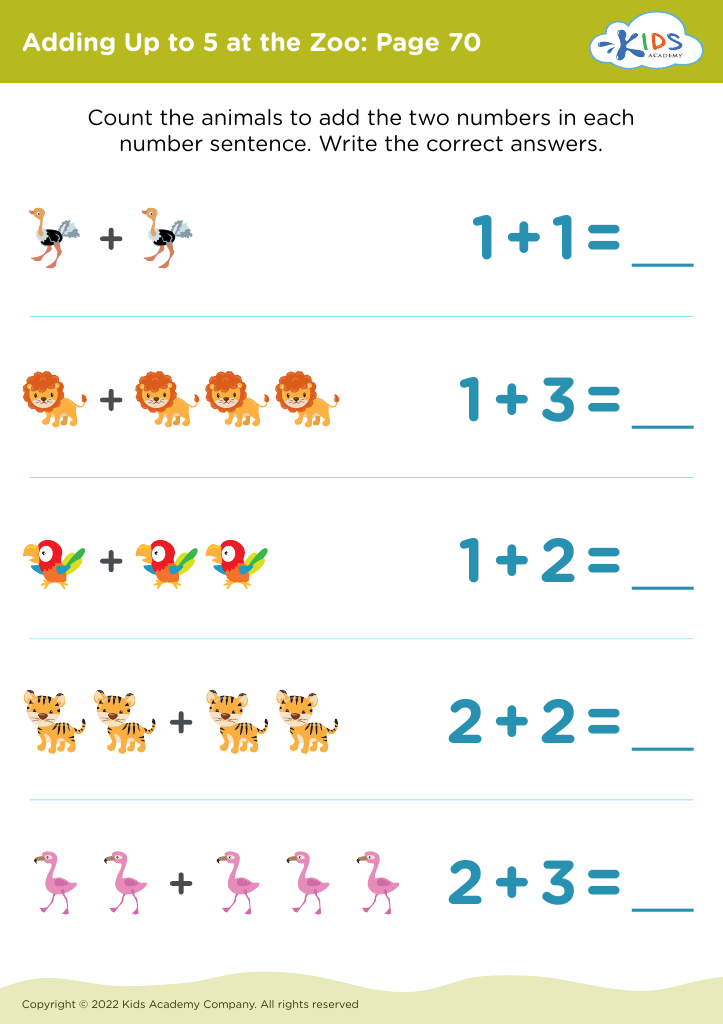
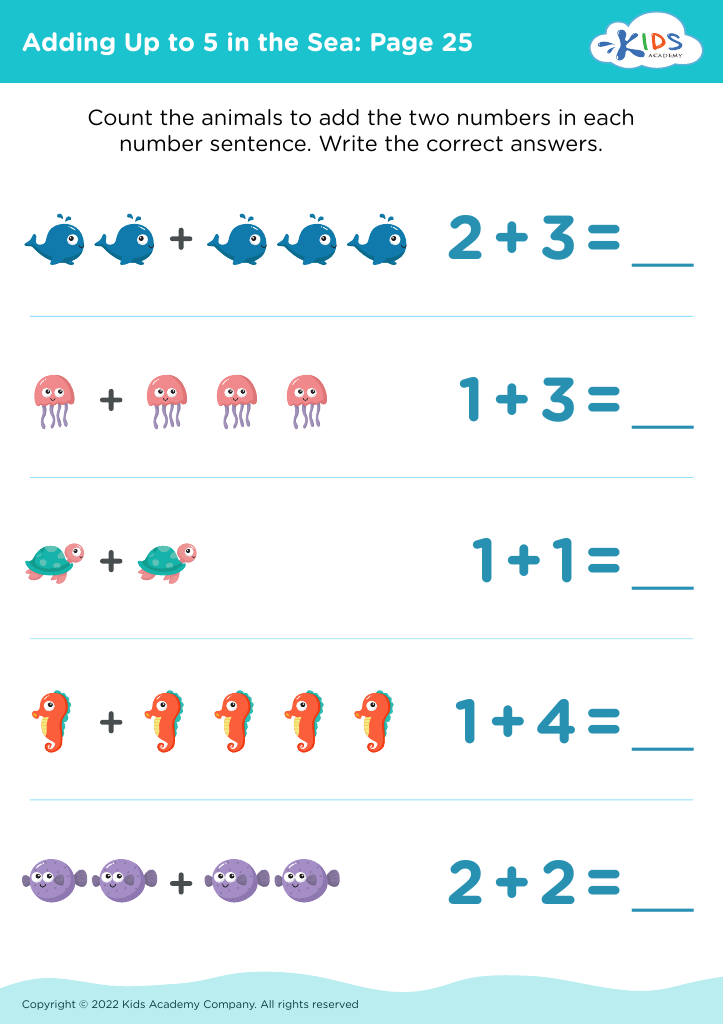
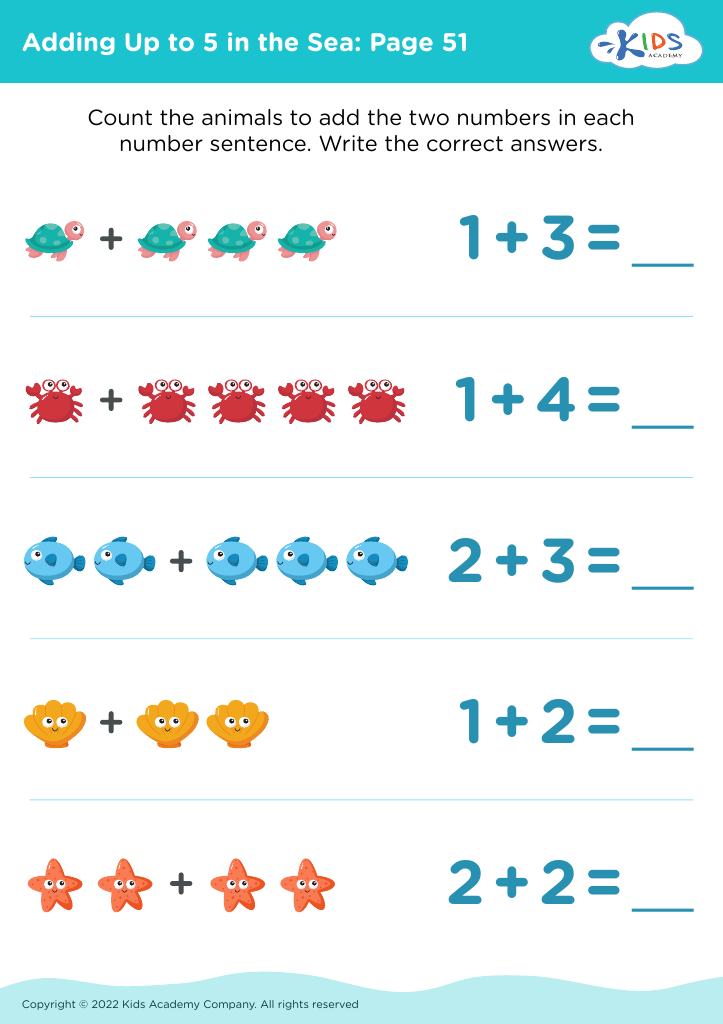
Explore our engaging "Understanding Number Relationships" math worksheets designed specifically for 3-year-olds! These fun and colorful activities introduce young learners to essential math concepts, helping them grasp the connections between numbers through hands-on experiences. Our worksheets feature easy-to-follow exercises that promote counting, comparing quantities, and recognizing patterns—building a strong foundation for future math success. Dive into a world of interactive learning with relatable themes that capture your child's interest. Perfect for parents and educators alike, these resources are invaluable for developing early math skills and boosting confidence. Start your child's numerical journey today with our captivating activities!





.jpg)

Understanding number relationships is foundational for preschool-aged children, setting the stage for future mathematical learning. For parents and teachers of 3-year-olds, fostering this understanding is crucial for several reasons.
Firstly, children at this age are naturally curious about the world around them. Engaging them in activities that emphasize number relationships, such as counting objects, comparing sizes, or recognizing patterns, nurtures their innate curiosity and promotes cognitive development. This foundational knowledge helps children connect numbers to real-life contexts, making math feel relevant rather than abstract.
Secondly, grasping number relationships builds critical problem-solving skills. Activities that involve classifying, sorting, or arranging shapes and groups enhance logical thinking and reinforce their ability to make connections, essential skills for later mathematics.
Furthermore, early exposure to math through play and exploration helps reduce math anxiety later in life. When children feel comfortable with numbers and relationships, they are more likely to view math positively as they progress in school.
Overall, investing time and effort in nurturing number relationships not only equips young children with essential mathematical foundations but also fosters a love for learning that can last a lifetime. Parents and teachers play a pivotal role in guiding and supporting this critical stage in development.








