Understanding numerical values Math Worksheets for 3-Year-Olds
4 filtered results
-
From - To
Discover our engaging "Understanding Numerical Values Math Worksheets" designed specifically for 3-year-olds! These worksheets provide a fun and interactive way for young learners to grasp basic number concepts and improve their counting skills. Through colorful illustrations and simple activities, children will explore numerical values, develop early math understanding, and foster a love for learning. Perfect for parents and educators, these worksheets support essential cognitive development and make learning enjoyable. Whether used at home or in the classroom, our resources offer a foundation for mastering numbers in a playful manner. Get started today and watch your child’s math skills grow!
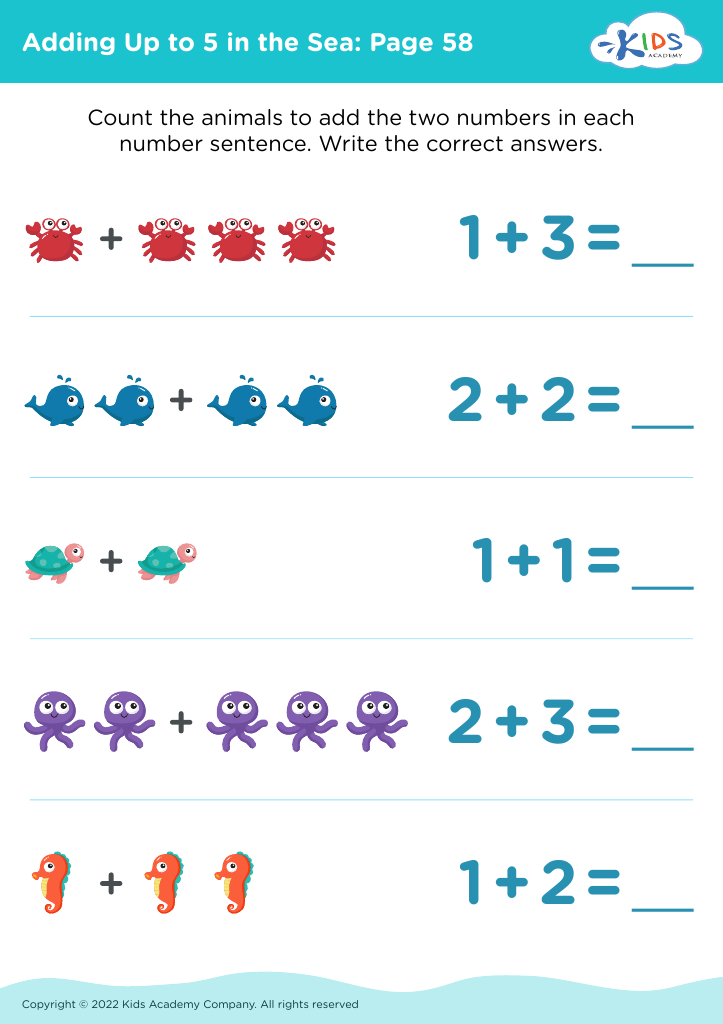
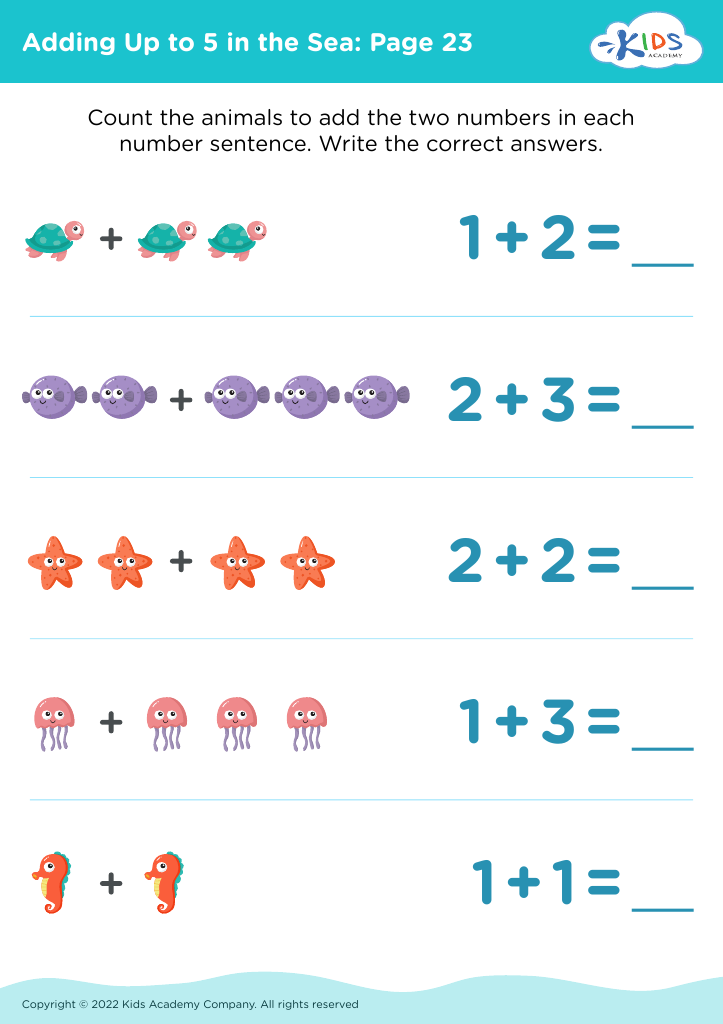
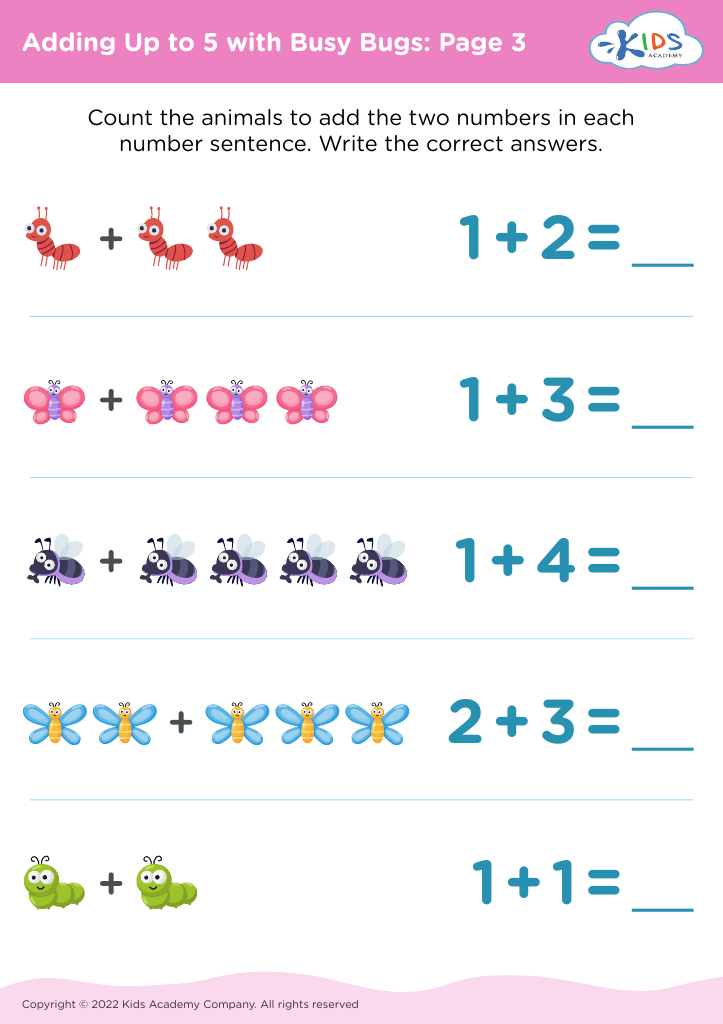
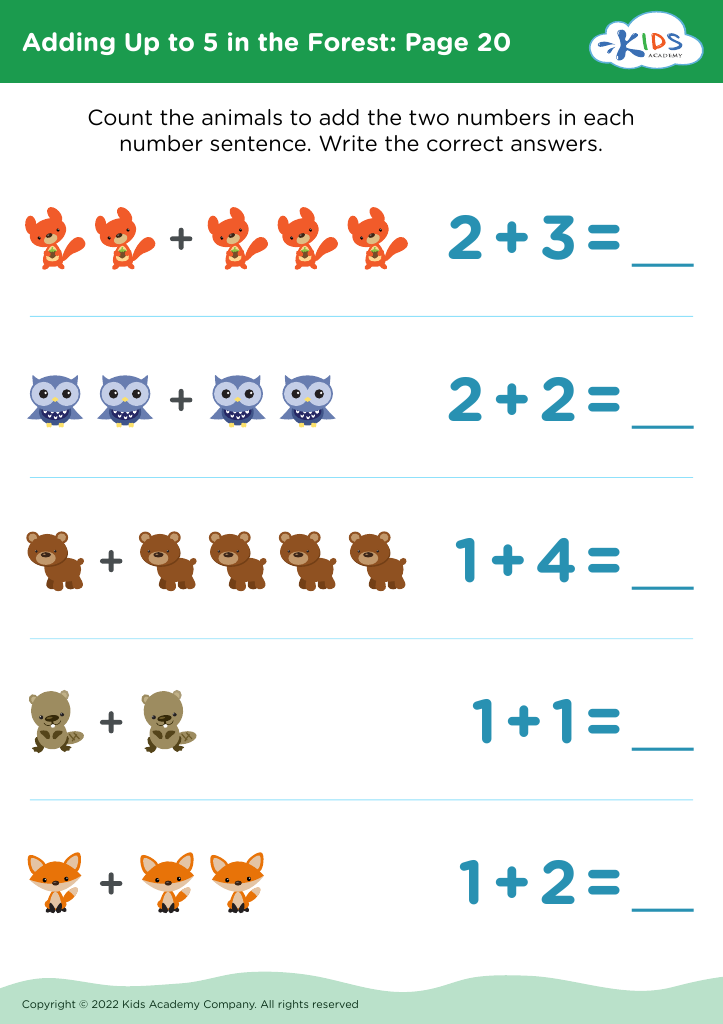








Understanding numerical values is fundamental for a 3-year-old's early development, and both parents and teachers play a crucial role in this process. At this age, children begin to grasp the basics of counting, number recognition, and value association, which lays the foundation for future mathematical skills. Early engagement with numbers helps improve cognitive development, fostering skills such as critical thinking and problem-solving.
When children learn to recognize and compare numerical values, they gain confidence and an intuitive understanding of quantity, which extends to their everyday experiences. This knowledge not only influences their math skills but also enhances their overall communication and reasoning abilities. Additionally, familiarizing young children with numerical concepts promotes a positive attitude toward math, reducing anxiety around the subject as they grow.
Both parents and educators can create a rich numerical environment filled with activities like counting toys, singing number songs, or exploring nature’s abundance, which reinforce these skills. Essentially, a strong early foundation in numerical values equips children with essential life skills, setting them up for academic success and fostering a lifelong love for learning. By nurturing this critical phase of development, we empower young learners to thrive in an increasingly number-centric world.








