Understanding patterns Math Worksheets for 3-Year-Olds
3 filtered results
-
From - To
Looking to introduce your 3-year-old to the world of math? Our "Understanding Patterns Math Worksheets for 3-Year-Olds" are designed to make early learning fun and engaging! These beautifully illustrated worksheets help young learners recognize and predict patterns, a fundamental math skill. They'll enjoy activities like matching, coloring, and identifying sequences. Perfect for developing critical thinking and hand-eye coordination in preschoolers, our worksheets offer an enjoyable and educational experience. Start building a strong math foundation today with our expertly crafted pattern worksheets. Visit Kids Academy and download your free worksheets now!
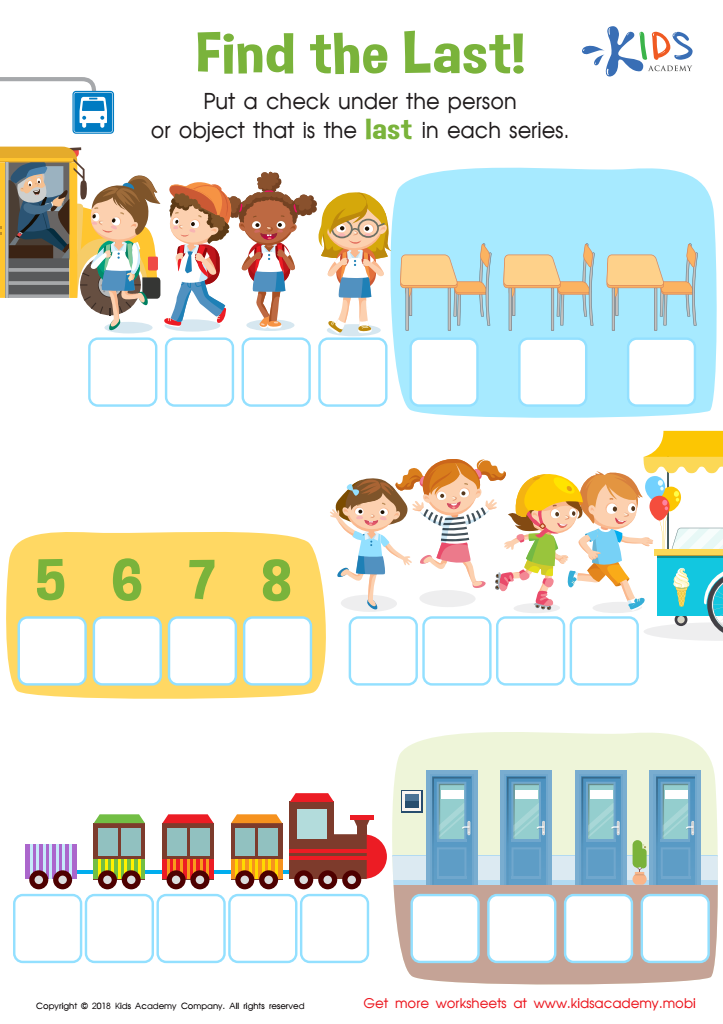
Find the Last! Worksheet
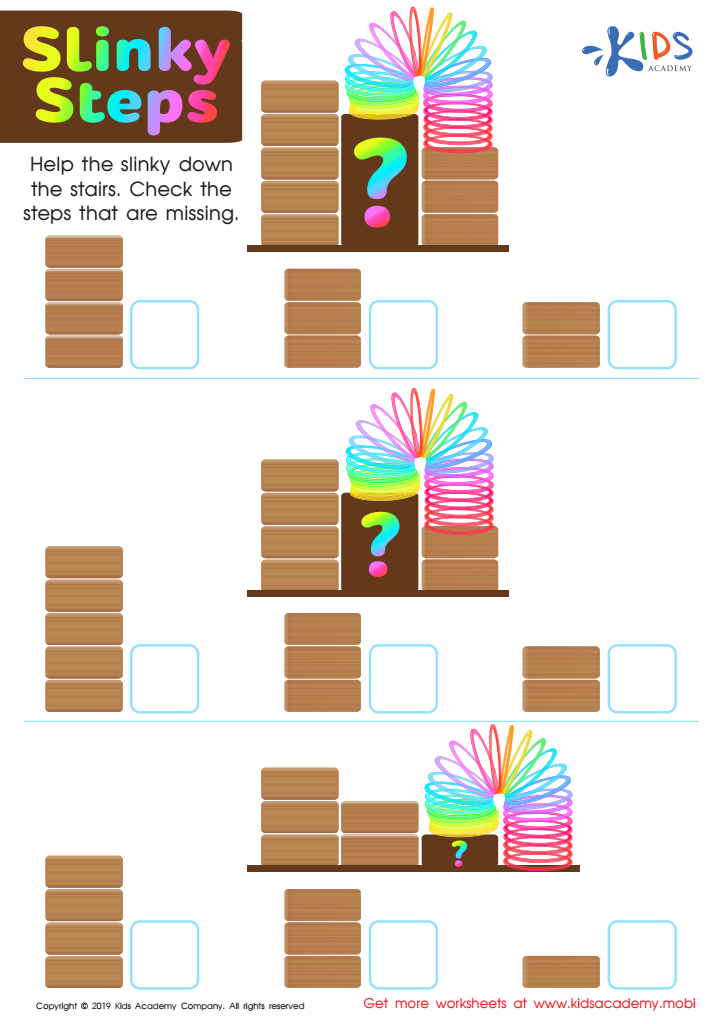
Slinky Steps Worksheet
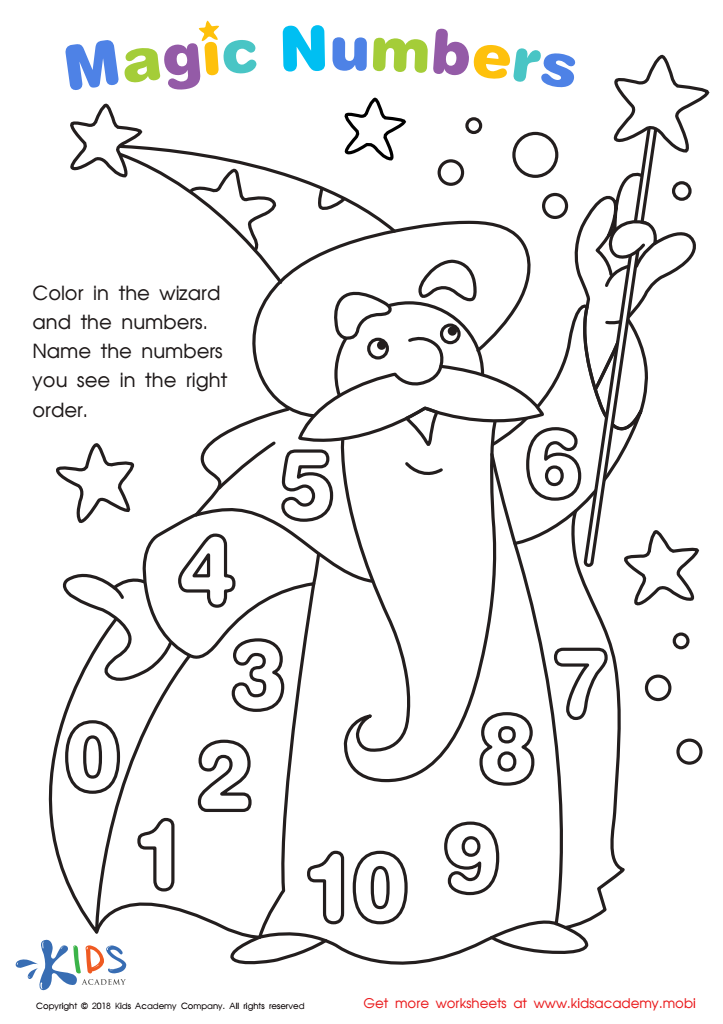
Magic Numbers Worksheet
 Assign to My Students






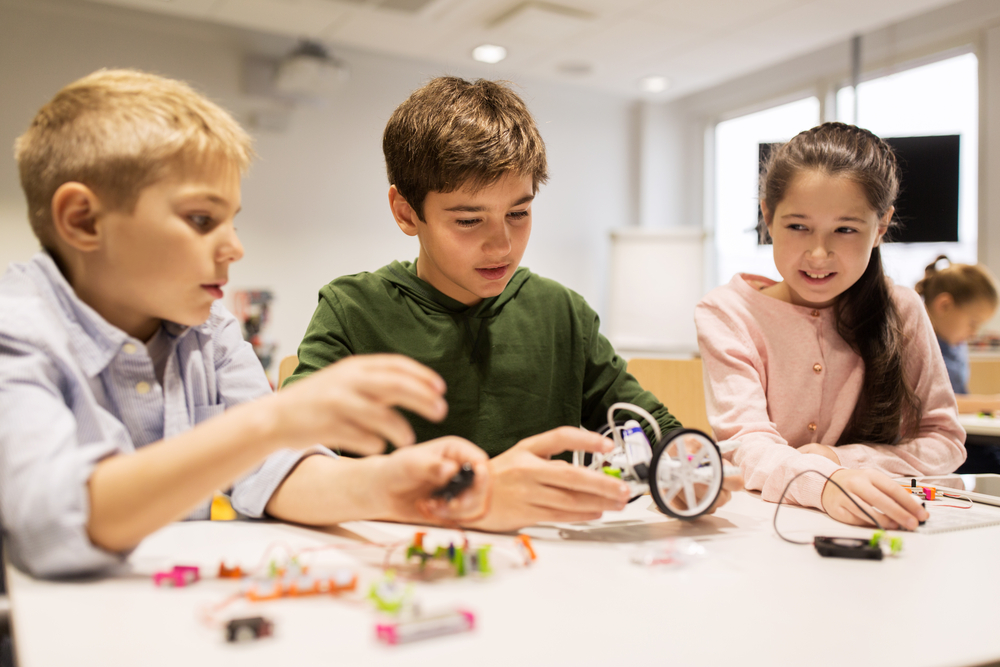
Understanding patterns is foundational for the cognitive development of 3-year-olds and is crucial for both early academic success and general intellectual growth. At such a young age, engaging with patterns helps children develop critical thinking and problem-solving skills. Patterns allow children to make predictions, understand sequences, and form logical connections, which are vital building blocks for more advanced mathematical concepts.
Recognizing and creating patterns boost children's ability to observe and articulate relationships, enhancing their vocabulary and communication skills. These activities also strengthen memory and improve attention to detail, which are essential skills not just for mathematics but for learning in general.
Moreover, understanding patterns in math lays the groundwork for algebraic thinking. Skills like recognizing sequences, categorizing, and understanding cause and effect are aligned with the basic principles of algebra. When a child encounters more complex mathematical operations later on, a solid grasp of patterns will make these new concepts more intuitive and less intimidating.
For teachers and parents, facilitating pattern recognition is also a way to make learning interactive and fun, which encourages a lifelong interest in mathematics and other STEM areas. Activities that involve sorting objects by color, shape, size, or creating rhythmic sequences with music or movement can turn abstract concepts into tangible, enjoyable experiences.
Thus, investing time in helping 3-year-olds understand patterns not only prepares them for future academic success but also nurtures their overall cognitive abilities.








