
Underwater animal identification Math Worksheets for 3-Year-Olds
3 filtered results
Difficulty Level
Grade
Age
-
From - To
Subject
Activity
Standards
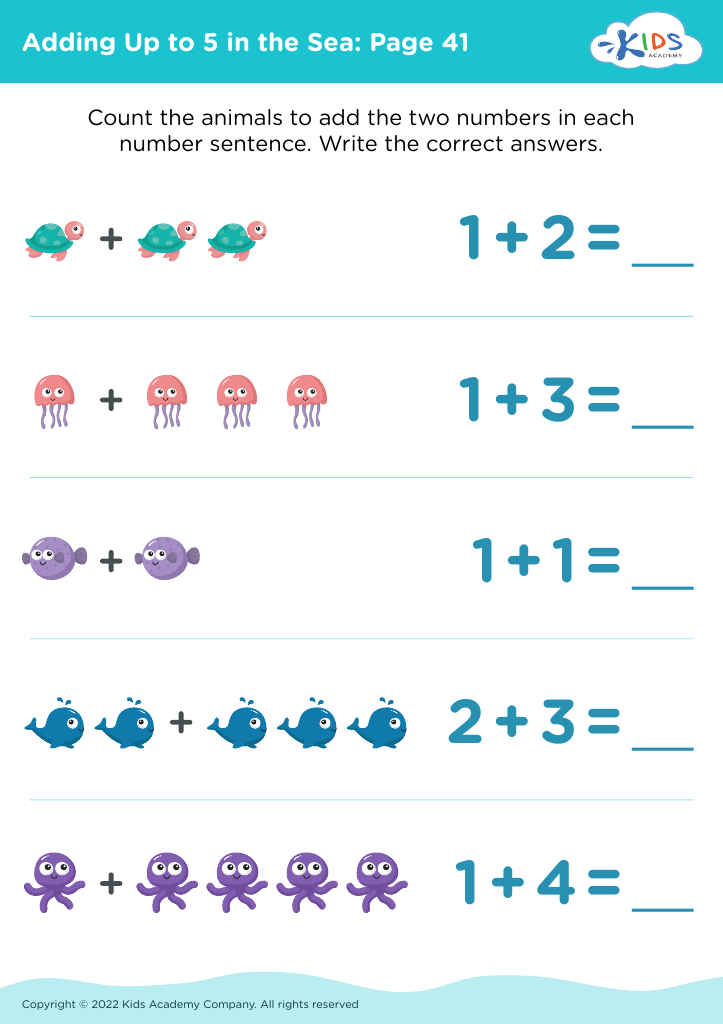
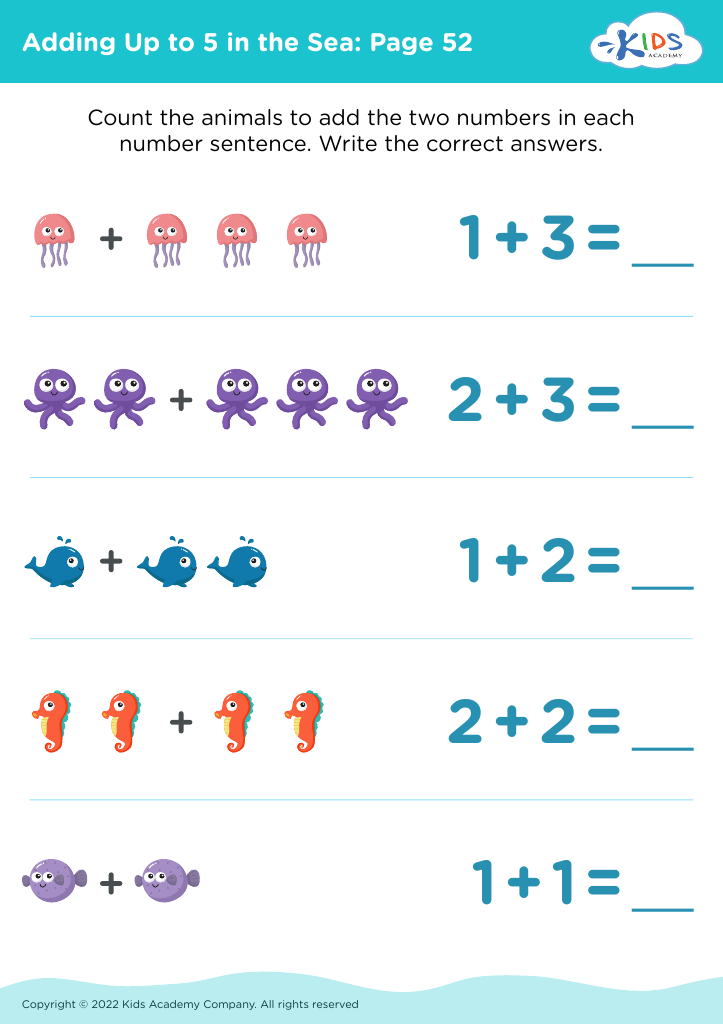
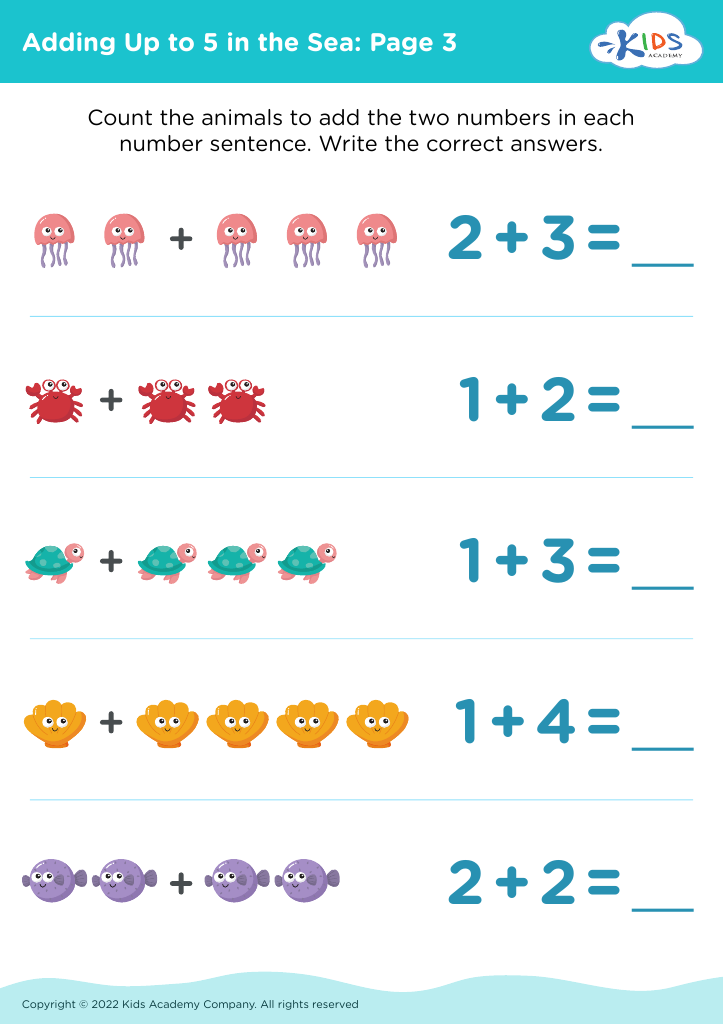
Dive into learning with our Underwater Animal Identification Math Worksheets for 3-Year-Olds! Designed to engage young learners, these worksheets incorporate vibrant illustrations of various underwater creatures, making learning fun and interactive. Kids will enhance their counting, matching, and sorting skills while exploring the fascinating world beneath the waves. Each worksheet features age-appropriate activities that promote early math competencies, encouraging children to identify different animals while developing cognitive skills. Perfect for at-home learning or preschool classrooms, our resources will spark curiosity and inspire a love for both math and marine life. Let’s embark on a thrilling underwater adventure of discovery and learning!
Favorites
With answer key
Interactive
Join Kids Academy for Free
Who is primarily going to use this learning content?






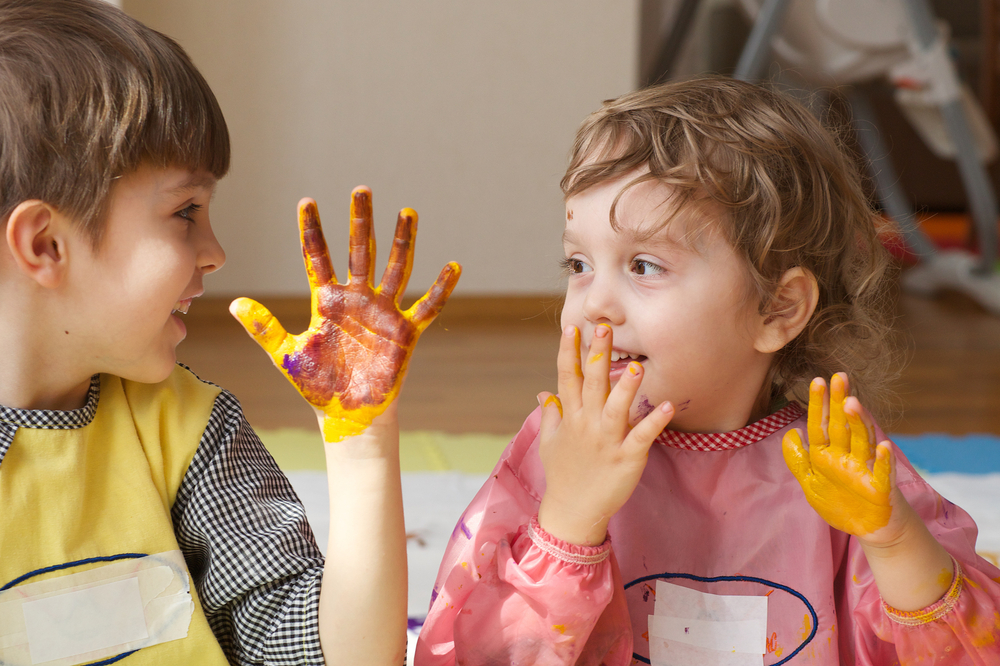

Parents and teachers should care about underwater animal identification math for 3-year-olds because it combines foundational math skills with important early learning in life science. At this age, children are naturally curious, eager to explore the world around them. Teaching them to identify underwater animals not only satisfies their curiosity but also enhances their observation and critical thinking skills.
Incorporating math into this learning can be done through counting animals, comparing sizes, and exploring simple patterns based on colors or shapes of different species. This multisensory approach helps solidify early numeracy skills while nurturing a love for nature and marine biology. Moreover, it promotes language development as children label and describe the animals, connecting words with images.
Engaging in identifying underwater creatures facilitates bonding time between parents, teachers, and children, as such activities can often be integrated during play or outdoor learning sessions. Ultimately, by fostering an understanding of underwater ecosystems and animal identification at such a young age, we are instilling values of environmental stewardship, curiosity, and a solid foundation in both math and science—essential building blocks for their future education. Encouraging enthusiasm for learning can create lifelong positive attitudes toward education in general.








