
Visual comprehension Math Worksheets for 3-Year-Olds
7 filtered results
Difficulty Level
Grade
Age
-
From - To
Subject
Activity
Standards
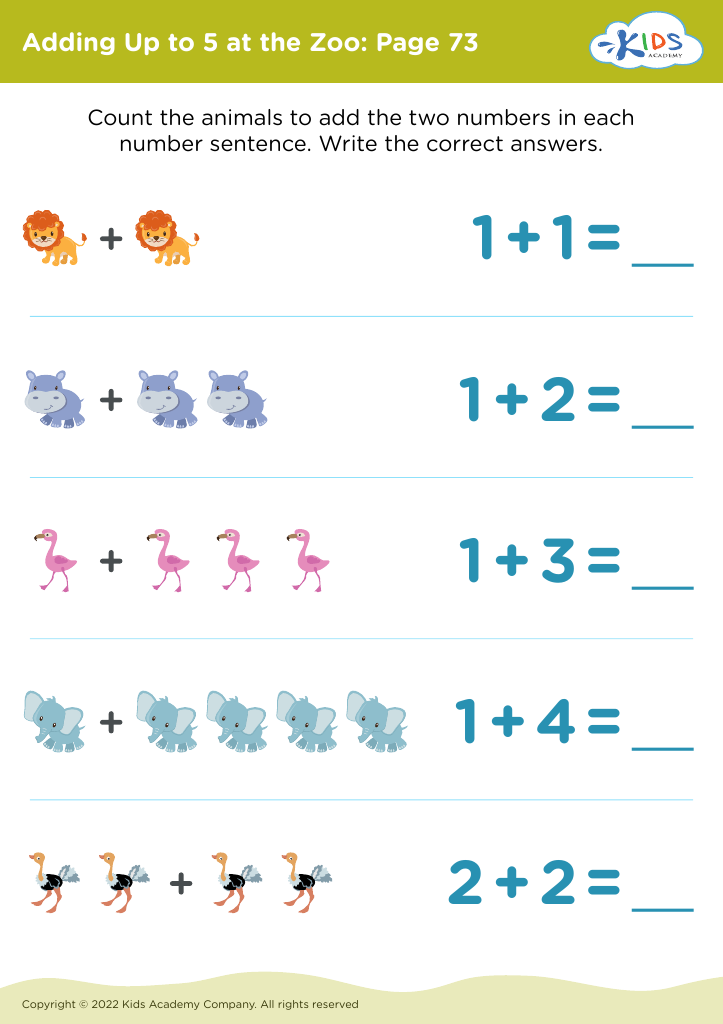
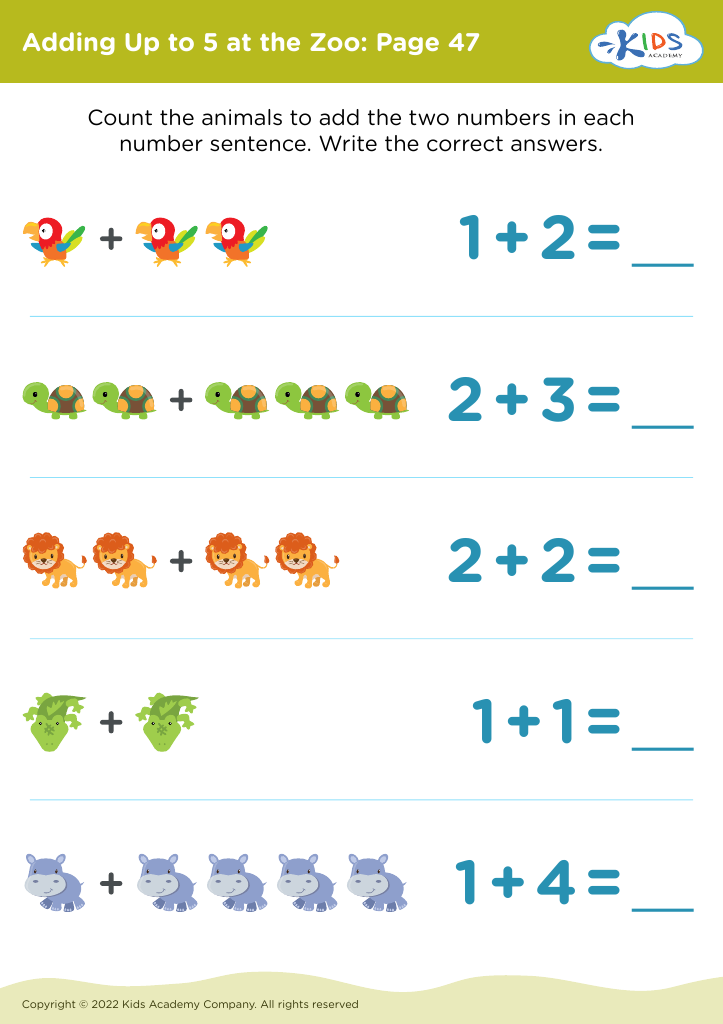
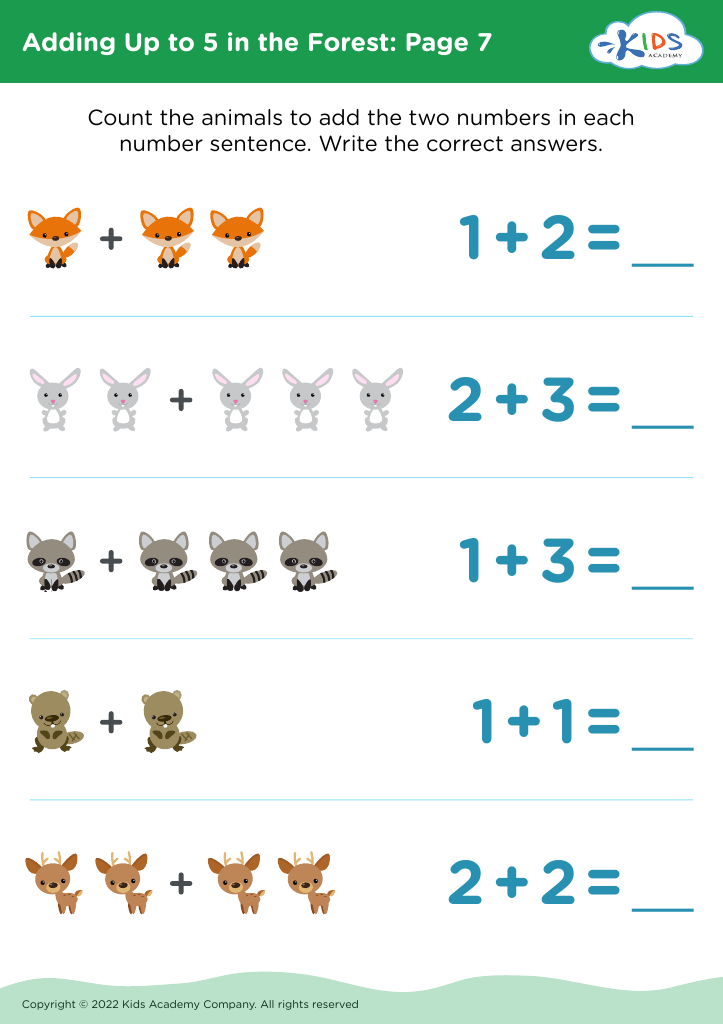
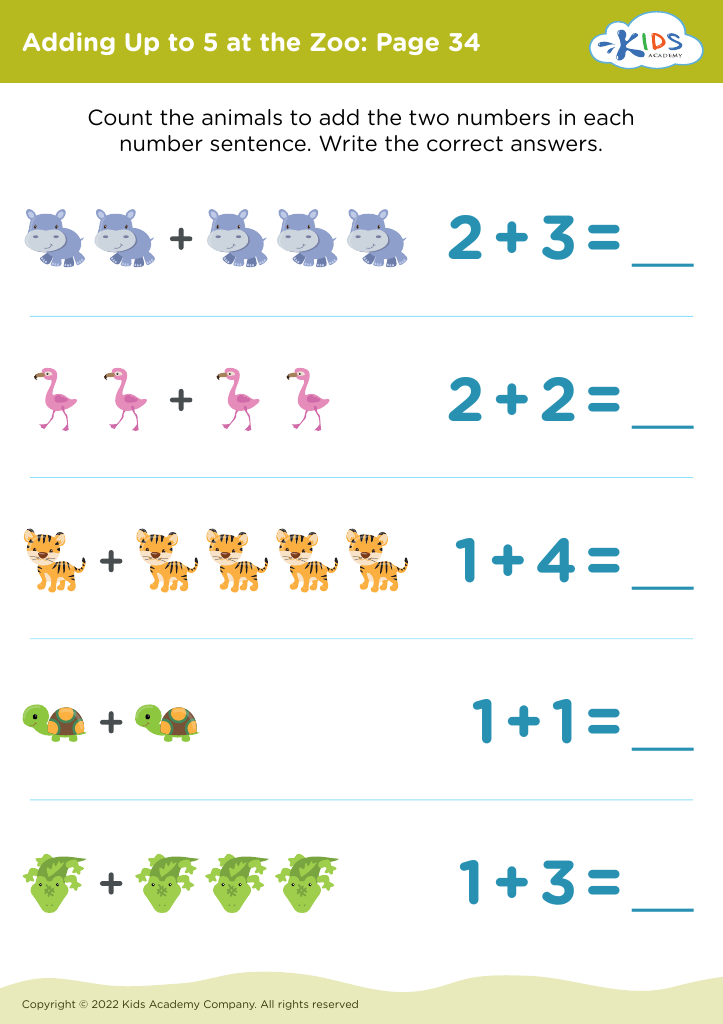
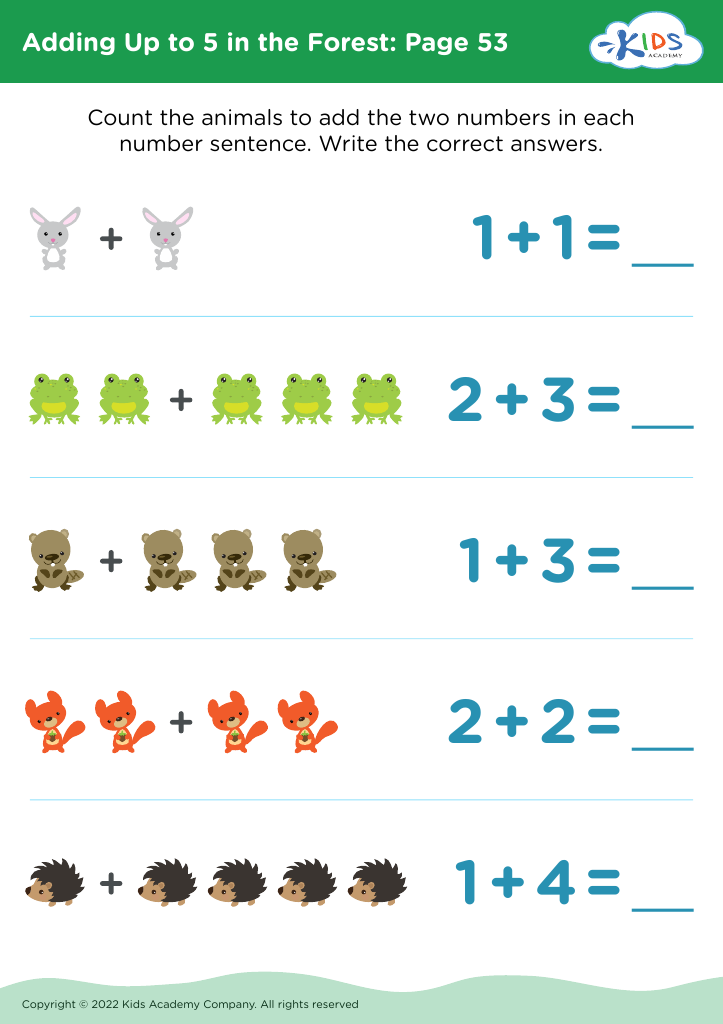
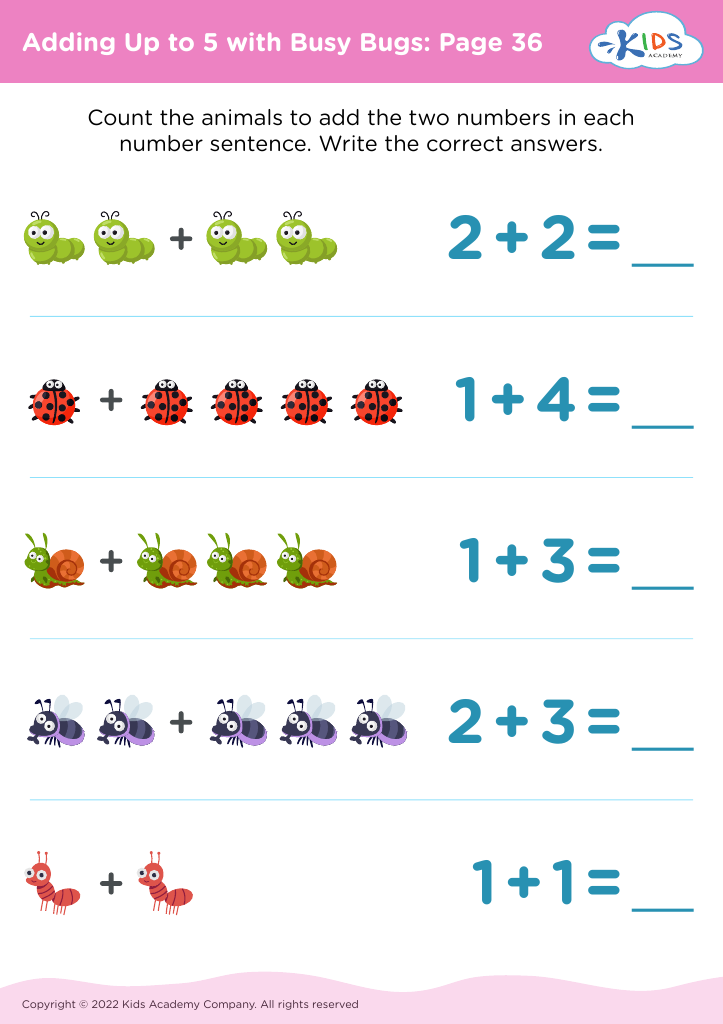
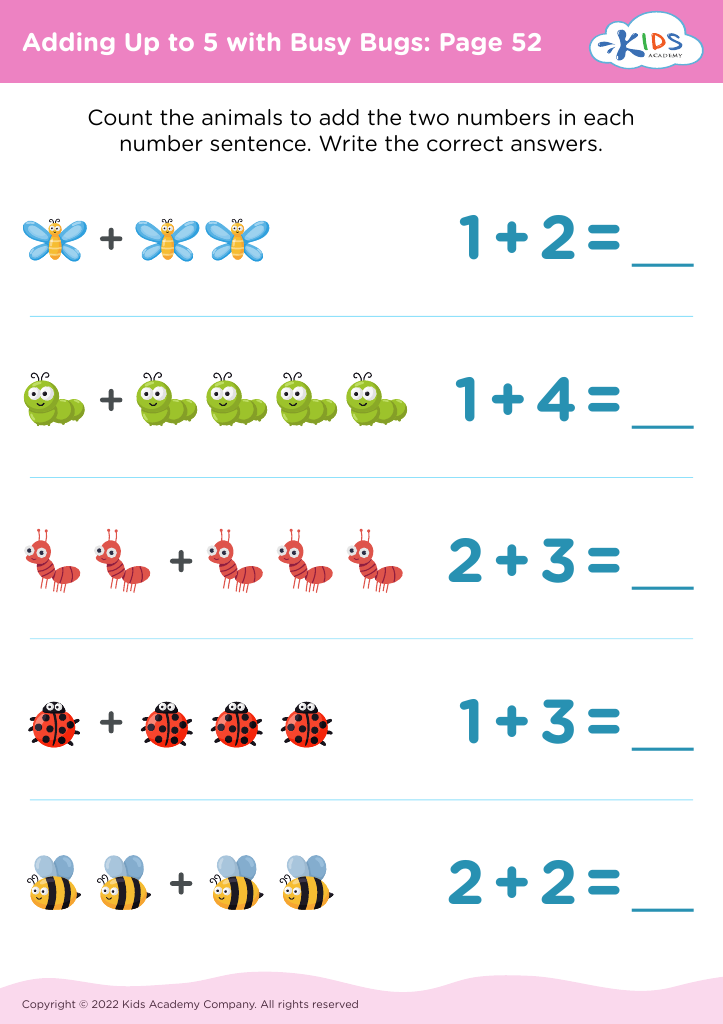
Welcome to our engaging Visual Comprehension Math Worksheets for 3-Year-Olds! Designed to enhance early math skills, these worksheets offer a fun and interactive way for young learners to understand basic concepts through visual aids. Each worksheet is tailored to captivate your child’s imagination while fostering critical thinking and comprehension. Activities focus on identifying shapes, counting objects, and connecting visuals with numbers, ensuring a solid foundation in math. With colorful graphics and age-appropriate challenges, these worksheets are perfect for reinforcing learning at home or in preschool settings. Start your child’s mathematical journey today with our exciting resources!
Favorites
With answer key
Interactive
Join Kids Academy for Free
Who is primarily going to use this learning content?


.jpg)





Visual comprehension in math is essential for 3-year-olds, as it lays the groundwork for future learning. At this age, children are naturally curious and absorb information rapidly through visual experiences. By focusing on visual comprehension in math, parents and teachers can help cultivate their understanding of mathematical concepts, such as shapes, patterns, and spatial relationships.
When children engage with visual aids, like blocks or drawings, they can better recognize and manipulate these concepts, making math more approachable and fun. Visual learning fosters critical thinking skills, allowing children to solve problems and develop logic at an early age.
Furthermore, strong visual comprehension can enhance language development as children learn to articulate their thoughts about sizes, numbers, and locations. It builds confidence, as they see their own progress in understanding math concepts.
Encouraging early visual comprehension also promotes a positive attitude toward math, reducing future anxiety around the subject. Thus, prioritizing visual comprehension in math for preschoolers is not just beneficial; it’s vital for their cognitive growth and preparedness for more advanced mathematical challenges as they mature. Educators and parents play a crucial role in guiding this foundational learning phase.








