Visual-motor skills Math Worksheets for 3-Year-Olds
3 filtered results
-
From - To
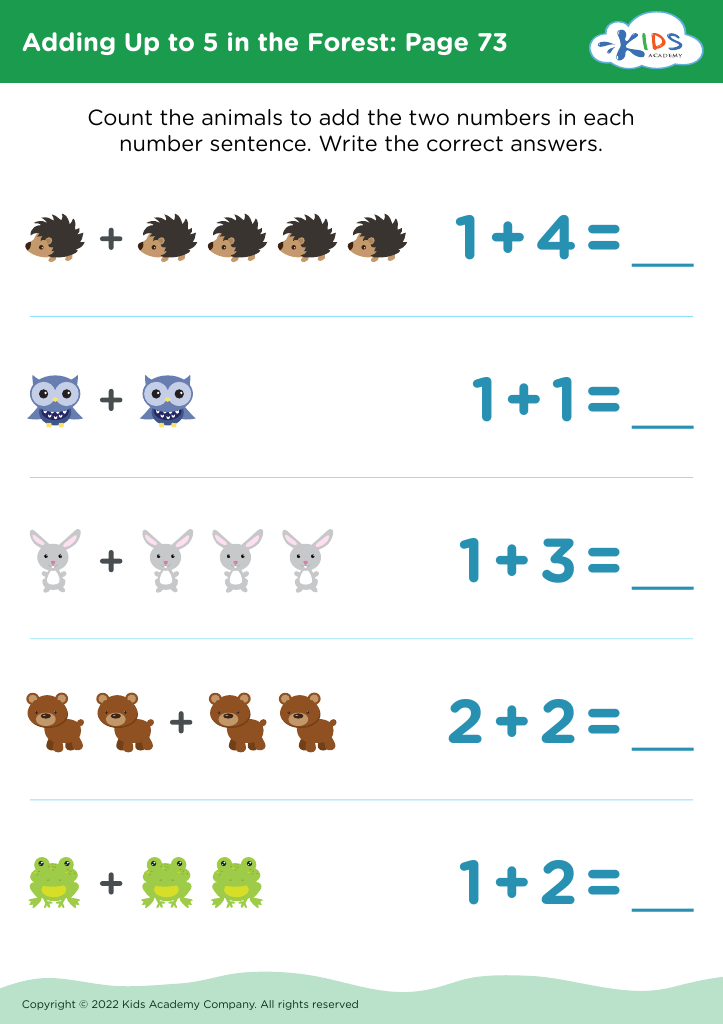
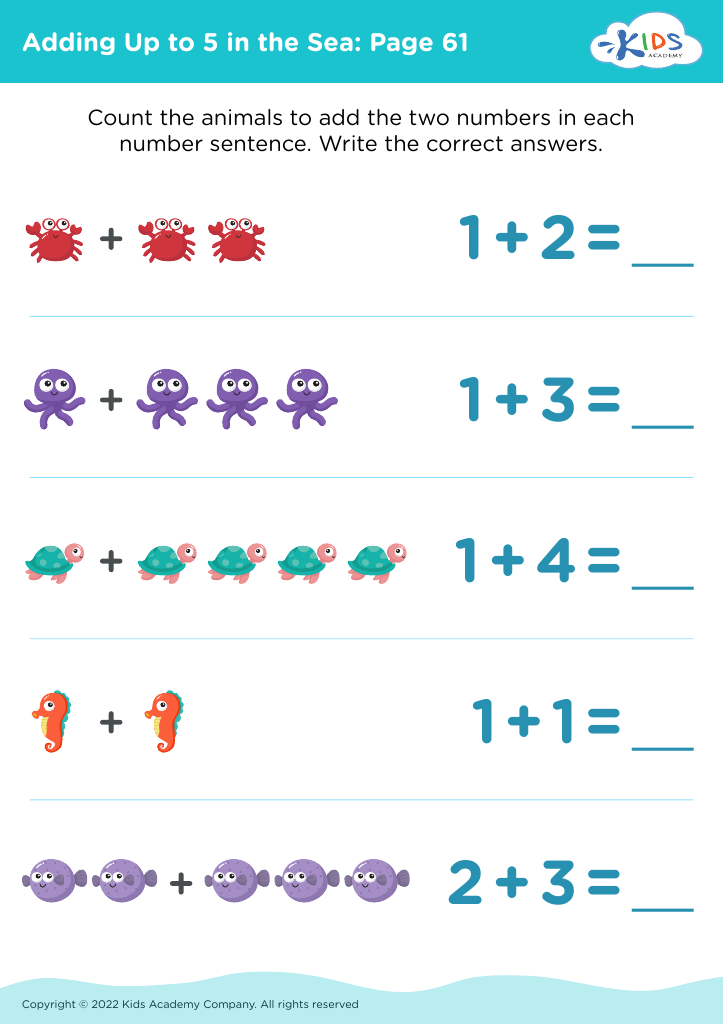
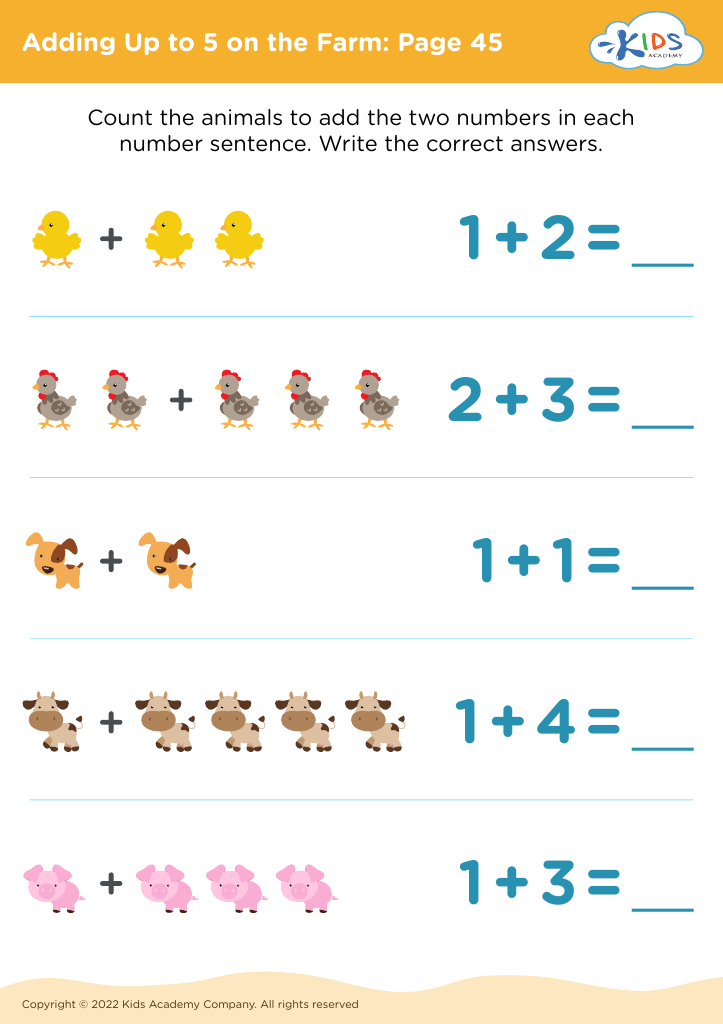
Enhance your 3-year-old's learning journey with our Visual-Motor Skills Math Worksheets! Designed to develop essential visual-spatial skills, these worksheets combine fun and learning, making math engaging for your little one. Kids will practice recognizing shapes, following patterns, and completing dynamic visual tasks that strengthen fine motor skills. Our colorful and interactive activities not only promote cognitive development but also build confidence in young learners. Perfect for home or classroom use, these worksheets encourage creativity and mental agility while introducing foundational math concepts in a playful way. Download now and watch your child explore the exciting world of numbers!






Visual-motor skills are essential for young children as they build the foundation for crucial math skills in later years. For 3-year-olds, the ability to integrate visual input with motor actions supports their early mathematical understanding. These skills enable children to manipulate objects, recognize shapes, and understand spatial relationships—core concepts in mathematics.
Developing visual-motor skills at this age enhances problem-solving abilities and instills confidence in tackling math-related tasks. When children engage in activities such as stacking blocks, drawing shapes, or completing puzzles, they practice coordination between what they see and how they move. This integration not only fosters dexterity but also improves cognitive processes essential for math, such as pattern recognition and spatial awareness.
Parents and teachers should care because early focus on these skills can significantly influence a child's academic trajectory. Interventions and play strategies that promote visual-motor development can lay the groundwork for future success in more complex math concepts. By nurturing these skills now, caregivers help children build a robust foundation for curiosity and enthusiasm toward mathematics, ensuring they approach challenges with confidence as they continue their educational journey.








