Hand-eye Coordination Numbers 0–10 Worksheets for 3-Year-Olds
13 filtered results
-
From - To
Our "Hand-eye Coordination Numbers 0–10 Worksheets for 3-Year-Olds" are designed to make learning fun and engaging for young learners. These thoughtfully crafted worksheets help children develop essential skills by tracing, matching, and counting numbers from 0 to 10. By combining educational content with enjoyable activities, these printables foster strong hand-eye coordination, improve fine motor skills, and lay a solid foundation for early math proficiency. Perfect for use at home or in the classroom, our worksheets support children’s growth and confidence as they explore the world of numbers. Let learning be exciting with hands-on practice and playful interaction!
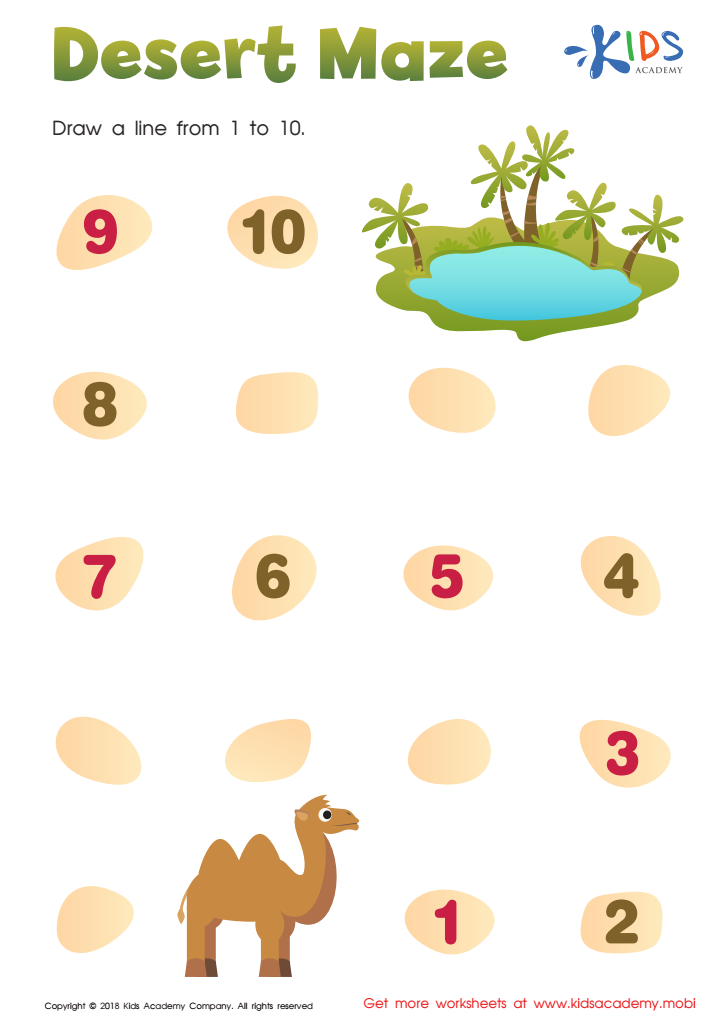
Desert Maze Worksheet
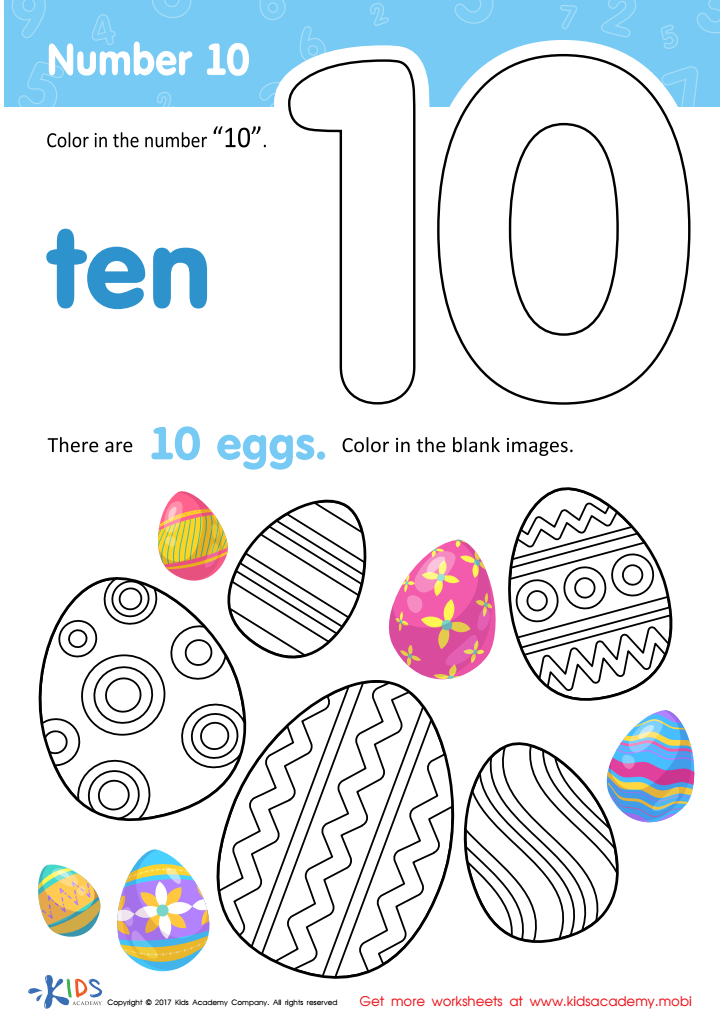
Number 10 Printable
 Assign to My Students
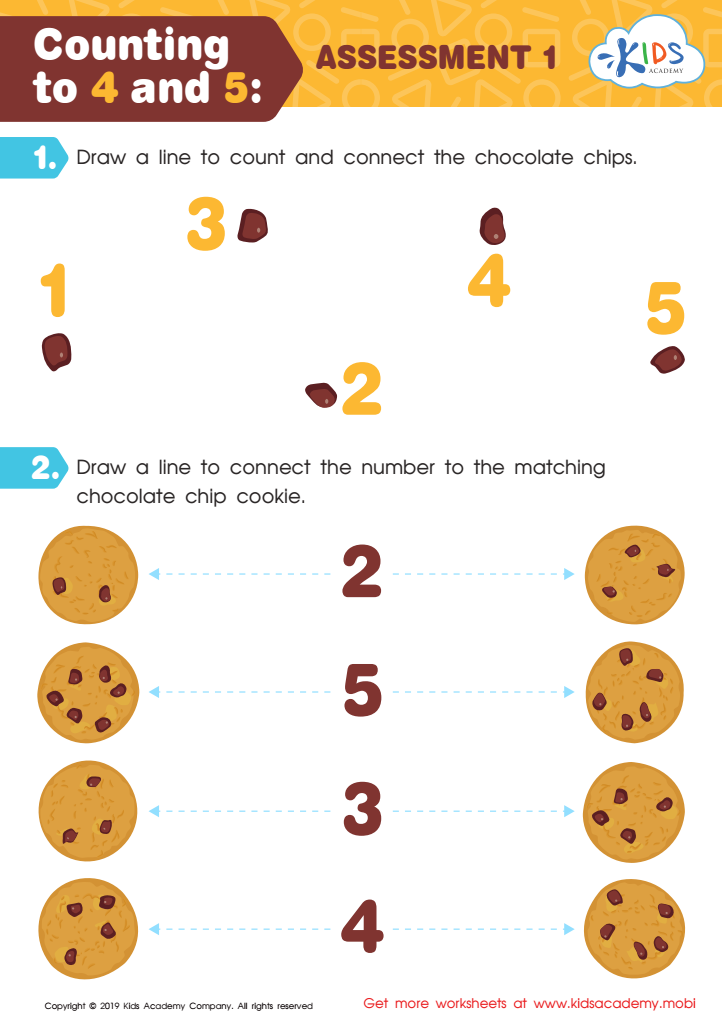
Counting to 4 and 5: Assessment 1 Worksheet
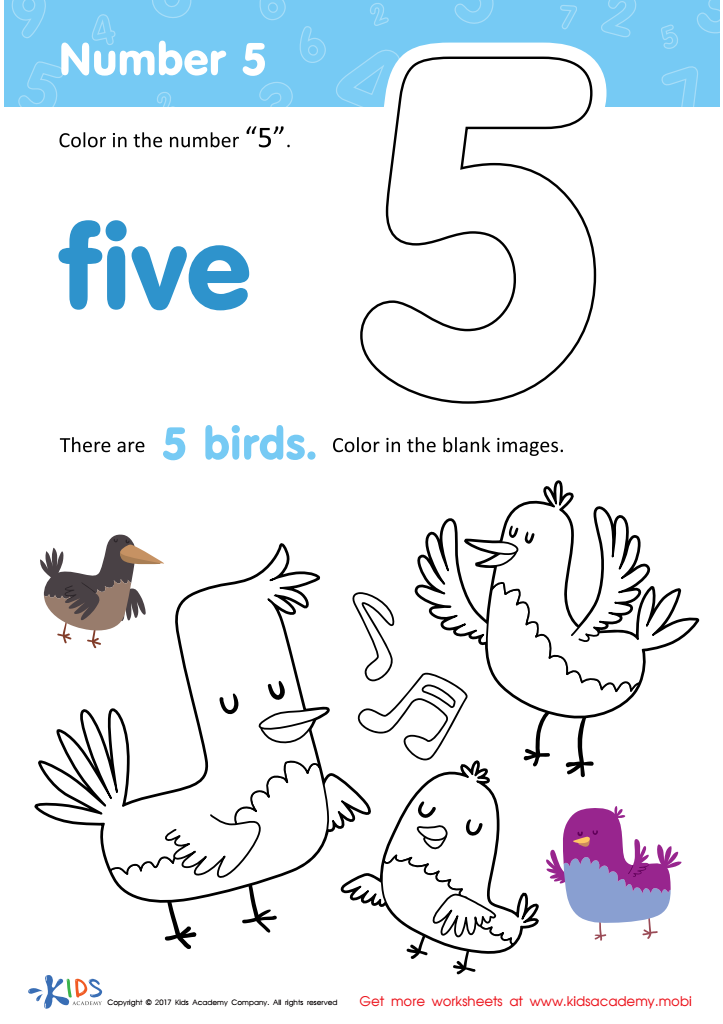
Number 5 Printable
Assign to My Students
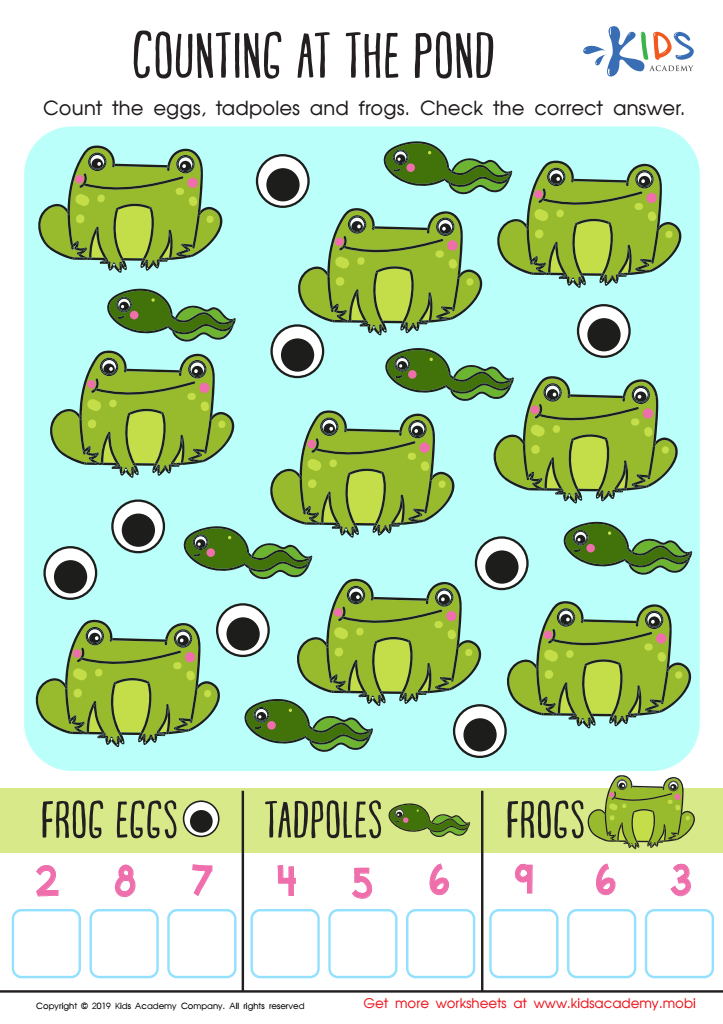
Counting at the Pond Worksheet
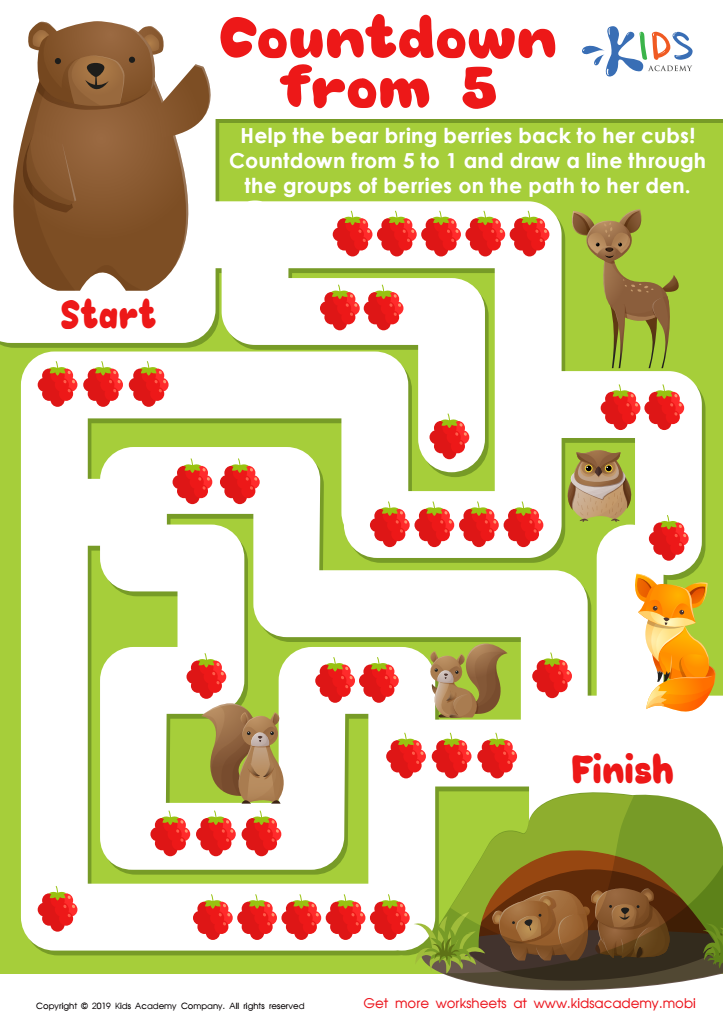
Countdown from 5 Worksheet
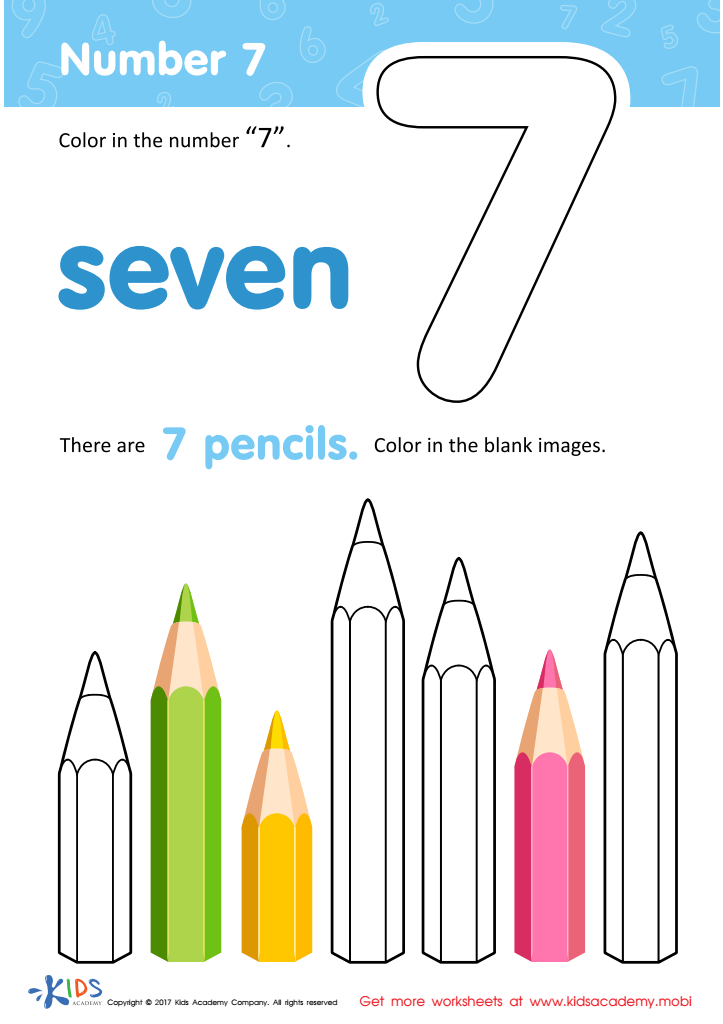
Number 7 Worksheet
Assign to My Students
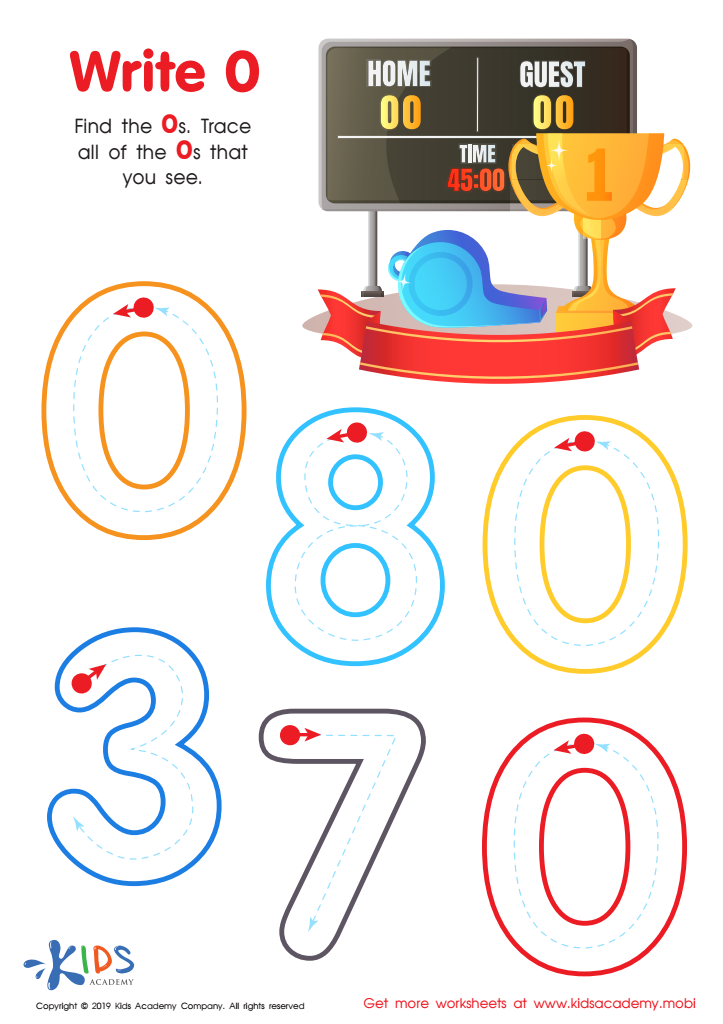
Write 0 Worksheet
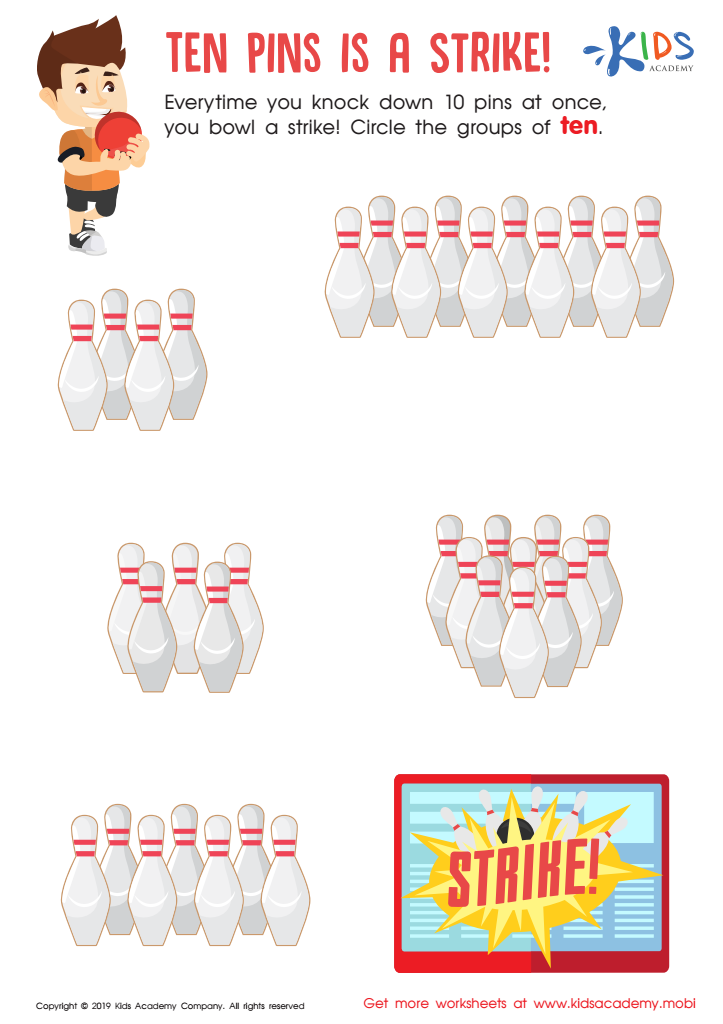
Ten Pins is a Strike Worksheet
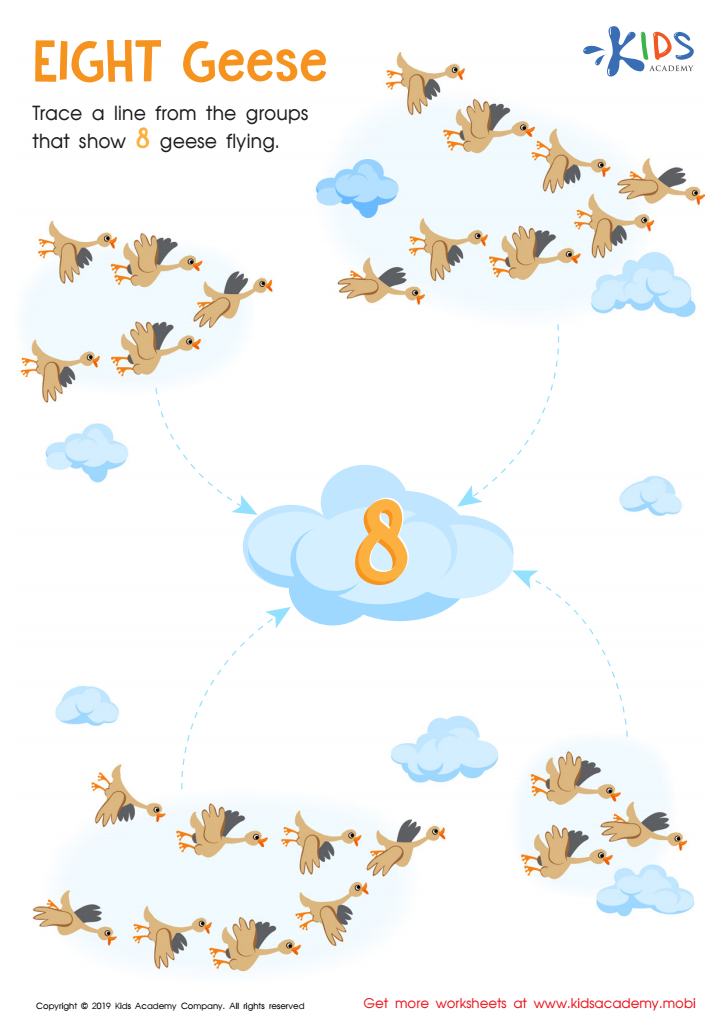
Eight Geese Worksheet
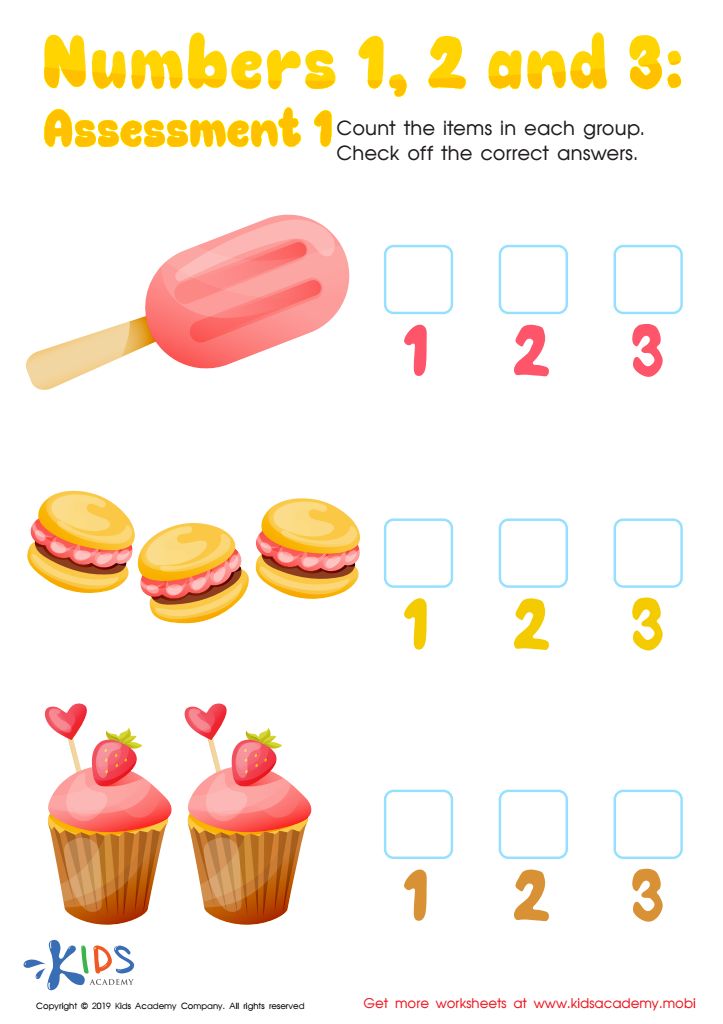
Numbers 1, 2 and 3: Assessment 1 Worksheet
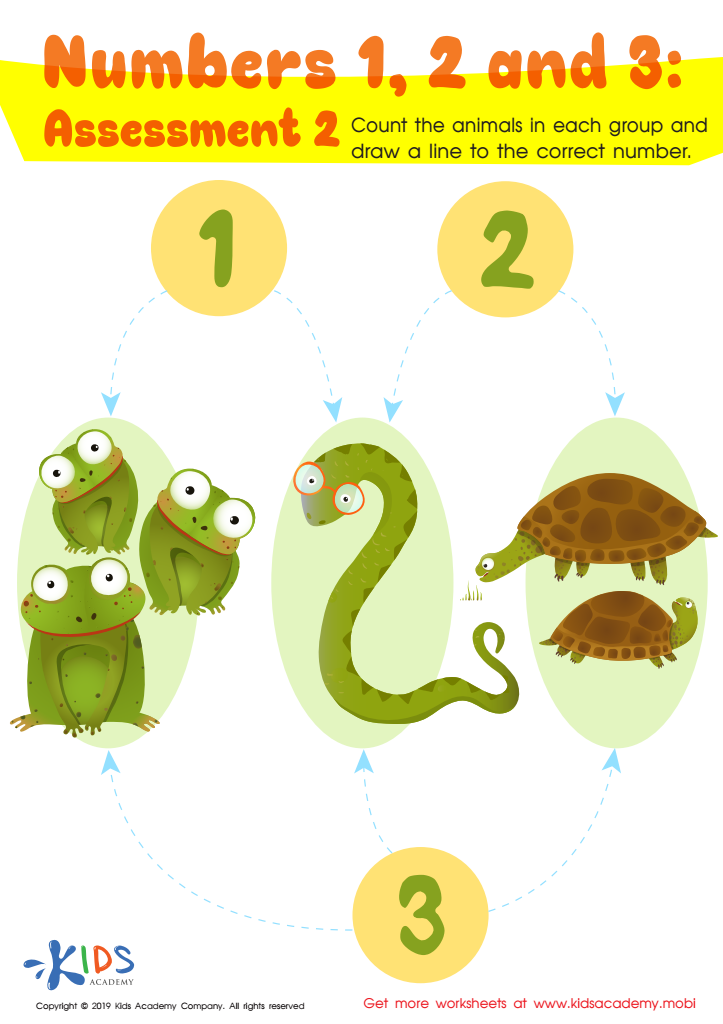
Numbers 1, 2 and 3: Assessment 2 Worksheet
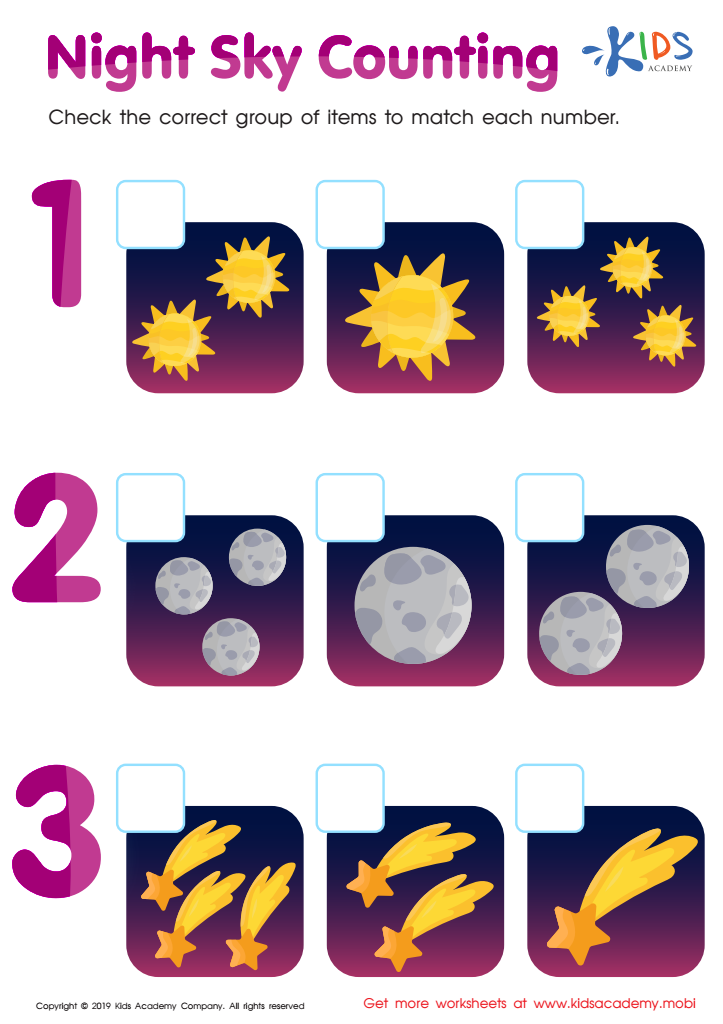
Night Sky Counting Worksheet








Parents and teachers should care about hand-eye coordination numbers 0-10 for 3-year-olds because this skill is fundamental to early childhood development. Hand-eye coordination is the ability to track moving objects with the eyes and accurately direct the hands to accomplish a specific task. In the context of learning numbers, activities that combine visual tracking (seeing numbers) with manual dexterity (writing or pointing to numbers) reinforce cognitive and motor skills that are essential for overall development.
Improved hand-eye coordination in counting helps children to understand numerical concepts more concretely. For 3-year-olds, this involves recognizing numbers, physically pointing them out, and eventually drawing them. Such activities strengthen neural pathways that contribute to math readiness and visual-motor integration, crucial for more complex tasks they'll encounter in cognitive and physical domains.
Furthermore, engaging in number-based coordination activities fosters patience, concentration, and problem-solving. Simple exercises like sorting number cards, stringing beads with numbers, or drawing numbers in sand improve fine motor skills, which are necessary for writing and other academic tasks.
In summary, focusing on hand-eye coordination with numbers provides a multi-dimensional foundation that promotes cognitive growth, fine motor development, and sets the stage for future academic success. Parents and teachers can guide children through playful learning, ensuring these foundational skills are well established during a critical period of growth.








