Cognitive Development Building Vocabulary Worksheets for 3-Year-Olds
6 filtered results
-
From - To
Unlock your child’s potential with our Cognitive Development Building Vocabulary Worksheets for 3-Year-Olds. Tailored to enhance early learning, these engaging worksheets support young minds in exploring new words and concepts through playful activities. Designed to foster language acquisition and improve cognitive skills, each worksheet combines fun illustrations with interactive tasks to captivate and educate. Watch as your child enjoys the world of words, gaining confidence and developing crucial foundational skills for future success. Perfect for parents and educators, our expertly crafted resources create the ideal learning environment for joyful and effective vocabulary building.
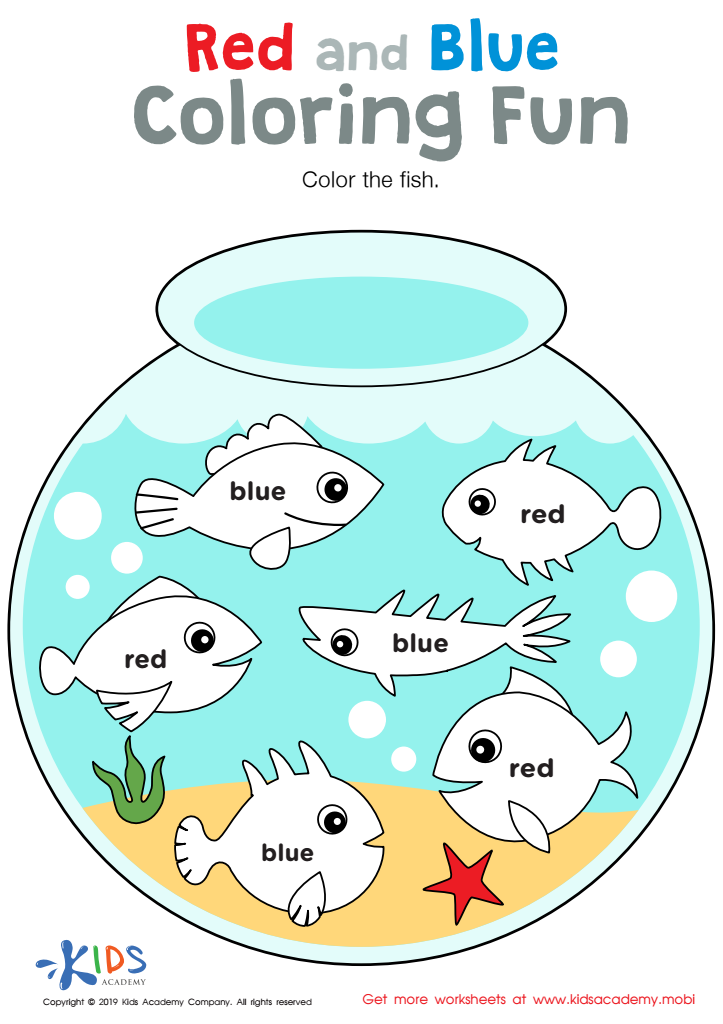
Red and Blue Coloring Fun Worksheet
 Assign to My Students











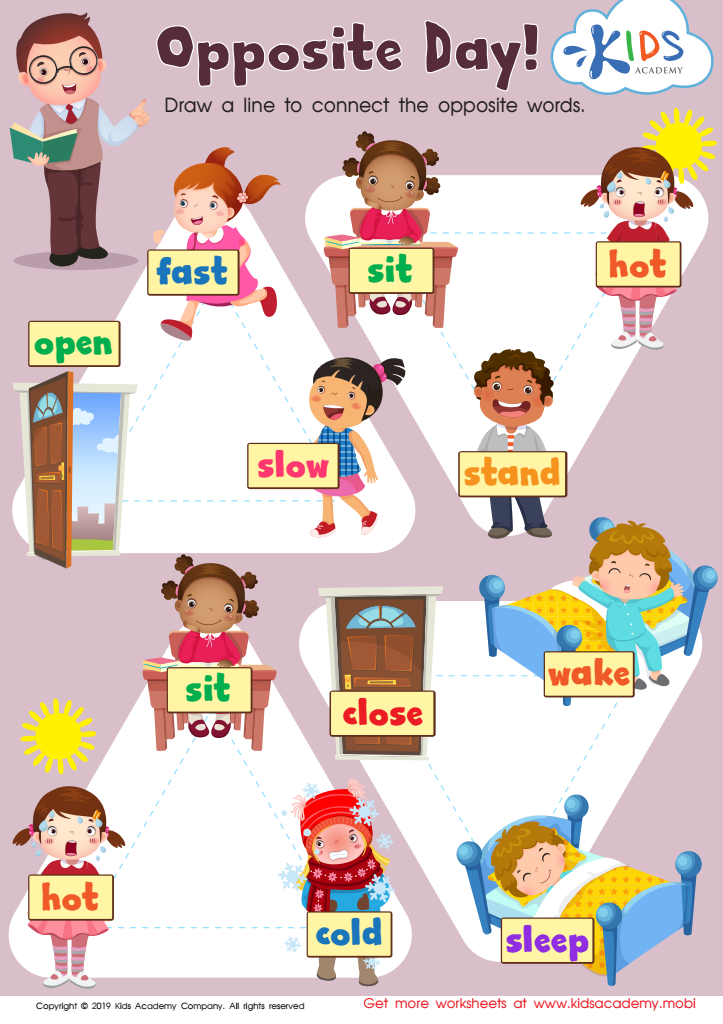
Opposite Day Worksheet
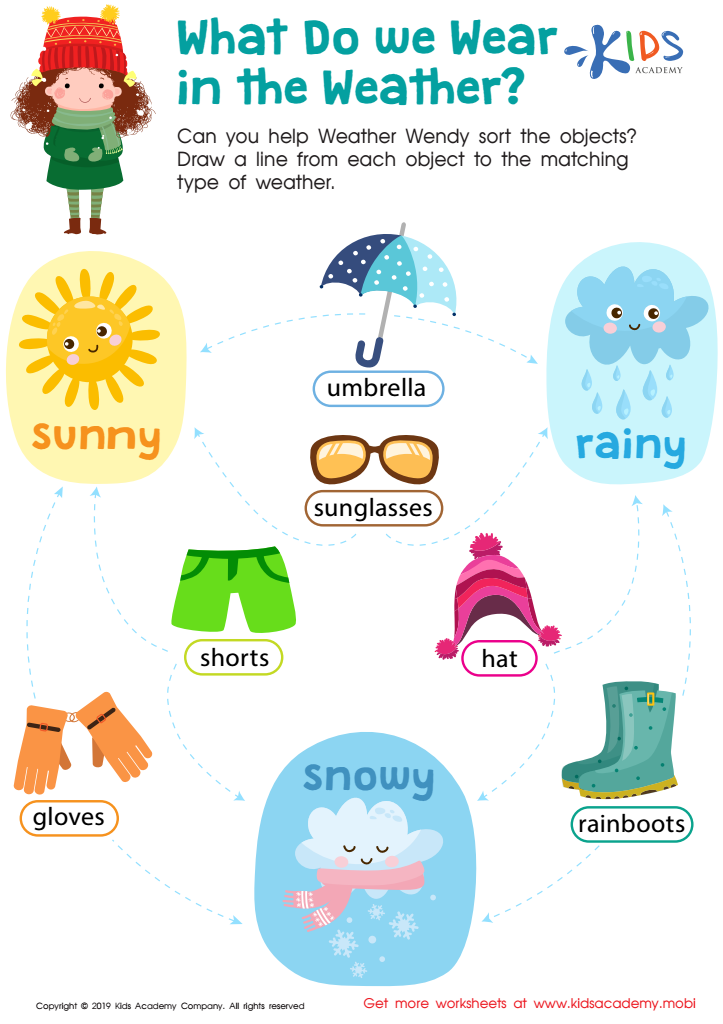
What Do We Wear in the Weather? Worksheet
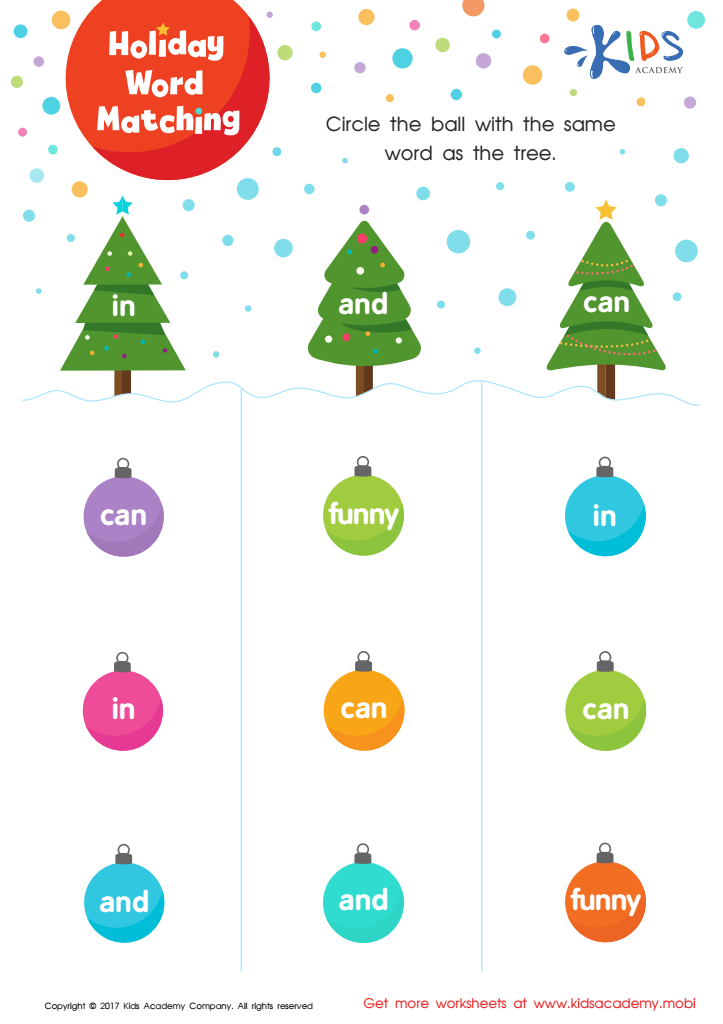
Holiday Word Matching Worksheet
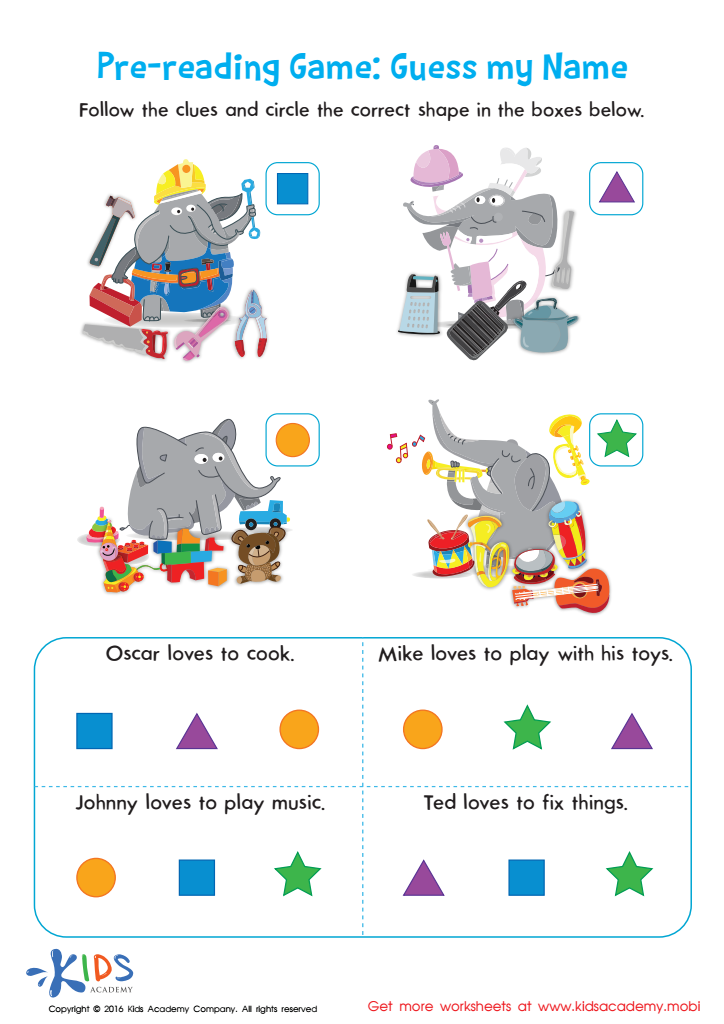
Pre Reading Worksheet Guess My Name
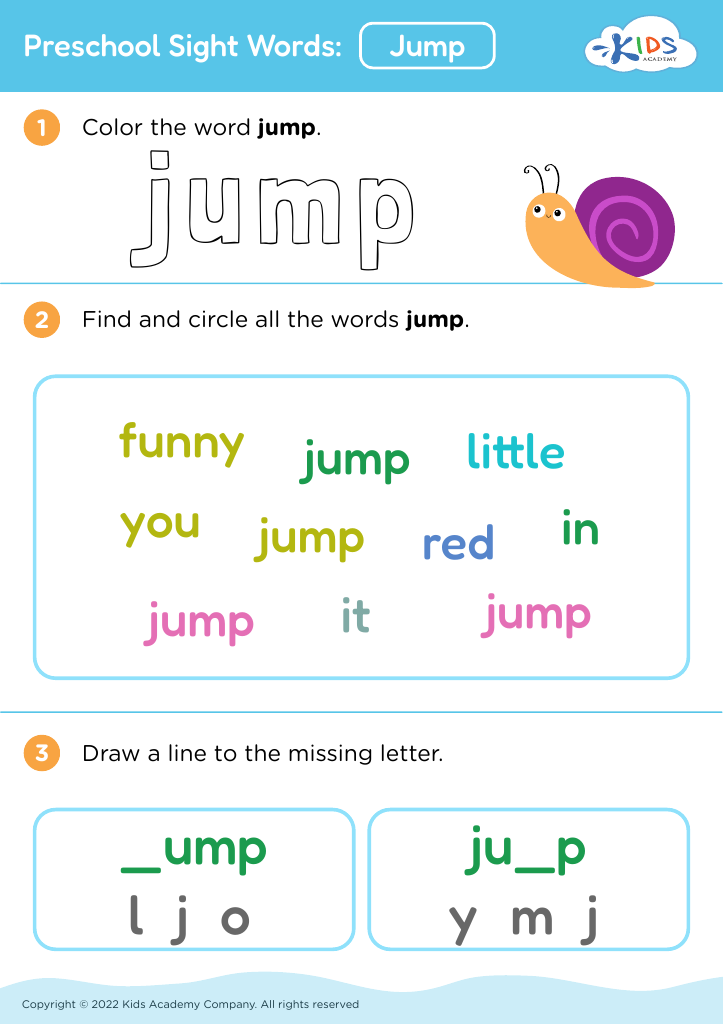








Cognitive development and vocabulary building are crucial for 3-year-olds as they lay the foundation for future learning and academic success. At this age, children's brains are highly receptive to new information and experiences, which makes it an optimal time for development in language skills. Vocabulary is not just about learning new words; it's about understanding concepts, developing communication skills, and enhancing cognitive abilities such as memory, attention, and problem-solving.
When parents and teachers actively engage in vocabulary building, they are helping children to develop a rich language base that facilitates better comprehension and expression. This, in turn, enhances their ability to interact socially, follow instructions, and express their thoughts and emotions clearly. A strong vocabulary also supports early literacy, as children become better equipped to decode words and understand stories.
Furthermore, cognitive development through vocabulary building influences neural development. Interactive activities like reading stories, singing songs, and engaging in conversations provide the stimuli necessary for synaptic growth and brain plasticity. This ensures that as children grow, they have the cognitive tools necessary for more complex thinking and learning tasks.
In summary, focusing on vocabulary building for 3-year-olds sets the stage for academic achievement, social tolerance, and emotional intelligence. It's an investment that yields lifelong benefits.








