Following instructions Building Vocabulary Worksheets for 3-Year-Olds
5 filtered results
-
From - To
Our "Following Instructions Building Vocabulary Worksheets for 3-Year-Olds" are designed to spark curiosity and enhance language skills in your young learner. These engaging worksheets blend fun activities with focused tasks, helping children comprehend and follow verbal directions while expanding their vocabulary. Each worksheet is crafted to captivate toddlers’ imaginations with colorful visuals and interactive elements. Developed by education experts, these exercises foster essential pre-reading skills, fine motor development, and cognitive growth. Perfect for home or preschool, our worksheets support parents and educators in providing a strong foundation for future academic success. Discover the joy of learning today!
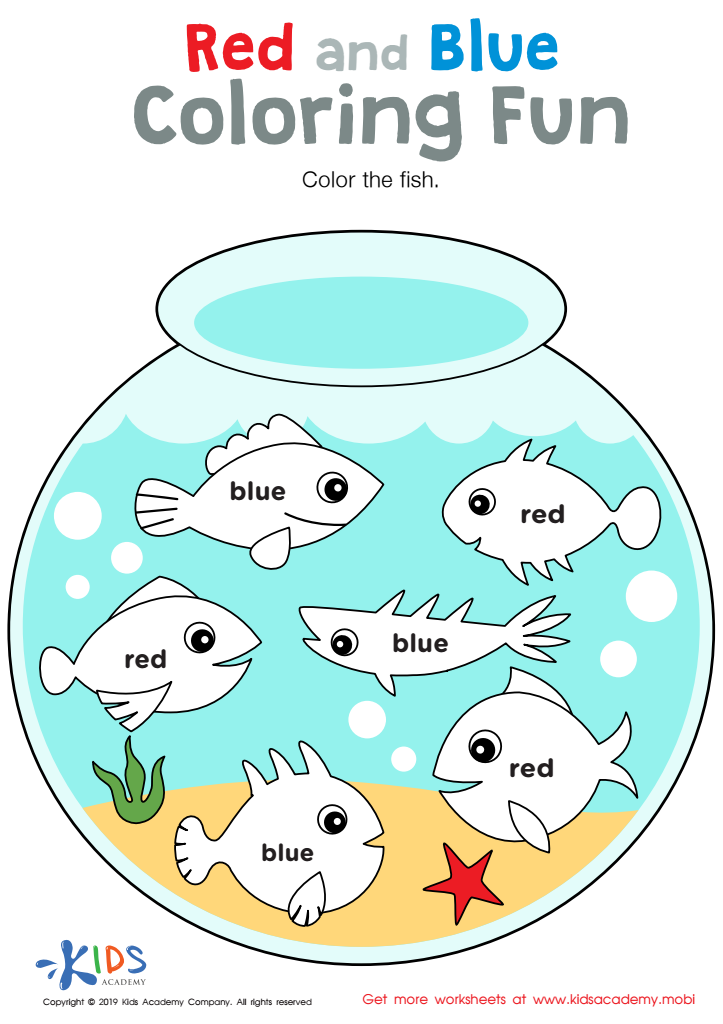
Red and Blue Coloring Fun Worksheet
 Assign to My Students











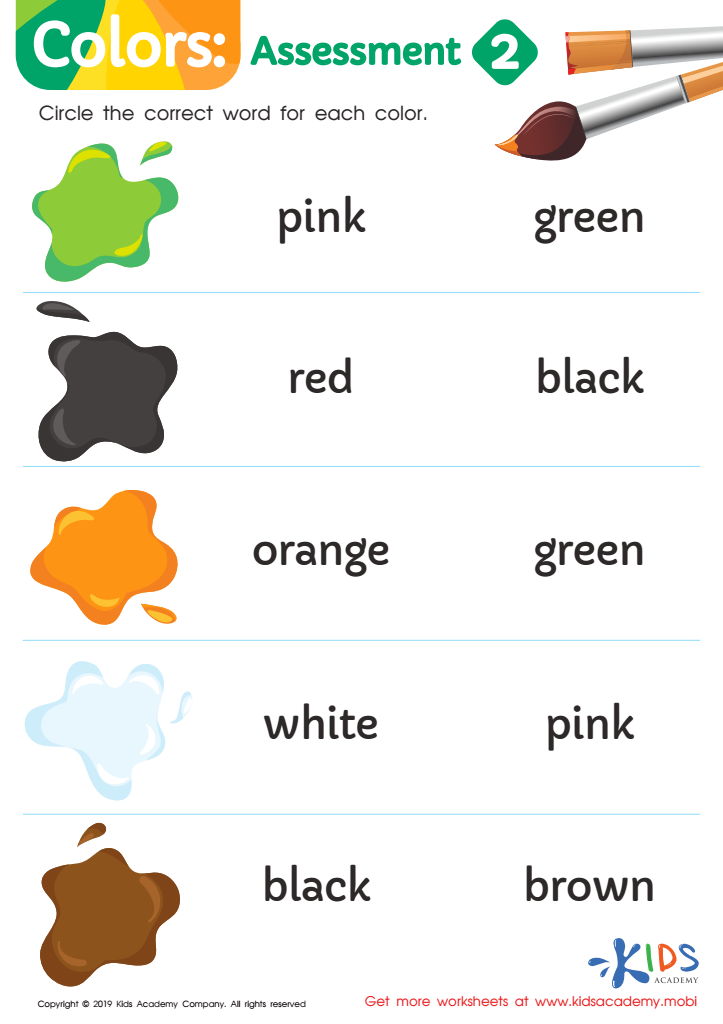
Colors: Assessment 2 Worksheet
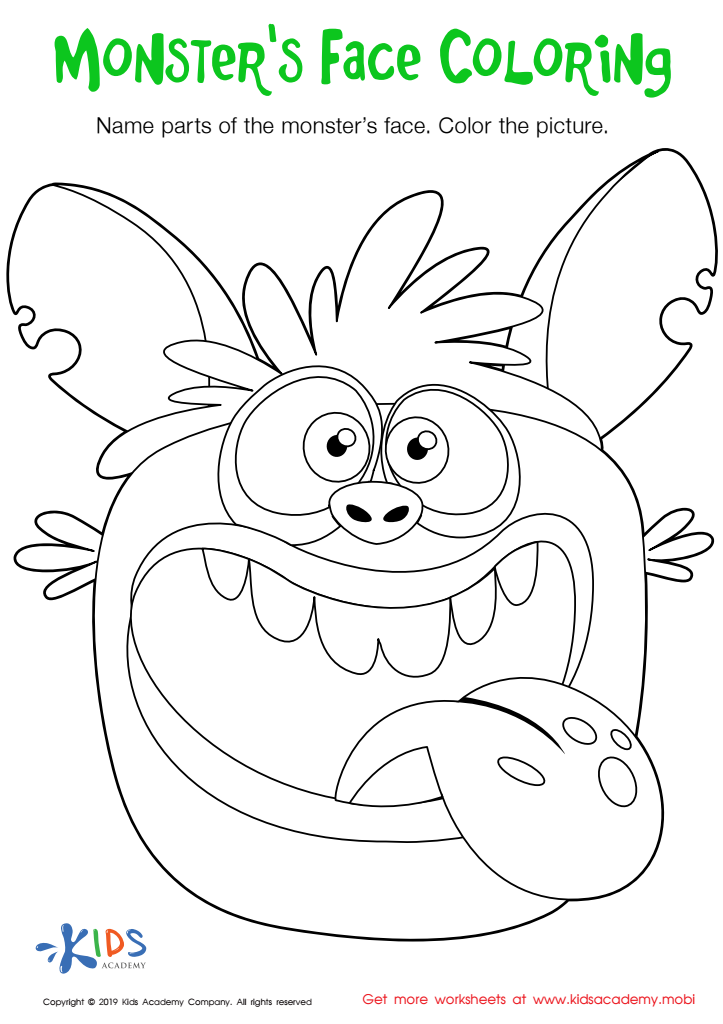
Monster's Face Coloring Worksheet
Assign to My Students
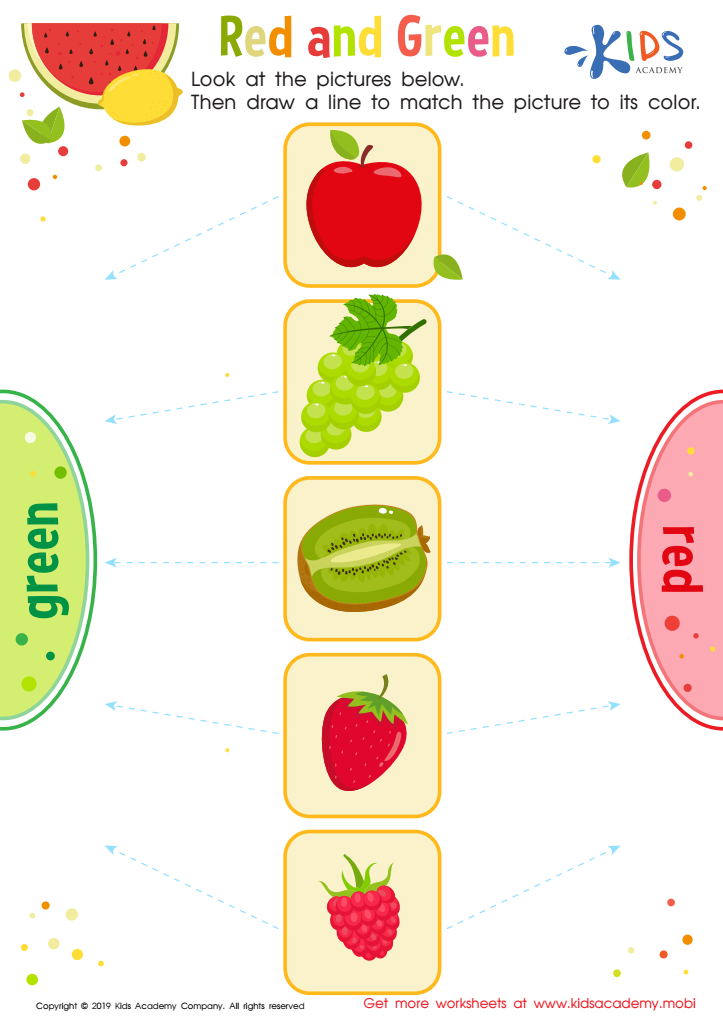
Red and Green Worksheet
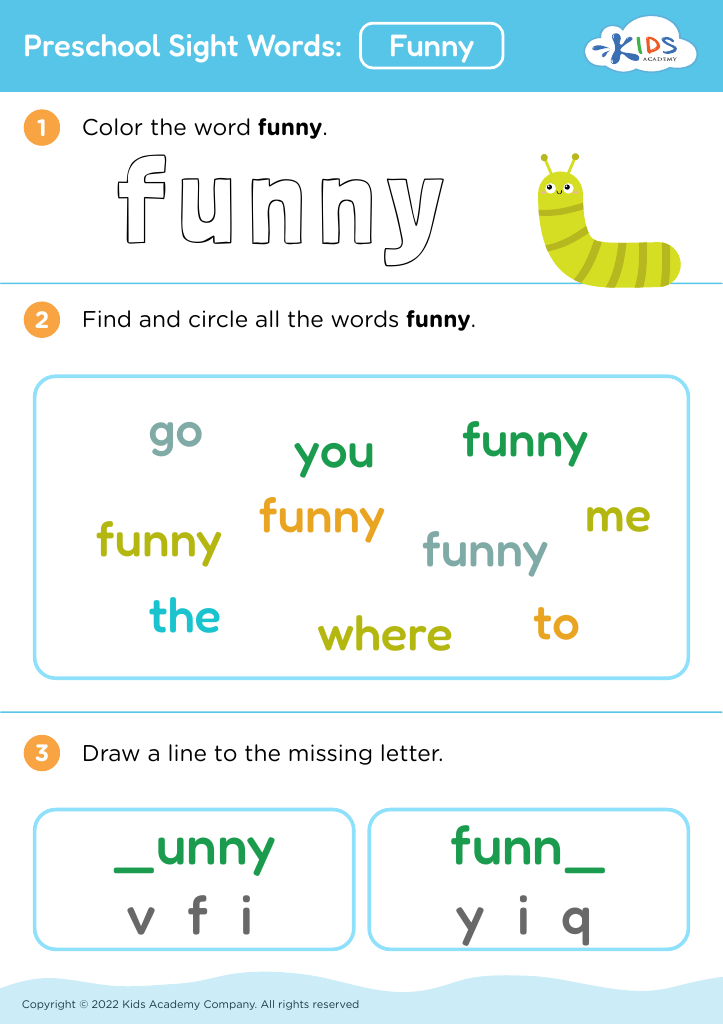








Parents and teachers should deeply value helping 3-year-olds follow instructions and build their vocabulary because these skills are foundational for lifelong learning and development.
Firstly, following instructions enhances a child’s ability to listen attentively, understand, and process information, which are critical skills not only in academic settings but also in daily life. When children learn to follow instructions, they are better equipped to participate in classroom activities, navigate routines, and achieve tasks independently, fostering a sense of responsibility and confidence.
Similarly, building a robust vocabulary at an early age significantly boosts a child's communication skills. With a rich vocabulary, children can express their thoughts, needs, and feelings more precisely and effectively, which is crucial for their emotional and social development. By acquiring new words, children also enhance their comprehension skills, enabling them to understand and engage more deeply with stories, conversations, and educational content.
Additionally, vocabulary growth and the ability to follow directions are closely tied to cognitive development. Challenging their minds with new words and instructions stimulates brain activity, improving memory, attention span, and problem-solving skills.
By nurturing these abilities in 3-year-olds, parents and teachers lay a strong foundation for future academic success and personal growth, equipping children with essential tools for navigating the world confidently and competently.








