
Recognizing shapes Building Vocabulary Worksheets for 3-Year-Olds
3 filtered results
Difficulty Level
Grade
Age
-
From - To
Subject
Activity
Standards
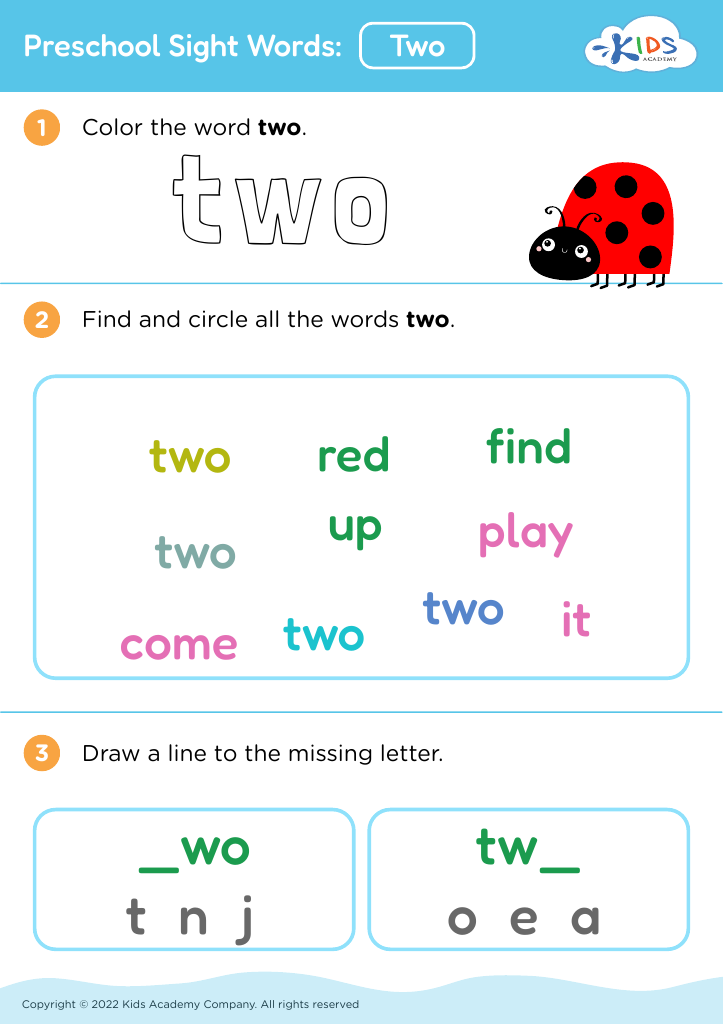
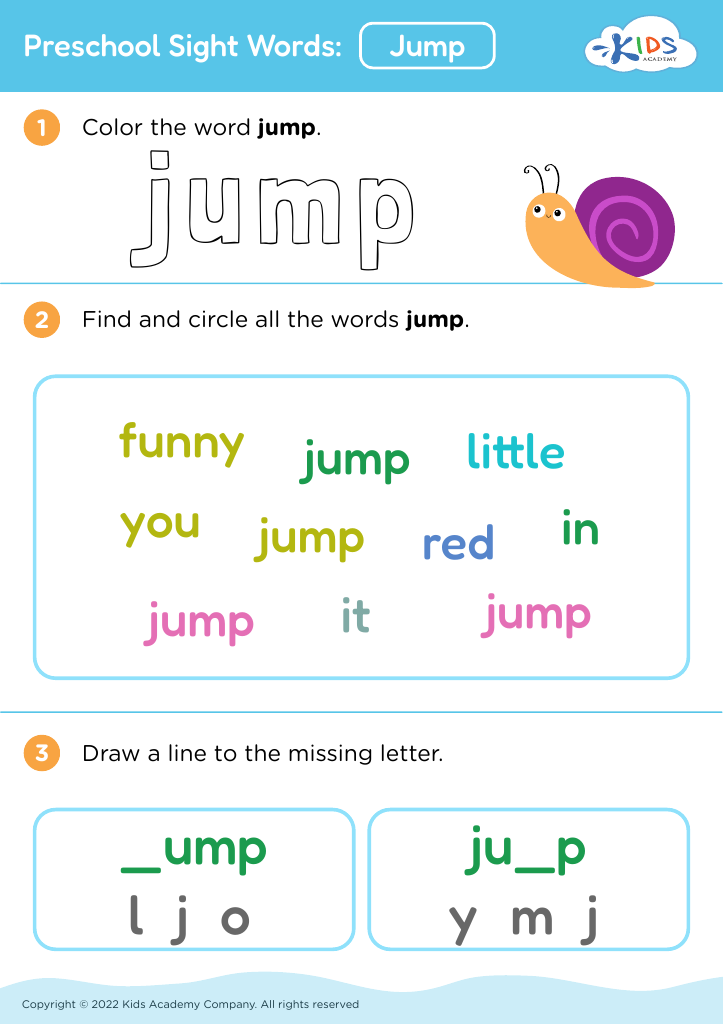
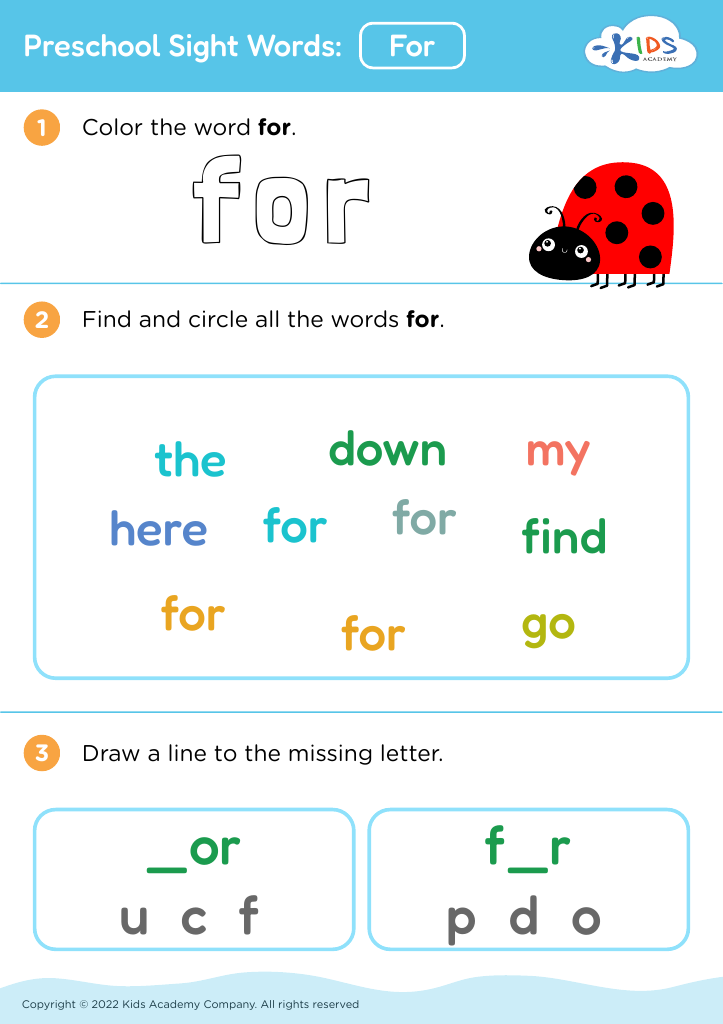
Introduce your 3-year-old to the fascinating world of shapes with our “Recognizing Shapes Building Vocabulary Worksheets”. Specially crafted for little learners, these engaging activities teach basic shapes while expanding vocabulary. Kids will identify and name common shapes like circles, squares, and triangles through fun, colorful exercises. Each worksheet builds foundational skills, promotes shape recognition, and enhances language development. Perfect for early learning at home or in preschool settings, these printables provide an excellent way to blend education with play. Set your child on a path to success with these interactive and educational worksheets today!
Favorites
With answer key
Interactive











Join Kids Academy for Free
Who is primarily going to use this learning content?







.jpg)
Recognizing shapes and building vocabulary are crucial developmental milestones for 3-year-olds. Parents and teachers should care about these skills as they form the foundation for many aspects of early learning and later academic success. Recognizing shapes is more than just identifying circles and squares; it helps children understand the world around them. Shape recognition is linked to spatial awareness, which is critical for tasks such as writing, reading, and even math skills like geometry and problem-solving. When children can discern shapes, they begin to notice patterns and relationships between objects, enhancing their cognitive development.
Building vocabulary at this age is equally important. A robust vocabulary enables children to express their thoughts, feelings, and needs more accurately, fostering better communication and social interactions. It lays the groundwork for literacy skills; children with a rich vocabulary tend to find it easier to learn to read and comprehend what they study. Introducing new words during everyday activities or through reading nurtures curiosity and a love for learning.
When parents and teachers invest in these areas, they are setting children up for a smooth transition to more structured educational environments. The confidence gained from shape recognition and a strong vocabulary opens the door to more complex learning experiences, promoting lifelong educational enthusiasm and success.








