
Understanding patterns Building Vocabulary Worksheets for 3-Year-Olds
3 filtered results
Difficulty Level
Grade
Age
-
From - To
Subject
Activity
Standards
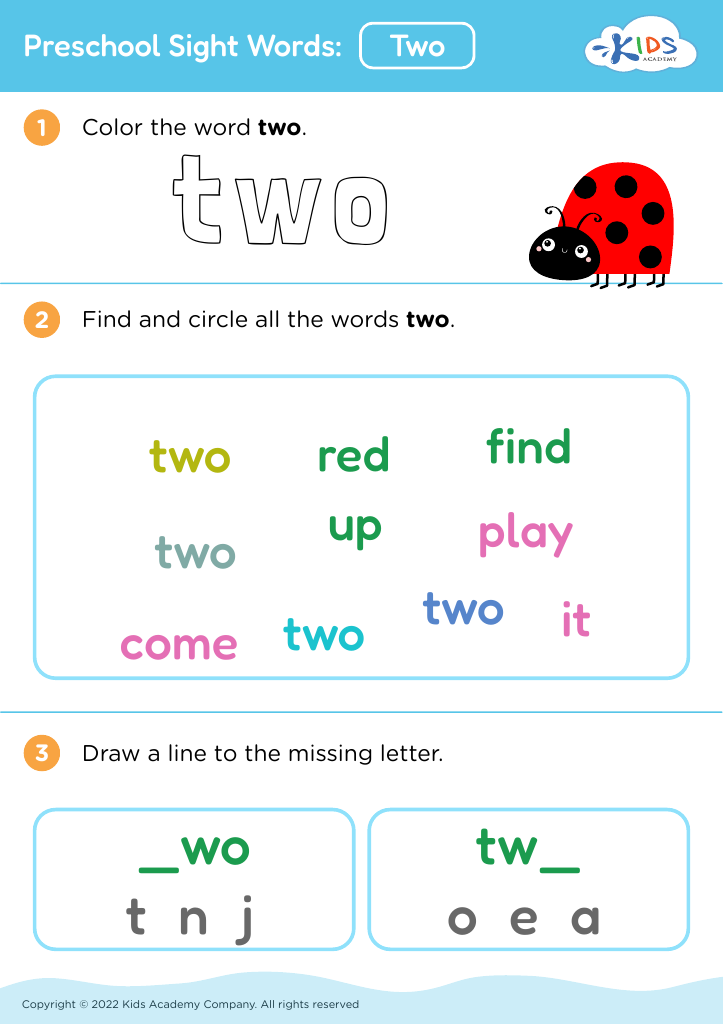
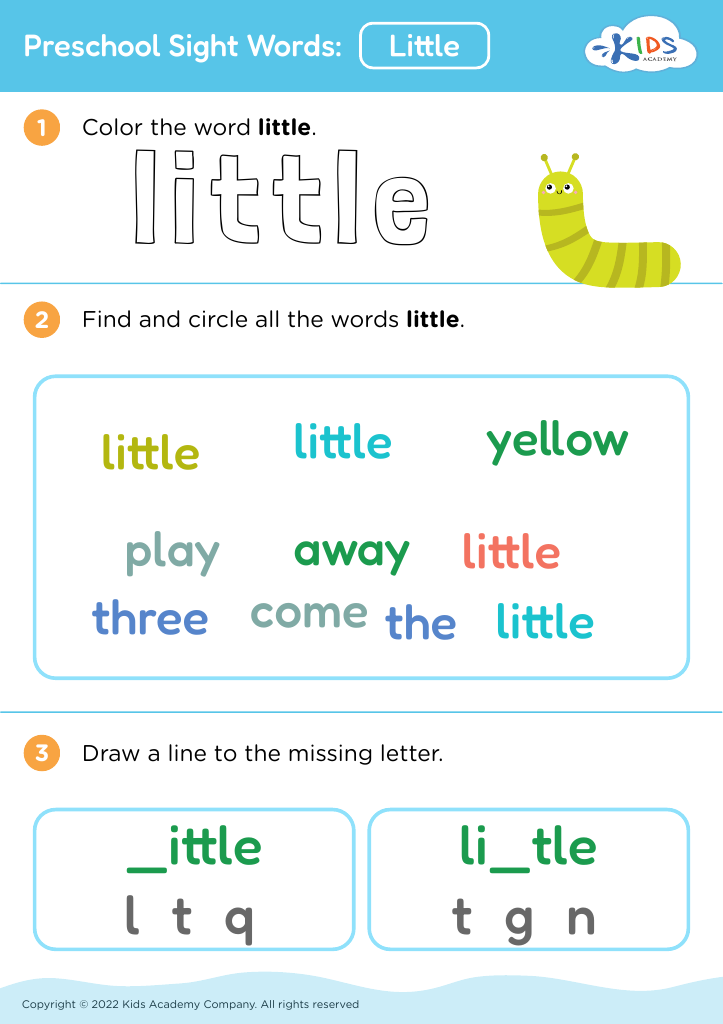
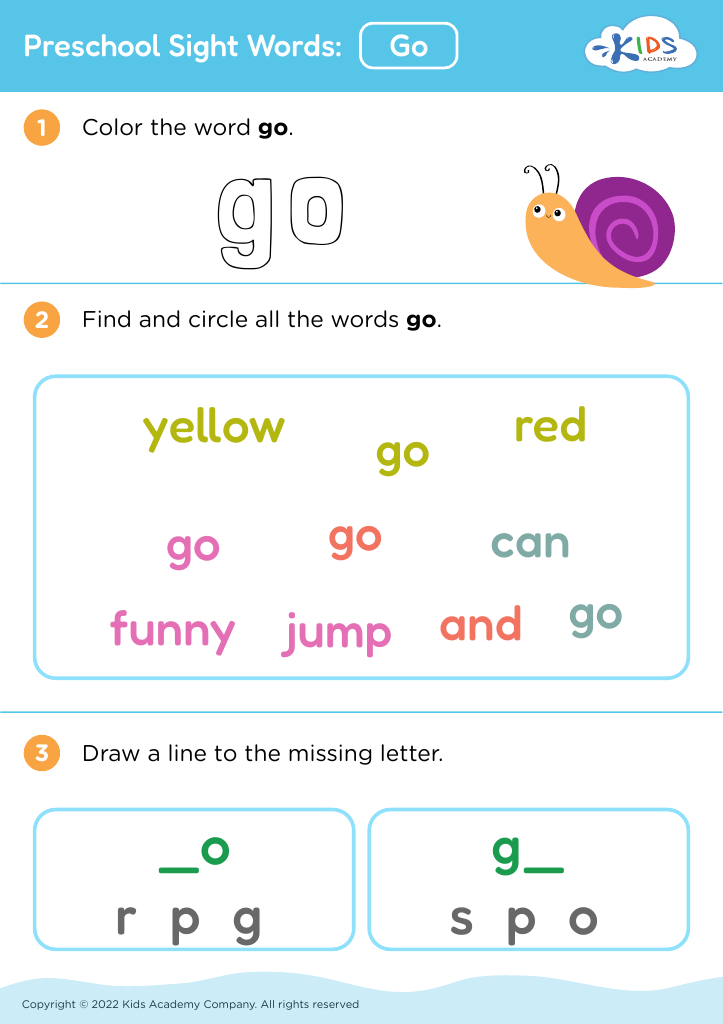
Unlock your child's potential with our "Understanding Patterns: Building Vocabulary Worksheets for 3-Year-Olds." Designed to enhance early literacy skills, these engaging worksheets introduce young learners to the concept of patterns through fun activities. Children will explore colors, shapes, and images, all while expanding their vocabulary in a playful manner. Each worksheet encourages critical thinking and boosts cognitive development, laying a strong foundation for future learning. Ideal for parents and educators, our resources promote interactive learning at home or in the classroom. Dive into a world of patterns and vocabulary with our carefully crafted worksheets that make learning exciting for your little one!
Favorites
With answer key
Interactive











Join Kids Academy for Free
Who is primarily going to use this learning content?



.jpg)




Understanding patterns and building vocabulary in 3-year-olds are crucial aspects of early childhood development that parents and teachers should prioritize. At this age, children are naturally curious and eager to explore their environment. By recognizing patterns—whether in sounds, shapes, or daily routines—children develop critical thinking and problem-solving skills. Patterns help kids make sense of the world around them, form predictions, and establish relationships between different concepts.
Building vocabulary is equally essential, as it lays the foundation for effective communication and literacy skills. A rich vocabulary enables children to express their thoughts and feelings, enhancing their interpersonal skills. Furthermore, exposure to varied words bolsters comprehension, allowing them to grasp more complex ideas as they grow.
Engaging with children in conversation, reading diverse books, and incorporating playful activities that highlight patterns can be fun and effective strategies for both parents and teachers. These skills not only boost cognitive development but also foster creativity and curiosity, creating lifelong learners. Ultimately, focusing on patterns and vocabulary is not just about preparing for school; it's about equipping children with vital tools to navigate their world and build meaningful connections with others.








