Fine Motor Skills Reading Fiction Worksheets for 3-Year-Olds
5 filtered results
-
From - To
Introducing our Fine Motor Skills Reading Fiction Worksheets for 3-Year-Olds, specially designed to blend reading practice and fine motor development. These engaging worksheets provide captivating fictional stories and fun, hands-on activities such as tracing and coloring to help young learners improve their coordination and hand strength while nurturing a love for reading. Ideal for parents and educators, these resources support early literacy and fine motor skills in a joyful and educational manner. Explore our collection to give your 3-year-old a head start on essential developmental milestones while diving into the wonderful world of fiction!
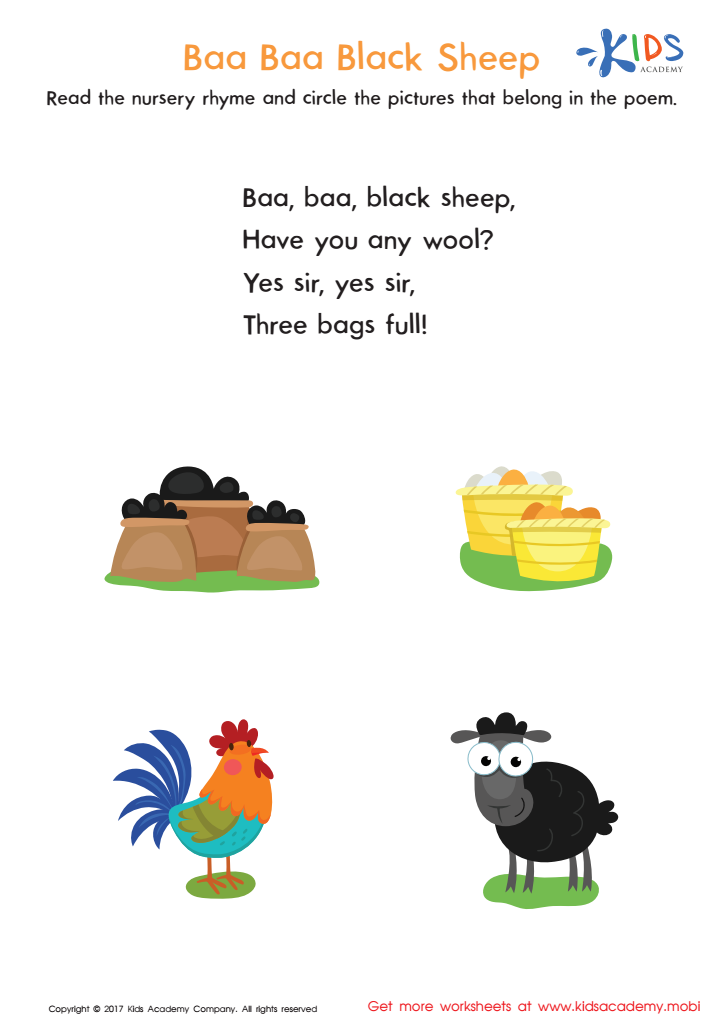
Baa Baa Black Sheep Printable
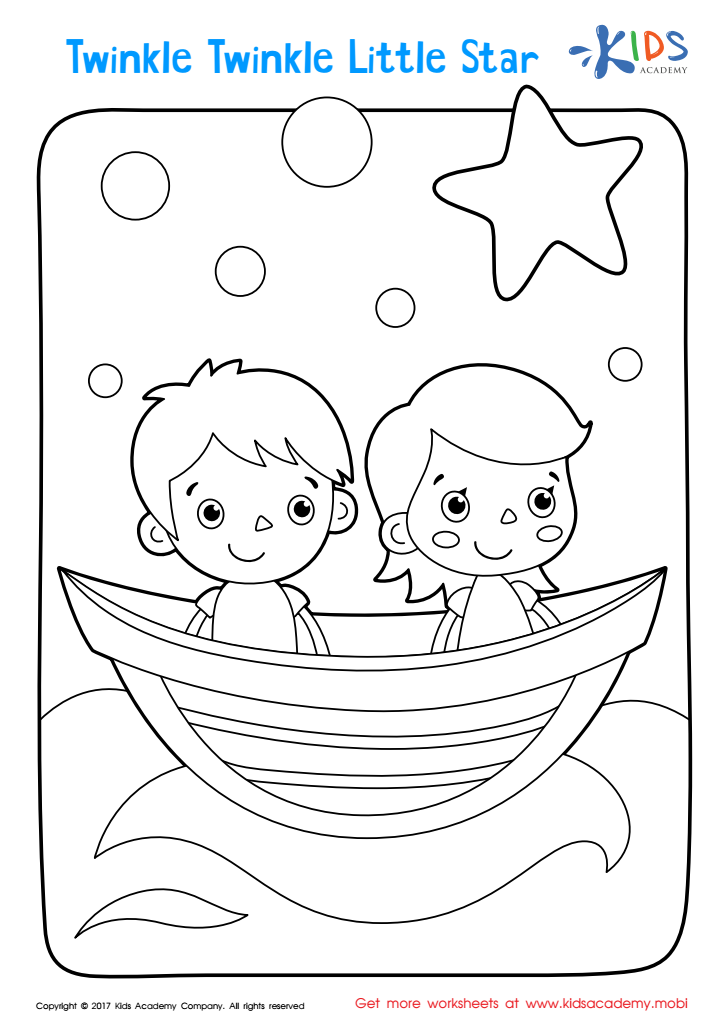
Twinkle Twinkle Little Star Coloring Page
 Assign to My Students
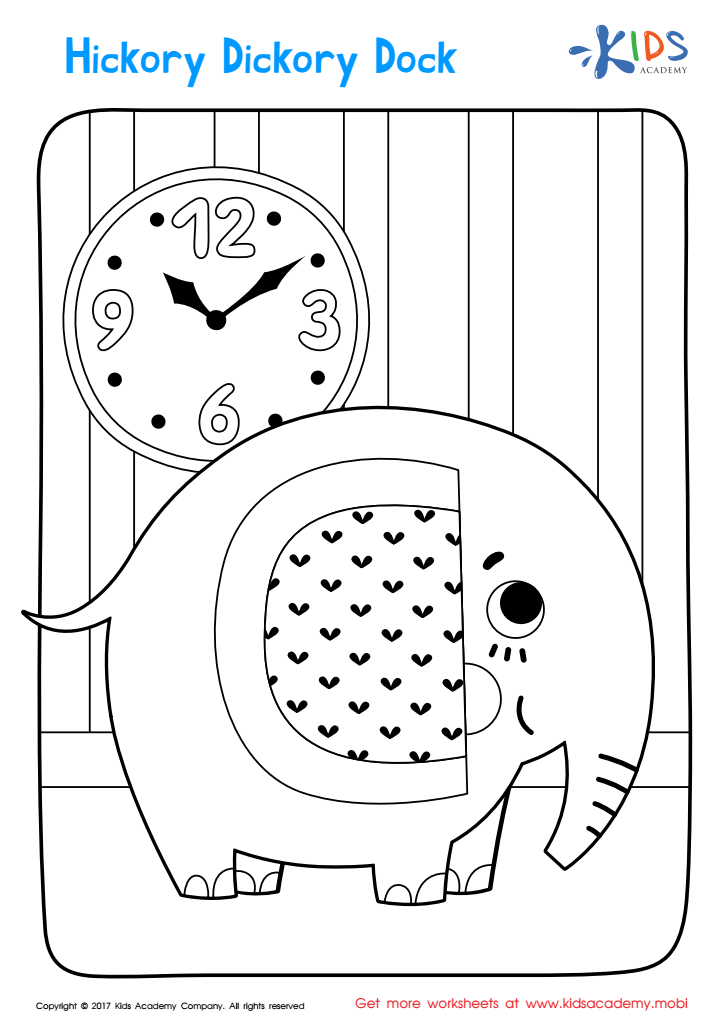
Hickory Dickory Dock Coloring Page
Assign to My Students
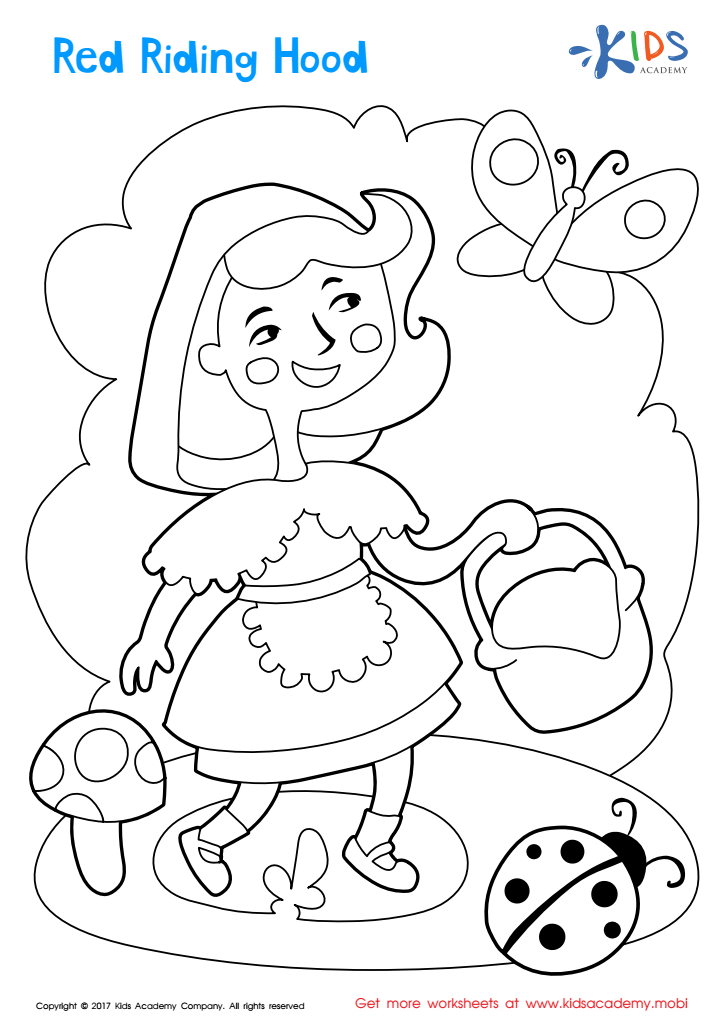
Red Riding Hood Coloring Page
Assign to My Students
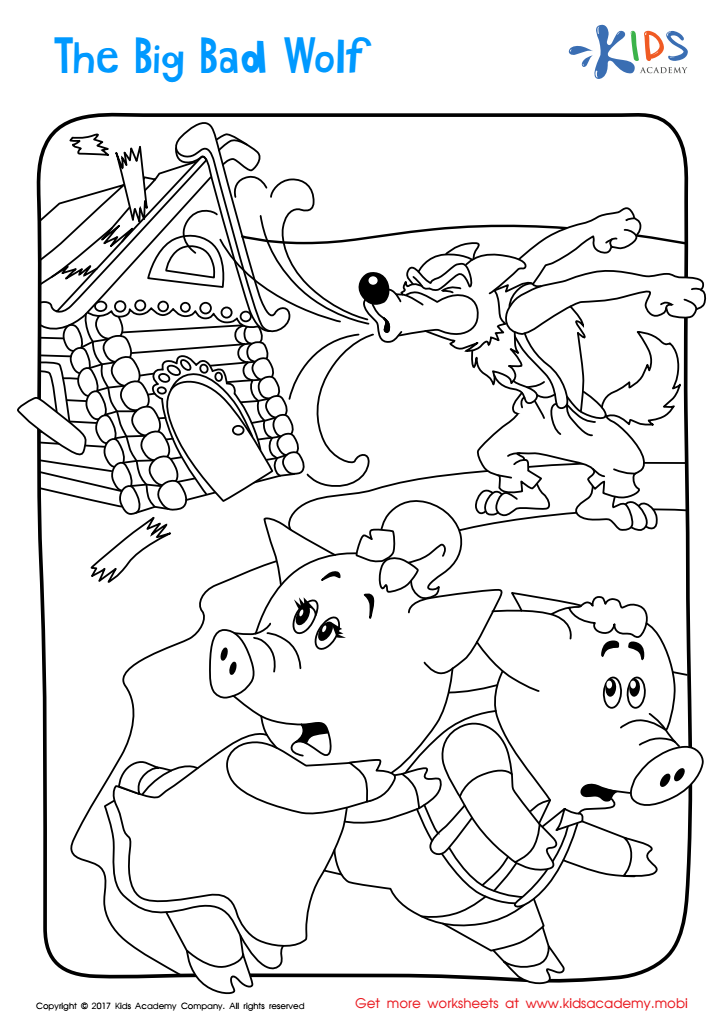
Big Bad Wolf Printable Coloring Page
Assign to My Students






.jpg)

Parents and teachers should place a significant emphasis on fine motor skills and reading fiction for 3-year-olds as these activities are foundational to a child’s early development. Fine motor skills, which involve the coordinated efforts of small muscles in actions such as picking up objects, drawing, or holding a pencil, are essential for daily activities. Developing these skills at a young age sets the groundwork for later tasks like writing, dressing, and self-feeding, fostering independence and confidence in children.
Reading fiction with 3-year-olds, on the other hand, facilitates cognitive and emotional development. Stories captivate young minds, enhancing their vocabulary and comprehension while fostering imagination. Fiction also provides a gentle vehicle to introduce complex concepts like empathy, problem-solving, and social norms in an understandable context. The interactive nature of reading—turning pages, pointing at images, and discussing the story—also naturally enhances fine motor skills and verbal interactions.
Combining fine motor exercises and engaging stories creates a holistic developmental environment. Whether it's manipulating clay to create story characters, turning the pages of a picture book, or using crayons to illustrate a scene, these activities collaboratively bolster a child's physical dexterity and cognitive wisdom. This integrated approach ultimately equips children with the skills they need to succeed both academically and personally.








