Fine Motor Skills Rhyming Words Worksheets for 3-Year-Olds
4 filtered results
-
From - To
Enhance your 3-year-old’s learning journey with our engaging Fine Motor Skills Rhyming Words Worksheets! Designed to support early literacy, these worksheets incorporate fun rhymes that capture your child's imagination while developing essential fine motor skills. Each worksheet features colorful illustrations and interactive activities, including tracing, cutting, and pasting, allowing children to practice hand-eye coordination and strengthen their dexterity. With a focus on rhyming pairs, your little ones will not only refine their writing abilities but also learn foundational phonetic concepts. Perfect for at-home or classroom use, let these worksheets spark creativity and promote learning through play! Explore today!
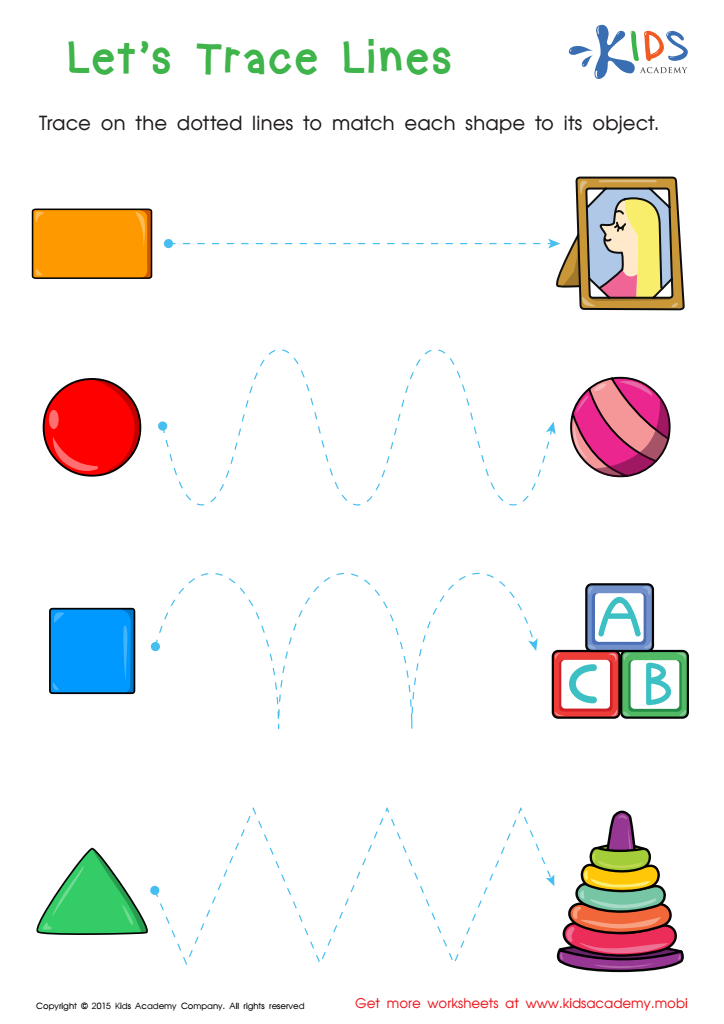
First Words: Let's Trace Lines Worksheet
 Assign to My Students
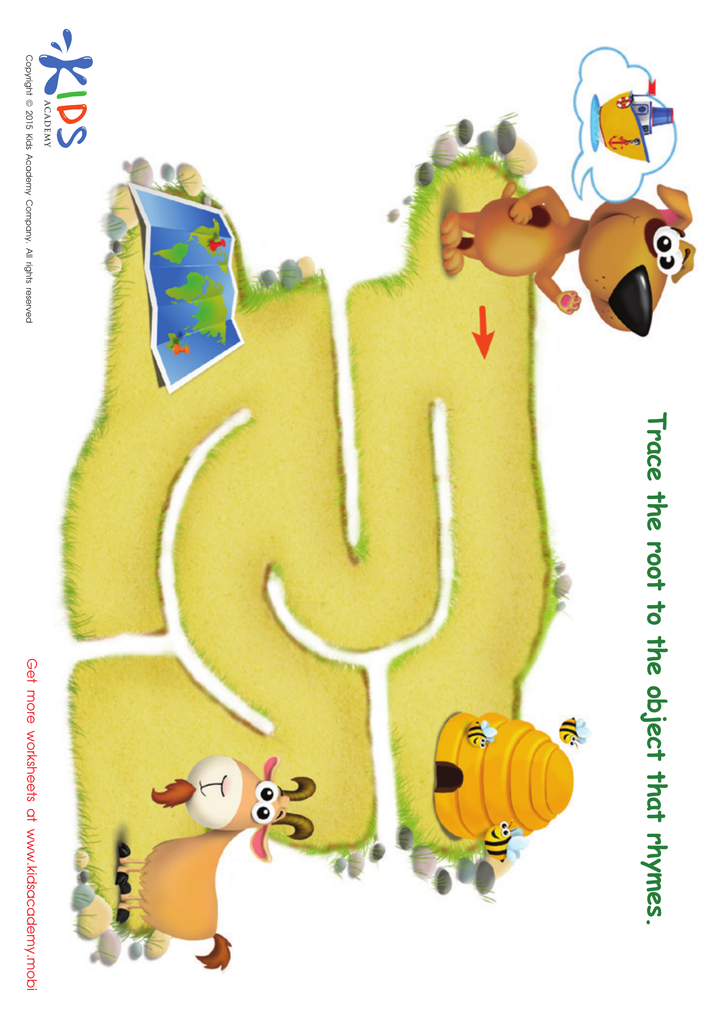
Boat Rhyming Words Worksheet
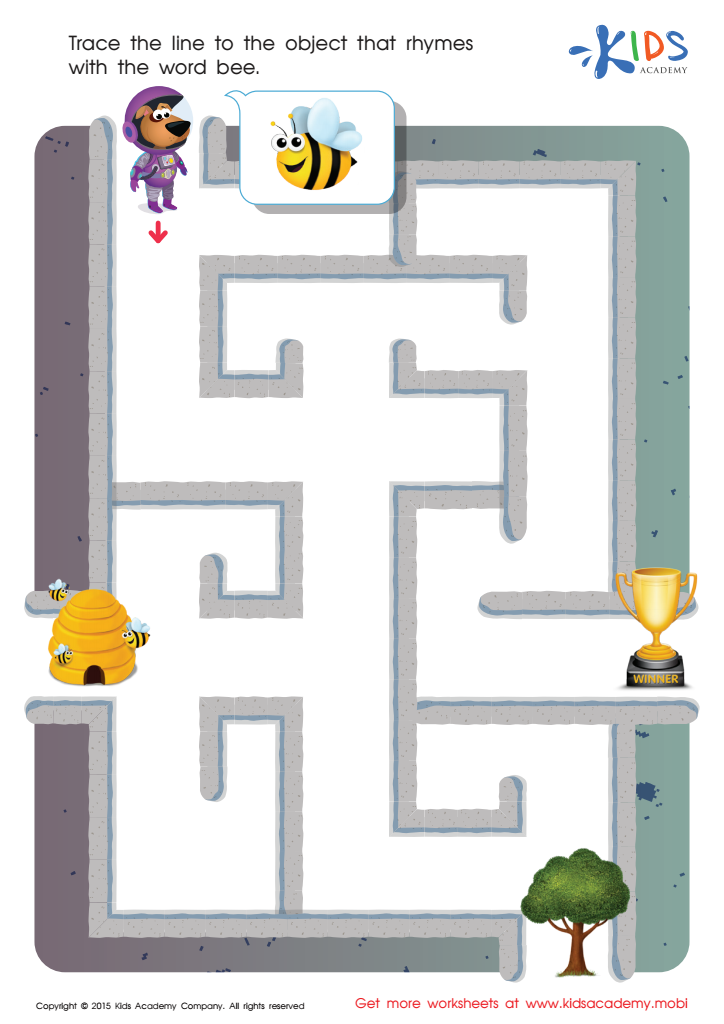
Bee Rhyming Words Worksheet
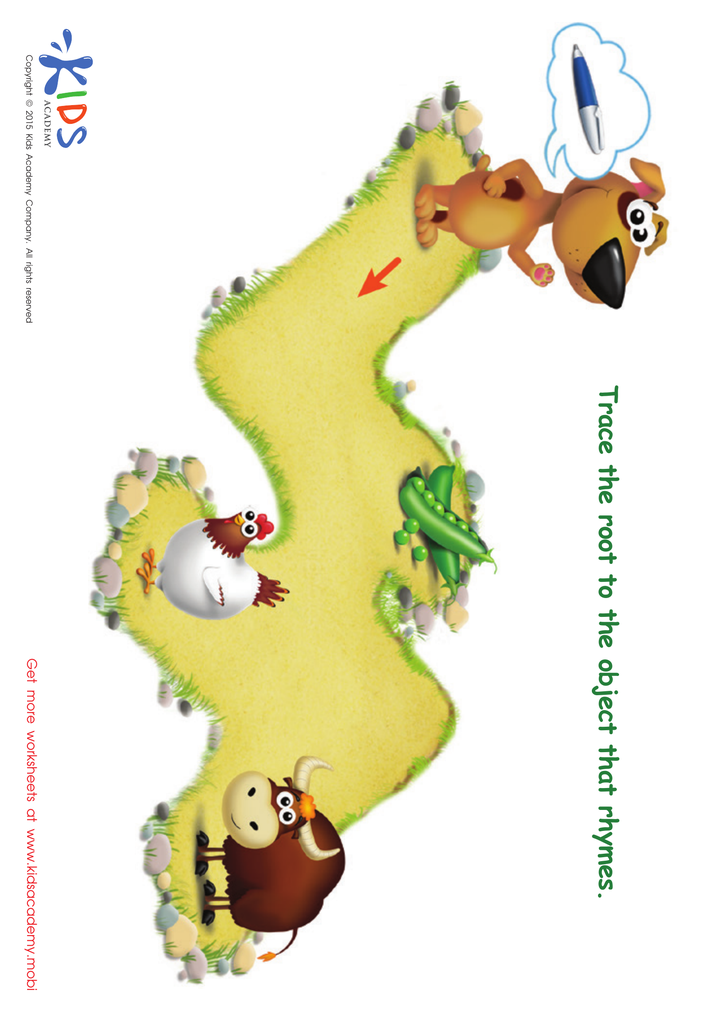
Pen Rhyming Words Worksheet








Fine motor skills are essential for young children's overall development, particularly for 3-year-olds. These skills involve precise movements of small muscles, as seen when children manipulate small objects, use crayons, or engage in other activities that require hand-eye coordination. Rhyming words play a crucial role in enhancing these skills because they rely on phonemic awareness, which connects auditory and physical engagement.
Incorporating rhyming words into games and activities nurtures fine motor skills through playful interactions. For instance, while singing a nursery rhyme, children can clap hands, tap feet, or manipulate objects to the rhythm, improving their dexterity and coordination. Moreover, rhyming activities often involve gestures that engage fine motor development, such as finger plays or puppet shows, where children use their hands to express words and sounds.
Furthermore, mastery of fine motor skills sets the foundation for critical tasks like writing, drawing, and self-care activities. By addressing fine motor skills through rhyming words, parents and teachers not only make learning enjoyable but also support essential cognitive and physical development, fostering readiness for future learning challenges. Ultimately, emphasizing these aspects nurtures well-rounded growth in young children, paving the way for future academic success.








