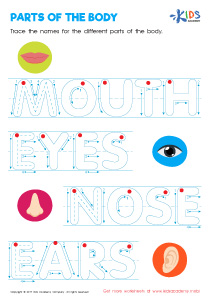
Categorization skills World Around Us Worksheets for 3-Year-Olds
3 filtered results
-
From - To
Discover fun and educational worksheets designed to enhance categorization skills in 3-year-olds! Our "World Around Us" collection engages young learners with vibrant illustrations and interactive activities. These expertly crafted worksheets help children recognize, sort, and group objects, laying a strong foundation for critical thinking. As they categorize animals, foods, and everyday items, kids develop observation and analytical abilities in a playful manner. Perfect for at-home learning or supplementary preschool material, our resources aim to make early education an exciting and enriching experience. Foster your child's cognitive growth with these delightful and effective tools today!
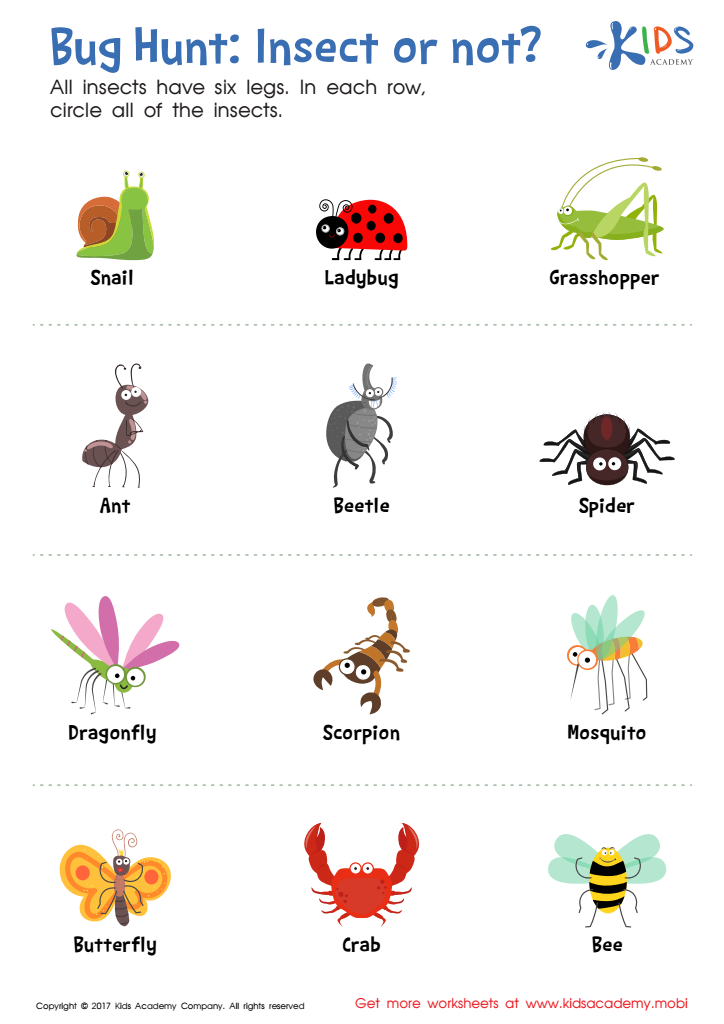
 Assign to My Students
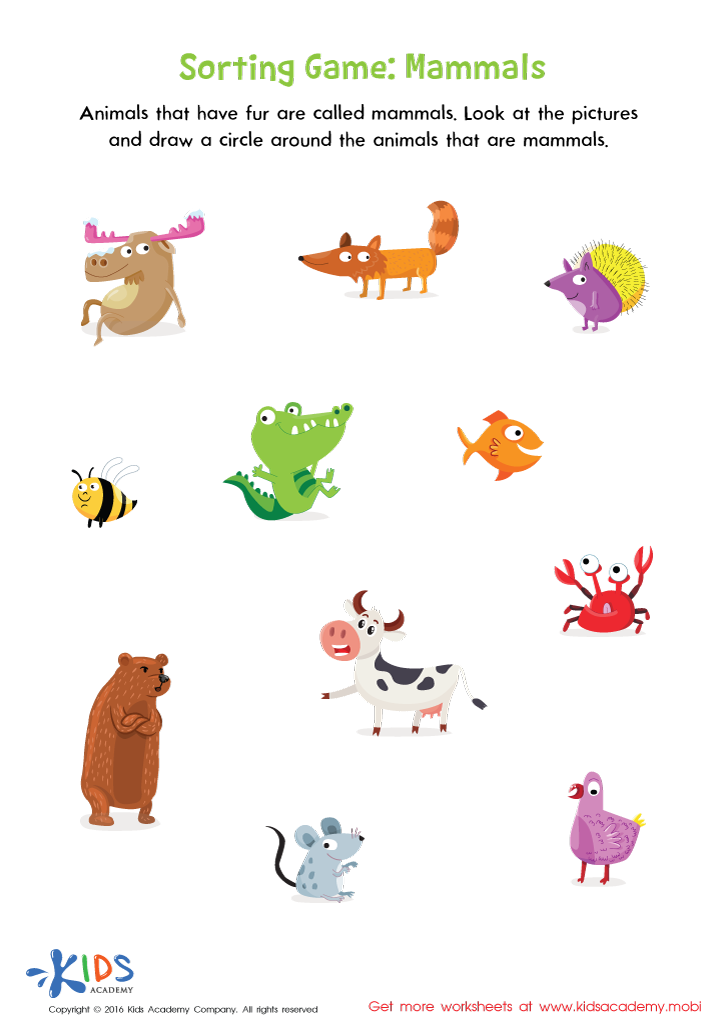
Mammals Sorting Worksheet
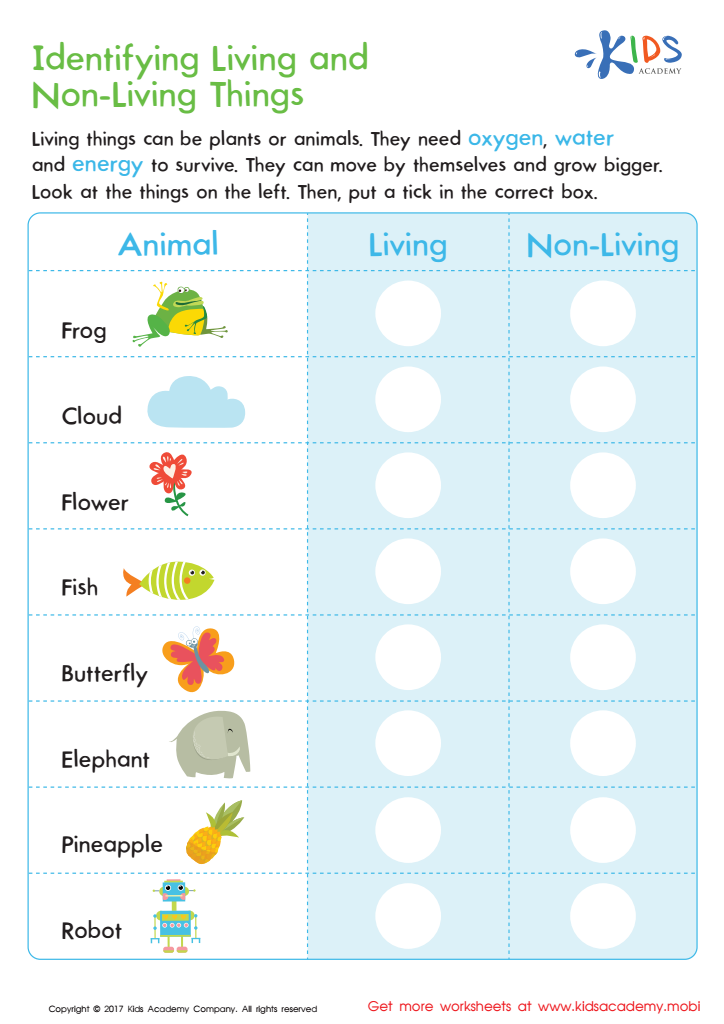
Identifying Living or Non–living Worksheet








Parents and teachers should place significant importance on developing categorization skills in 3-year-olds because these skills form the foundational blocks of cognitive development and critical thinking. At this age, children are rapidly making sense of the world around them. Categorization helps them organize their experiences and understand relationships between different objects, ideas, and concepts.
For instance, when a child learns to categorize animals, they are not just learning what a cat or a dog is; they are grasping broader concepts such as the distinction between pets and wild animals. This process strengthens memory and enhances language skills, as children learn new vocabulary words and begin to describe attributes and relationships. Moreover, categorization skills contribute to better problem-solving abilities. When children can group objects based on similarities or differences, they can navigate and interact with their environments more effectively.
For parents and teachers, fostering these skills can be as simple as playing sorting games, engaging in storytelling, or exploring nature together. Such activities don't just teach categories but also encourage quality time and interactive learning. By nurturing categorization skills, adults set children on a path towards more advanced thinking, academic success, and a well-rounded understanding of the world.