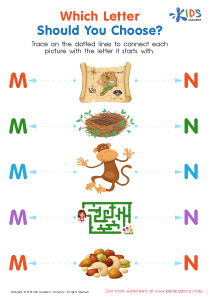
Alphabet Recognition Lowercase/Small Letters Worksheets for Ages 4-5
9 filtered results
-
From - To
Explore our engaging Alphabet Recognition worksheets designed for children ages 4-5! These printable activities focus on lowercase letters, making the learning process fun and interactive. Each worksheet helps young learners identify and practice small letters through colorful illustrations and playful exercises. Children will enhance their letter recognition skills while enjoying various activities that include tracing, matching, and filling in missing letters. Perfect for enhancing preschool curriculum or reinforcing skills at home, these worksheets provide the ideal groundwork for literacy development. Start your child's journey towards reading and writing confidence with our expertly crafted resources today!
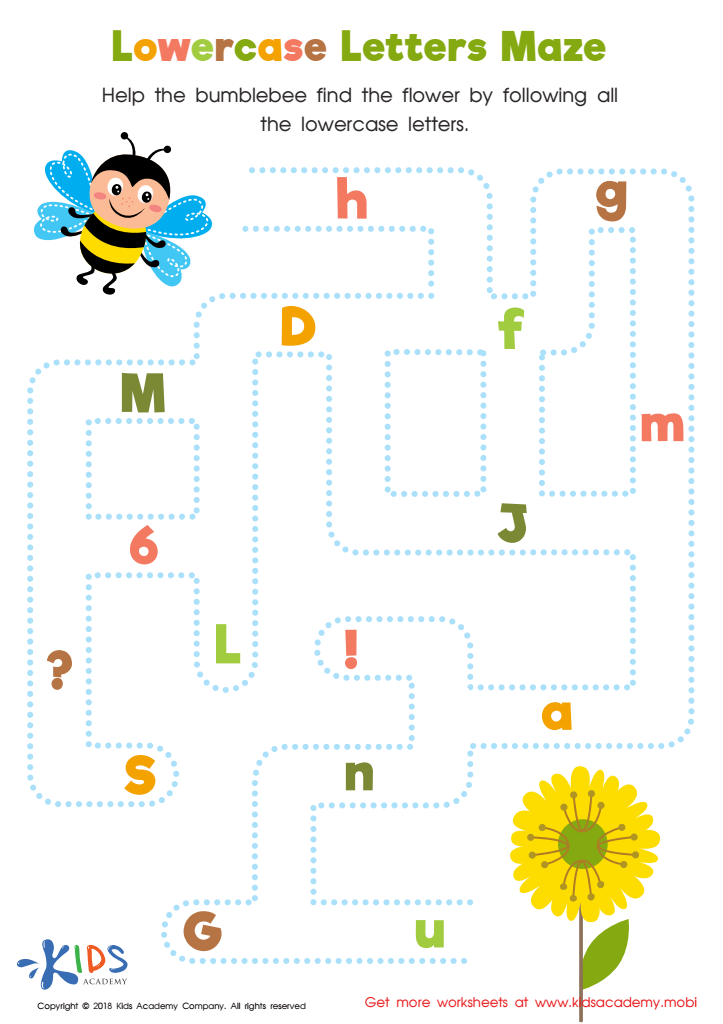
Lowercase Letters Maze Worksheet
 Assign to My Students
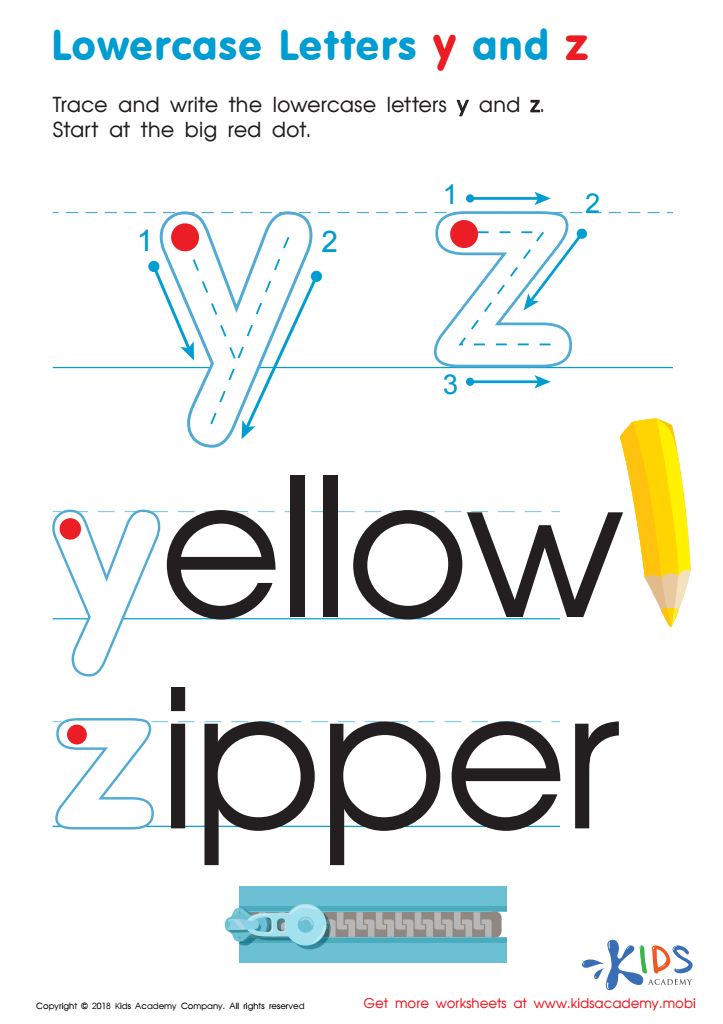
Lowercase Letters y z Worksheet
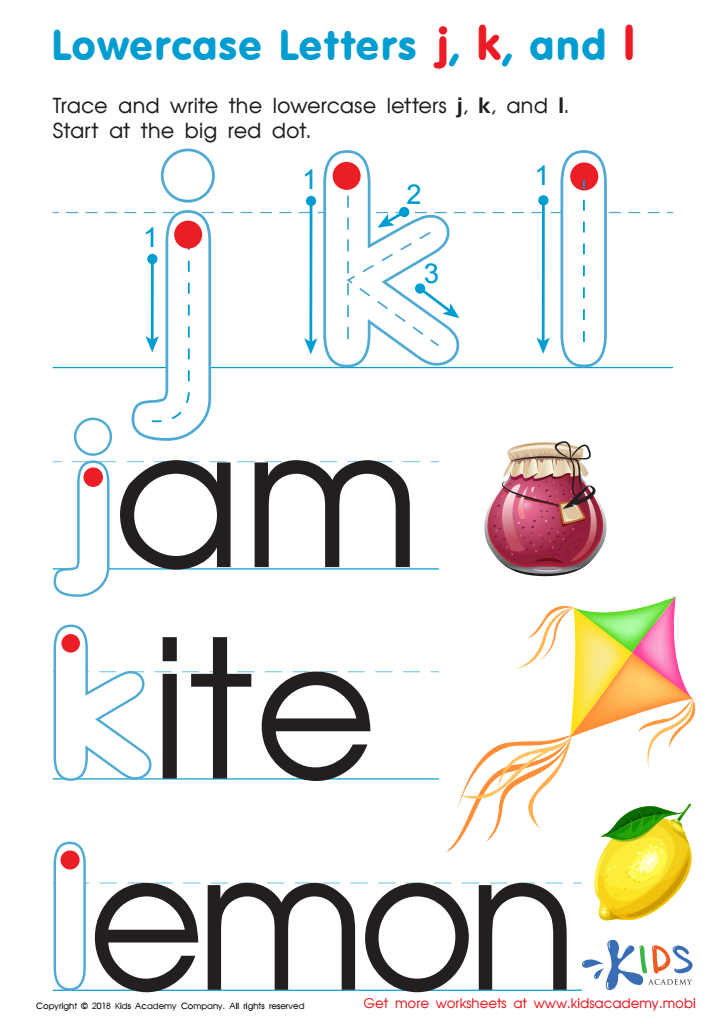
Lowercase Letters j k l Worksheet
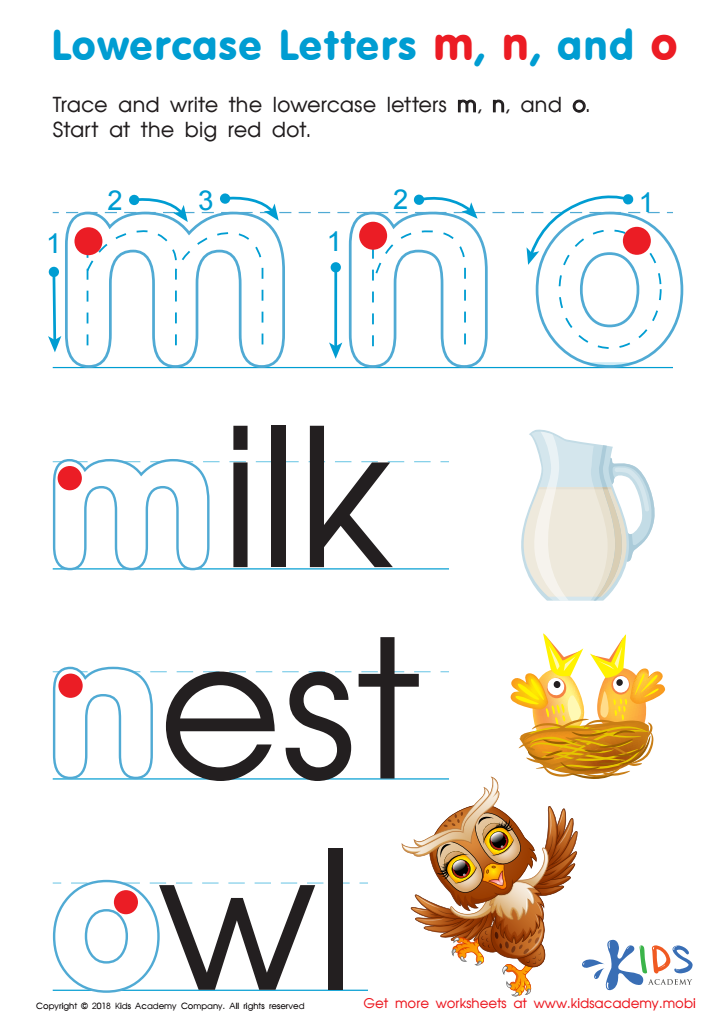
Lowercase Letters m n o Worksheet
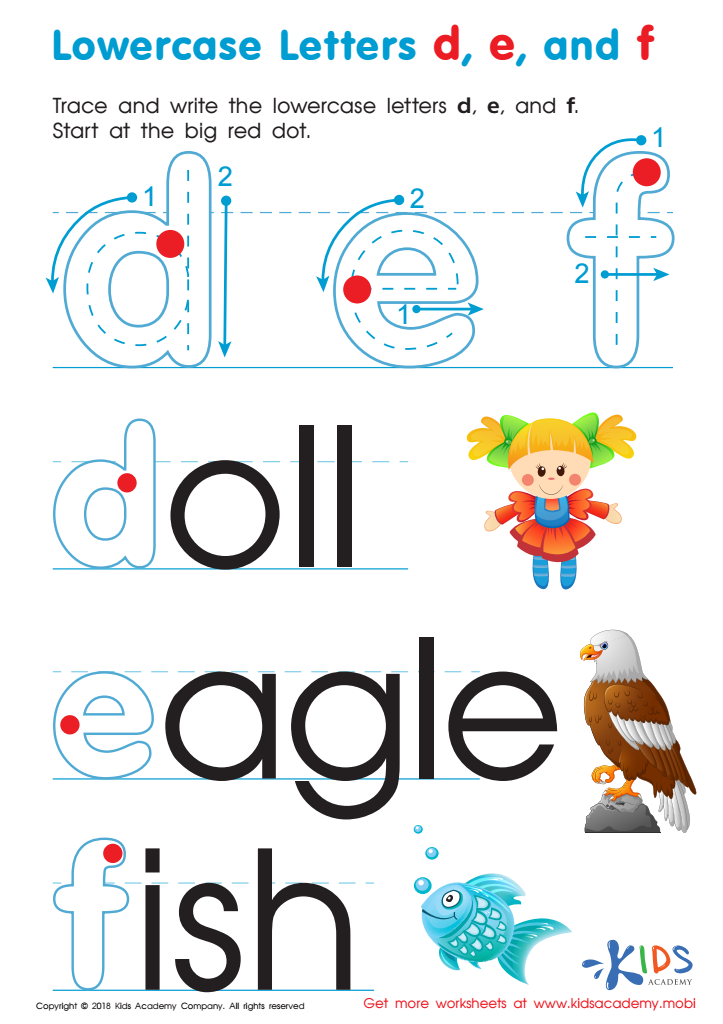
Lowercase Letters d e f Worksheet
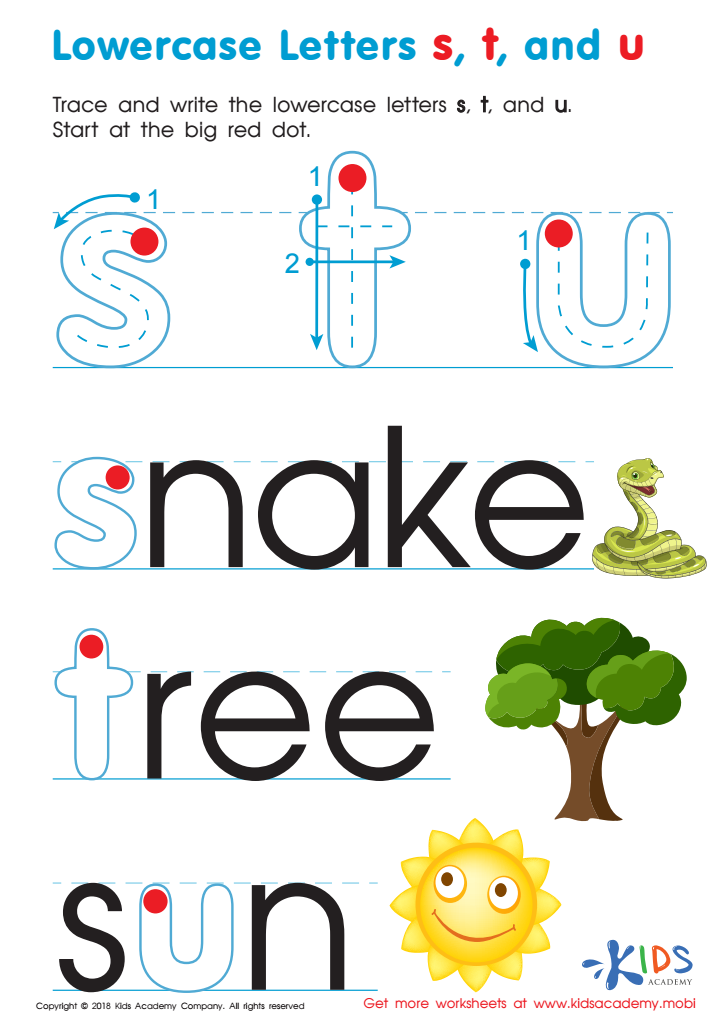
Lowercase Letters s t u Worksheet
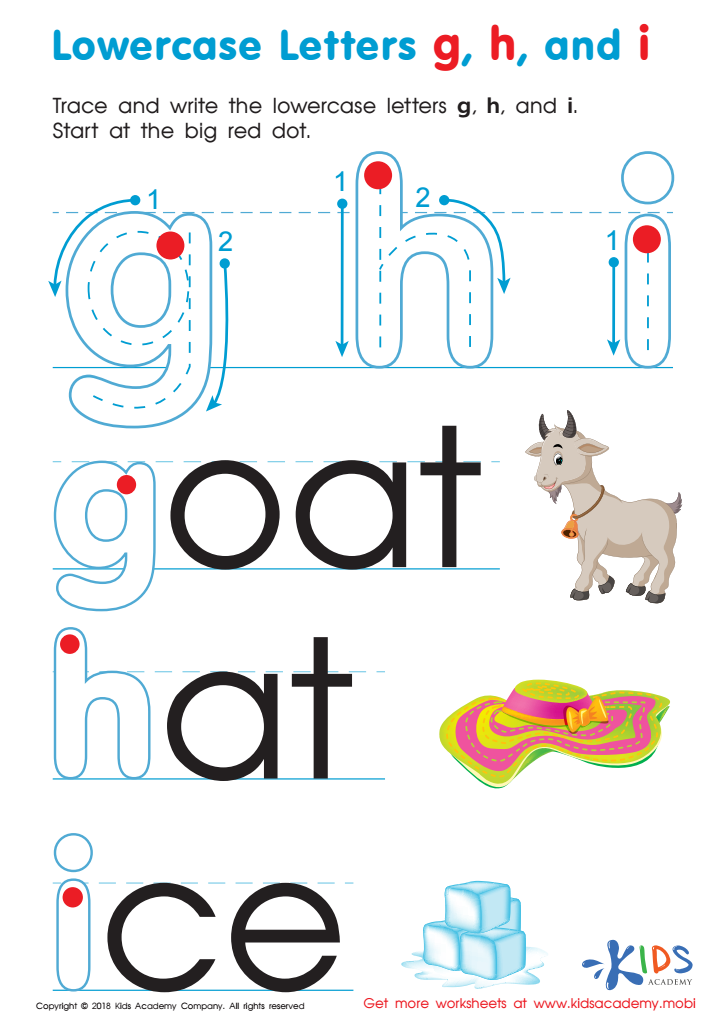
Lowercase Letters g h i Worksheet
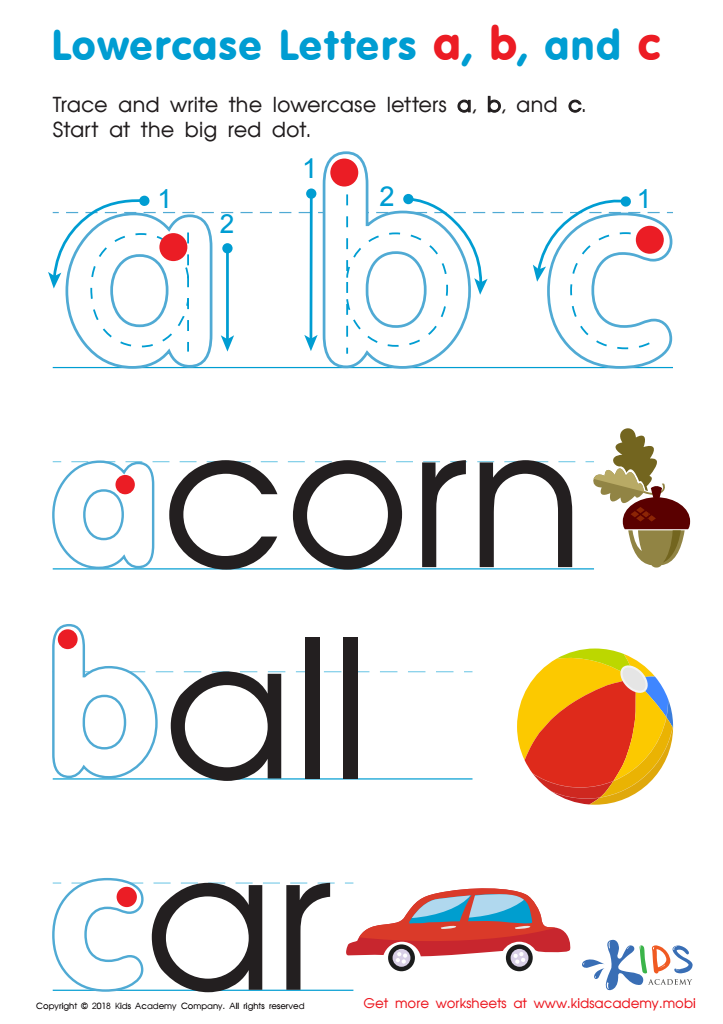
Lowercase Letters a b c Worksheet
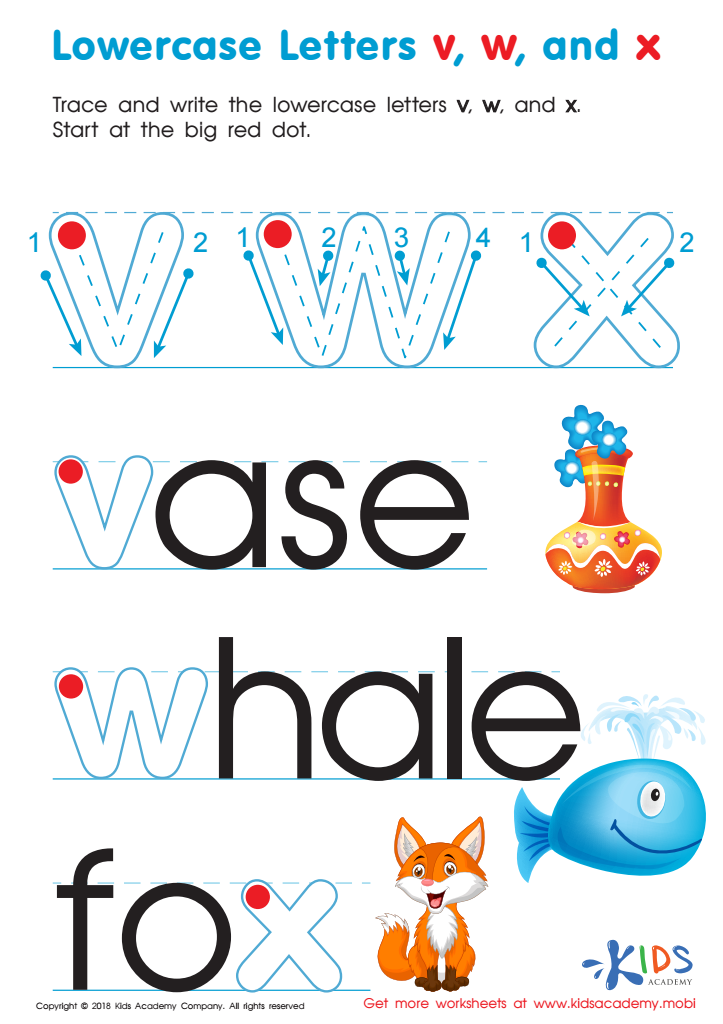
Lowercase Letters v w x Worksheet


Alphabet recognition, particularly of lowercase letters, is a fundamental skill for children ages 4-5 that lays the groundwork for their literacy development. As children begin to understand and identify lowercase letters, they enhance their ability to read and write. This skill is crucial as most written text they will encounter—such as books, signs, and labels—utilizes lowercase letters, rather than uppercase.
Recognizing lowercase letters helps in numerous ways. It boosts phonemic awareness, as children learn to associate sounds with letters, forming the basis for reading. Mastery in this area directly influences spelling and writing developmental confidence. Furthermore, it fosters early interaction with texts, empowering children to engage with books independently and fueling their imagination and language skills.
Parents and teachers play a pivotal role in encouraging this recognition through engaging activities such as storytelling, letter games, and creative writing exercises. By highlighting the importance of lowercase letter recognition, they contribute to each child's language acquisition and cognitive growth. Ultimately, supporting children in this area not only aids immediate learning but also sets them on a pathway to becoming proficient readers and writers in their future educational endeavors. Early intervention in this area can lead to lifelong literacy success.