Story comprehension Fairy Tale Coloring Pages Worksheets for Ages 4-5
3 filtered results
Difficulty Level
Grade
Age
-
From - To
Subject
Activity
Standards
Discover delightful Story Comprehension Fairy Tale Coloring Pages Worksheets designed for ages 4-5, perfect for early learners! These engaging worksheets combine creativity with critical thinking, allowing young children to explore classic fairy tales while enhancing their comprehension skills. As kids color enchanting scenes, they will recall story elements, characters, and themes, fostering a deeper understanding of narratives. Each worksheet prompts imaginative discussions and reflections, making learning fun and interactive. Ideal for home or classroom use, these resources encourage literacy development, spark creativity, and cultivate a love for storytelling. Transform lessons into magical adventures with our whimsical coloring pages today!
Favorites
With answer key
Interactive
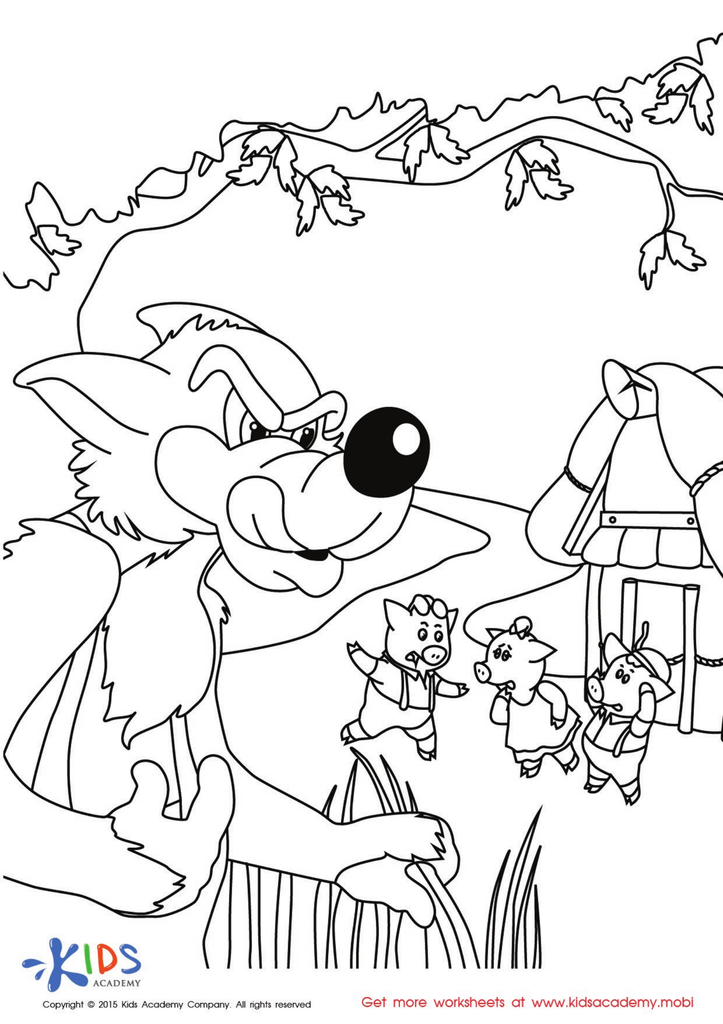
The Story of the Three Little Pigs Coloring Worksheet
The three little pigs play on the grass, enjoying the sun and peace. But a Big Bad Wolf has found them! Ask your child what he looks like? Is he scary? And hungry? Will the little pigs be safe in their houses? Unleash their imaginations with a printable coloring page to make the story of the little pigs come alive.
The Story of the Three Little Pigs Coloring Worksheet
Worksheet
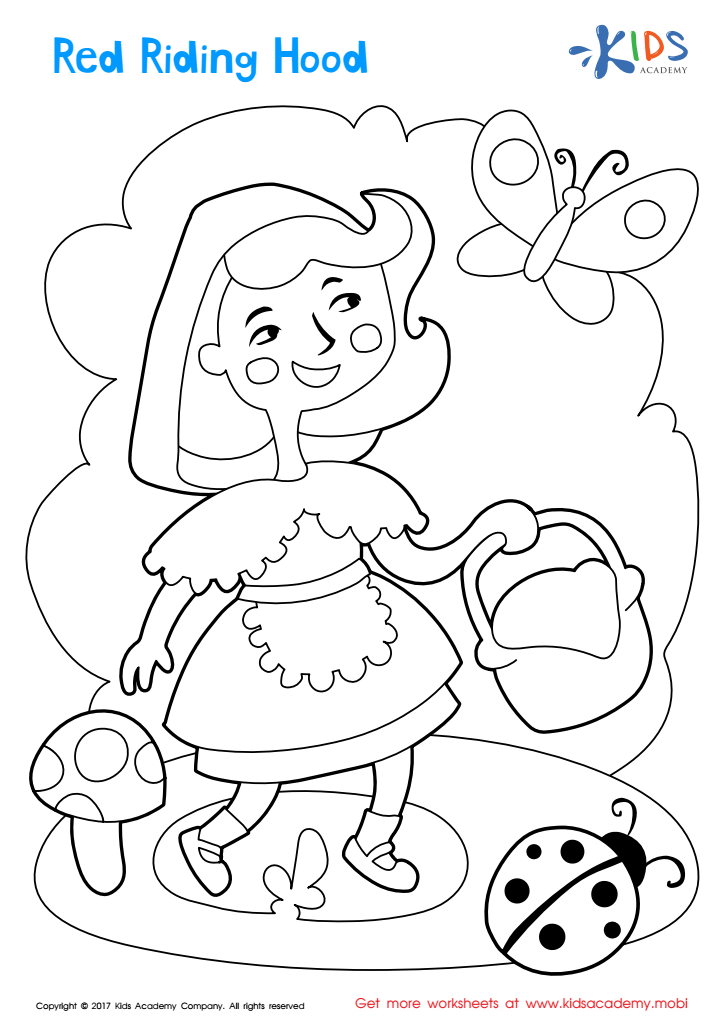
Red Riding Hood Coloring Page
Red Riding Hood awaits in the woods, with a butterfly, mushroom, and ladybug around her. Let your child bring the story to life with this magical printable coloring page. Fairytale fun for all!
Download (PDF)
 Assign to My Students
Assign to My Students
Red Riding Hood Coloring Page
Worksheet
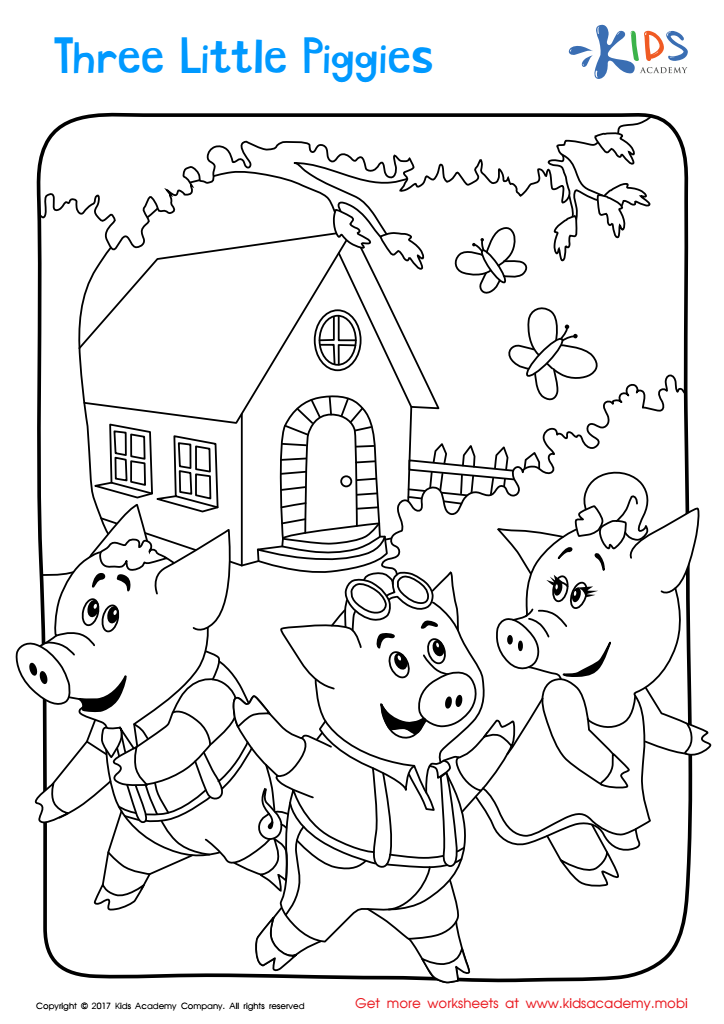
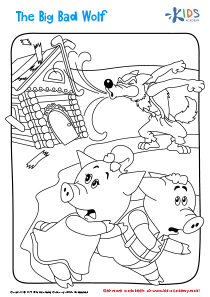
Three Little Piggies Printable Coloring Page
Recall a childhood favorite with your child and color in the Three Little Piggies printable. It's a great way to excite them for reading, as it helps them learn about characters and plot.
Download (PDF)
Assign to My Students
Assign to My Students
Three Little Piggies Printable Coloring Page
Worksheet
Join Kids Academy for Free
Who is primarily going to use this learning content?



Parents and teachers should pay attention to fairy tale coloring pages for ages 4-5 because these activities offer multifaceted educational benefits. First, coloring fosters fine motor skills essential for early writing development, an important foundation for literacy. Engaging with fairy tales through coloring not only enhances creativity but also sparks children's imagination as they visualize characters and settings.
Story comprehension is critical at this age, as it helps young learners develop critical thinking and narrative skills. These coloring pages often invite children to retell stories or predict outcomes, enhancing their understanding of plots, characters, and themes. They also promote vocabulary acquisition as children encounter new words linked to the tales.
Moreover, discussing the images and stories helps build listening and speaking skills. Interactive discussions can provide insights into morals and values presented in fairy tales, supporting emotional and social development. When educators and parents facilitate these experiences, they help cultivate a love for stories, laying the groundwork for lifelong reading habits.
Thus, fairy tale coloring pages are not merely a fun activity; they are a rich educational tool that nurtures essential skills, creativity, and comprehension in young learners. Encouraging these playful yet purposeful experiences benefits children’s overall growth and learning.