Categorization skills Worksheets for Ages 4-5 - Page 2
26 filtered results
-
From - To
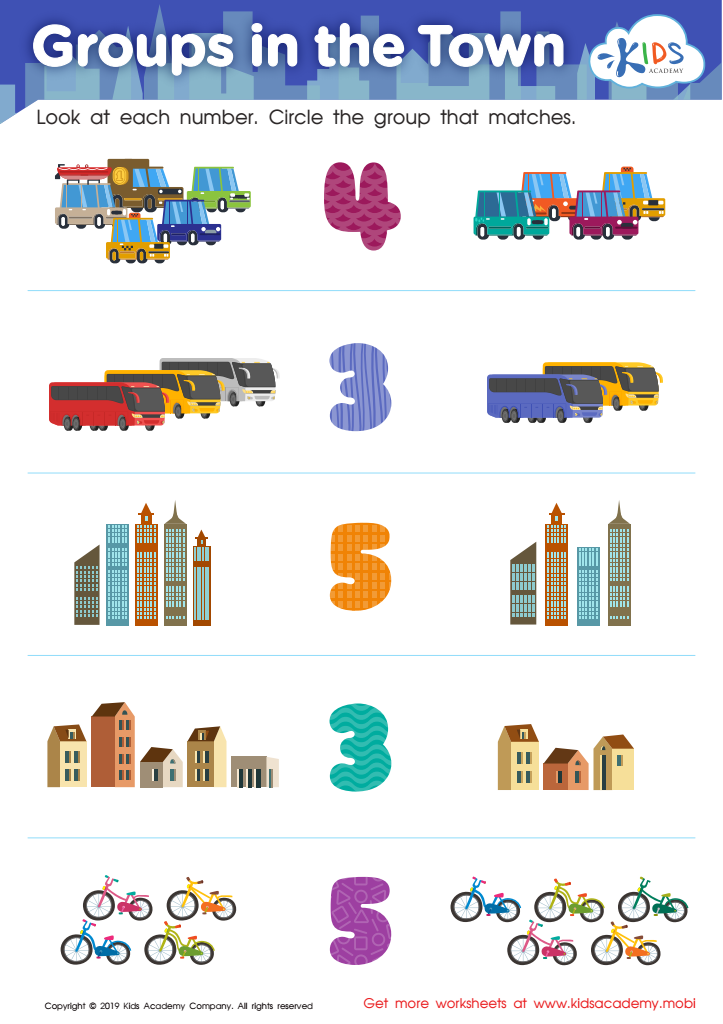
Groups in the Town Worksheet
 Assign to My Students
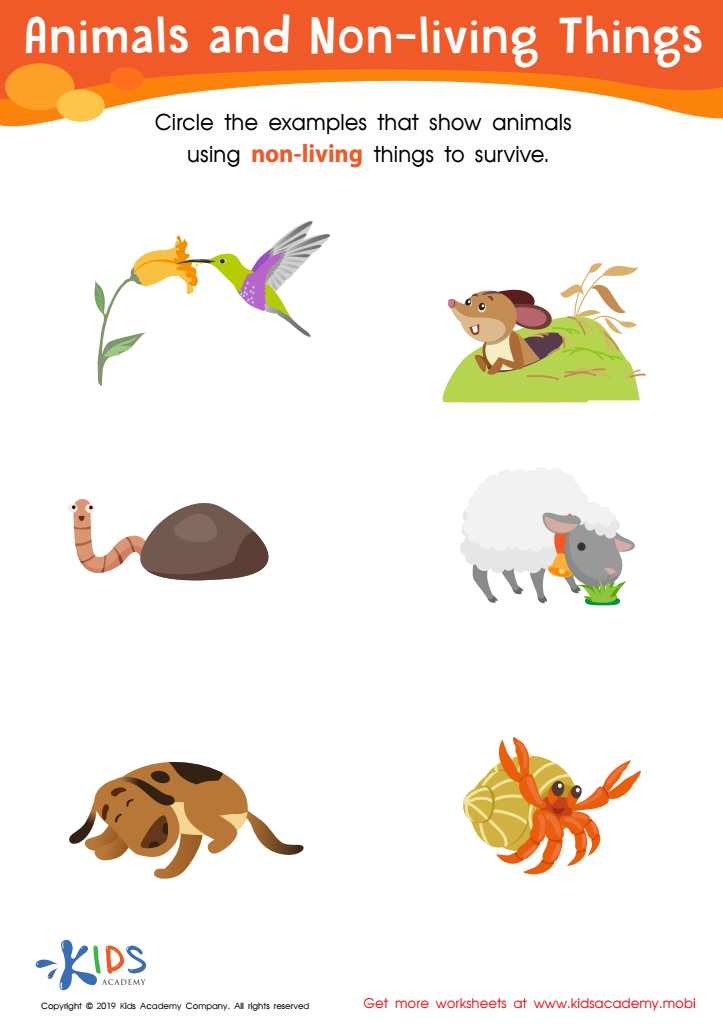
Animals and Non-Living Things Worksheet








Categorization skills are crucial for children aged 4 to 5 as they lay the foundation for cognitive and social development. During this stage, children learn to identify, group, and classify objects based on common characteristics such as shape, color, size, or function. This skill is essential for critical thinking and problem-solving as it helps children make sense of the world around them.
When children categorize, they enhance their ability to recognize similarities and differences, aiding language development as they learn new vocabulary associated with classifications. Moreover, categorization promotes memory enhancement and organization skills, enabling children to sort information and retrieve it when needed.
Understanding categories also plays a pivotal role in social interactions. For example, recognizing social groups, such as families and friends, allows children to better comprehend social structures and relationships.
Teachers and parents should prioritize these skills as they are fundamental for future learning, including reading and mathematics. Engaging children in activities that promote categorization—like sorting games and storytelling—supports their overall academic readiness and fosters confidence. Investing in these skills now equips children for a lifetime of adaptive reasoning and effective communication.








