Comparing Fractions Worksheets for Ages 4-5
17 filtered results
-
From - To
Introduce young learners to the world of fractions with our Comparing Fractions Worksheets for Ages 4-5! Specially designed for preschool and kindergarten kids, these colorful and engaging worksheets provide a fun way to grasp the basics of fractions. Featuring simple shapes and clear visuals, children will learn to compare values like halves and quarters while boosting their fine motor skills and attention to detail. These printable resources align with early learning standards, offering a hands-on approach to support foundational math skills. Download today to make fractions exciting and accessible for your little ones!
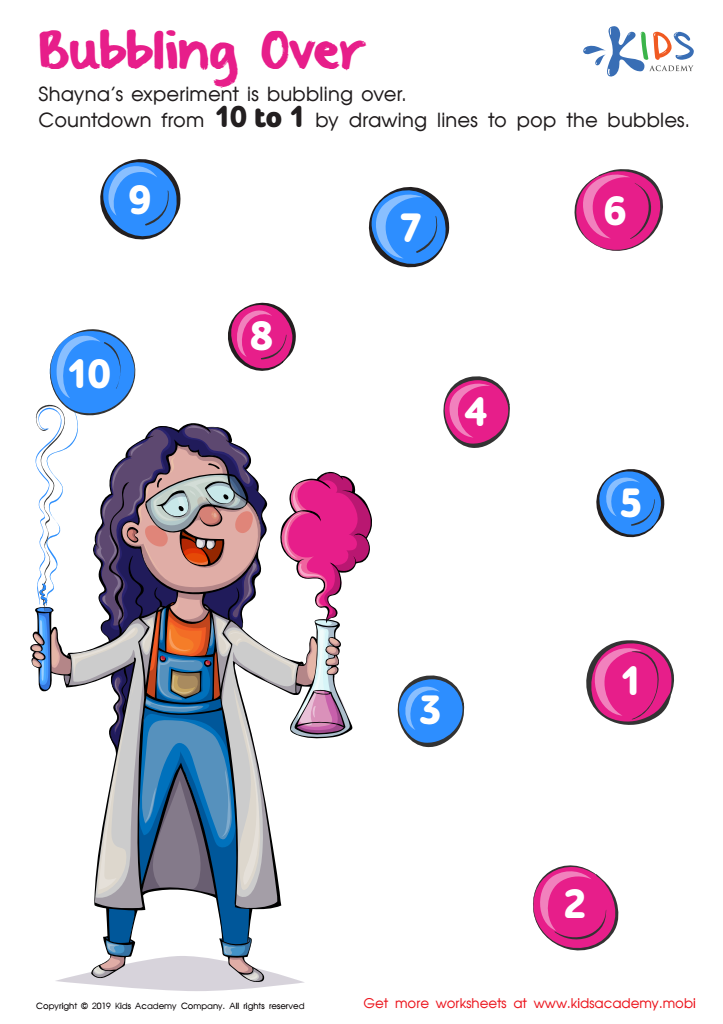
Bubbling Over Worksheet
 Assign to My Students
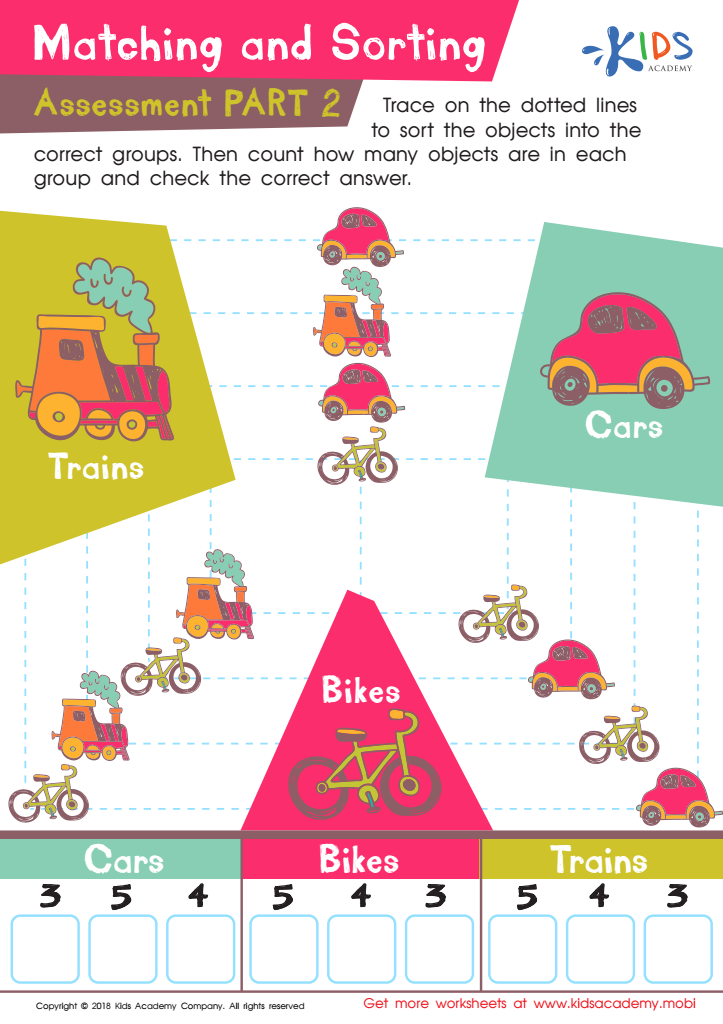
Matching and Sorting for Kindergarten: Assessment 2 Worksheet
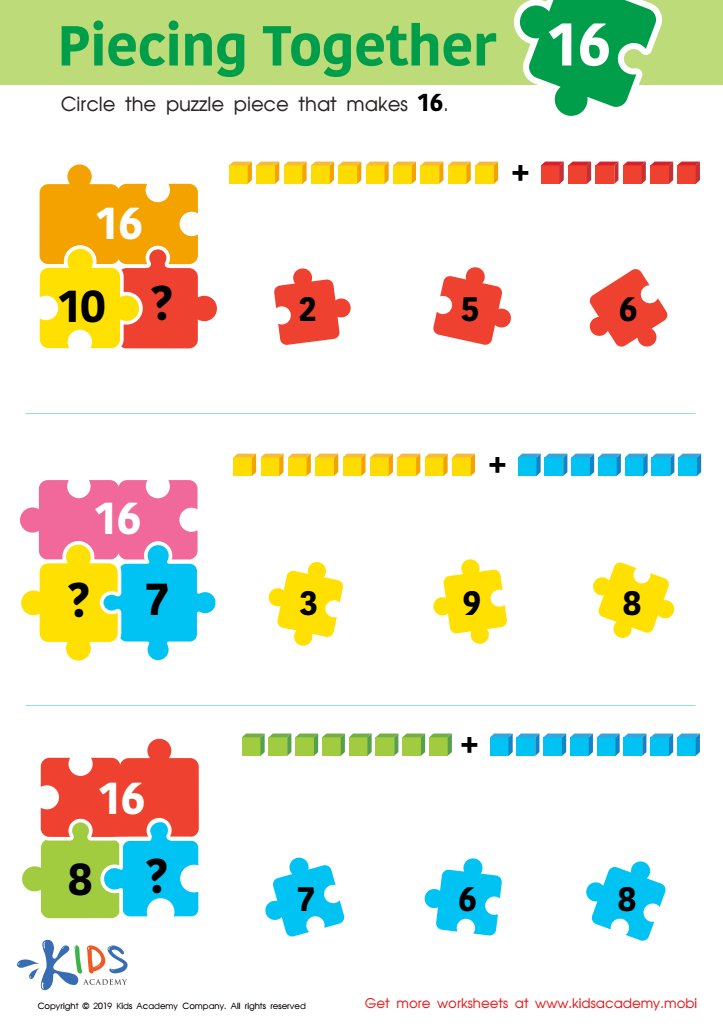
Piecing Together 16 Worksheet
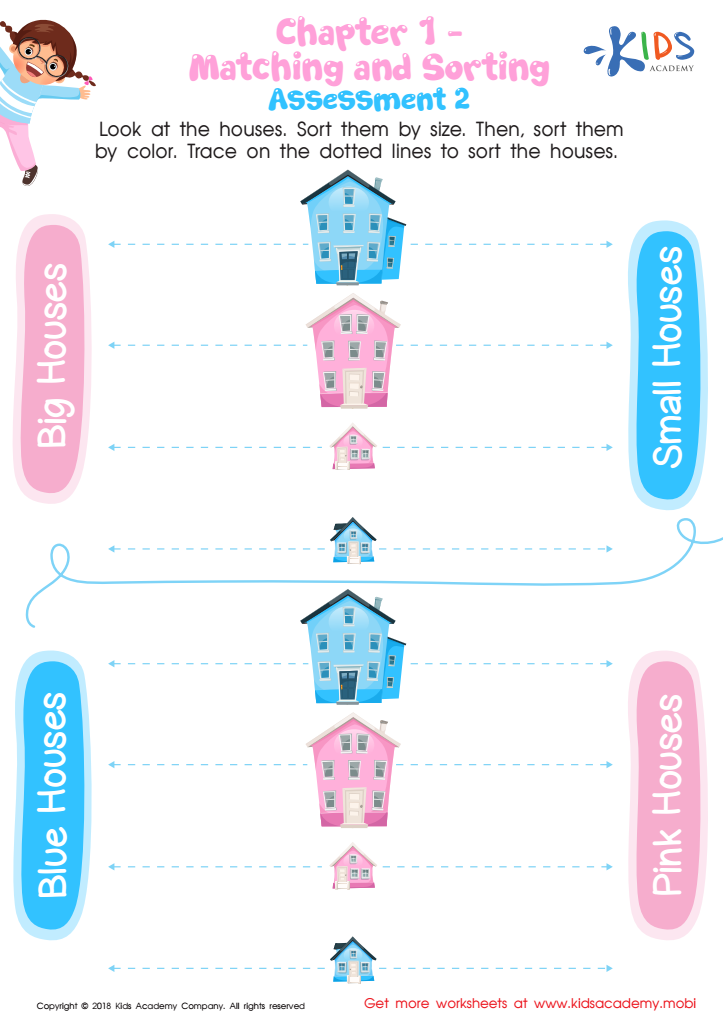
Matching and Sorting for Preschool: Assessment 2 Worksheet
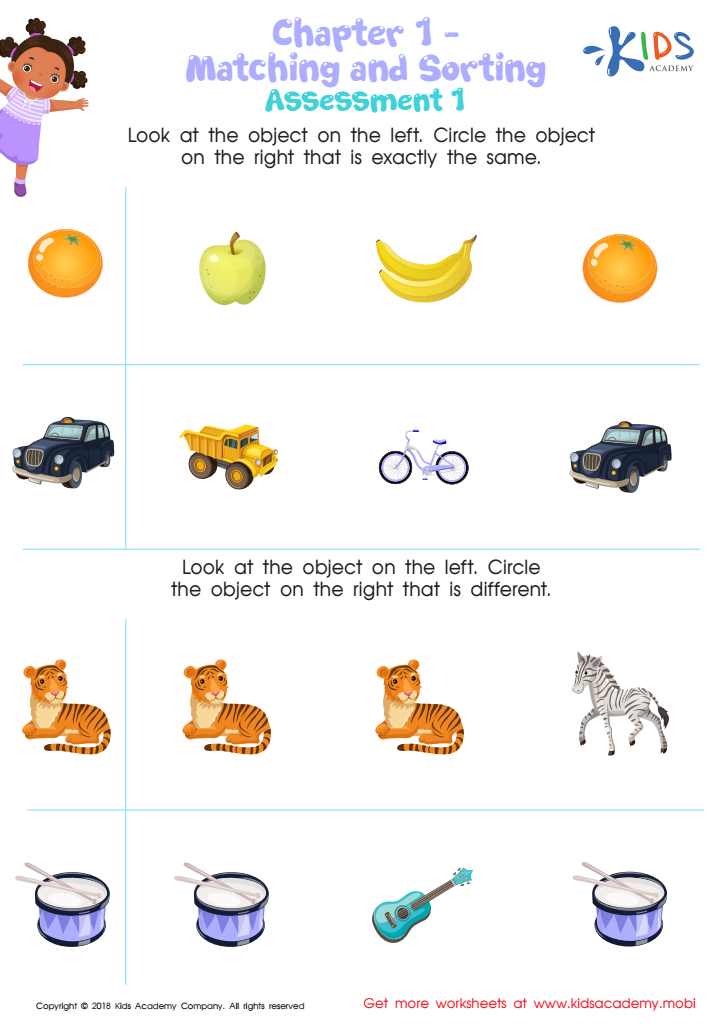
Matching and Sorting for Preschool: Assessment 1 Worksheet
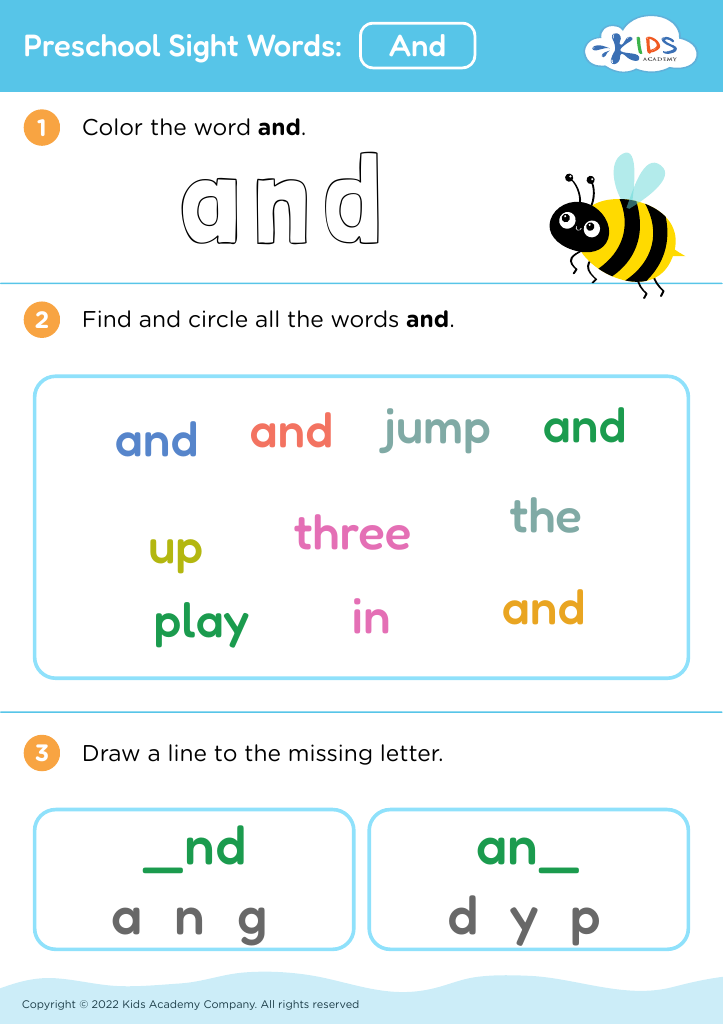
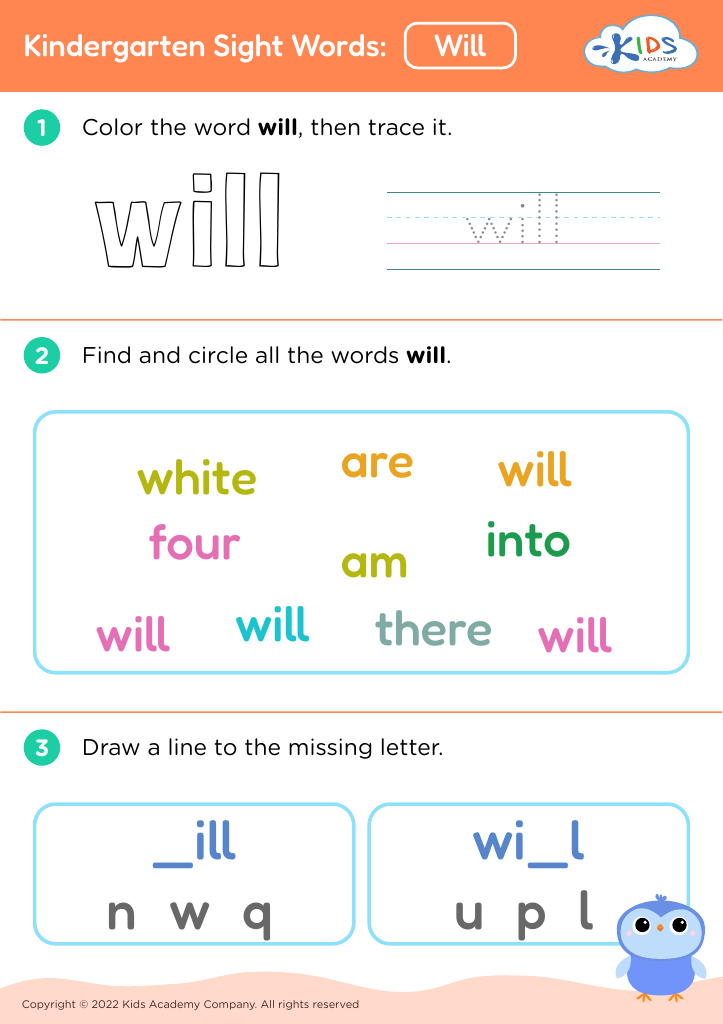
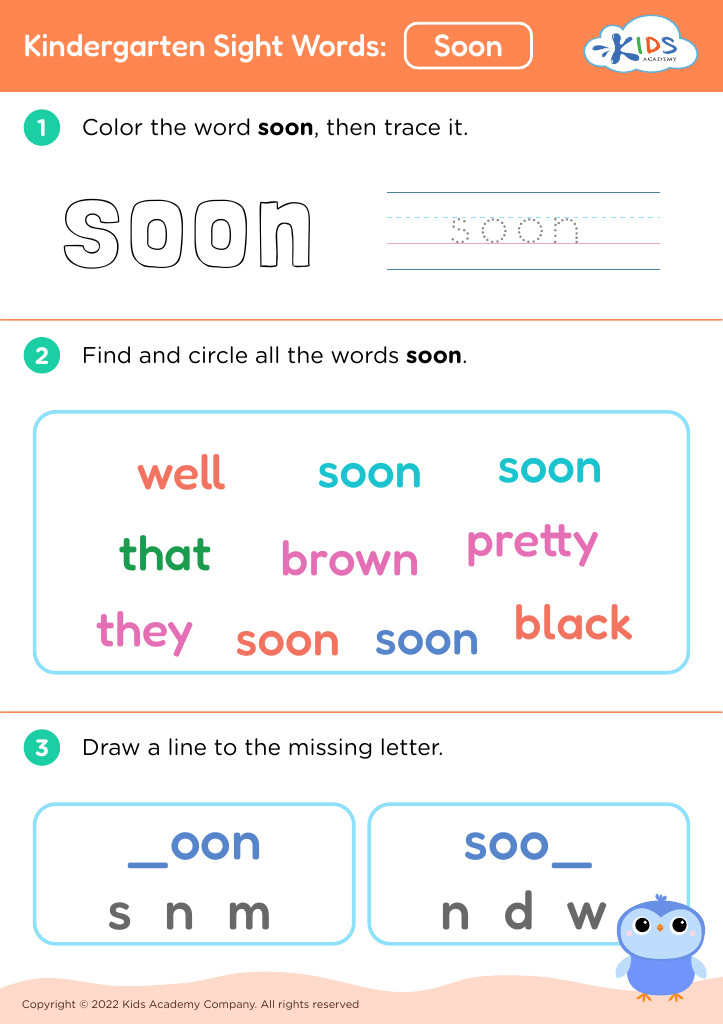







.jpg)
At the ages of 4-5, children are in a crucial developmental stage where foundational math skills start forming. Comparing fractions may seem advanced for this age group, but introducing the basic concepts early is beneficial. Here’s why parents and teachers should care.
Firstly, early exposure helps develop strong mathematical intuition. Simple activities like cutting fruits into halves or quarters allow young minds to perceive and understand fractional parts as tangible, relatable entities. This engagement fosters meaningful connections with daily life situations, making abstract concepts concrete.
Secondly, learning to compare fractions lays the groundwork for future math success. As children progress academically, a solid understanding of fractions becomes integral to grasping more complex topics. Incorporating fractions early can alleviate later difficulties and mathematics anxieties, resulting in confident learners.
Lastly, it promotes critical thinking and problem-solving skills. Comparing fractions requires recognizing differences and similarities—a foundational concept in logical reasoning. By choosing which piece of a slice is bigger or smaller, children practice essential cognitive skills, aiding overall intellectual development.
In summary, teaching young children about fractions nurtures their mathematical foundation, critical thinking, and confidence in solving problems. Investing time and effort into these early math skills sets the stage for long-term academic success and a positive attitude toward learning.








