Understanding communities Worksheets for Ages 4-5
3 filtered results
-
From - To
Discover our engaging "Understanding Communities Worksheets" designed for children aged 4-5! These worksheets offer a fun and interactive way to help young learners explore their neighborhoods and the various roles people play within their communities. Through colorful illustrations and age-appropriate activities, kids will enhance their comprehension of community structures including family, friends, and local helpers. This resource encourages critical thinking, fosters social awareness, and improves vocabulary as children identify different community roles. Perfect for home or classroom use, these worksheets support early education by making learning about communities enjoyable and accessible. Start your child's exploration today!
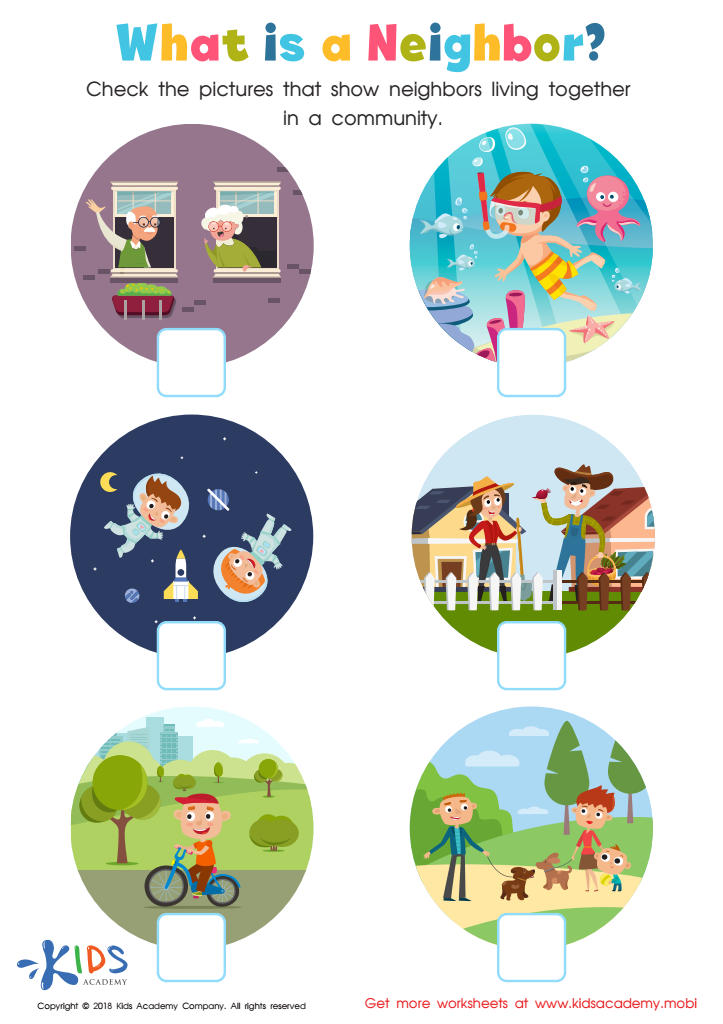
What is a neighbor Worksheet
 Assign to My Students
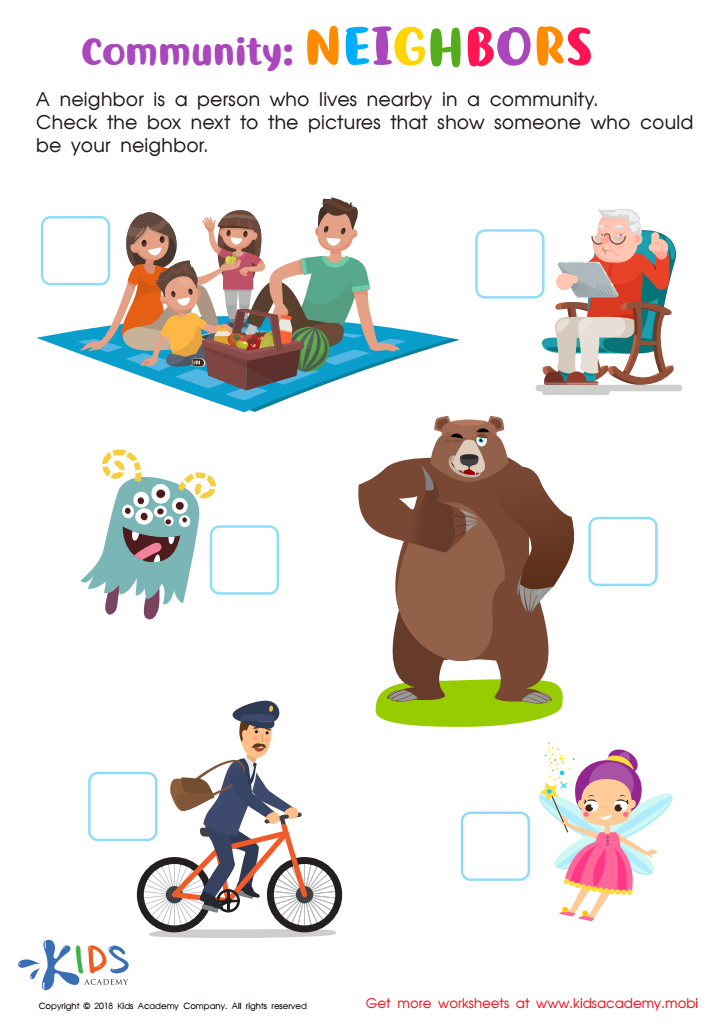
Community: Neighbors Worksheet
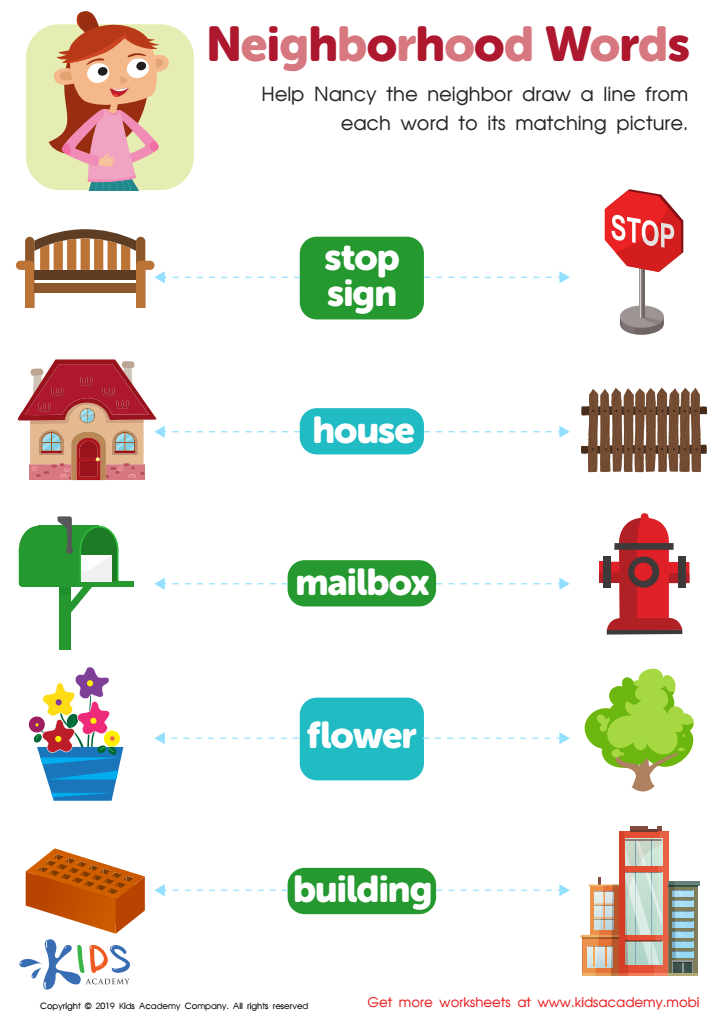
Neighborhood Words Worksheet




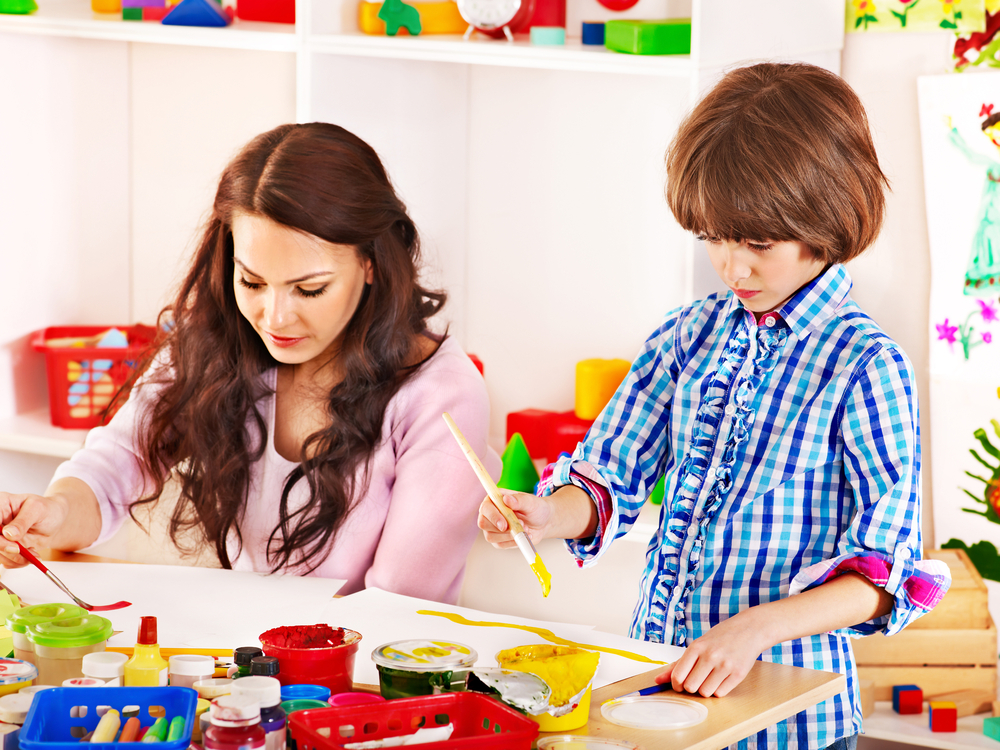



Understanding communities is essential for children aged 4-5 as it forms the foundation for their social and emotional development. At this age, children are curious about the world around them, and introducing them to the concept of community helps them recognize the people, roles, and relationships that shape their environment. Engaging in discussions about families, schools, and local neighborhoods empowers young learners to appreciate diversity and develop empathy toward others.
Parents and teachers play a crucial role in facilitating this understanding. By guiding children through activities such as storytelling, role-playing, or field trips, they help kids identify community helpers—like firefighters, doctors, and teachers—and understand their contributions. This not only nurtures awareness of others but also fosters a sense of belonging and safety within the community.
Additionally, understanding communities supports foundational skills such as communication, cooperation, and critical thinking. It stimulates curiosity and exploration, leading to emotional intelligence as children learn to navigate social situations. Ultimately, a strong grasp of community not only enriches a child's early experiences but also sets the stage for active, responsible citizenship as they grow. This makes it imperative that both parents and teachers emphasize the value of understanding communities during these formative years.








